Quality of Life in Lexington Fayette Urban County, KY
Above-average quality of iife. The area offers a reasonable cost of living, decent mobility, and a mix of neighborhood amenities.
What does Quality of Life tell us?
Quality of Life blends cost of living, nearby amenities, socioeconomic signals, and neighborhood character. City-level scores represent the whole municipality; individual neighborhoods can differ.
What does this tell us?
Quality of Life blends cost of living, nearby amenities, socioeconomic signals, and neighborhood character. City-level scores represent the whole municipality; individual neighborhoods can differ.
Cost of Living
5% below national average
The Real Cost of Living in Lexington Fayette Urban County, KY for 2026
| Tier | Individual | Family (4) |
|---|---|---|
| Survival | $18k | $33k |
| Comfortable | $53k | $78k |
| Luxury | $122k+ | $189k+ |
| Elite (Top 5%) | $166k+ | $258k+ |
87%
The Area Signal
A metric tracking the socioeconomic signals of the area.
Hobbies
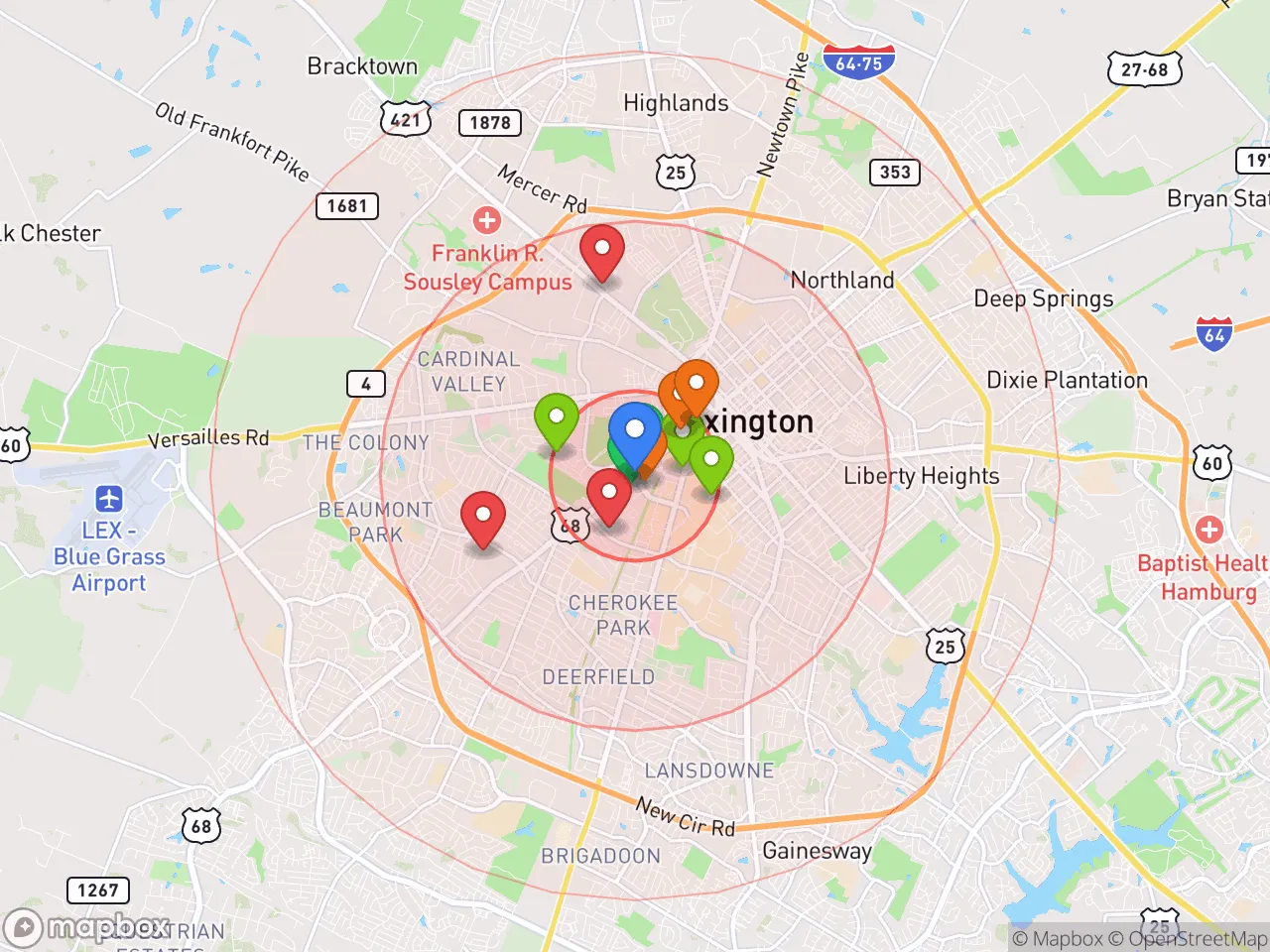
Explore the areaGroceries
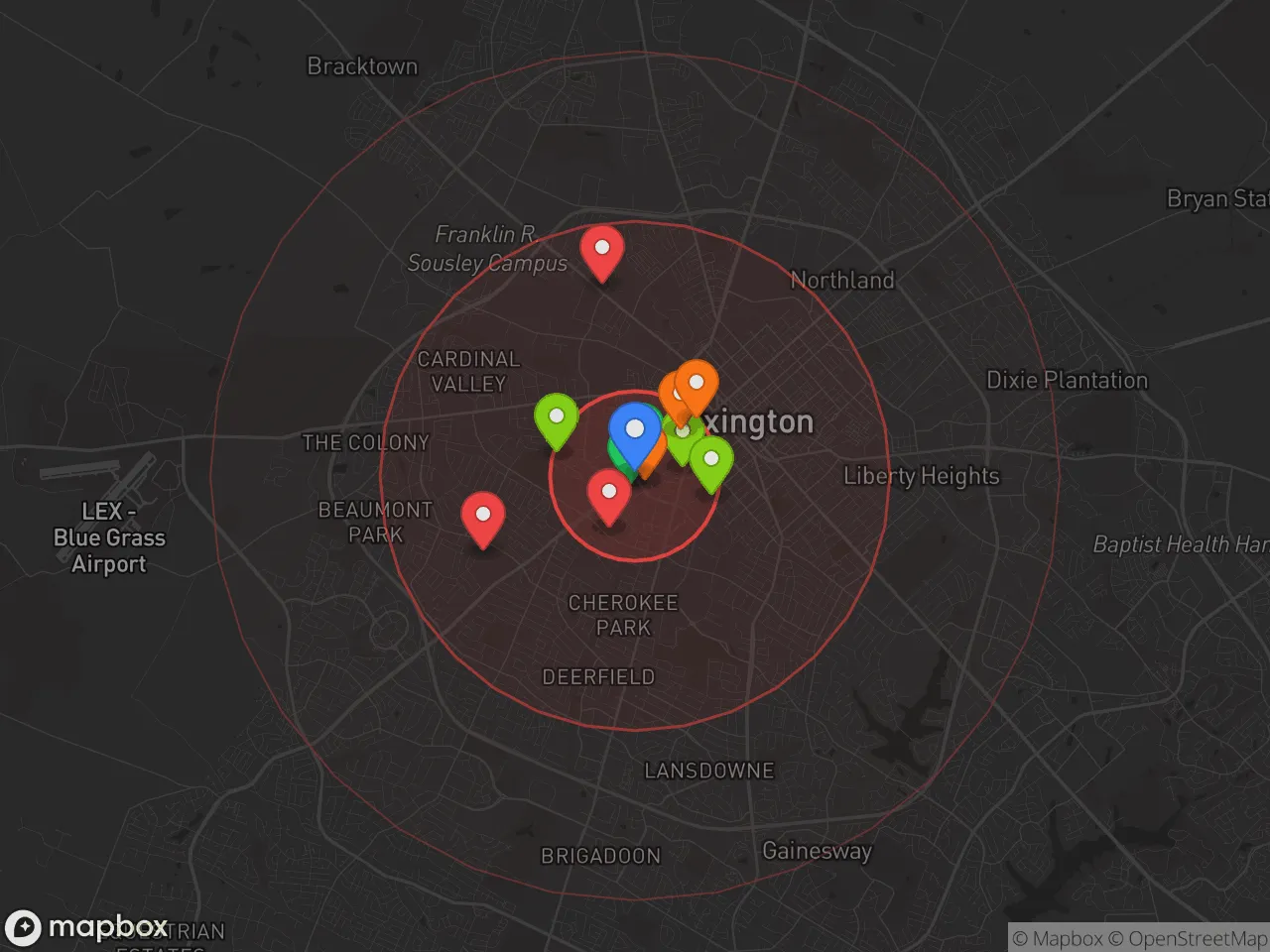
6 within 10 miles
Gas
20 within 10 miles
Hospital
18 within 20 miles
Airport
Indianapolis International Airport
Post Office
USPS — Lexington Fayette Urban County, KY
Critical Amenities
Quality-of-Life Analysis
Lexington-Fayette Urban County, Kentucky, presents a quality of life defined by a blend of professional opportunity and a distinctly lower cost of living than the national average, attracting a population that is both educated and family-oriented. With a cost of living index of 95 (100 = US average), the area offers a tangible financial advantage over peer metros like Nashville or Charlotte, drawing young professionals from the University of Kentucky and established workers in the bourbon and equine industries. The median household income hovers near the national median, but the city’s affordability means residents often enjoy a higher disposable income and a more relaxed pace of life than in comparably sized Southern cities.
Cost of living, housing affordability, and how Lexington compares to nearby areas
Lexington’s housing market remains one of its strongest draws, with a median home value of $272,100 and a median rent of $1,101, both well below the national medians. This pricing puts homeownership within reach for many dual-income households, especially when compared to the higher costs in Louisville (about 10% more expensive for housing) or the significantly pricier Nashville metro (often 30-40% higher). The average commute of 20.8 minutes is notably short for a metro of its size, reducing transportation costs and freeing up time for family or recreation. While property taxes in Fayette County are moderate, residents should note that Kentucky’s state income tax is a flat 4.5%, which can offset some of the savings from lower housing costs when compared to no-income-tax states like Tennessee.
Daily life, local amenities, and what families can expect from the community
Daily life in Lexington revolves around a compact, walkable urban core—particularly around the University of Kentucky campus and the historic Gratz Park district—combined with sprawling suburban neighborhoods like Hamburg Place and Beaumont. The Fayette County Public Schools system is a major asset, with several magnet programs and a graduation rate consistently above the state average, making it a draw for families. The city’s amenities punch above its weight: the Lexington Public Library system, the Kentucky Theatre for independent films, and the sprawling 1,000-acre McConnell Springs park system provide year-round activities. The rhythm of life is heavily influenced by the University of Kentucky’s sports calendar, with basketball and football games creating a communal energy that defines weekends from fall through spring. For daily errands, the city’s grid layout and limited interstate congestion keep errands efficient, though public transit via Lextran is limited to bus routes that are most useful for downtown commuters.
Lexington is best suited for professionals and families who value a lower-stress, lower-cost lifestyle without sacrificing access to a vibrant downtown, strong public schools, and a robust job market anchored by healthcare (UK HealthCare), education, and the bourbon industry. Retirees may also find it appealing due to the mild four-season climate and the proximity to the Bluegrass region’s scenic horse farms and state parks. However, those seeking a fast-paced, 24-hour urban environment or a very diverse cultural scene may find the city’s pace too sedate. For anyone prioritizing financial breathing room, a short commute, and a community with a strong sense of place, Lexington offers a compelling balance of affordability and quality of life.

Crime in Lexington Fayette Urban County, KY
Generally safer than 62% of comparable U.S. locations.
Violent CrimeViolent Crime Analysis
Property CrimeProperty Crime Analysis
Crime Analysis
Lexington-Fayette Urban County presents a mixed safety picture, with violent crime rates significantly below national averages but property crime rates that exceed both state and national benchmarks. The city's consolidated city-county government structure, which combines Lexington with Fayette County, creates a unique policing and judicial environment that residents should evaluate carefully. With a violent crime rate of 212.6 per 100,000 residents and a property crime rate of 1,275.5 per 100,000, the data reveals a community where property offenses—particularly theft and vehicle break-ins—are the primary concern for most households.
Crime in context
Lexington's violent crime rate of 212.6 per 100,000 sits well below the national average of roughly 380 per 100,000 and the Kentucky state average of approximately 240 per 100,000, making it one of the safer large cities in the region for violent offenses. However, the property crime rate of 1,275.5 per 100,000 exceeds the national average of about 1,954 per 100,000—but notably, it also surpasses the Kentucky state average of roughly 1,100 per 100,000. This means Lexington residents face a higher likelihood of property crime than the typical Kentuckian. Readers should be aware that Fayette County's elected prosecutors and judges, who operate within a progressive judicial philosophy emphasizing rehabilitation over incarceration, have been associated with higher recidivism rates for property offenders. This approach, while well-intentioned, can result in repeat offenders cycling through the system and committing additional crimes against residents and businesses.
What residents experience
For daily life in Lexington, the practical impact of these crime statistics means residents are far more likely to deal with a stolen package, a broken car window, or a burglary than a violent confrontation. The University of Kentucky campus area and downtown entertainment districts see elevated rates of theft and alcohol-related incidents, while suburban neighborhoods in the Hamburg Pavilion area and along Nicholasville Road report higher vehicle break-in rates. Property crime tends to cluster around commercial corridors and apartment complexes with transient populations. Residents report that the most frustrating aspect is the perceived lack of consequences for property offenders, as progressive diversion programs and reduced sentencing guidelines often allow repeat thieves to avoid jail time. This creates a sense among long-term residents that the justice system prioritizes offender rehabilitation over public safety, leading to frustration and, in some cases, increased private security measures.
Neighborhood-level variation is significant in Lexington. The most affluent areas—such as Ashland Park, Chevy Chase, and the Beaumont neighborhood—experience very low violent crime but remain targets for property crime due to higher-value goods. Conversely, neighborhoods north of New Circle Road, including parts of the Georgetown Street corridor and the Winburn area, report higher rates of both violent and property crime. The city's comprehensive crime mapping tool, available through the Lexington Police Department website, allows prospective residents to check specific addresses and block-level data before choosing a neighborhood. For those prioritizing safety, the suburban fringe areas near the Fayette County line—including parts of the Hamburg area and the developing Masterson Station region—generally report the lowest overall crime rates in the city.
* Values derived from national, state, county, city and local statistics and may differ in a specific area. Last updated: 2026-06-22T21:16:39.000Z
Narrative content on this page is AI-generated and may contain mistakes. Verify any details that matter before acting on them.
ReloMaps may earn a commission from affiliate links at no extra cost to you.

