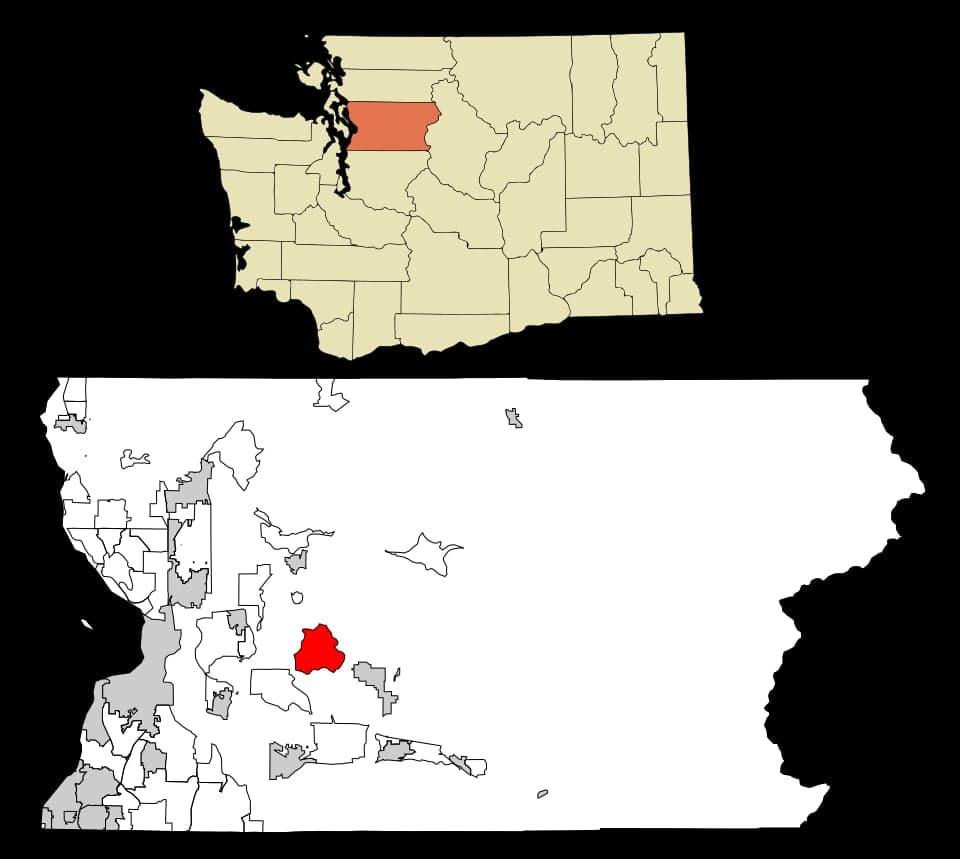
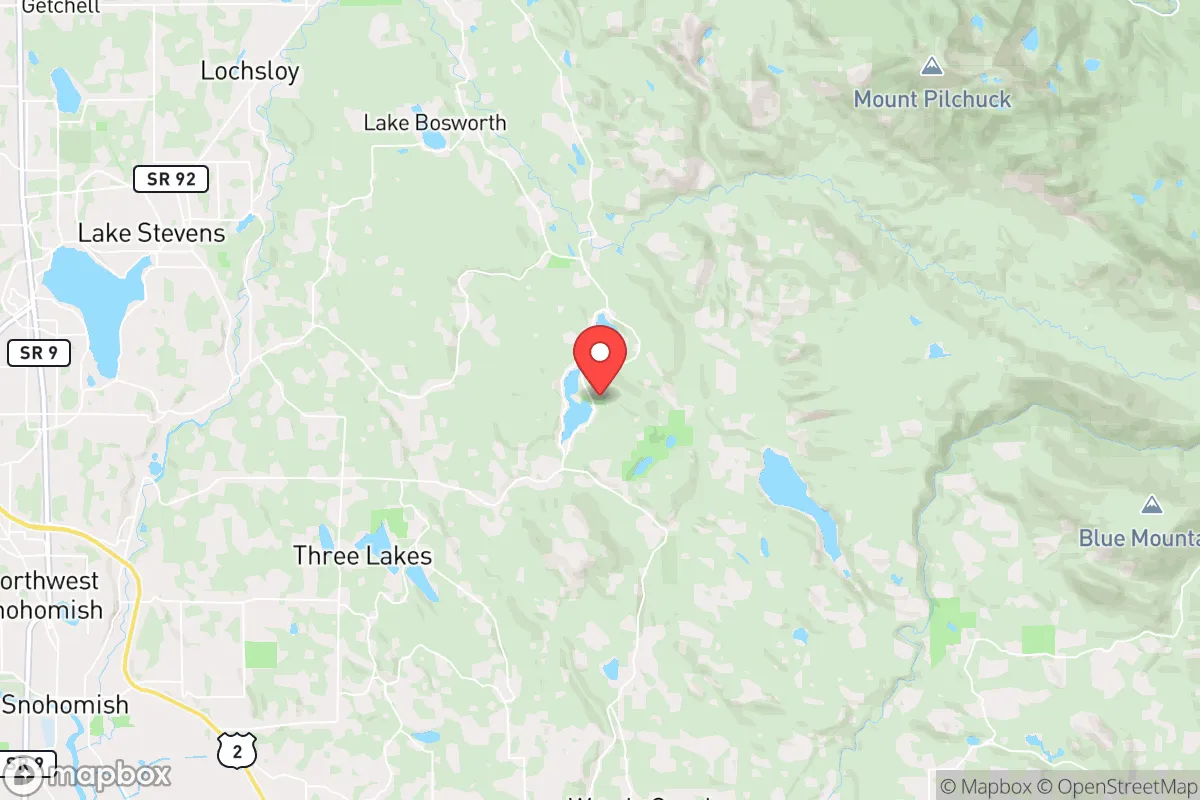
Photo: Wikipedia
Strategic Assessment of Lake Roesiger, WA
Meaningful friction. Expect exposure to either population pressure, blast zones, or natural disaster risk. Consider buying a retreat property.
What does the Strategic Assessment tell us?
Our Strategic Assessment grades tactical survivability of an area. Major population centers, military targets, fallout zones, natural disasters, and border exposure all drive risk — lower exposure means a more defensible position in a crisis.
This is heavily inspired by Joel Skousen's Strategic Relocation book. Highly recommended you checkout the book ($)What does this tell us?
Our Strategic Assessment grades tactical survivability of an area. Major population centers, military targets, fallout zones, natural disasters, and border exposure all drive risk — lower exposure means a more defensible position in a crisis.
This is heavily inspired by Joel Skousen's Strategic Relocation book. Highly recommended you checkout the book ($)Strategic Pillars

Key Distances
Regional Safe Places
Below is our recommended "safe zones" in Washington and the surrounding area based on our strategic heuristics. For most people, it's unrealistic to live in a “safe zone” full-time due to work, family or other personal reasons. They tend to be more rural. However, many of these areas are perfect for second homes and retreat properties that double as a vacation home or even a short-term rental.
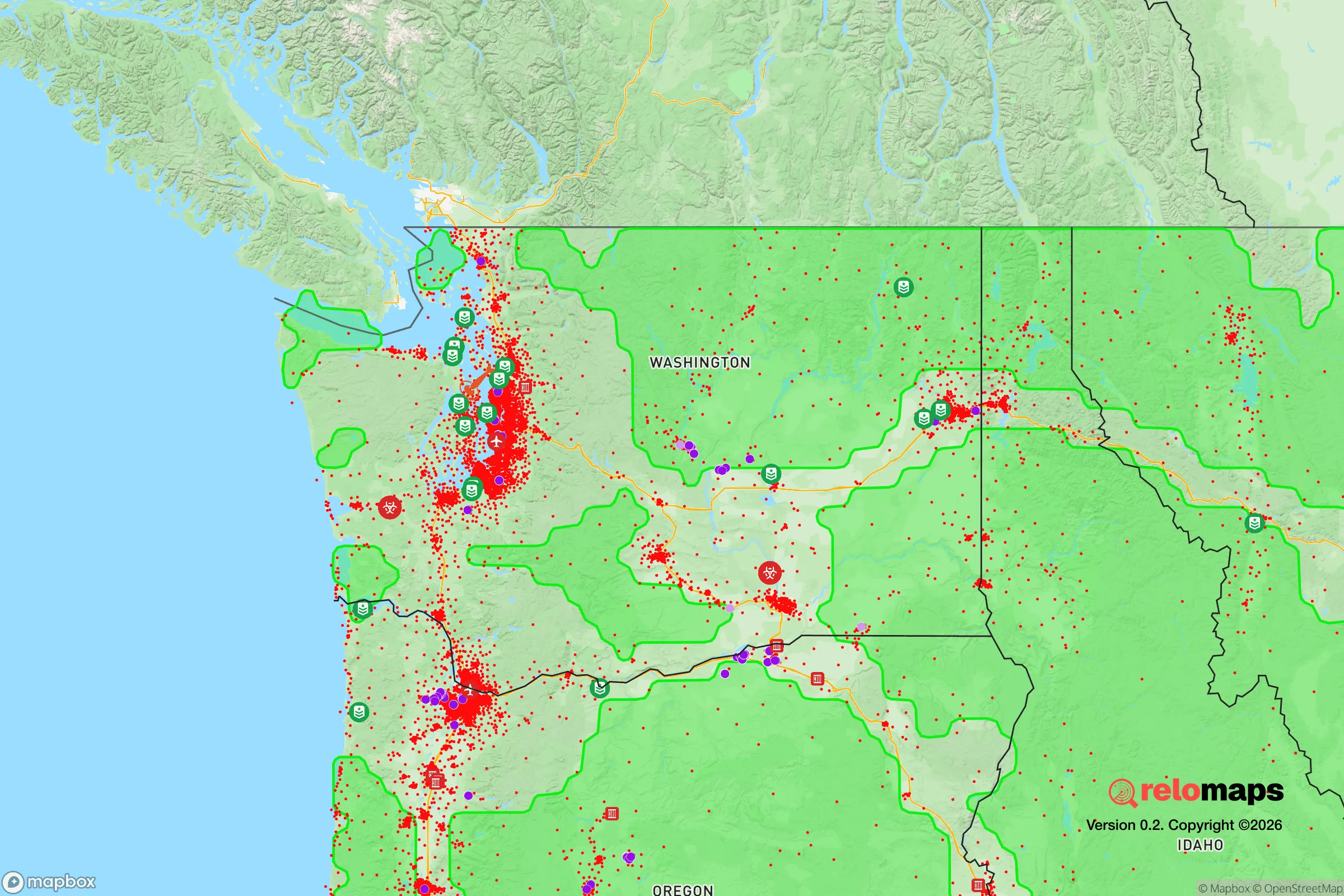
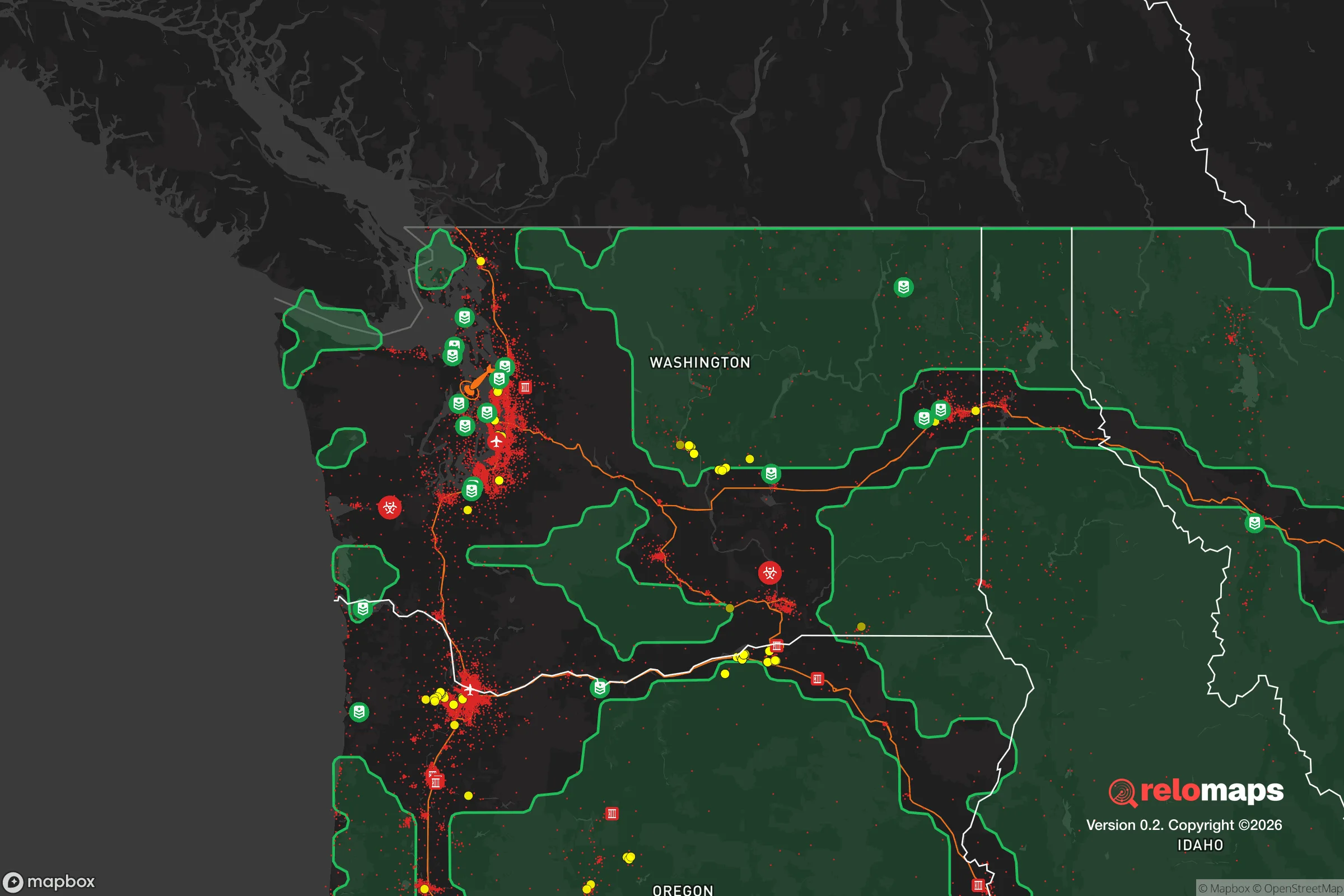


Important Note: For informational purposes only. This does not mean nothing bad ever happens in the green zones. Please use common sense. This is based on public data and modeled with AI. We tried to take a conservative approach but mistakes happen. We update this regularly as new information becomes available.
Solar Generator Recommendations
Backup power matters more here than in safer locations. We've picked three solar generators across budgets and capacity tiers — start with the budget unit if you only need a few essentials, or step up if you want to run a fridge and HVAC for days at a time.

Jackery Portable Power Station Explorer 300
Budget OptionPower on the Go: Weighing only 11 lbs, it's convenient to set up and store with book-sized foldable solar panels

BLUETTI Portable Power Station AC180
Designed for both indoor and outdoor scenarios, AC180 is highly capable as it has a robost capacity and continuous output power.

EF ECOFLOW DELTA Pro Ultra Power Station
Upgraded PickEcoFlow DELTA Pro Ultra is a whole-home energy system designed to grow with your family. Integrated with the Smart Home Panel 2, it scales to meet your evolving energy needs — keeping your home powered, intelligent, and secure through every stage of life.
We earn a commission, at no additional cost to you.
Strategic Assessment Analysis
Lake Roesiger, Washington, offers a compelling strategic position for those prioritizing disaster readiness and self-sufficiency, balancing proximity to the Puget Sound region's resources with a meaningful buffer from its densest population centers and associated risks. Located in Snohomish County, roughly 40 miles northeast of Seattle and 15 miles east of Everett, this rural lake community sits in a transitional zone between the Cascade foothills and the more developed I-5 corridor. For a relocator thinking seriously about resilience, Lake Roesiger provides a mix of natural advantages and practical challenges that warrant careful consideration, particularly when weighed against the vulnerabilities of larger urban areas.
Geographic position and natural advantages for self-sufficiency
Lake Roesiger's location in the Snohomish River Valley, at the base of the Cascade Range, gives it several inherent resilience benefits. The area is surrounded by the Mount Baker-Snoqualmie National Forest to the east, creating a natural barrier that limits through-traffic and provides a buffer against urban sprawl. The lake itself, a 315-acre natural body of water, offers a reliable freshwater source for residents with direct lake access, though most properties rely on wells or municipal water from the Lake Roesiger Water District. The surrounding terrain is a mix of forested hills and lowland valleys, with elevations ranging from 400 to 800 feet, which reduces flood risk compared to lower-lying areas near the Snohomish River. The region's temperate maritime climate—with annual rainfall around 50 inches and mild temperatures averaging 40-75°F year-round—supports year-round gardening and small-scale agriculture, a key advantage for food self-sufficiency. The area's volcanic soil, derived from the Cascade Range, is fertile for crops like berries, root vegetables, and hardy greens, though the short growing season (roughly 150 frost-free days) limits what can be grown without season extension techniques. For those serious about self-sufficiency, the proximity to the Skykomish and Sultan River watersheds provides additional backup water sources, though access requires navigating forest service roads.
Risks, exposures, and proximity to fallout-relevant landmarks
While Lake Roesiger avoids the immediate dangers of a major metropolitan center, it is not immune to risks that a strategic relocator must weigh. The primary natural threat is wildfire: the area sits in a moderate-to-high fire risk zone, with the 2022 Bolt Creek Fire burning within 10 miles of the lake, demonstrating the potential for fast-moving fires in dry summers. Earthquake risk is significant, as the region lies near the Cascadia subduction zone, with the potential for a magnitude 9.0 quake that could disrupt roads, power, and water infrastructure for weeks. The area's reliance on a single primary road—Lake Roesiger Road, which connects to Highway 2 and Highway 9—creates a chokepoint; a landslide or bridge failure could isolate the community for days. In terms of man-made risks, Lake Roesiger's distance from major targets is a net positive. The nearest significant fallout-relevant landmarks are Naval Station Everett (25 miles southwest) and the Boeing Everett Factory (20 miles southwest), both potential targets in a conflict scenario. However, prevailing winds in the region blow from the west and southwest, meaning fallout from a strike on those facilities would likely disperse toward the Cascades rather than directly over Lake Roesiger. The area is also 40 miles from the Puget Sound Naval Shipyard in Bremerton, a higher-value target, but the intervening terrain and distance reduce direct exposure. For a relocator concerned about societal collapse or major disruptions, Lake Roesiger's low population density (roughly 2,500 residents in the immediate area) and limited industrial infrastructure make it a lower-priority target than suburban or urban zones.
Practical resilience for a relocator: food, water, energy, and defensibility
For someone planning to live self-sufficiently at Lake Roesiger, the practical realities are mixed. Water is the strongest asset: the lake itself provides a year-round surface water source, and most properties with wells tap into the region's abundant groundwater, with typical depths of 100-300 feet yielding reliable flows. However, well pumps require electricity, so a backup generator or solar-powered pump is essential for long-term resilience. The Lake Roesiger Water District serves about 400 connections, but its infrastructure is vulnerable to earthquake damage; a private well with a hand pump is the gold standard here. Food production is feasible but limited: the growing season is short, and the area's acidic, clay-heavy soil requires amendment for most crops. Deer and elk are common, providing a hunting opportunity (with proper licensing), and the lake supports trout and bass fishing, though over-reliance on wild game is unsustainable without careful management. Local farmers' markets in nearby Granite Falls and Monroe offer seasonal produce, but these are not reliable in a crisis. Energy resilience is a challenge: the grid is served by Snohomish County PUD, which has a good reliability record, but the area is prone to winter storms that can knock out power for 24-72 hours. Solar potential is moderate—the region gets about 150 sunny days per year—so a solar array with battery storage can cover basic needs but won't power a typical American home year-round without a backup generator. Wood heating is common, with many homes having wood stoves or fireplaces, and firewood is abundant from nearby forests. Defensibility is moderate: the area's rural layout, with properties spread along winding roads and set back from main routes, makes it harder for outsiders to navigate, but it also means neighbors are far apart, reducing mutual support. The nearest law enforcement is the Snohomish County Sheriff's Office, with a response time of 20-40 minutes for the lake area. For a relocator, the key is to build a network of like-minded neighbors—there are active preparedness groups in the region, including the Snohomish County Emergency Management's Community Emergency Response Team (CERT) program, which offers training in basic disaster response.
The overall strategic picture for Lake Roesiger is one of moderate resilience with clear trade-offs. It offers a genuine buffer from the worst-case scenarios of urban collapse or direct attack, with strong natural water resources and a climate that supports basic subsistence. However, the area's wildfire risk, earthquake vulnerability, and single-road access mean that a relocator must invest significantly in infrastructure—backup power, water storage, fire mitigation, and food preservation—to achieve true self-sufficiency. For a conservative-leaning individual or family who values privacy, space, and a slower pace, Lake Roesiger is a defensible choice that avoids the extremes of both urban vulnerability and remote isolation. The key is to treat it as a base that requires active preparation, not a passive safe haven. If you're willing to put in the work on water, energy, and community building, this area can serve as a solid foundation for a resilient lifestyle in the Pacific Northwest.

* Values derived from national, state, county, city and local statistics and may differ in a specific area. Last updated: 2026-10-11T18:48:14.000Z
Narrative content on this page is AI-generated and may contain mistakes. Verify any details that matter before acting on them.
ReloMaps may earn a commission from affiliate links at no extra cost to you.

