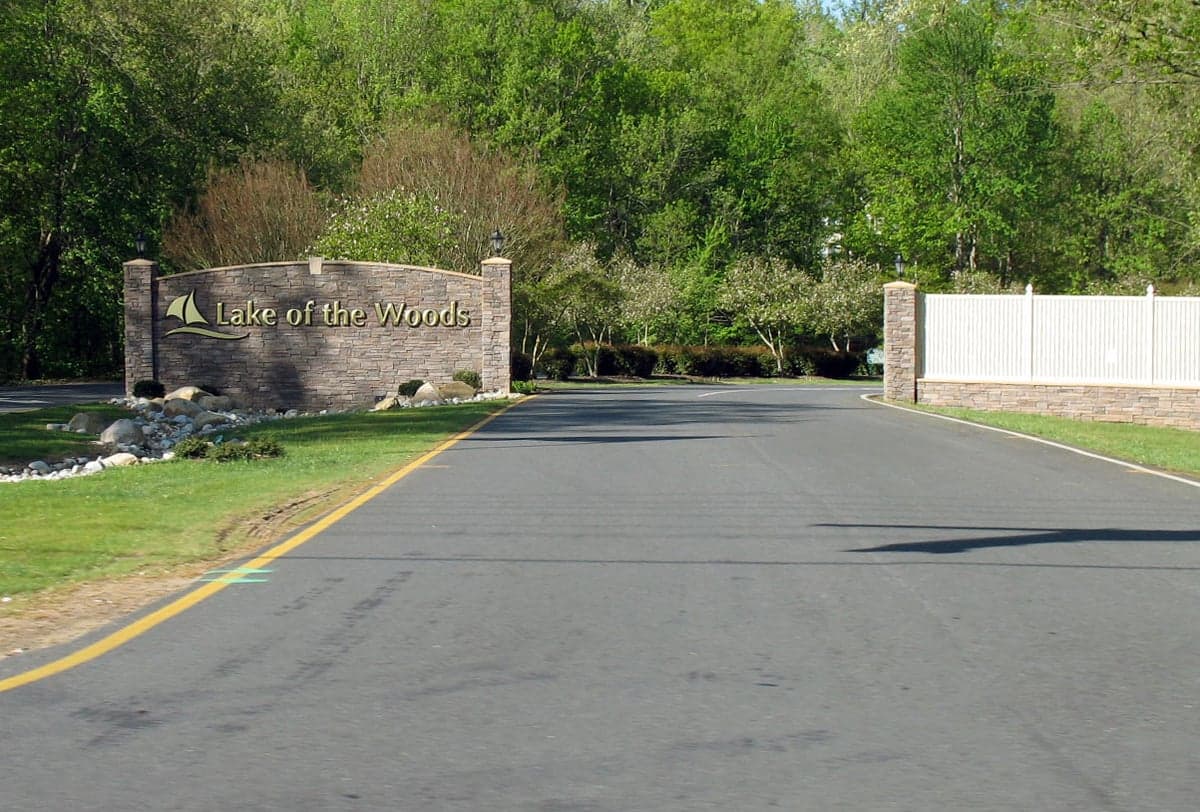
Photo: Wikipedia
Quality of Life in Lake of the Woods, VA
A high quality of life with strong walkability, manageable living costs, healthy neighborhood signals, and solid amenity access.
What does Quality of Life tell us?
Quality of Life blends cost of living, nearby amenities, socioeconomic signals, and neighborhood character. City-level scores represent the whole municipality; individual neighborhoods can differ.
What does this tell us?
Quality of Life blends cost of living, nearby amenities, socioeconomic signals, and neighborhood character. City-level scores represent the whole municipality; individual neighborhoods can differ.
Cost of Living
41% above national average
The Real Cost of Living in Lake of the Woods, VA for 2026
| Tier | Individual | Family (4) |
|---|---|---|
| Survival | $27k | $51k |
| Comfortable | $73k | $108k |
| Luxury | $191k+ | $296k+ |
| Elite (Top 5%) | $224k+ | $348k+ |
105%
The Area Signal
A metric tracking the socioeconomic signals of the area.
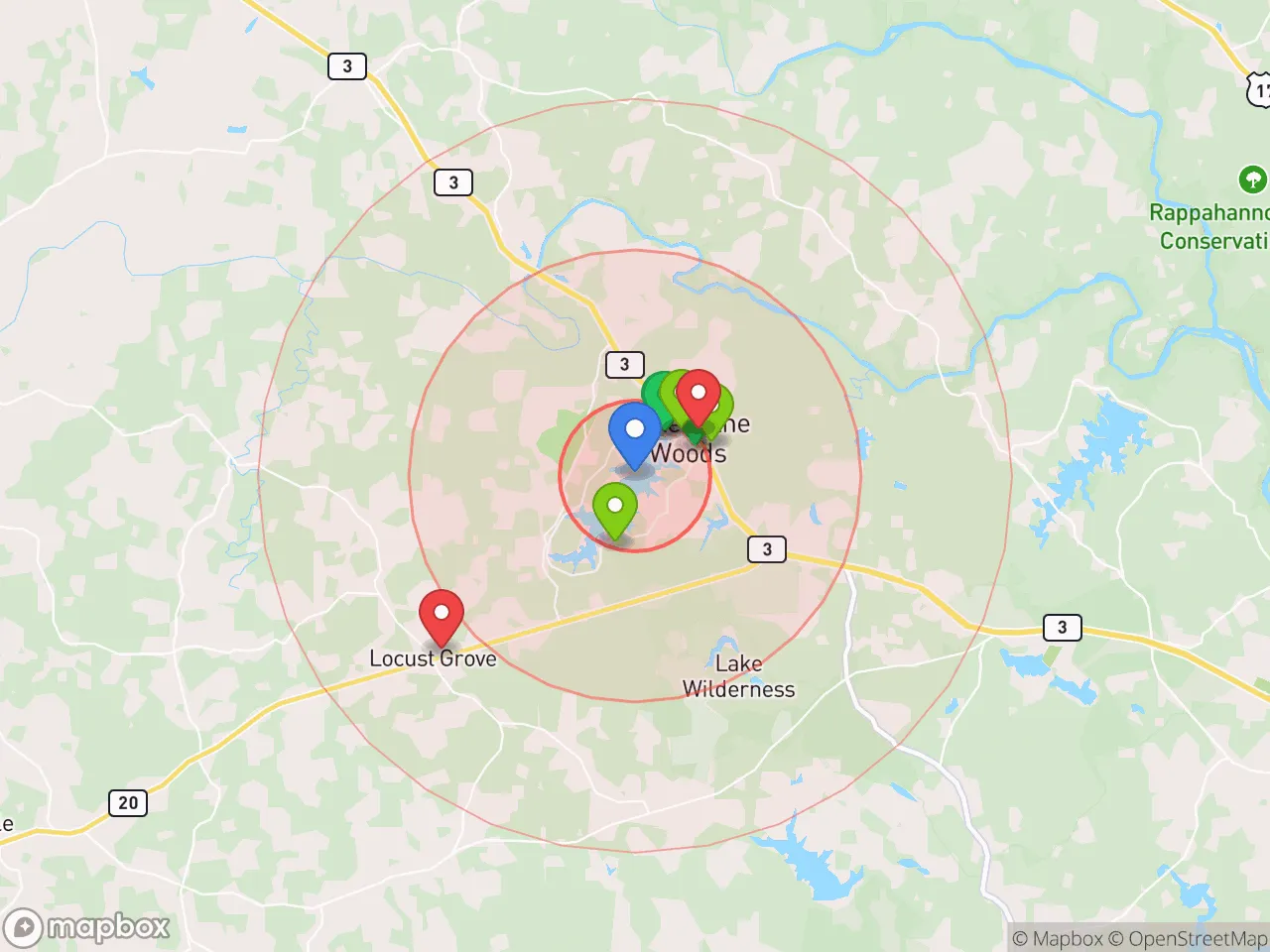

Hobbies
Explore the areaGroceries
0 within 10 miles
Gas
0 within 10 miles
Hospital
0 within 20 miles
Airport
IAD — Washington Dulles International
Post Office
Critical Amenities
Quality-of-Life Analysis
Lake of the Woods, Virginia, is a gated residential community in Orange County that ranks among the state's most affluent suburban enclaves, with a cost of living index of 141—41 percent above the national average. The area attracts a mix of retirees, remote professionals, and families seeking a quiet, amenity-rich lifestyle within commuting distance of Northern Virginia. With a median home value of $377,500 and a median rent of $1,690, the community offers a distinctly higher price point than nearby towns like Orange (median home value ~$290,000) or Culpeper (~$325,000), reflecting its private lake access, golf course, and controlled-access environment.
Cost of living, housing prices, and affordability compared to nearby towns
The cost of living index of 141 places Lake of the Woods well above the U.S. average of 100, driven primarily by housing and transportation costs. The median home value of $377,500 is roughly 30 percent higher than the Orange County median of $290,000, though it remains significantly below the Northern Virginia average of $620,000. Renters face a median monthly rent of $1,690, which is about $200 more than in nearby Culpeper but $500 less than in Fredericksburg. The average commute of 46 minutes—among the longest in the region—reflects the community's role as a bedroom suburb for workers in Fredericksburg, Quantico, and even Washington, D.C. For buyers, the trade-off is clear: lower home prices than the D.C. metro area but higher costs and longer drives than rural alternatives like Louisa or Spotsylvania.
What daily life is like for families: schools, amenities, and commute realities
Daily life in Lake of the Woods revolves around its private amenities, including a 178-acre lake for boating and fishing, an 18-hole golf course, tennis courts, and multiple swimming pools. The community is served by Orange County Public Schools, with Locust Grove Elementary and Locust Grove Middle School both rated above average by the Virginia Department of Education, while Orange County High School offers Advanced Placement and dual-enrollment programs. The 46-minute average commute is a defining feature of daily life—most residents drive west on State Route 3 to reach Fredericksburg or I-95, with traffic bottlenecks common at the Route 3/Route 20 intersection. For families, the trade-off is a slower, more self-contained lifestyle with strong community events (holiday parades, lake regattas) versus the need to plan around long car trips for work, shopping, or medical care.
Lake of the Woods is best suited for retirees, remote workers, and families who prioritize a secure, amenity-packed suburban environment over urban convenience. The high cost of living and long commute make it a poor fit for budget-conscious renters or those needing frequent access to D.C. or Richmond. However, for buyers who value a private lake, golf, and a tight-knit community with above-average schools, the trade-offs in time and money are often worth it. The area's steady home value appreciation—up roughly 8 percent annually since 2020—also makes it a solid long-term investment for those who can absorb the premium.

Crime in Lake of the Woods, VA
Generally safer than 60% of comparable U.S. locations.
Violent CrimeViolent Crime Analysis
Property CrimeProperty Crime Analysis
Crime Analysis
Lake of the Woods, a gated residential community in Orange County, Virginia, reports a violent crime rate of 210.8 per 100,000 residents and a property crime rate of 1,394.5 per 100,000. These figures place the community in a complex safety landscape, where its gated nature provides a layer of security, but the surrounding county and proximity to the larger Fredericksburg metro area introduce regional crime pressures that residents should weigh carefully.
Crime in context
Lake of the Woods’ violent crime rate of 210.8 per 100,000 is roughly 40% lower than the national average of approximately 380 per 100,000, and significantly below the Virginia state average of about 240 per 100,000. However, the property crime rate of 1,394.5 per 100,000 is notably higher than the national average of roughly 1,950 per 100,000, but still below the Virginia average of around 1,600 per 100,000. This suggests that while violent incidents are less common here than in many parts of the state, property-related offenses—such as theft, burglary, and vehicle break-ins—are a more pressing concern. The community’s location within a 30-minute drive of Fredericksburg, a growing metro area, means it is not immune to regional crime trends, including property crime rings that target suburban and exurban neighborhoods.
What residents experience
Residents of Lake of the Woods generally report a sense of security within the gates, bolstered by a private security patrol and neighborhood watch programs. However, the property crime rate indicates that theft from vehicles and unoccupied homes is the most common incident, often occurring during daylight hours when homes are empty. Violent crime is rare, but when it occurs, it is typically domestic in nature rather than random. The community’s governance by a homeowners’ association (HOA) enforces rules that can deter transient criminal activity, but the HOA’s effectiveness depends on resident compliance and funding for security measures. For families and retirees, the low violent crime rate is a clear positive, but the elevated property crime rate means that locking vehicles, securing sheds, and using outdoor lighting are essential daily habits.
Neighborhood-level variation within Lake of the Woods is modest, as the community is relatively homogeneous in terms of housing density and layout. Homes closer to the main entrance gates or near the community’s commercial areas (e.g., the Lake of the Woods Clubhouse and golf course) may experience slightly higher foot traffic and, consequently, a marginally higher risk of opportunistic property crime. Conversely, homes on cul-de-sacs or deeper within the community’s wooded lots tend to report fewer incidents. No specific “danger zones” are documented, but residents near the perimeter fences—especially along State Route 3—should be aware that these areas are more accessible to outsiders. Overall, Lake of the Woods offers a safe living environment for those who take standard suburban precautions, but the property crime rate is a realistic concern that should not be dismissed.
* Values derived from national, state, county, city and local statistics and may differ in a specific area. Last updated: 2026-10-18T23:06:48.000Z
Narrative content on this page is AI-generated and may contain mistakes. Verify any details that matter before acting on them.
ReloMaps may earn a commission from affiliate links at no extra cost to you.

