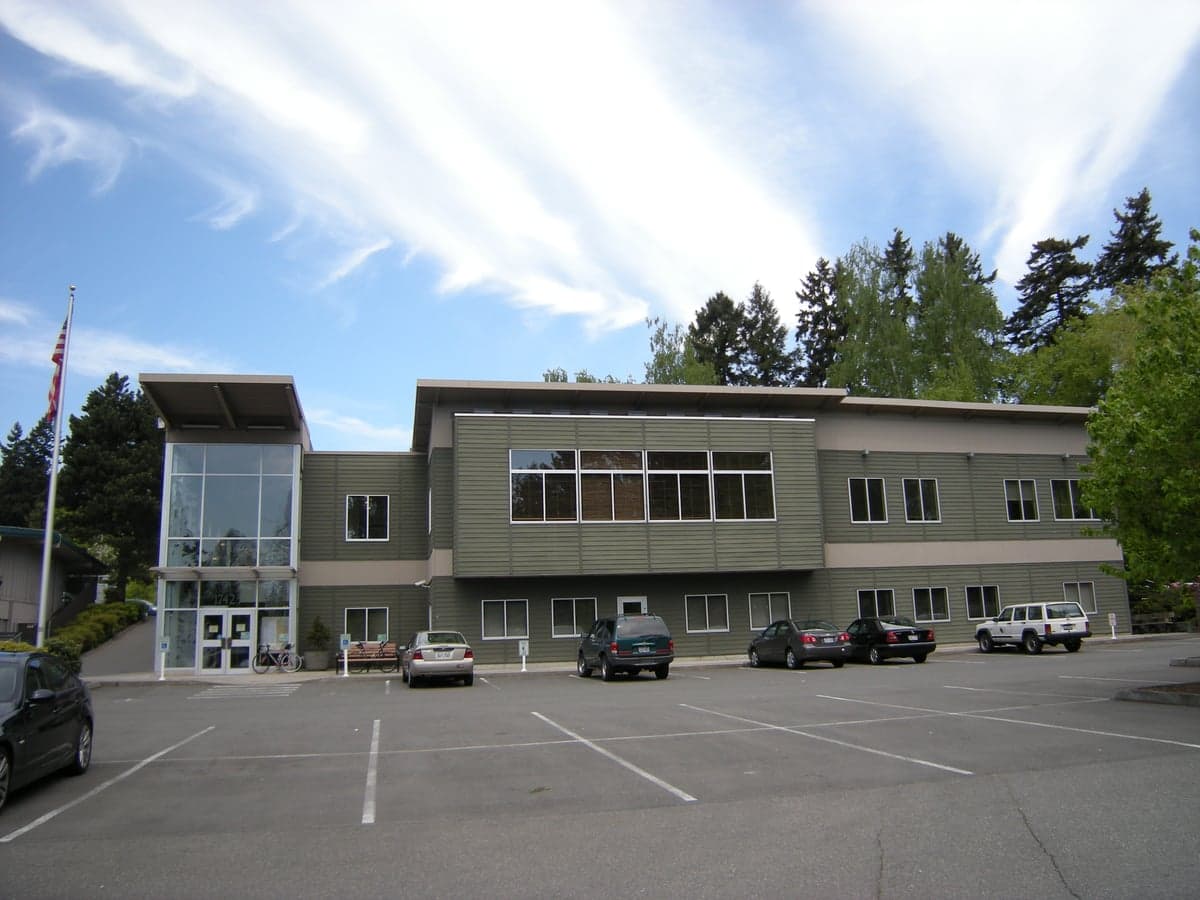
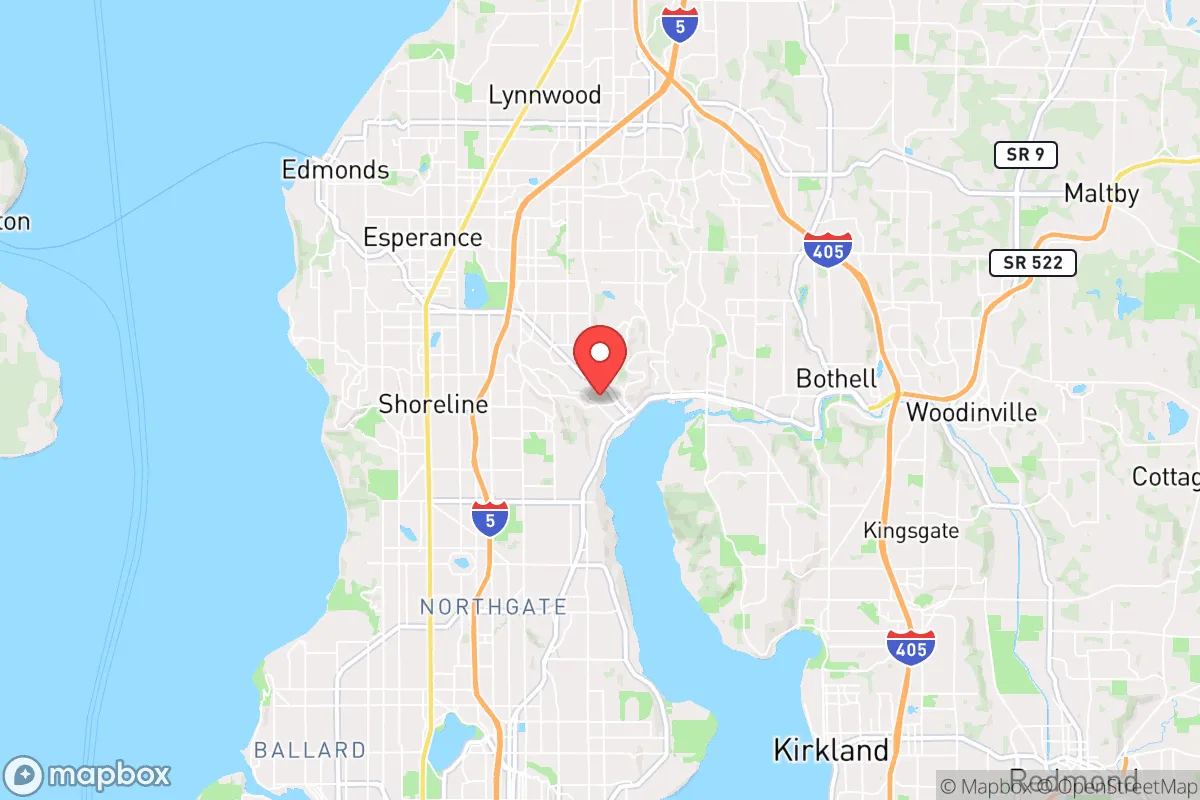
Photo: Wikipedia
Quality of Life in Lake Forest Park, WA
A high quality of life with strong walkability, manageable living costs, healthy neighborhood signals, and solid amenity access.
What does Quality of Life tell us?
Quality of Life blends cost of living, nearby amenities, socioeconomic signals, and neighborhood character. City-level scores represent the whole municipality; individual neighborhoods can differ.
What does this tell us?
Quality of Life blends cost of living, nearby amenities, socioeconomic signals, and neighborhood character. City-level scores represent the whole municipality; individual neighborhoods can differ.
Cost of Living
146% above national average
The Real Cost of Living in Lake Forest Park, WA for 2026
| Tier | Individual | Family (4) |
|---|---|---|
| Survival | $35k | $66k |
| Comfortable | $156k | $229k |
| Luxury | $228k+ | $353k+ |
| Elite (Top 5%) | $268k+ | $416k+ |
69%
The Area Signal
A metric tracking the socioeconomic signals of the area.
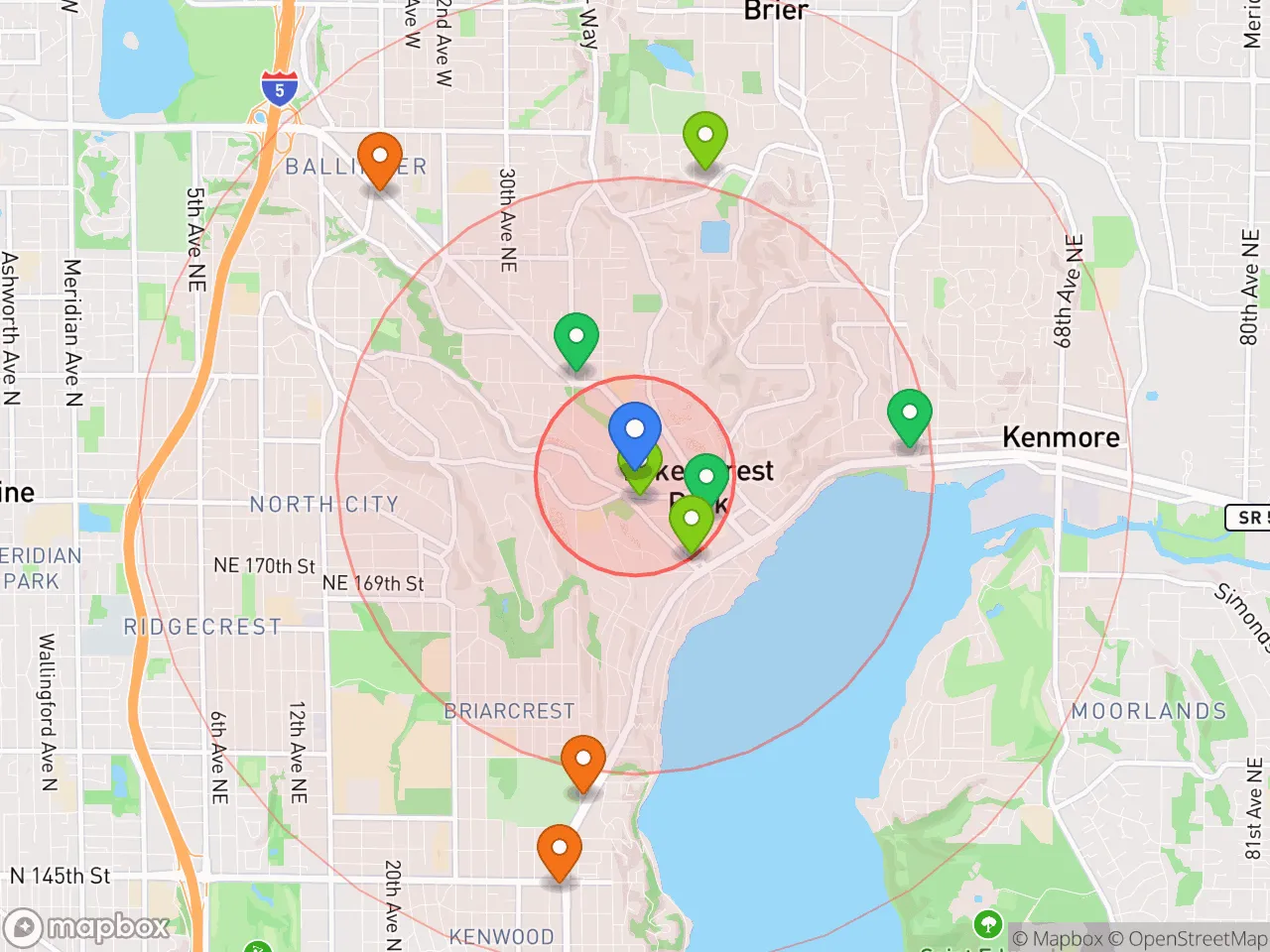
Hobbies
Explore the areaGroceries
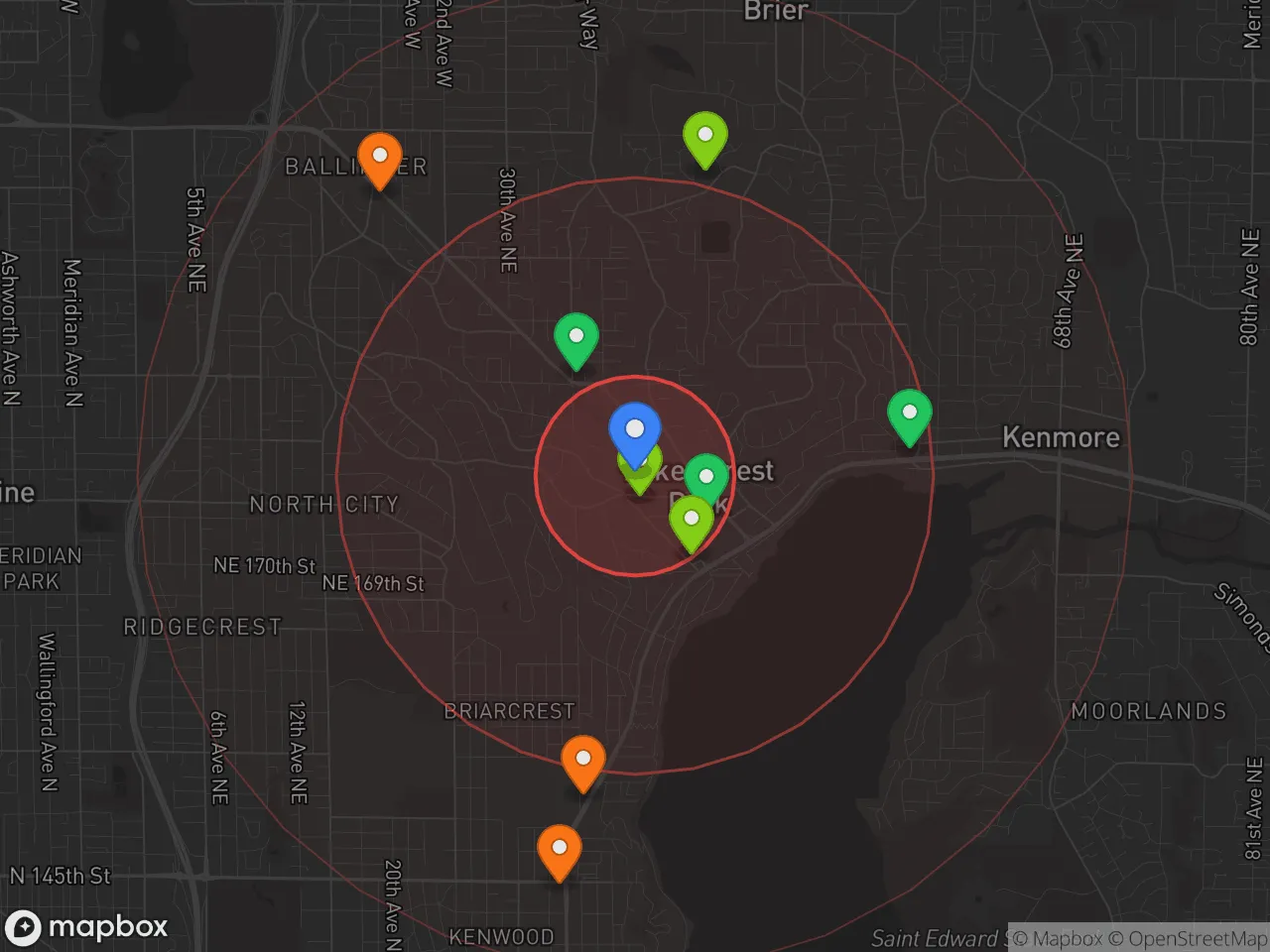
0 within 10 miles
Gas
0 within 10 miles
Hospital
0 within 20 miles
Airport
SEA — Seattle–Tacoma International
Post Office
Critical Amenities
Quality-of-Life Analysis
Lake Forest Park is an affluent, family-oriented suburb of Seattle known for its deep forest canopy, lakefront access, and a quiet, established residential character. The city’s cost of living index of 246 (more than double the U.S. average) reflects its desirability as a high-end enclave, attracting professionals, executives, and long-time residents who prioritize privacy, nature, and proximity to the city over urban nightlife or dense commercial districts.
Cost of living, housing prices, and affordability compared to nearby Seattle
Housing in Lake Forest Park is expensive but notably more affordable than in neighboring Shoreline or Seattle proper. The median home value sits at $928,700, while the median rent is $2,205 per month. For context, Seattle’s median home value exceeds $1.1 million, making Lake Forest Park a relative value for buyers seeking single-family homes on larger, wooded lots. Renters, however, face a tighter market: the $2,205 median rent is slightly below Shoreline’s average but still represents a significant monthly outlay. The overall cost of living index of 246 is driven primarily by housing and transportation costs. Property taxes in King County are moderate for the region, though homeowners should budget for ongoing maintenance of aging homes and extensive landscaping. Compared to nearby Bothell or Kenmore, Lake Forest Park offers less new construction but more established, mature neighborhoods with larger lots and greater privacy.
Schools, parks, and what daily life is like for families
Daily life in Lake Forest Park revolves around outdoor recreation, local schools, and small-scale community hubs. The city is served by the Shoreline School District, which includes highly rated schools like Lake Forest Park Elementary and Kellogg Middle School. Many families choose the area specifically for the district’s strong academic reputation and small class sizes. The city’s defining amenity is Lake Forest Park Towne Centre, a unique open-air mall with independent bookstores, a farmers market, and casual dining—serving as the de facto town square. For outdoor access, residents use the Burke-Gilman Trail, Lyon Creek, and the adjacent Saint Edward State Park for hiking, biking, and water activities. The average commute time of 28 minutes is manageable for a Seattle suburb, with most workers driving to jobs in downtown Seattle, Redmond, or Bellevue. Public transit options include King County Metro buses, though car ownership remains the norm. The pace of life is slower and quieter than in Seattle, with few chain retailers and no major nightlife—a trade-off that appeals strongly to families and remote workers.
Lake Forest Park is best suited for families, outdoor enthusiasts, and professionals who value space, nature, and strong schools over urban convenience. The high cost of entry and limited rental inventory mean it is less accessible to young singles or lower-income households. Those who can afford the premium will find a safe, green, and well-connected community with a distinctly suburban, woodsy character that feels far removed from the city despite being only 15 miles north of downtown Seattle.

Crime in Lake Forest Park, WA
Lower crime rates than 86% of comparable U.S. locations.
Violent CrimeViolent Crime Analysis
Property CrimeProperty Crime Analysis
Crime Analysis
Lake Forest Park, Washington, presents a starkly divided safety profile: its violent crime rate of 37.9 per 100,000 residents is remarkably low, but its property crime rate of 1,477.7 per 100,000 is significantly elevated. This places the city in a challenging position where residents enjoy relative personal safety while facing a high risk of theft, burglary, and vehicle-related crime. The city’s proximity to the Seattle metropolitan area and its location along the I-5 corridor contribute to these dynamics, as property crime often flows between jurisdictions.
Crime in context
Lake Forest Park’s violent crime rate is roughly 90% lower than the national average, making it one of the safer small cities in King County for violent offenses. However, its property crime rate is about 50% higher than the national average and tracks closely with the elevated rates seen across the broader Seattle metro area. This pattern is typical of affluent bedroom communities near large progressive cities: low interpersonal violence but chronic property crime driven by regional factors. The city’s reliance on the King County Sheriff’s Office for policing, combined with the county’s progressive prosecutorial policies under a reform-oriented District Attorney, means that property crime offenders often face minimal consequences. Repeat offenders are frequently cited and released, a direct outcome of a justice system that prioritizes decarceration and diversion over accountability. For residents, this translates into a frustrating cycle of theft and vandalism where police response is professional but prosecution is rare.
What residents experience
Daily life in Lake Forest Park is shaped by this contradiction. Residents report feeling safe walking their neighborhoods and using local parks, but they also describe a near-constant vigilance regarding car break-ins, package theft, and home burglaries. The city’s wooded, semi-rural character provides privacy but also cover for property crime. Vehicle theft and theft from vehicles are the most common complaints, particularly near the Lake Forest Park Towne Centre and along the Bothell Way corridor. The progressive judicial philosophy in King County means that even when suspects are arrested, they are often released on their own recognizance pending trial, a policy that directly increases the number of active offenders on the street. This approach, while sympathetic to the circumstances of offenders, undermines public safety by removing deterrence and allowing chronic property criminals to operate with near-impunity. For victims, the process can feel dismissive, as stolen property is rarely recovered and cases seldom proceed to meaningful prosecution.
Neighborhood-level variation is modest but notable. Areas closer to the city limits with Shoreline and Mountlake Terrace experience slightly higher property crime due to easier access for transient offenders. The more secluded lakefront and cul-de-sac neighborhoods see lower incident rates, though no area is immune from the regional property crime wave. The city’s low violent crime rate is a genuine asset, but the property crime burden, exacerbated by a lenient regional justice system, remains a significant quality-of-life concern for residents.
* Values derived from national, state, county, city and local statistics and may differ in a specific area. Last updated: 2026-11-15T00:14:09.000Z
Narrative content on this page is AI-generated and may contain mistakes. Verify any details that matter before acting on them.
ReloMaps may earn a commission from affiliate links at no extra cost to you.

