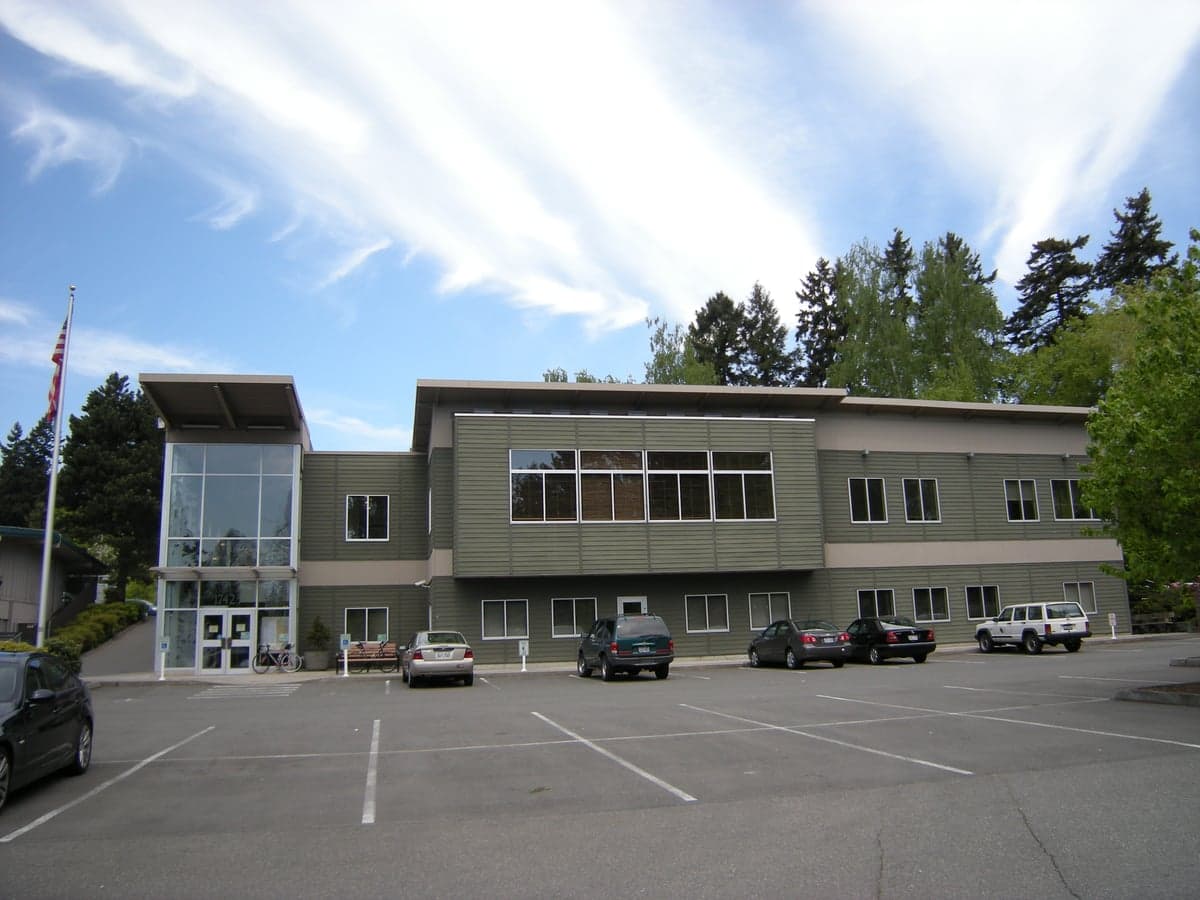
Photo: Wikipedia
Personal Sovereignty in Lake Forest Park, WA
Viable for self-reliance. Generally workable, though some barriers may limit total independence.
What does Personal Sovereignty tell us?
Personal Sovereignty measures your capacity for self-reliance and independence with minimal government friction. Higher scores mean fewer barriers between you and the way you want to live... but it assumes you have the space you need and good neighbors.
What does this tell us?
Personal Sovereignty measures your capacity for self-reliance and independence with minimal government friction. Higher scores mean fewer barriers between you and the way you want to live... but it assumes you have the space you need and good neighbors.
State Policy
Energy independence: Importer (29% of energy produced in-state)
Personal Liberty
Homesteading

Personal Liberty Analysis
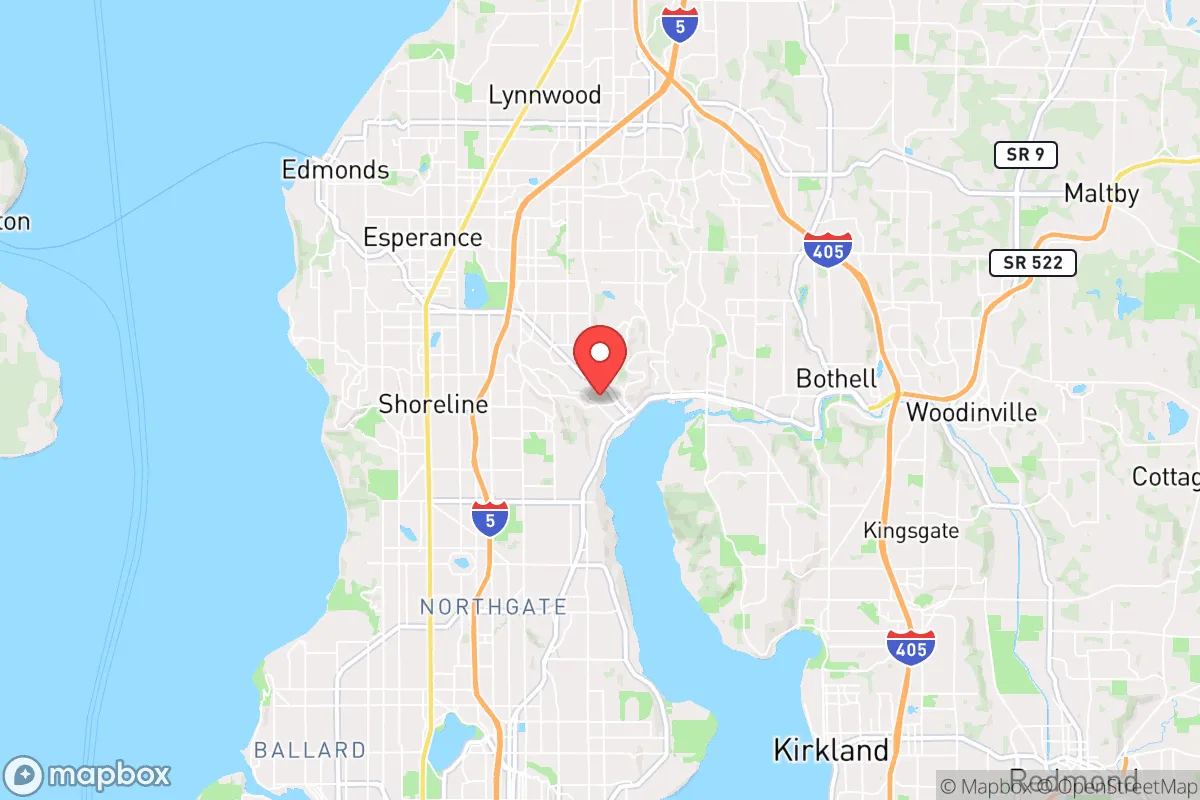
Lake Forest Park, Washington, presents a complex sovereignty picture for those prioritizing personal freedom, where the city’s local ordinances layer additional constraints onto an already heavily regulated state environment. Located just north of Seattle in King County, this small city of roughly 13,000 residents operates under Washington’s progressive state-level framework, which includes a state income tax on capital gains, a strict regulatory climate, and some of the nation’s most restrictive gun laws. For a conservative-leaning individual or family evaluating relocation, the autonomy environment here is best described as constrained at both the state and municipal levels, with limited room for self-directed living compared to jurisdictions in the eastern part of the state or across the border in Idaho.
Tax burden and regulatory posture in Lake Forest Park
Washington State’s tax structure is a mixed bag for sovereignty-minded residents: there is no personal income tax on wages, but the state imposes a 7% capital gains tax on profits exceeding $250,000 (enacted in 2021 and upheld by the state Supreme Court in 2023). Lake Forest Park residents also face King County’s property tax rates, which are among the highest in the state — the effective rate hovers around 0.93% of assessed value, and with median home values exceeding $800,000, annual tax bills often surpass $7,000. The regulatory posture is decidedly heavy-touch: Washington’s State Environmental Policy Act (SEPA) applies to most construction and land-use changes, and King County enforces strict stormwater management and tree-removal codes. Lake Forest Park adds its own layer with a municipal tree ordinance that requires permits for removing trees over six inches in diameter on private property, a rule that directly impacts a homeowner’s ability to manage their land without bureaucratic approval. For a family wanting to build a workshop, install solar panels, or clear brush, the permitting process can take months and involve multiple agencies.
Self-defense and gun law specifics in Washington State
Washington is a shall-issue state for concealed pistol licenses, but the legal environment for self-defense has tightened significantly in recent years. In 2023, the state enacted a ban on the manufacture, sale, and import of semiautomatic assault weapons (defined broadly to include many popular rifles like the AR-15), along with a ban on high-capacity magazines holding more than ten rounds. These laws are currently being challenged in federal court, but as of 2026 they remain in effect. Lake Forest Park itself does not have additional local gun ordinances beyond state law, but the city is located in King County, where the sheriff’s office has stated it will not proactively enforce certain state preemption violations — a posture that creates legal uncertainty for gun owners. Open carry of firearms is legal without a permit, but the state’s ban on carrying at public demonstrations and on public transit effectively limits where that right can be exercised. For a self-defense-minded individual, the practical takeaway is that Washington has moved toward a California-style regulatory framework, and Lake Forest Park offers no local buffer against these restrictions.
Self-reliance and homesteading viability: lot sizes, zoning, and off-grid feasibility
Lake Forest Park’s residential character is defined by its heavily wooded, suburban lots, with most parcels ranging from one-third to one-half acre — enough space for a substantial garden and small livestock like chickens, but not for larger animals or significant agricultural operations. The city’s zoning code permits backyard chickens (hens only, no roosters) and beekeeping with a permit, but prohibits goats, pigs, or any livestock beyond fowl. Off-grid living is effectively infeasible: all residences must connect to municipal water and sewer, and the city’s building code requires compliance with the Washington State Energy Code, which mandates specific insulation, window, and HVAC standards that make solar-only or wood-heat-only homes difficult to permit. Rainwater collection for potable use is legal but requires a complex permitting process through the Washington State Department of Health, and most homeowners find it impractical given the low cost of municipal water. For a family seeking true self-reliance — growing most of their own food, generating their own power, and managing their land without government interference — Lake Forest Park’s regulatory density and lot size constraints make it a poor fit. The city’s tree canopy protection ordinance further limits the ability to clear land for gardening or solar exposure, as removing trees to create open growing space requires a public hearing in many cases.
Personal liberties: parental rights, medical autonomy, speech, and property
Washington State law grants parents broad authority over their children’s education, including the right to homeschool without a teaching certificate, though the state requires annual testing and notification to the local school district. Lake Forest Park is served by the Shoreline School District, which has a generally cooperative relationship with homeschooling families, offering part-time enrollment and access to extracurricular activities. Medical autonomy is more restricted: Washington has a universal vaccine mandate for school attendance that allows only medical exemptions (no personal or religious exemptions), and the state’s 2023 “shield law” protects providers of gender-affirming care from out-of-state legal action, a policy that may concern parents who prioritize medical decision-making within the family. Free speech protections follow the Washington State Constitution, which is generally more protective of speech than the federal First Amendment, but the city’s noise ordinance and public assembly permitting requirements can create friction for political expression. Property rights are significantly constrained: in addition to the tree ordinance, the city’s shoreline management regulations (Lake Forest Park borders the northern end of Lake Washington) impose strict setback requirements and vegetation buffers on waterfront properties, limiting what owners can do with their land. The overall regulatory environment for personal liberties in Lake Forest Park is one of moderate-to-heavy oversight, with the state setting a baseline of intervention that the city occasionally tightens further.
Compared to other areas in the Pacific Northwest, Lake Forest Park ranks low on the personal sovereignty spectrum — roughly on par with Seattle suburbs like Shoreline or Bothell, but significantly more restrictive than jurisdictions in Snohomish County’s rural fringe or most of Eastern Washington. For a relocation-minded individual or family who prioritizes autonomy, the tradeoffs are clear: you gain access to a walkable, tree-lined community with strong public schools and proximity to Seattle’s job market, but you surrender substantial control over your property, your self-defense options, and your ability to live independently of government systems. The city’s regulatory density is not a moral failing — it reflects the deliberate choices of a community that values environmental protection and collective decision-making — but for a reader who views personal sovereignty as a primary relocation criterion, Lake Forest Park is likely a compromise rather than a destination. A more freedom-aligned alternative within Washington would be a rural county like Stevens or Ferry, where property taxes are lower, zoning is minimal, and the local political culture is more skeptical of state overreach.

* Values derived from national, state, county, city and local statistics and may differ in a specific area. Last updated: 2026-11-15T00:14:09.000Z
Narrative content on this page is AI-generated and may contain mistakes. Verify any details that matter before acting on them.
ReloMaps may earn a commission from affiliate links at no extra cost to you.

