
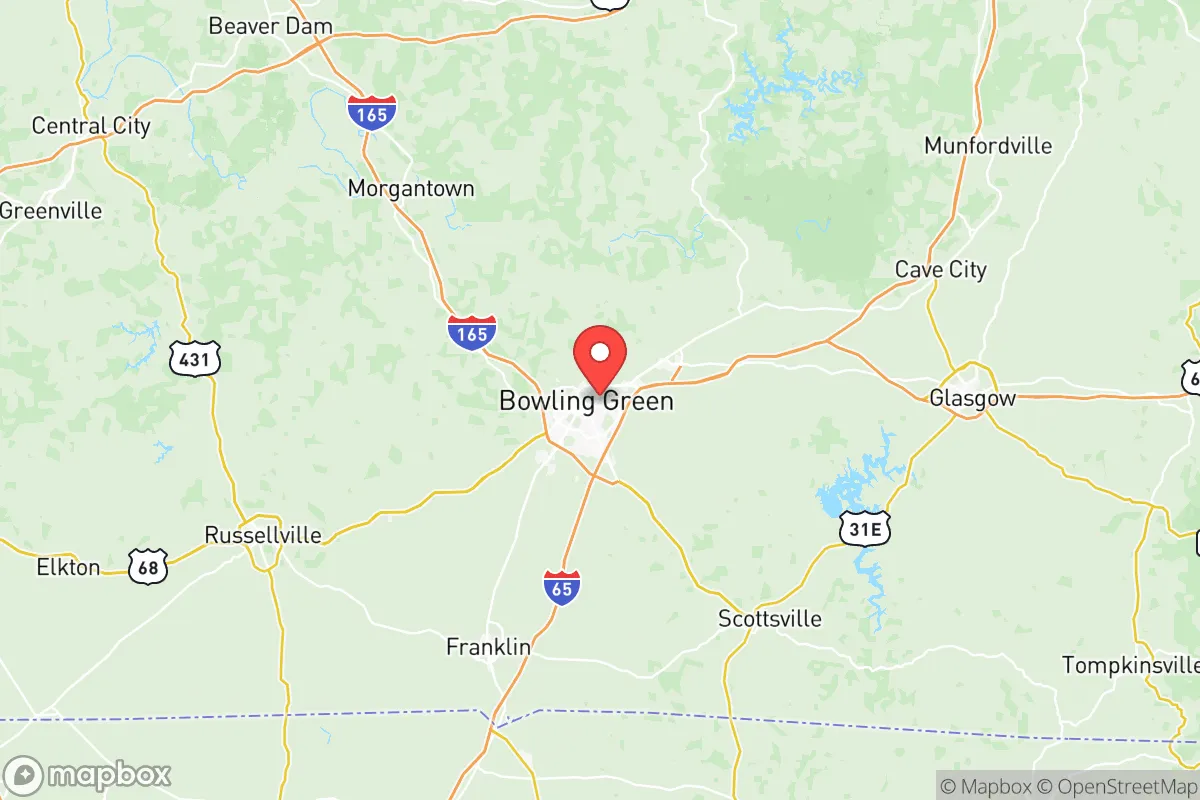
Photo: Wikipedia
Quality of Life in Warren County
A livable area that tracks near national norms for affordability, walkability, and neighborhood health.
What does Quality of Life tell us?
Quality of Life measures an area by evaluating factors like cost of living, nearby amenities, country club access, airport proximity, socioeconomic signals and neighborhood character. For large states, this is a general average — quality of life can vary dramatically between metro areas, suburbs, and rural communities within the same state.
What does this tell us?
Quality of Life measures an area by evaluating factors like cost of living, nearby amenities, country club access, airport proximity, socioeconomic signals and neighborhood character. For large states, this is a general average — quality of life can vary dramatically between metro areas, suburbs, and rural communities within the same state.
Cost of Living
16% below national average
94%
The Real Cost of Living in Warren County for 2026
| Tier | Individual | Family (4) |
|---|---|---|
| Survival | $15k | $29k |
| Comfortable | $47k | $69k |
| Luxury | $117k+ | $181k+ |
| Elite (Top 5%) | $145k+ | $224k+ |
Quality-of-Life Analysis
Warren County, Kentucky, offers a quality-of-life spectrum that ranges from the urban amenities of Bowling Green to the quiet, rural character of communities like Richardsville and Woodburn, attracting everyone from young professionals and students to retirees and farming families. The county’s overall cost of living index sits at 84 (16% below the national average), with a median home value of $242,600 and a median rent of $963, making it one of the more affordable regions in the state while still providing diverse lifestyle options. The average commute of just under 21 minutes means residents in even the most rural pockets can access the county’s job and entertainment hubs without a long drive.
Largest town(s) & population centers
Bowling Green is the county seat and the dominant population center, home to roughly 75,000 residents and the main engine of the local economy. Daily life here revolves around the presence of Western Kentucky University (WKU), the General Motors Corvette Assembly Plant, and a growing healthcare sector anchored by Med Center Health. The city offers a full slate of urban amenities—including the Greenwood Mall, a vibrant downtown square with restaurants and breweries, and the National Corvette Museum—while still maintaining a manageable size. Housing in Bowling Green is notably affordable for a college town, with median home values around $260,000 in desirable neighborhoods like Briarwood or Fairview, though newer subdivisions near the interstate can push above $350,000. The city’s school system, Bowling Green Independent Schools, is consistently rated among the top in the state, and the presence of WKU provides cultural events, Division I athletics, and a steady influx of young residents.
Smaller towns & rural pockets
Outside Bowling Green, the county’s smaller communities offer a markedly different pace. Plum Springs (population ~1,200) is a quiet bedroom community just south of the city, where residents enjoy larger lots and a slower rhythm while still being a 10-minute drive from downtown. Richardsville, in the county’s northern reaches, is a true rural crossroads with a handful of homes, a volunteer fire department, and farmland stretching to the horizon—ideal for those seeking privacy and acreage. Woodburn, near the Tennessee line, retains a small-town feel with its historic storefronts and annual community events, while Smiths Grove (population ~800) offers a classic Kentucky small-town experience with a preserved downtown and easy access to I-65. These areas are characterized by older, more affordable housing stock—often under $200,000 for a fixer-upper—and a strong sense of neighborly connection, but they lack the retail and dining options found in Bowling Green.
Cost & lifestyle range
The cost of living in Warren County varies significantly by location. At the higher end, Bowling Green’s newer subdivisions (e.g., Stonehenge or Highland Park) and lakefront properties near Barren River Lake can command $400,000–$600,000, with rents for a two-bedroom apartment often exceeding $1,200. At the lower end, rural areas like Richardsville or Woodburn offer homes for $150,000–$200,000, and rents in older duplexes or mobile homes can dip below $700. The lifestyle trade-off is clear: Bowling Green provides walkable neighborhoods, entertainment, and job density, while the rural pockets offer space, quiet, and lower property taxes (the county’s rate is about $0.12 per $100 of assessed value). For families, the choice often comes down to school districts—Warren County Public Schools serve the rural areas and smaller towns, while Bowling Green Independent Schools cover the city proper, each with distinct academic profiles.
Warren County’s diversity of settings means it can accommodate a wide range of preferences and budgets. Young professionals and students gravitate toward Bowling Green’s energy and amenities, while retirees and remote workers often choose the quieter towns like Smiths Grove or Plum Springs for their lower costs and slower pace. Families seeking good schools and a suburban feel find a balance in the neighborhoods just outside the city limits, and those prioritizing land and privacy thrive in the rural stretches near Richardsville or Woodburn. The county’s low commute times and below-average cost of living make it a practical choice for anyone who wants access to a regional hub without sacrificing the option of a rural lifestyle.

Crime in Warren County
Generally safer than 62% of comparable U.S. locations.
Violent CrimeViolent Crime Analysis
Property CrimeProperty Crime Analysis
Crime Analysis
Warren County, Kentucky, presents a mixed safety picture for potential residents. The county’s overall violent crime rate of 213.8 per 100,000 residents is notably lower than the national average, but its property crime rate of 1,279.9 per 100,000 sits slightly above the national benchmark. The most significant factor for newcomers to understand is the sharp contrast between the county’s largest city, Bowling Green, and its smaller, more rural communities, where crime rates can differ dramatically.
Crime in context
Warren County’s violent crime rate of 213.8 per 100,000 is roughly 39% lower than the national average of about 350 per 100,000, and it also undercuts the Kentucky state average of approximately 240 per 100,000. This positions the county as a relatively safe place in terms of serious offenses like homicide, rape, robbery, and aggravated assault. However, the property crime rate of 1,279.9 per 100,000 is about 10% higher than the national average of roughly 1,150 per 100,000. This means residents face a somewhat elevated risk of theft, burglary, and motor vehicle theft compared to the typical American community. The data suggests that while violent confrontations are less common, opportunistic property crime is a more pressing concern, particularly in areas with higher population density and commercial activity.
What residents experience
Daily life in Warren County varies significantly by location. Bowling Green, the county seat and home to Western Kentucky University, concentrates the majority of reported crime. The city’s downtown and areas near the university campus see higher rates of theft from vehicles, bicycle theft, and occasional alcohol-fueled disturbances. Residents in Bowling Green’s outer neighborhoods, such as those near the Greenwood Mall or along Scottsville Road, report more property crime related to retail theft and vehicle break-ins. In contrast, the smaller towns of Plum Springs, Smiths Grove, and Woodburn experience far fewer incidents. These communities are largely residential and agricultural, with crime typically limited to minor vandalism or isolated thefts. The county’s judicial system, overseen by the Warren County Commonwealth’s Attorney, generally takes a tough stance on violent offenders, but some residents express concern about progressive sentencing trends in Bowling Green’s city courts, which they feel can lead to repeat property crime offenders cycling back onto the streets more quickly.
Neighborhood-level variation
The most significant safety divide in Warren County is between the urban core of Bowling Green and the surrounding rural areas. Within Bowling Green itself, neighborhoods east of I-65, including the Fairview area, tend to have higher crime rates than the more affluent western neighborhoods near Rich Pond and Alvaton. The presence of Western Kentucky University introduces a transient population that can contribute to spikes in property crime during the academic year. For families seeking the lowest crime rates, the towns of Oakland and Rockfield are consistently among the safest, with violent crime rates approaching zero in many years. Prospective residents should also note that the county’s proximity to the Nashville metro area (about 65 miles south) means that some property crime is linked to regional theft rings, though this is less of a concern in the smaller, tight-knit communities. Overall, Warren County offers a safe environment for those who choose a rural or suburban lifestyle, while the city of Bowling Green requires standard urban precautions, especially regarding vehicle and home security.
* Values derived from national, state, county, city and local statistics and may differ in a specific area. Last updated: 2026-07-23T04:52:05.000Z
Narrative content on this page is AI-generated and may contain mistakes. Verify any details that matter before acting on them.
ReloMaps may earn a commission from affiliate links at no extra cost to you.

