
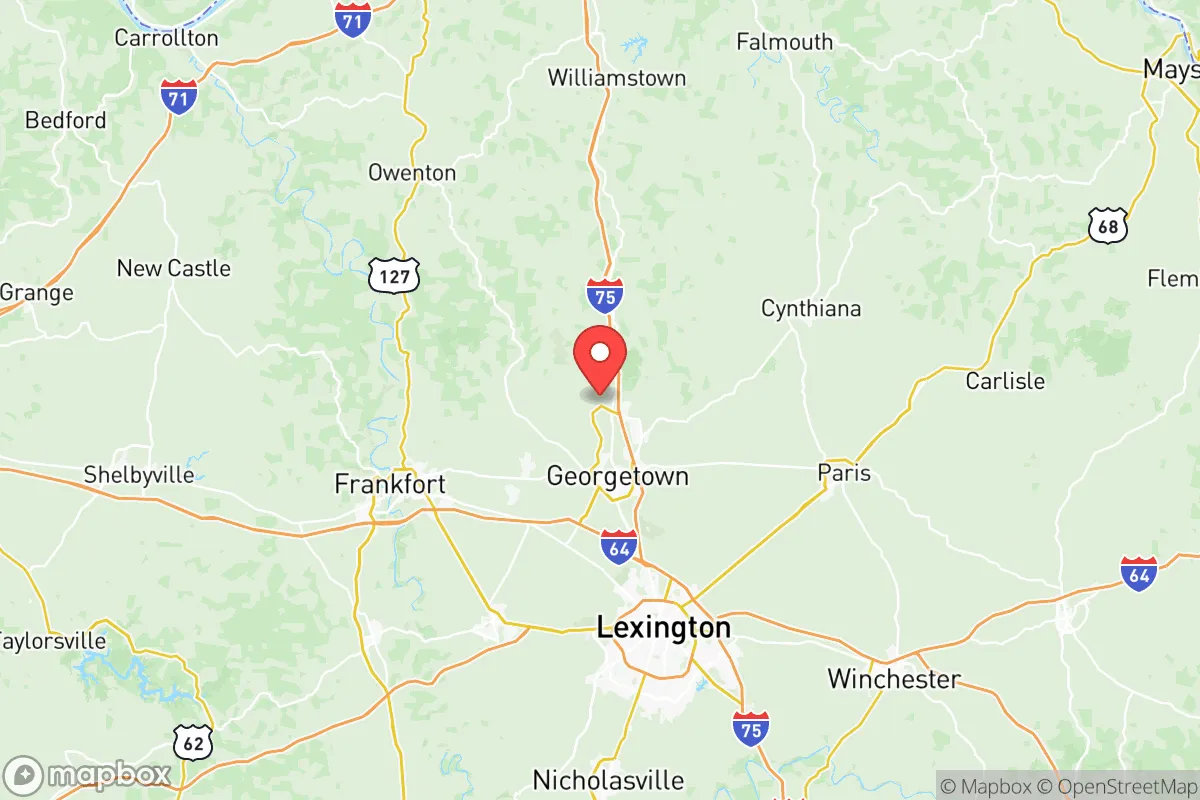
Photo: Wikipedia
Quality of Life in Scott County
A livable area that tracks near national norms for affordability, walkability, and neighborhood health.
What does Quality of Life tell us?
Quality of Life measures an area by evaluating factors like cost of living, nearby amenities, country club access, airport proximity, socioeconomic signals and neighborhood character. For large states, this is a general average — quality of life can vary dramatically between metro areas, suburbs, and rural communities within the same state.
What does this tell us?
Quality of Life measures an area by evaluating factors like cost of living, nearby amenities, country club access, airport proximity, socioeconomic signals and neighborhood character. For large states, this is a general average — quality of life can vary dramatically between metro areas, suburbs, and rural communities within the same state.
Cost of Living
2% below national average
111%
The Real Cost of Living in Scott County for 2026
| Tier | Individual | Family (4) |
|---|---|---|
| Survival | $19k | $35k |
| Comfortable | $51k | $75k |
| Luxury | $125k+ | $194k+ |
| Elite (Top 5%) | $147k+ | $229k+ |
Quality-of-Life Analysis
Scott County, Kentucky, offers a broad quality-of-life spectrum that ranges from the historic, walkable downtown of its largest city, Georgetown, to the quiet, unincorporated crossroads of communities like Stamping Ground and Sadieville. The county draws a diverse mix of residents, including Toyota Motor Manufacturing Kentucky employees seeking proximity to the plant, Lexington commuters looking for more space, and families or retirees who prefer the slower pace of rural living along the Elkhorn Creek corridor. With a cost-of-living index of 98 (just below the national average) and a median commute of roughly 22 minutes, the county balances small-town character with access to the Bluegrass region’s economic core.
Largest town(s) & population centers
Georgetown is the county seat and by far the largest population center, home to over 38,000 residents. Daily life here centers on a revitalized historic square with local restaurants, shops, and seasonal events like the Festival of the Horse. The city is also the site of the massive Toyota plant, which employs over 8,000 people and anchors the local economy. Georgetown offers a full range of amenities, including the Georgetown Community Hospital, multiple grocery chains, and the Royal Spring Park trail system. Housing options are diverse, from Victorian homes near the square to newer subdivisions in the northern and western parts of town. The median home value in the county is $264,200, and median rent is $1,181, making Georgetown more affordable than neighboring Lexington, where home values often exceed $300,000. The city’s public schools, part of Scott County Schools, are consistently rated above state averages, which is a primary draw for families.
Smaller towns & rural pockets
Outside of Georgetown, the county’s smaller communities offer distinctly different lifestyles. Stamping Ground, located about 10 miles north of Georgetown, is a small, unincorporated community with a historic general store and a strong agricultural identity. It has no stoplights and limited commercial services, appealing to those who want acreage and privacy. Sadieville, further north near the Scott-Grant county line, is another unincorporated community with a handful of homes and a volunteer fire department; it is essentially a rural crossroads. Oxford and Parkers Lake are additional rural pockets where land is more affordable and homes are often situated on multi-acre lots. These areas lack municipal utilities like public water and sewer in many cases, which lowers purchase prices but requires buyers to budget for well and septic systems. The trade-off is direct access to horse farms, cattle operations, and the Elkhorn Creek, a popular spot for canoeing and fishing.
Cost & lifestyle range
The cost of living and lifestyle options vary noticeably across Scott County. At the higher end, newer subdivisions in south Georgetown near I-75 and the Toyota plant command home prices often above $350,000, with quick commutes to Lexington (roughly 15 minutes) and access to the county’s best retail and dining. The median home value of $264,200 reflects this mix, but entry-level homes in older Georgetown neighborhoods or fixer-uppers in Stamping Ground can still be found in the $180,000–$220,000 range. At the lower end, rural Sadieville and northern Scott County offer land prices around $10,000–$15,000 per acre, and older mobile homes or small houses can be found for under $150,000. Renters pay a median of $1,181, with apartments in Georgetown commanding higher rates than scattered rental houses in the county’s rural areas. The average commute of 21.7 minutes is manageable across the county, though residents in northern Scott County face a longer drive to Georgetown’s grocery stores and medical facilities. Property taxes in Scott County are moderate, with a rate of roughly 0.85% of assessed value, which is lower than Fayette County’s 1.20%.
Scott County is best suited for people who want a clear choice between walkable small-city life and genuine rural living within a single county. Families and professionals who work at Toyota or commute to Lexington will find Georgetown’s schools and amenities a strong fit, while those seeking land, privacy, and a slower pace will gravitate toward Stamping Ground, Sadieville, or the Elkhorn Creek area. The county’s below-average cost of living and short commute times make it a practical alternative to more expensive parts of the Bluegrass region, though residents in the far northern reaches should be comfortable with a 25–30 minute drive to most services.

Crime in Scott County
Generally safer than 62% of comparable U.S. locations.
Violent CrimeViolent Crime Analysis
Property CrimeProperty Crime Analysis
Crime Analysis
Scott County, Kentucky, reports a violent crime rate of 212.6 incidents per 100,000 residents and a property crime rate of 1,275.5 per 100,000, placing it in a moderate safety tier relative to both state and national averages. While these figures indicate a lower likelihood of violent victimization than in many urban centers, the property crime rate warrants attention from prospective residents, particularly those considering areas near the county's primary commercial corridors. The overall safety picture is shaped by the county's dual identity as a growing suburban hub for Lexington and a collection of smaller, more rural communities with distinct crime profiles.
Crime in context
Scott County's violent crime rate of 212.6 per 100,000 sits notably below the national average of roughly 380 per 100,000, but it is slightly elevated compared to the Kentucky state average of approximately 230 per 100,000. Property crime in the county, at 1,275.5 per 100,000, is higher than both the state average (around 1,900 per 100,000) and the national average (approximately 1,950 per 100,000), meaning residents face a somewhat elevated risk of theft, burglary, and vehicle break-ins. These figures reflect a community where violent confrontations are relatively rare but opportunistic property offenses are a persistent concern, especially in areas with high foot traffic and commercial density. The county's proximity to Lexington, a larger metro area with its own crime challenges, contributes to some spillover effects, particularly along the I-75 corridor that runs through Georgetown and Sadieville.
What residents experience
Daily life in Scott County is generally safe, but the experience varies significantly by location. Georgetown, the county seat and largest city, accounts for the majority of reported incidents, with property crimes concentrated near the Toyota Motor Manufacturing plant, the Georgetown College campus, and the retail hubs along Paris Pike and Cherry Blossom Way. Residents in Georgetown's historic downtown and newer subdivisions like those off Delaney Ferry Road report fewer incidents than those living near apartment complexes close to the interstate. In contrast, Sadieville and Stamping Ground are smaller, more rural communities where crime rates are substantially lower, and residents often cite a strong sense of mutual watchfulness. Oxford and Parkers Lake, though tiny, benefit from low population density and limited commercial activity, which naturally suppresses both violent and property crime. The progressive judicial philosophy in the 18th Judicial Circuit, which covers Scott County, has raised concerns among some residents about lenient sentencing for repeat property offenders, contributing to a perception that the justice system prioritizes offender rehabilitation over public safety. This approach, while well-intentioned, can result in quicker returns of convicted criminals to the streets, undermining the deterrent effect of incarceration and increasing the risk of recidivism for victims and the broader community.
Neighborhood-level variation within Scott County is pronounced. The safest areas tend to be the outlying rural subdivisions and the newer developments on the county's western edge, where home values are higher and police response times are faster due to lower call volumes. Conversely, the areas immediately surrounding the I-75 exits in Georgetown, particularly near the outlet malls and the Toyota plant, see the highest concentration of property crimes, including vehicle break-ins and shoplifting. The Scott County Sheriff's Office and Georgetown Police Department maintain a visible presence, but the sheer volume of transient traffic along the interstate creates opportunities for crime that are difficult to eliminate entirely. For families and retirees seeking the lowest risk, the small towns of Sadieville and Stamping Ground offer the most secure environment, while those drawn to Georgetown's amenities should take standard precautions like securing vehicles and using home security systems, especially in denser residential zones.
* Values derived from national, state, county, city and local statistics and may differ in a specific area. Last updated: 2026-06-16T13:54:03.000Z
Narrative content on this page is AI-generated and may contain mistakes. Verify any details that matter before acting on them.
ReloMaps may earn a commission from affiliate links at no extra cost to you.

