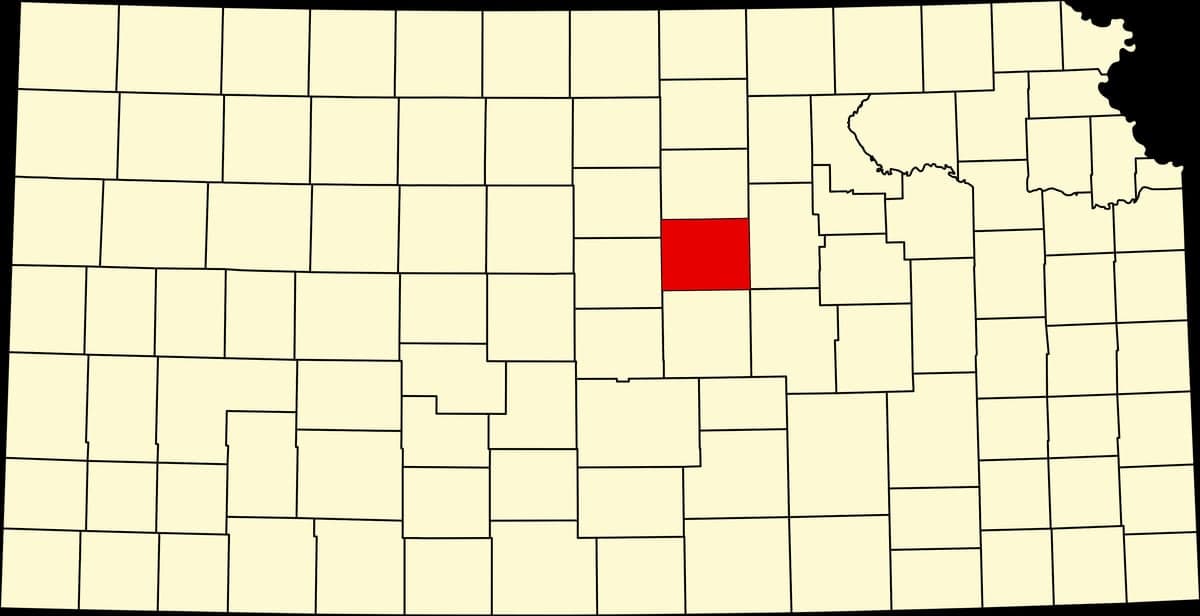
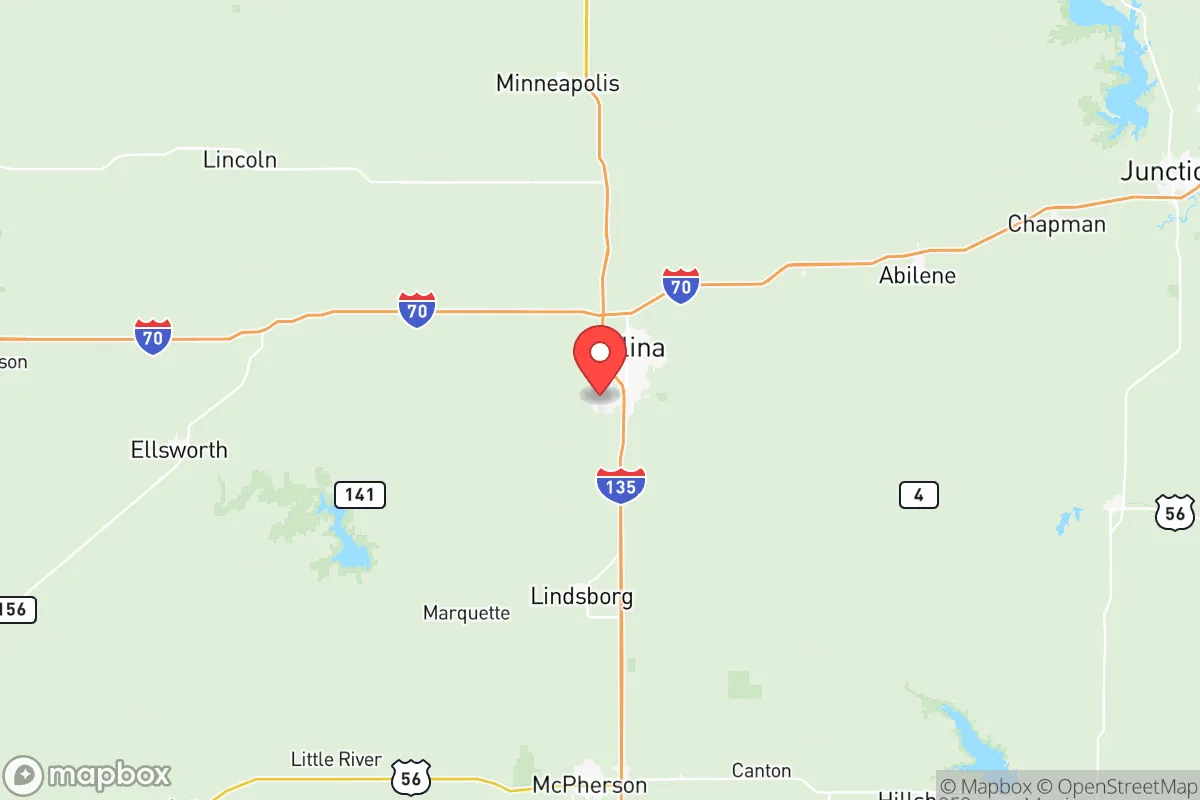
Photo: Wikipedia
Quality of Life in Saline County
A livable area that tracks near national norms for affordability, walkability, and neighborhood health.
What does Quality of Life tell us?
Quality of Life measures an area by evaluating factors like cost of living, nearby amenities, country club access, airport proximity, socioeconomic signals and neighborhood character. For large states, this is a general average — quality of life can vary dramatically between metro areas, suburbs, and rural communities within the same state.
What does this tell us?
Quality of Life measures an area by evaluating factors like cost of living, nearby amenities, country club access, airport proximity, socioeconomic signals and neighborhood character. For large states, this is a general average — quality of life can vary dramatically between metro areas, suburbs, and rural communities within the same state.
Cost of Living
28% below national average
129%
The Real Cost of Living in Saline County for 2026
| Tier | Individual | Family (4) |
|---|---|---|
| Survival | $15k | $27k |
| Comfortable | $33k | $49k |
| Luxury | $105k+ | $162k+ |
| Elite (Top 5%) | $123k+ | $191k+ |
Quality-of-Life Analysis
Saline County, Kansas, offers a spectrum of living environments that range from the regional hub of Salina to quiet unincorporated crossroads, attracting everyone from young professionals and military families to retirees and agricultural workers. The county’s character is defined by its central location along I-70 and the Smoky Hill River, with a cost of living index of 72—well below the national average of 100—making it a financially accessible choice for those seeking either urban amenities or rural solitude. The average commute of just over 15 minutes further reinforces the county’s appeal for those who want to separate work and home life without spending hours in traffic.
Largest town(s) & population centers
Salina is the undisputed population and economic center of Saline County, home to roughly 46,000 of the county’s 54,000 residents. Daily life here revolves around a mix of manufacturing, healthcare, and retail employment, anchored by major employers like Schwan’s Company, Exide Technologies, and the Salina Regional Health Center. The town offers a walkable downtown with local restaurants and shops, a regional airport, and cultural venues such as the Stiefel Theatre for the Performing Arts. Families are drawn to the Salina USD 305 school district, which includes multiple elementary schools and two public high schools, while Kansas State University’s Salina Aerospace and Technology Campus provides a four-year degree option. The median home value in Salina sits at $171,900, and median rent is $915, making homeownership attainable for many first-time buyers. Traffic is minimal, and the average commute of 15 minutes means most residents can reach work, groceries, or entertainment in under 20 minutes.
Smaller towns & rural pockets
Outside Salina, the county’s smaller communities offer a quieter, more agrarian pace. Gypsum, about 12 miles southeast of Salina, is a village of roughly 400 people with a historic downtown and a strong sense of community centered on the local school and church. Brookville, 10 miles west of Salina along I-70, is even smaller—population around 260—and serves as a bedroom community for Salina commuters who want acreage without a long drive. Assaria, just south of Salina, is a tiny unincorporated area with a handful of homes and a post office, appealing to those who want to be near town but not in it. The rural pockets between these towns are dominated by wheat fields, cattle operations, and scattered farmsteads, where residents often own 5–20 acres and rely on well water and septic systems. These areas lack municipal services like trash pickup or streetlights, but property taxes are lower, and the cost of living index of 72 reflects the savings on housing and utilities.
Cost & lifestyle range
The cost of living in Saline County varies noticeably between Salina and the outlying areas. In Salina, a typical three-bedroom home near the city center might sell for $160,000–$190,000, while a comparable home on a half-acre lot in Gypsum or Brookville could be $130,000–$150,000. Rent follows a similar pattern: a two-bedroom apartment in Salina averages $915, whereas a rental house in Assaria or rural Saline County might go for $700–$800. At the high end of the lifestyle spectrum, Salina offers amenities like the Salina Family YMCA, multiple grocery stores (including a natural foods co-op), and a hospital with specialized care. At the low end, rural residents trade those conveniences for privacy, lower taxes, and the ability to keep livestock or garden on larger lots. The average commute of 15 minutes means even those living in the farthest corners of the county—like the area near the Saline-Ottawa county line—can reach Salina in under 25 minutes, blurring the line between rural and urban living.
Saline County is best suited for people who value affordability and short commutes but want the option of either small-city amenities or genuine rural quiet. Young families and first-time homebuyers find the median home value of $171,900 and low cost of living index of 72 especially attractive, while retirees and remote workers appreciate the slower pace of Gypsum or Brookville. The county’s mix of I-70 access, a regional airport, and a 15-minute average commute makes it a practical choice for anyone who needs to stay connected without sacrificing space or budget.

Crime in Saline County
Crime rates similar to the national median for U.S. locations.
Violent CrimeViolent Crime Analysis
Property CrimeProperty Crime Analysis
Crime Analysis
Saline County, Kansas, presents a mixed safety picture where property crime rates significantly exceed national averages while violent crime remains closer to state norms. The county's 2024 violent crime rate of 448.9 per 100,000 residents is roughly 22% higher than the national average, though it aligns closely with Kansas's statewide rate of approximately 430 per 100,000. Property crime, however, is a more pressing concern, with a rate of 1,811.9 per 100,000—about 30% above the national figure and notably higher than the Kansas average of roughly 2,500 per 100,000. These numbers place Saline County in a moderate-risk category for violent offenses but a higher-risk category for theft, burglary, and vehicle-related crimes.
Crime in context
When compared to Kansas's broader crime landscape, Saline County's violent crime rate is elevated but not extreme. The county's rate of 448.9 per 100,000 is higher than the state's overall rate of about 430 per 100,000, but it remains well below the rates seen in larger urban counties like Sedgwick (Wichita area) or Wyandotte (Kansas City area), which often exceed 600 per 100,000. Property crime in Saline County, at 1,811.9 per 100,000, is actually lower than the Kansas state average of roughly 2,500 per 100,000, though still above the national benchmark of about 1,400 per 100,000. This suggests that while theft and burglary are common, they are not as pervasive as in some other parts of the state. The county's crime profile is typical of a semi-rural area with a small city core—Salina, the county seat and largest city, accounts for the majority of reported incidents, while smaller towns like Brookville, Gypsum, and New Cambria report far fewer crimes.
What residents experience
Residents of Saline County most frequently encounter property crimes, particularly theft from vehicles and burglaries of unoccupied homes or storage units. The county's property crime rate of 1,811.9 per 100,000 translates to roughly 1 in 55 residents experiencing a property crime annually. Violent crimes, while less common, are concentrated in specific areas—primarily in Salina's downtown and near the Interstate 70 corridor, where transient populations and late-night activity contribute to higher rates of assault and robbery. The Saline County District Attorney's office, which prosecutes cases in the 28th Judicial District, has historically taken a moderate approach to sentencing, but concerns persist among residents about progressive policies that may prioritize rehabilitation over incarceration. Critics argue that such approaches, while well-intentioned, can lead to repeat offenses and undermine public safety, particularly in a county where property crime is already elevated. For example, the DA's office has implemented diversion programs for first-time property offenders, which some residents feel do not adequately deter future crime.
Neighborhood-level variation is significant in Saline County. The safest areas are generally the outlying rural communities and the newer subdivisions on Salina's west side, such as those near Lakewood Park and Indian Rock Park. These neighborhoods report violent crime rates below 200 per 100,000 and property crime rates under 1,000 per 100,000. In contrast, older neighborhoods near downtown Salina, particularly around Ash Street and Iron Avenue, see violent crime rates exceeding 600 per 100,000 and property crime rates above 2,500 per 100,000. The city of Assaria, a small town of about 500 residents, consistently reports the lowest crime rates in the county, with zero violent crimes and only a handful of property crimes annually. For prospective residents, choosing a home in the western or southern parts of Salina, or in one of the smaller surrounding towns, significantly reduces the likelihood of becoming a crime victim. The county's overall safety profile is manageable with standard precautions—locking vehicles, securing outbuildings, and avoiding high-crime areas after dark—but the elevated property crime rate warrants attention, especially for those moving from areas with lower theft rates.
* Values derived from national, state, county, city and local statistics and may differ in a specific area. Last updated: 2026-07-12T12:41:03.000Z
Narrative content on this page is AI-generated and may contain mistakes. Verify any details that matter before acting on them.
ReloMaps may earn a commission from affiliate links at no extra cost to you.

