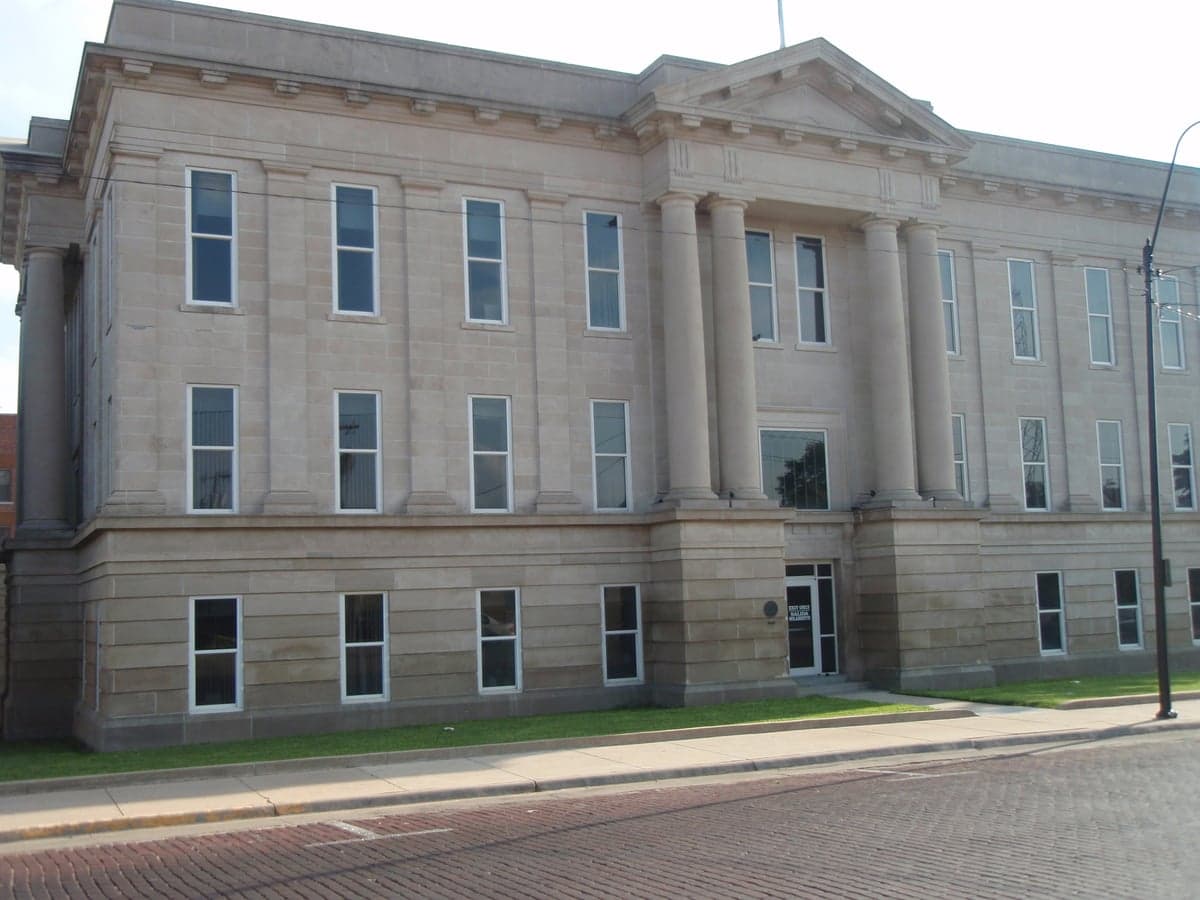
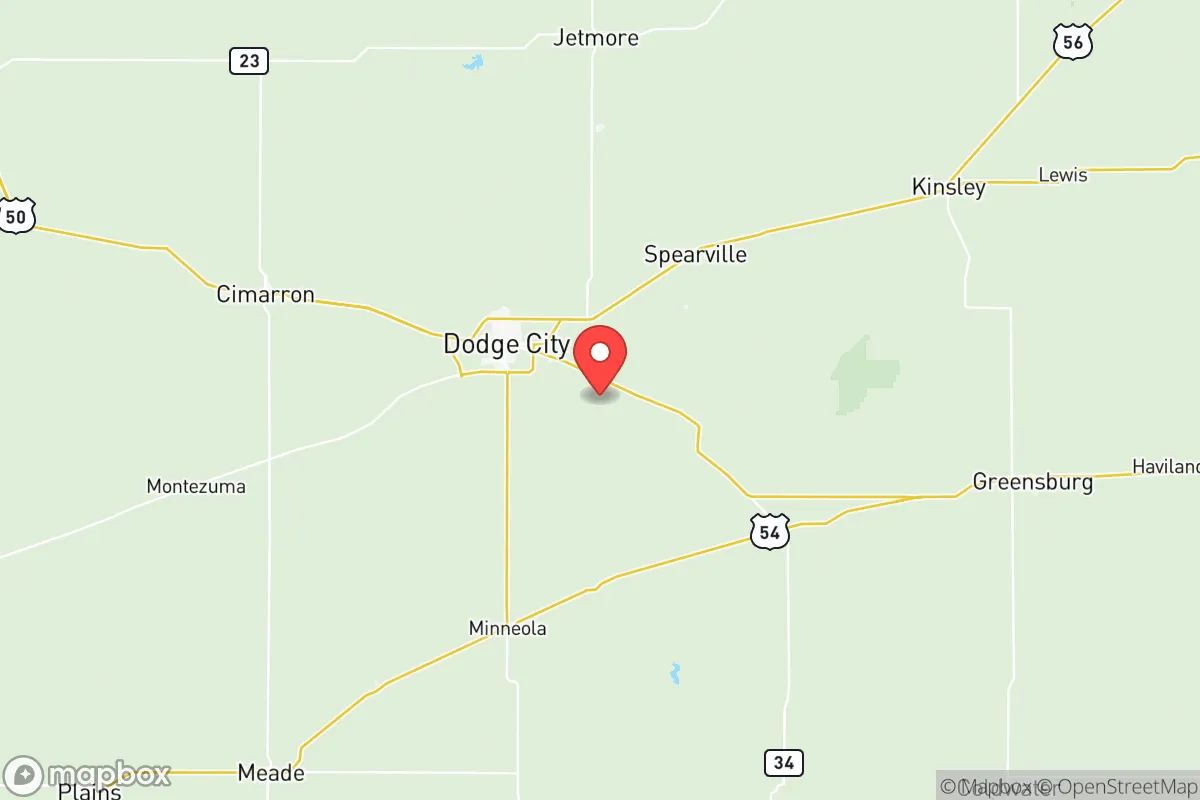
Photo: Wikipedia
Quality of Life in Ford County
A livable area that tracks near national norms for affordability, walkability, and neighborhood health.
What does Quality of Life tell us?
Quality of Life measures an area by evaluating factors like cost of living, nearby amenities, country club access, airport proximity, socioeconomic signals and neighborhood character. For large states, this is a general average — quality of life can vary dramatically between metro areas, suburbs, and rural communities within the same state.
What does this tell us?
Quality of Life measures an area by evaluating factors like cost of living, nearby amenities, country club access, airport proximity, socioeconomic signals and neighborhood character. For large states, this is a general average — quality of life can vary dramatically between metro areas, suburbs, and rural communities within the same state.
Cost of Living
32% below national average
185%
The Real Cost of Living in Ford County for 2026
| Tier | Individual | Family (4) |
|---|---|---|
| Survival | $15k | $29k |
| Comfortable | $26k | $38k |
| Luxury | $103k+ | $159k+ |
| Elite (Top 5%) | $121k+ | $188k+ |
Quality-of-Life Analysis
Ford County, Kansas, offers a quality-of-life spectrum that ranges from the regional hub of Dodge City to unincorporated crossroads and open-range farmland, attracting everyone from healthcare and agribusiness professionals to retirees seeking low property taxes and workers in the meatpacking and logistics sectors. The county’s character shifts noticeably across its 1,099 square miles: the eastern half around Dodge City provides concentrated retail, dining, and employment, while the western and southern reaches offer deep quiet and wide-open spaces. With a cost-of-living index of 68 (well below the national average of 100), a median home value of $132,700, and a remarkably short average commute of just under 13 minutes, the county delivers affordability and convenience that few other regions can match.
Largest town(s) & population centers
Dodge City, the county seat and the largest city in southwestern Kansas, anchors the county with a population of roughly 27,000. Daily life here revolves around the National Beef Packing Company plant, the Ford County Medical Center, and a growing logistics corridor along US-50 and US-283. Residents have access to a Walmart Supercenter, a regional hospital, Dodge City Community College, and the Boot Hill Casino & Resort. The downtown area, centered on Gunsmoke Street, has seen reinvestment in boutique shops and the historic Depot Theater. Housing options range from older bungalows near the Arkansas River to newer subdivisions on the city’s north side, with median rents around $960 and home values well below state averages. The city’s school district, USD 443, is the largest in the county and offers bilingual programs reflecting a significant Hispanic population. Spearville, about 12 miles east of Dodge City, is a smaller but notable population center with roughly 800 residents, anchored by the Spearville Wind Energy Project and a strong agricultural base.
Smaller towns & rural pockets
Beyond the main population centers, Ford County contains several smaller communities that offer a quieter, more agrarian lifestyle. Bucklin, located about 15 miles west of Dodge City along US-400, has a population near 800 and serves as a service point for surrounding wheat and cattle operations. It has a small grocery store, a post office, and a K-12 school district (USD 443) that draws families from outlying farms. Ford, the county’s namesake town, sits roughly 10 miles east of Dodge City and is a compact unincorporated community with a few dozen homes, a grain elevator, and the historic Ford County Lake. Wright, a tiny unincorporated hamlet on US-50 near the Gray County line, consists of a handful of residences and a truck stop. The most rural pockets lie in the county’s far southwest corner, where sections of land are divided into quarter-sections of dryland wheat and pasture, with the nearest neighbor often a mile or more away. These areas lack municipal water and sewer, relying on private wells and septic systems, but offer absolute privacy and minimal property taxes.
Cost & lifestyle range
The cost-of-living spread across Ford County is narrow but meaningful. At the low end, rural properties in the unincorporated areas around Wright and Ford can be purchased for under $80,000, with annual property taxes often below $1,200. Renters in these areas are scarce, as most housing is owner-occupied. At the higher end, newer homes in Dodge City’s Northridge Estates or Prairie Hills subdivisions list between $250,000 and $350,000, still far below national medians. The median home value countywide of $132,700 means a typical mortgage payment (at 2026 rates) is around $900 per month, often less than rent. Utility costs are moderate, though summer cooling bills for larger homes can spike due to the semi-arid climate. Amenities thin out rapidly outside Dodge City: Bucklin has a single gas station and a Dollar General, while Spearville has a small library and a park but no full-service grocery. Residents in the rural pockets typically drive 15–25 minutes to Dodge City for groceries, medical appointments, and school activities. The average commute of under 13 minutes reflects the fact that most workers live within a short drive of their jobs, whether in the packing plants, the wind farms, or the county’s school and government offices.
Ford County is best suited for individuals and families who prioritize low housing costs, short commutes, and a straightforward, land-based lifestyle over urban density and cultural variety. Retirees on fixed incomes, young families buying their first home, and agricultural workers seeking affordable acreage will find the county’s spectrum of options—from the modest amenities of Dodge City to the solitude of a Wright farmstead—accommodating. Those who require walkable neighborhoods, frequent public transit, or a wide range of entertainment will likely find the county too limited, but for anyone comfortable with a car-dependent, community-oriented existence, Ford County delivers exceptional value.

Crime in Ford County
Crime rates similar to the national median for U.S. locations.
Violent CrimeViolent Crime Analysis
Property CrimeProperty Crime Analysis
Crime Analysis
Ford County, Kansas, presents a mixed safety picture with violent crime rates significantly above both state and national averages, while property crime rates also exceed typical benchmarks. The county, anchored by the city of Dodge City, recorded a violent crime rate of 448.9 per 100,000 residents and a property crime rate of 1,811.9 per 100,000, according to the most recent data. These figures place Ford County among the higher-crime areas in western Kansas, though the nature and distribution of crime vary considerably between the urban core of Dodge City and the surrounding rural communities like Spearville, Bucklin, and Minneola.
Crime in context
Ford County's violent crime rate of 448.9 per 100,000 is roughly 23% higher than the national average and substantially above the Kansas state average of approximately 330 per 100,000. Property crime in the county, at 1,811.9 per 100,000, also exceeds the national benchmark of roughly 1,950 per 100,000 but sits closer to the state average. The disparity between Ford County and safer neighboring jurisdictions is notable: Gray County to the east and Clark County to the south both report violent crime rates below 200 per 100,000, making the contrast stark for residents considering relocation within the region. The elevated rates in Ford County are heavily concentrated in Dodge City, where population density, transient labor in the meatpacking industry, and socioeconomic pressures drive higher incident numbers.
What residents experience
Residents of Ford County report that property crimes—particularly theft, burglary, and vehicle break-ins—are the most common safety concerns in daily life. Dodge City, as the county seat and economic hub, accounts for the majority of these incidents, with the downtown corridor and areas near the meatpacking plants seeing higher activity. Violent crime, while less frequent, includes aggravated assault as the dominant category, often tied to domestic disputes or alcohol-related altercations. The judicial environment in Ford County operates under a conservative-leaning district attorney's office in the 16th Judicial District, which generally takes a firm stance on prosecution. This contrasts with more progressive jurisdictions in larger Kansas cities like Wyandotte County (Kansas City) or Douglas County (Lawrence), where reform-oriented district attorneys have implemented policies such as reduced charging for certain nonviolent offenses and alternative sentencing programs. In those areas, critics argue that progressive prosecution approaches have contributed to rising recidivism and a perception of leniency that emboldens offenders. Ford County's more traditional approach means that convicted offenders are more likely to face incarceration, which some residents view as a deterrent that keeps crime from escalating further.
Neighborhood-level variation
Safety within Ford County is not uniform. The rural towns of Spearville, Bucklin, and Minneola report significantly lower crime rates than Dodge City, with many of these communities experiencing fewer than a handful of violent crimes annually. Within Dodge City itself, the western residential neighborhoods and newer subdivisions near the high school tend to have lower incident rates than the older central and eastern parts of town near the railroad tracks and industrial zones. The area around the Dodge City Community College campus is generally considered safer due to campus security presence and lower population density. For prospective residents, choosing a home in the outlying towns or the western side of Dodge City can meaningfully reduce exposure to the county's higher crime rates, while still providing access to the employment and services concentrated in the county seat.
* Values derived from national, state, county, city and local statistics and may differ in a specific area. Last updated: 2026-07-15T06:29:06.000Z
Narrative content on this page is AI-generated and may contain mistakes. Verify any details that matter before acting on them.
ReloMaps may earn a commission from affiliate links at no extra cost to you.

