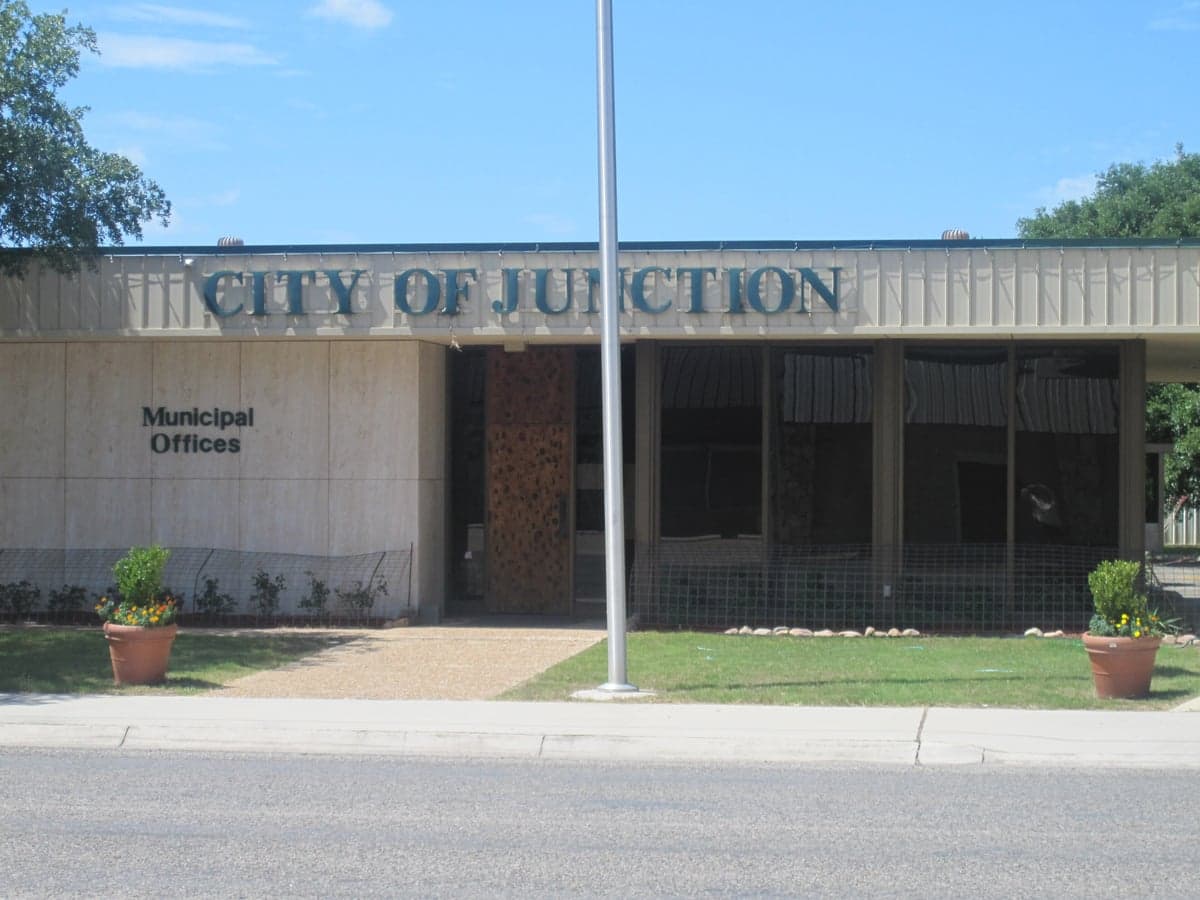
Photo: Wikipedia
Quality of Life in Junction, TX
Above-average quality of iife. The area offers a reasonable cost of living, decent mobility, and a mix of neighborhood amenities.
What does Quality of Life tell us?
Quality of Life blends cost of living, nearby amenities, socioeconomic signals, and neighborhood character. City-level scores represent the whole municipality; individual neighborhoods can differ.
What does this tell us?
Quality of Life blends cost of living, nearby amenities, socioeconomic signals, and neighborhood character. City-level scores represent the whole municipality; individual neighborhoods can differ.
Cost of Living
40% below national average
The Real Cost of Living in Junction, TX for 2026
| Tier | Individual | Family (4) |
|---|---|---|
| Survival | $12k | $23k |
| Comfortable | $28k | $42k |
| Luxury | $93k+ | $145k+ |
| Elite (Top 5%) | $113k+ | $176k+ |
124%
The Area Signal
A metric tracking the socioeconomic signals of the area.
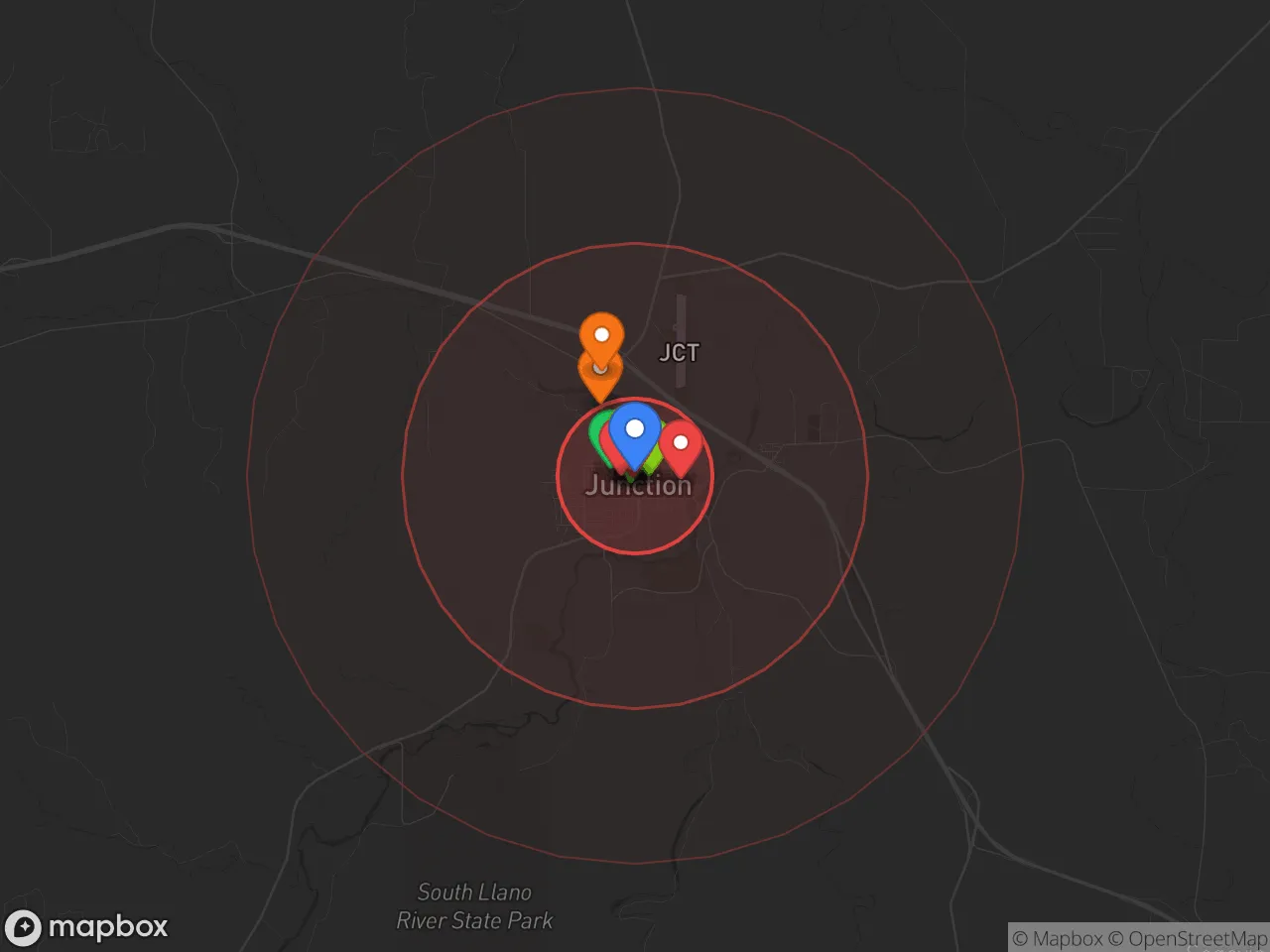
Hobbies
Explore the areaGroceries
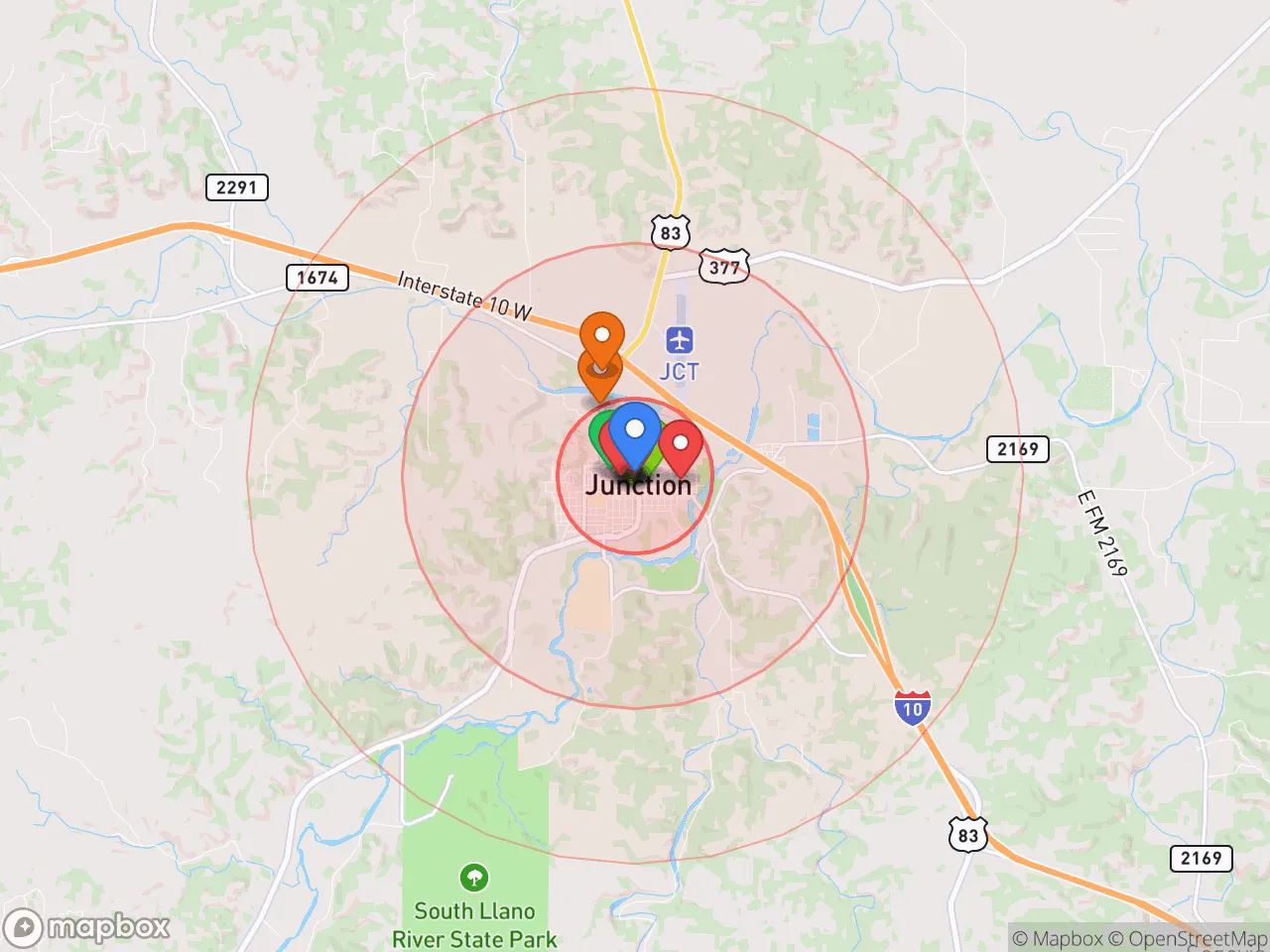
0 within 10 miles
Gas
16 within 10 miles
Hospital
1 within 20 miles
Airport
SAN — San Angelo Regional
Post Office
USPS — Junction, TX
Critical Amenities
Quality-of-Life Analysis
Junction, Texas, is a low-cost, rural community in the Hill Country where the population skews older and more economically modest than the state average, with a cost of living index of 60—40% below the U.S. norm. The area attracts retirees, outdoor enthusiasts, and workers in regional healthcare and education who prioritize space and quiet over urban amenities. With a median household income around $38,000, Junction is not affluent by national standards, but its low expenses allow many residents to live comfortably on modest earnings.
Cost of living and housing affordability compared to nearby towns
Junction’s housing market is among the most affordable in the Hill Country, with a median home value of $146,100 and a median rent of $766—roughly half the cost of homes in Kerrville (median ~$280,000) and a third of those in Fredericksburg. The cost of living index of 60 means everyday expenses like groceries, utilities, and transportation are significantly cheaper than the national average. A typical mortgage payment on a median-priced home, assuming a 6.5% rate and 20% down, runs about $740 per month, well below the state median. Renters face a tight market with limited inventory, but the low rent burden (around 24% of median household income) keeps housing stress minimal for most. The average commute of 26.7 minutes is longer than in many small towns, reflecting the spread-out nature of the county and the need to drive to Kerrville or San Angelo for some jobs and services.
Local amenities, schools, and what daily life feels like
Daily life in Junction revolves around the Kimble County Independent School District, which serves roughly 500 students across one elementary, one middle, and one high school—all rated B or above by the Texas Education Agency. The town’s commercial core along Main Street includes a grocery store, a hardware store, a pharmacy, and a handful of locally owned restaurants and cafes. For healthcare, residents rely on Kimble Hospital, a critical-access facility with an emergency room and basic inpatient care; specialists require a 45-minute drive to Kerrville. Outdoor recreation is the primary draw: the South Llano River runs through town, offering swimming, tubing, and fishing at South Llano River State Park, while the nearby Hill Country trails attract hikers and mountain bikers. There is no major shopping mall or entertainment venue—residents travel to Kerrville (45 miles east) or San Angelo (75 miles north) for big-box retail, movie theaters, and chain dining. The pace is slow, with community events like the annual Kimble County Livestock Show and the Fourth of July celebration serving as social anchors.
Junction is best suited for retirees, remote workers, and families who value low costs, outdoor access, and a tight-knit community over career opportunities or urban amenities. Young professionals and those in specialized fields will likely find the job market too limited, with the largest employers being the school district, the hospital, and county government. For anyone seeking a quiet, affordable base with strong natural surroundings and a forgiving cost of living, Junction offers a genuine Hill Country lifestyle at a fraction of the price of its more famous neighbors.

Crime in Junction, TX
Lower crime rates than 96% of comparable U.S. locations.
Violent CrimeViolent Crime Analysis
Property CrimeProperty Crime Analysis
Crime Analysis
Junction, Texas, is a notably safe rural community, with crime rates far below both state and national averages. The town’s violent crime rate stands at just 39.9 incidents per 100,000 residents, and its property crime rate is 239.6 per 100,000, making it one of the lower-crime areas in Kimble County and the broader Hill Country region.
Crime in context
To understand Junction’s safety, it helps to compare these figures to broader benchmarks. The national violent crime rate is roughly 380 per 100,000, meaning Junction’s rate is about 90% lower. Similarly, the national property crime rate hovers around 1,950 per 100,000, making Junction’s rate nearly 88% lower. Even within Texas, which has a statewide violent crime rate of approximately 440 per 100,000, Junction stands out as an exceptionally safe place. The town benefits from being a small, tight-knit community (population around 2,600) with a strong local law enforcement presence and no major urban crime drivers. Unlike large metro areas with progressive district attorneys who may deprioritize certain prosecutions, Kimble County’s judicial approach remains traditional, focusing on accountability and public safety.
What residents experience
For those living in Junction, crime is rarely a daily concern. The low violent crime rate means incidents like assault, robbery, or homicide are extremely uncommon. Property crime—primarily theft and occasional burglary—is the more frequent issue, but still at a level where most residents feel comfortable leaving doors unlocked during the day. The town’s economy is anchored by ranching, tourism (hunting and the South Llano River), and small businesses, which contribute to a stable, low-stress environment. Local law enforcement is responsive, and community watch efforts are informal but effective due to the town’s size. There are no known gang or drug-related crime trends that plague larger cities, and the local district attorney’s office is known for a no-nonsense approach to prosecution.
Neighborhood-level variation in Junction is minimal. The town is geographically compact, and crime rates are consistently low across all residential areas. The most common safety concern is not violent crime but rather occasional theft from vehicles or outbuildings, particularly in areas near the river where tourist traffic is higher. Overall, Junction offers a level of personal security that is increasingly rare in modern Texas, making it a strong choice for families, retirees, or anyone seeking a peaceful rural lifestyle.
* Values derived from national, state, county, city and local statistics and may differ in a specific area. Last updated: 2026-11-15T12:12:39.000Z
Narrative content on this page is AI-generated and may contain mistakes. Verify any details that matter before acting on them.
ReloMaps may earn a commission from affiliate links at no extra cost to you.

