Photo: Wikipedia
Find The Best Places To Live
in Junction
PRO TIP! You can paste a Zillow or Redfin link to get info on that property.
Compare Junction with another place
What It's Like Living in Junction, TX
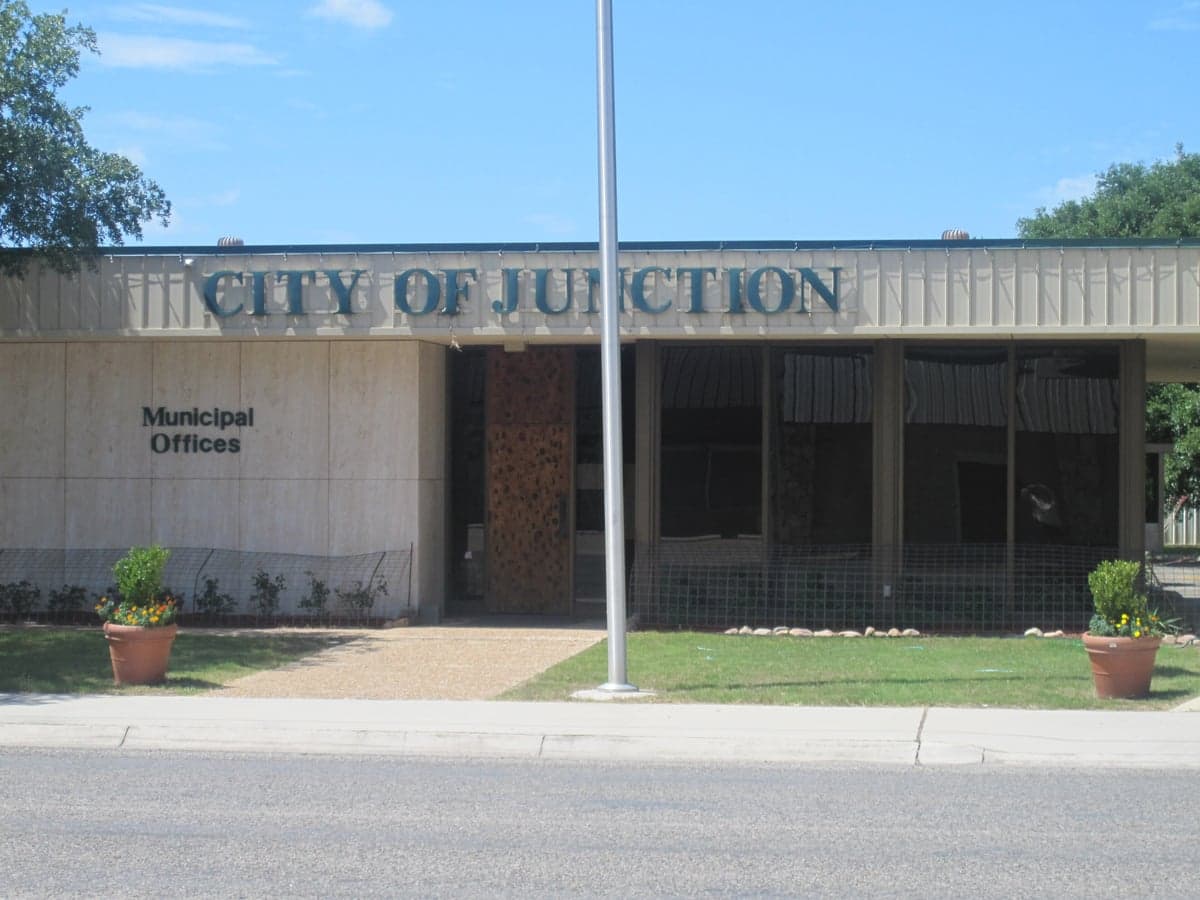
Junction, Texas, feels like a place where the town square still matters and people know your name by your second visit. With just over 2,400 residents, it’s the kind of community where the high school football game on Friday night is the main event, and the Llano River running through town is both a playground and a gathering spot. Life here moves at a slower, more deliberate pace—one that appeals to folks who value quiet, self-reliance, and a strong sense of neighborliness over urban convenience.
Daily Rhythm: What Life Actually Looks Like
Mornings in Junction often start with coffee at a local diner like the Lazy L&L or a quick stop at the H-E-B for groceries before heading to work. The biggest employers in town are the school district, the county government, and the hospital, so many residents have jobs tied directly to the community’s fabric. The average commute here is about 26 minutes—longer than you’d expect for a town this size, largely because people live on ranches or in the surrounding Hill Country and drive into town for work and errands. Weekends are for the river: families float the Llano in inner tubes, fish for bass and catfish, or hike the trails at South Llano River State Park, which is just a few miles south of downtown. There’s no mall, no movie theater, and only a handful of chain restaurants—most nights out involve a burger at Cooper’s BBQ or a cold beer at The Hitchin’ Post, a local bar where the jukebox plays country and the conversation is easy.
Sports, Community, and the School as a Hub
High school sports are the heartbeat of Junction. The Junction Eagles football team draws the whole town on Friday nights, and the gym is packed for basketball games in the winter. There’s no college or pro team within two hours, so the local kids become the de facto hometown heroes. The school itself is a central institution—not just for education but for community events, from holiday parades to fundraisers. About 17.7% of adults here hold a college degree, which is lower than the national average, and that shapes the town’s character: it’s a place where trades, ranching, and small business ownership are respected as much as any white-collar career. The median household income is $51,667, and with a cost of living index of 60—well below the U.S. average—that money goes further than it would in most places. A median home value of $146,100 means a family can buy a three-bedroom house on a decent lot without stretching their budget thin.
What’s There to Do: Festivals, Outdoors, and Local Flavor
Junction doesn’t have a nightclub or a concert venue, but it has a calendar full of events that bring people together. The biggest is the Kimble County Rodeo in the spring, which draws competitors and spectators from across the Hill Country. The Junction Fourth of July Celebration is a big deal, with a parade down Main Street and fireworks over the river. For music, you’ll find live country bands at the Junction Community Center or at private parties that are open to anyone who knows someone—which, in a town this small, is most people. Outdoor life is the main draw: hunting (deer, turkey, and dove) is a major pastime, and the river offers swimming, kayaking, and camping. The Texas Hill Country Wine Trail passes nearby, but Junction itself is more about beer and barbecue than wine tasting. The violent crime rate is just 39.9 per 100,000—far below the national average—so parents feel comfortable letting kids ride bikes around town or walk to the park after dark.
Pros and Cons of Living Here
- What residents love: The genuine sense of community—neighbors help each other without being asked. The low cost of living means financial breathing room. The river and state park offer free or cheap recreation year-round. The pace of life is unhurried, and there’s little of the stress that comes with big-city traffic or crime.
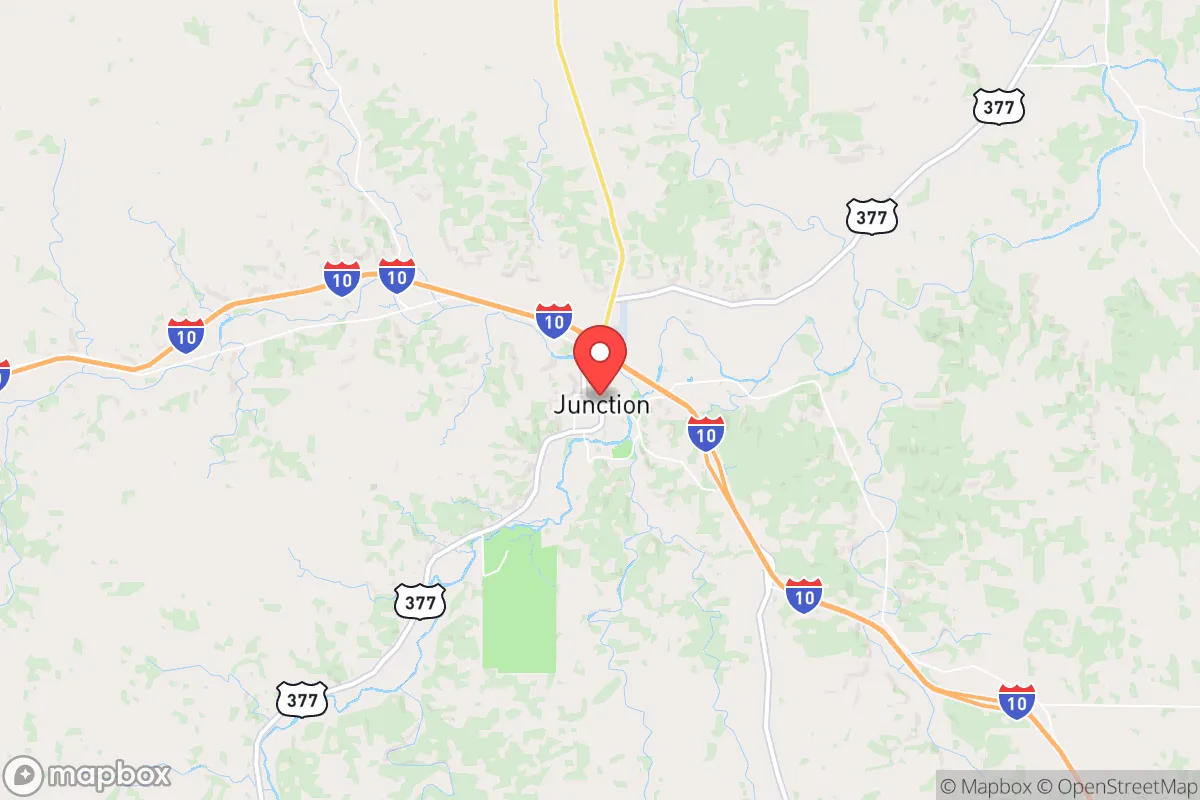
- What frustrates them: The nearest Walmart is 45 minutes away in Kerrville, and serious shopping or medical specialists require a drive to San Angelo (1.5 hours) or San Antonio (2.5 hours). Job opportunities outside of government, education, and healthcare are limited. The median age is 40.8, so it’s not a town bursting with young singles—most newcomers are families or retirees. Summers are brutally hot, with July highs often above 95°F, and the lack of air conditioning in older homes can be a challenge.
The kind of person who fits in here is someone who values quiet, knows how to entertain themselves, and doesn’t mind driving for a night out or a specialty grocery item. It’s a good fit for families who want their kids to grow up in a safe, small-town environment where everyone knows each other. Retirees who love the outdoors and don’t need urban amenities also thrive here. But if you crave cultural diversity, late-night dining, or a fast-paced career, Junction will feel too small. The town’s identity is proudly rural and conservative—church attendance is high, hunting is a way of life, and the local politics lean heavily Republican. That’s not a drawback for the people who choose to live here; it’s part of what makes Junction feel like home.

* Values derived from national, state, county, city and local statistics and may differ in a specific area. Last updated: 2026-11-15T12:12:39.000Z
Narrative content on this page is AI-generated and may contain mistakes. Verify any details that matter before acting on them.
ReloMaps may earn a commission from affiliate links at no extra cost to you.

