Photo: Wikipedia
Quality of Life in Johnstown, OH
A livable area that tracks near national norms for affordability, walkability, and neighborhood health.
What does Quality of Life tell us?
Quality of Life blends cost of living, nearby amenities, socioeconomic signals, and neighborhood character. City-level scores represent the whole municipality; individual neighborhoods can differ.
What does this tell us?
Quality of Life blends cost of living, nearby amenities, socioeconomic signals, and neighborhood character. City-level scores represent the whole municipality; individual neighborhoods can differ.
Cost of Living
10% below national average
The Real Cost of Living in Johnstown, OH for 2026
| Tier | Individual | Family (4) |
|---|---|---|
| Survival | $14k | $27k |
| Comfortable | $61k | $90k |
| Luxury | $147k+ | $227k+ |
| Elite (Top 5%) | $173k+ | $267k+ |
106%
The Area Signal
A metric tracking the socioeconomic signals of the area.
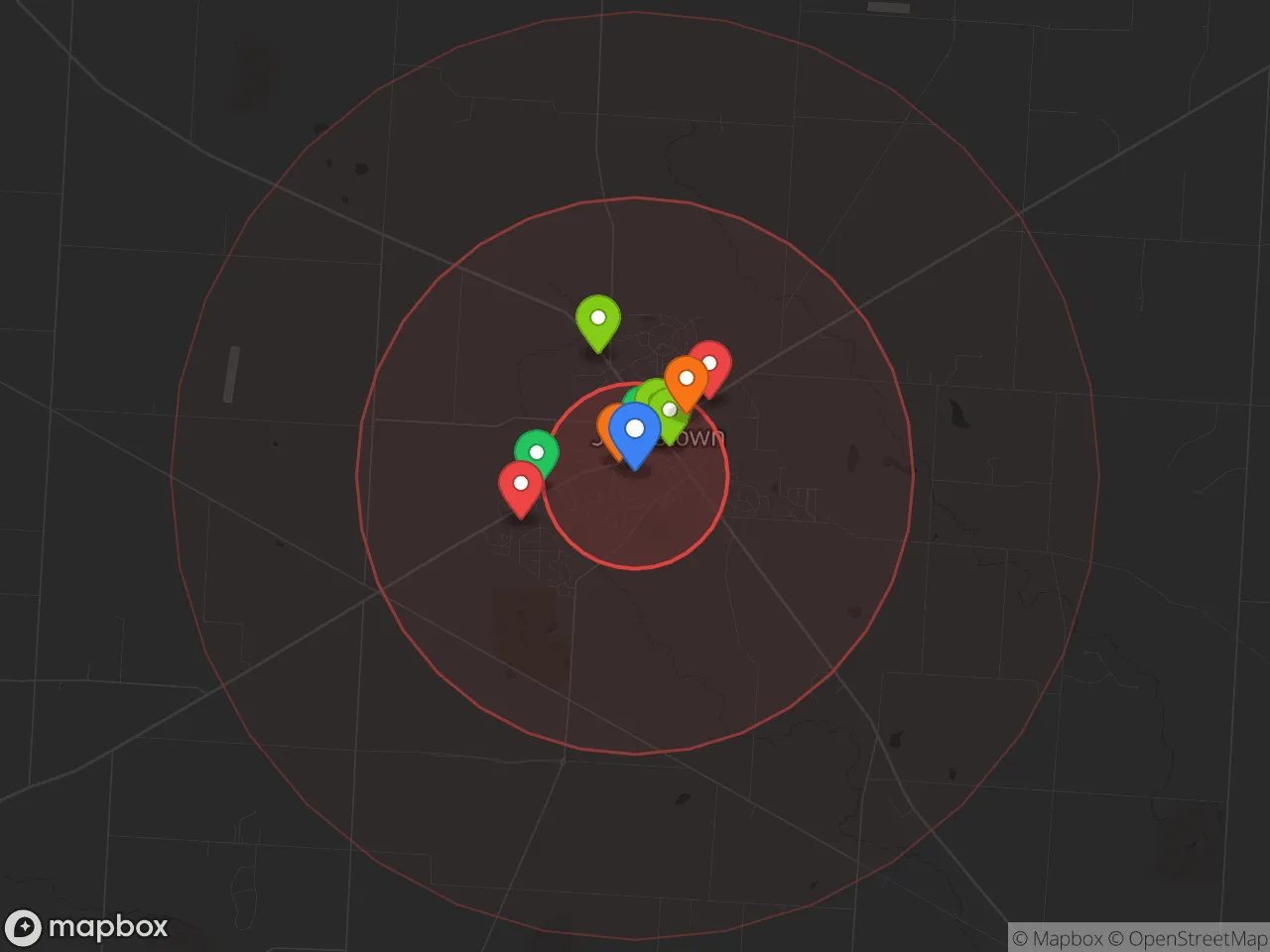
Hobbies
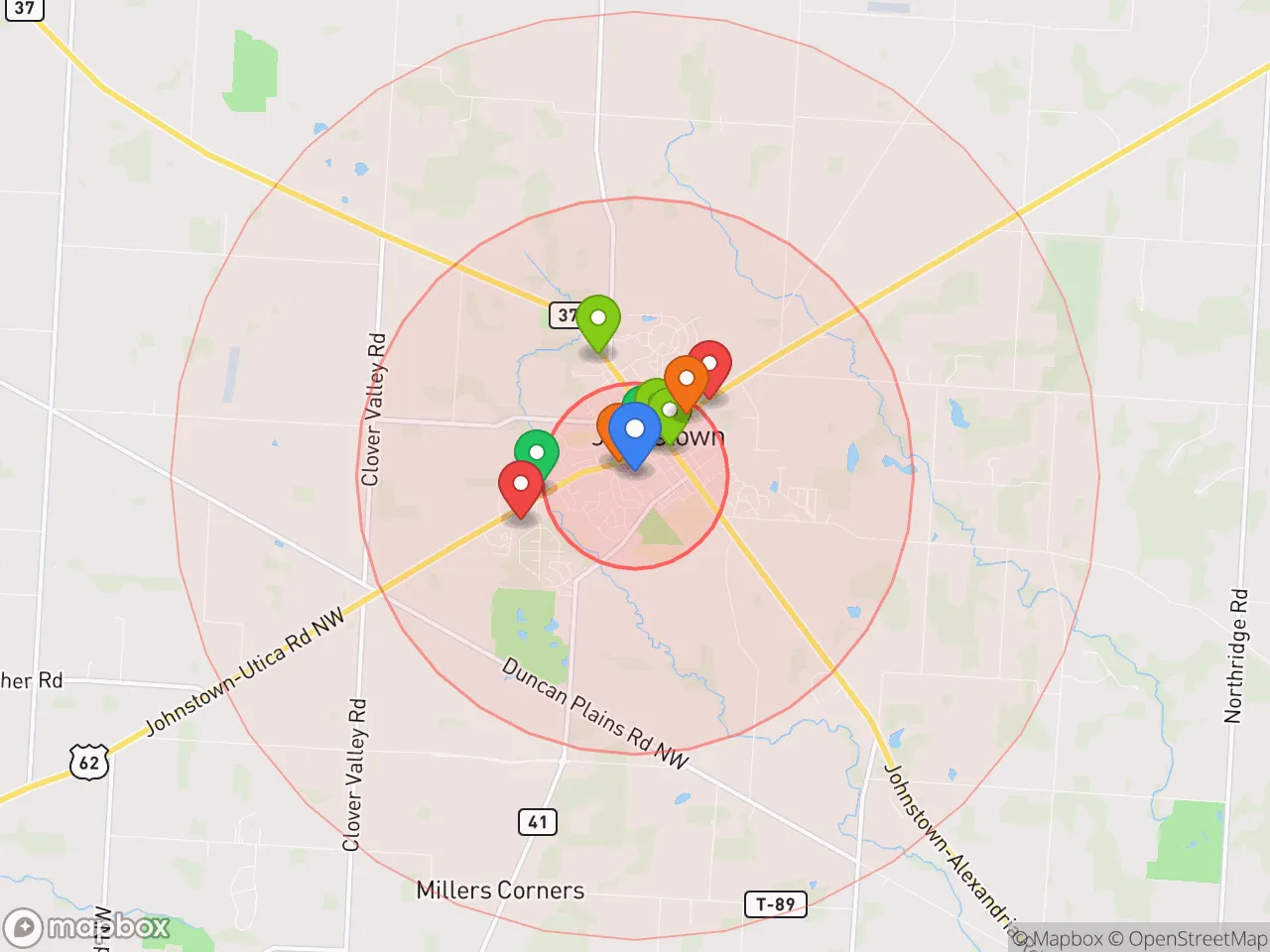
Explore the areaGroceries
5 within 10 miles
Gas
10 within 10 miles
Hospital
14 within 20 miles
Airport
John Glenn Columbus International Airport
Post Office
USPS — Johnstown, OH
Critical Amenities
Quality-of-Life Analysis
Johnstown, Ohio, presents a notably affordable entry point into the Columbus metropolitan area, combining a cost of living index of 90 (10% below the national average) with a median home value of $314,600 and a remarkably low median rent of $886. This pricing structure attracts a mix of young families seeking starter homes, long-term renters priced out of the core Columbus market, and workers in the logistics and manufacturing sectors who value a short commute to major employment hubs. The community’s character is defined by its balance of small-town quiet with direct access to the economic opportunities of Licking County and the broader I-70 corridor.
Cost of living, housing market, and affordability compared to Columbus and Newark
The most compelling quality-of-life factor in Johnstown is its housing affordability relative to the region. With a median home value of $314,600, Johnstown sits well below the Columbus metro median of roughly $350,000–$370,000, while the median rent of $886 is significantly lower than the Columbus average of approximately $1,200. This gap means a household earning the Licking County median income can afford a mortgage on a median-priced home with a standard 20% down payment, a scenario increasingly difficult in Franklin County. The overall cost of living index of 90 reflects savings across housing, utilities, and transportation. However, residents pay for this affordability with a longer average commute of 27.5 minutes, as many jobs remain concentrated in Columbus, New Albany, and the Easton area. While not extreme, this commute is longer than the national average of 26 minutes and notably longer than inner-ring suburbs, making car ownership a near-necessity and a factor in monthly transportation budgets.
Local amenities, school quality, and the daily rhythm of life
Daily life in Johnstown centers on the Johnstown-Monroe Local School District, which serves roughly 1,800 students and consistently earns ratings above the state average on Ohio School Report Cards, particularly in early literacy and graduation rates. The village itself offers a compact downtown with a grocery store, a handful of local restaurants, and the Johnstown Public Library, but most retail, dining, and healthcare services require a 10- to 15-minute drive to New Albany or Pataskala. For recreation, residents use the multi-purpose Johnstown Community Park and the nearby Infirmary Mound Park for hiking and disc golf. The community’s rhythm is quiet and family-oriented, with little nightlife and a strong emphasis on youth sports and school events. The lack of a robust local job base means most adults commute out during the day, giving the village a bedroom-community feel during work hours.
Johnstown is best suited for buyers and renters who prioritize a lower cost of entry and a slower pace over walkability and urban amenities. Families who value a well-regarded school district and are willing to drive 25–30 minutes for employment and entertainment will find the trade-off worthwhile. Single professionals or those seeking a vibrant downtown scene may find the village too quiet, but for households focused on maximizing square footage and minimizing monthly housing costs within commuting distance of Columbus, Johnstown offers a clear value proposition. The combination of a cost of living index of 90, a median rent under $900, and a solid school system makes it a pragmatic choice for long-term residency in Licking County.

Crime in Johnstown, OH
Crime rates similar to the national median for U.S. locations.
Violent CrimeViolent Crime Analysis
Property CrimeProperty Crime Analysis
Crime Analysis
Johnstown, Ohio, reports a violent crime rate of 265 incidents per 100,000 residents and a property crime rate of 1,357.8 per 100,000, placing it above national averages for both categories. As a small community situated within the Columbus metropolitan area, Johnstown’s safety profile is influenced by broader regional crime trends and the policy environment of Licking County and Franklin County courts. Residents should weigh these figures against the local justice system’s approach to prosecution and sentencing when evaluating overall risk.
Crime in context
Johnstown’s violent crime rate of 265 per 100,000 is roughly 25% higher than the national average of about 210 per 100,000, while its property crime rate of 1,357.8 per 100,000 exceeds the U.S. median of approximately 1,200 per 100,000. Compared to the state of Ohio, which reported a violent crime rate of roughly 280 per 100,000 in recent years, Johnstown sits slightly below the statewide figure but remains elevated relative to similarly sized rural villages. The proximity to Columbus—a large metro area with progressive district attorneys in Franklin County—raises concerns about regional crime spillover and sentencing leniency that can reduce deterrence. Licking County, where Johnstown is primarily located, has historically maintained more conservative prosecution policies, but cross-county criminal activity from the metro core remains a documented risk factor.
What residents experience
Property crime dominates the local safety landscape, with theft, burglary, and vehicle break-ins being the most commonly reported incidents. The property crime rate of 1,357.8 per 100,000 translates to roughly 1 in 74 residents experiencing a property crime annually, a frequency that demands proactive home security measures. Violent crime, while less common, includes aggravated assault and robbery, with the 265 per 100,000 rate meaning about 1 in 377 residents is a victim each year. Residents frequently cite concerns about unlocked vehicles and package theft in neighborhood social media groups, reflecting the opportunistic nature of local crime. The presence of progressive judicial philosophies in the broader Columbus metro area—where some prosecutors emphasize diversion programs over incarceration—can result in repeat offenders cycling back into communities like Johnstown, undermining public confidence in the justice system.
Neighborhood-level variation in Johnstown is modest but noticeable. Older sections near the downtown core and areas along the Ohio 37 corridor tend to report slightly higher incident rates, while newer subdivisions on the village’s eastern and southern edges see fewer property crimes. Homes near major thoroughfares and commercial zones face elevated risk due to easier access for transient offenders. Residents in lower-crime pockets still benefit from the same Licking County Sheriff’s Office patrols and Johnstown Police Department coverage, but individual property security—lighting, cameras, and neighborhood watch participation—remains the strongest variable in personal safety outcomes. The village’s small size means that no area is entirely insulated from the regional crime pressures generated by the nearby liberal-leaning metro justice system.
* Values derived from national, state, county, city and local statistics and may differ in a specific area. Last updated: 2026-07-15T00:20:41.000Z
Narrative content on this page is AI-generated and may contain mistakes. Verify any details that matter before acting on them.
ReloMaps may earn a commission from affiliate links at no extra cost to you.

