Photo: Wikipedia
Political ClimatePolitical Climate in Johnson, VT
District shown is the primary district for this city’s centroid. Cities may span multiple districts.
Inherited from parent state — no local data available.
Local Political AnalysisPolitical Analysis of Johnson, VT
Johnson, Vermont, sits in a deep blue pocket of an already blue state, with a Cook PVI of D+17 that tells you pretty much everything you need to know about the local voting patterns. But if you’ve lived here as long as I have, you know the numbers don’t capture the whole story. This town used to be a quiet, independent-minded place where folks kept to themselves and didn’t much care what the statehouse in Montpelier was up to. Over the last decade or so, that’s shifted hard. The political lean here isn’t just Democratic—it’s aggressively progressive, and the trajectory is toward more government involvement in daily life, not less. The 2020 election saw Johnson vote over 80% for Biden, and local town meetings have become battlegrounds for climate resolutions, racial equity statements, and zoning overhauls that feel less about helping locals and more about checking ideological boxes.
How it compares
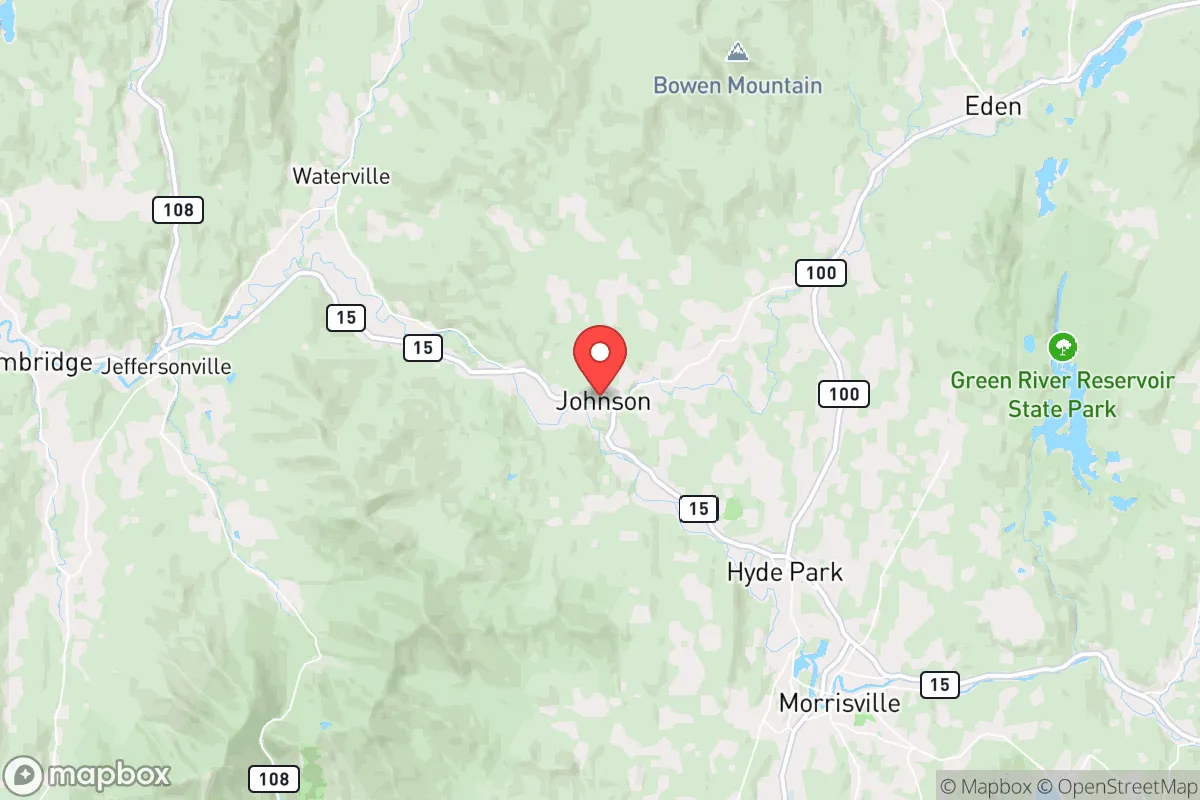
Drive fifteen minutes east to Hardwick or twenty minutes west to Cambridge, and you’ll find a different vibe entirely. Those towns still have a strong independent streak—more “leave me alone” than “let’s form a committee.” In Lamoille County, Johnson is the progressive anchor, while places like Hyde Park and Morristown (home to Stowe’s spillover) lean more moderate, though even they’re getting bluer. The contrast is stark: Johnson’s town government has pushed for inclusionary zoning and affordable housing mandates that sound good on paper but have made it harder for working families to build or renovate without jumping through hoops. Meanwhile, in neighboring Belvidere, you can still get a building permit with a handshake and a smile. The D+17 rating masks the fact that Johnson is actually to the left of the state average—Vermont as a whole is D+15, so Johnson is pulling the needle even further. That’s concerning when you see how quickly local policy can shift from “let’s help each other” to “let’s regulate everything.”
What this means for residents
For the average person living here, the political climate translates into a lot of well-meaning but intrusive policies. The town has adopted a net-zero energy goal for municipal buildings by 2030, which sounds noble until you realize it means higher property taxes to fund solar arrays and heat pumps that most residents can’t afford on their own. There’s also a growing push for rent control and tenant protections that, while aimed at helping renters, have made some small landlords sell off properties to out-of-state investors. The school board has leaned into DEI initiatives and gender-inclusive policies that, frankly, a lot of parents find overbearing—especially when the curriculum starts prioritizing activism over academics. If you value personal freedom—the right to heat your home with oil, build a shed without a permit, or send your kid to school without a political agenda—you’re going to feel the squeeze. The local government isn’t malicious, but it’s convinced it knows better than you do, and that’s a dangerous mindset.
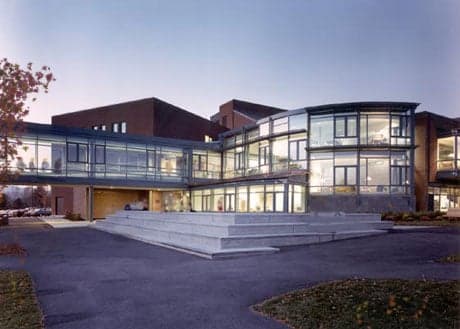
One thing that sets Johnson apart from other progressive towns in Vermont is the influence of Johnson State College (now Northern Vermont University-Johnson). The campus brings in a steady stream of out-of-state students and faculty who often stay and shape local politics. That’s created a cultural divide between the “townies” who’ve been here for generations and the newcomers who want to turn Johnson into a mini-Burlington. You see it in the local food co-op, the bike lanes that get more use from tourists than residents, and the constant chatter about “sustainability” that ignores the fact that most people here are just trying to keep their wood stoves running through January. The long-term outlook? Unless there’s a serious pushback—and I don’t see one coming—Johnson will keep drifting left, with more regulations, higher taxes, and less room for the kind of rugged individualism that built this town in the first place.

State Political ClimatePolitical Climate in Vermont
State Political AnalysisPolitical Environment in the State
Vermont has long been a deep blue state, but the reality on the ground is far more nuanced than the national headlines suggest. The state’s overall partisan lean is solidly Democratic, with the party holding a supermajority in the legislature and every statewide office, but this is a relatively recent development. Over the last 20 years, the state has shifted from a moderate, fiscally conservative New England tradition to a progressive stronghold, driven largely by the explosive growth of Chittenden County and the influx of out-of-state transplants, particularly in Burlington and its suburbs. While the state voted for Joe Biden by a 35-point margin in 2020, the political landscape is a tale of two very different Vermonts.
Urban vs. rural divide
The political map of Vermont is starkly divided. The engine of the state’s progressive tilt is Chittenden County, home to Burlington, South Burlington, and Winooski. This corridor, anchored by the University of Vermont, has become a magnet for young, college-educated professionals and out-of-state activists who have pushed the state’s politics sharply left. In 2024, Burlington voted for Bernie Sanders’ preferred candidates by margins exceeding 80% in some precincts. In contrast, the rural counties of the Northeast Kingdom—Essex, Orleans, and Caledonia—remain reliably Republican, with many towns voting +30 to +40 points for Donald Trump in 2020. The divide is so sharp that a drive from the liberal enclave of Montpelier to the conservative stronghold of Newport feels like crossing into a different country. The suburbs of Chittenden County, like Williston and Essex Junction, are the true battlegrounds, often deciding state legislative races, but even these are trending blue as new arrivals bring their urban voting habits with them.
Policy environment
Vermont’s policy environment is a case study in progressive governance, and for a conservative audience, it’s a cautionary tale. The state has the second-highest property tax burden in the nation, with effective rates hovering around 1.8% of home value, and a progressive income tax that tops out at 8.75% on income over $213,000. The regulatory posture is among the most aggressive in the country: Act 250, the state’s land-use law, has been weaponized to block housing development and economic growth, making it nearly impossible to build anything without years of permitting. Education policy is dominated by the Vermont NEA, which has successfully blocked school choice and charter schools, leaving parents with few options outside their assigned district. Healthcare is a single-payer experiment in waiting, with the state’s Green Mountain Care board pushing for a universal system that would require massive tax increases. Election laws are among the most permissive in the nation—universal mail-in voting, same-day registration, and no voter ID requirement—which has raised concerns about election integrity among conservatives.
Trajectory & freedom
Vermont is becoming less free by almost any measure that matters to conservatives. The most alarming recent trend is the erosion of parental rights. In 2023, the legislature passed Act 1, which codified a “gender-affirming care” sanctuary policy, effectively making Vermont a destination for minors seeking medical transition without parental consent in some cases. The state also passed a “bump stock” ban and a 2024 law requiring a 72-hour waiting period for all firearm purchases, with a magazine capacity limit of 10 rounds for long guns. Property rights have been under assault: Act 250 has been expanded to allow neighbors to sue any new development, effectively giving a veto to NIMBY activists. The state’s tax burden continues to climb, with a 2024 property tax increase of 6.5% to fund education, even as student enrollment declines. On the positive side, Vermont remains one of the most gun-friendly states in New England for concealed carry (no permit required), and the state has no sales tax, which is a small consolation for the crushing property levies.
Civil unrest & political movements
Vermont has seen a rise in organized political activism on both sides, but the left dominates the streets. The 2020 Black Lives Matter protests in Burlington turned violent, with property damage to downtown businesses and a statue of a Civil War general torn down. The state’s sanctuary policies have made it a magnet for out-of-state activists, and the city of Burlington has become a flashpoint for homelessness and drug use, with open-air drug markets in the Old North End. On the right, the Vermont Republican Party is a shell of its former self, but grassroots groups like the Vermont Federation of Sportsmen’s Clubs and the Vermont Liberty Alliance have been active in fighting gun control and property rights legislation. The secessionist movement, the Second Vermont Republic, remains a fringe curiosity, but the state’s “nullification” rhetoric around federal immigration enforcement has been a real irritant for conservatives. The 2020 election integrity debate was muted here, but the state’s universal mail-in voting system has been criticized by local GOP activists for lacking basic safeguards like signature verification.
Projection
Over the next 5-10 years, Vermont is likely to become more progressive, not less. The demographic trends are clear: the state’s native-born population is aging and declining, while in-migration from New York, Massachusetts, and California is accelerating. These new arrivals are overwhelmingly left-leaning and wealthy, driving up housing prices and pushing the political center of gravity further left. The rural counties of the Northeast Kingdom are losing population at an alarming rate, while Chittenden County continues to grow. The state’s tax and regulatory environment will likely become even more hostile to business, with a proposed wealth tax and a carbon tax on the horizon. For a conservative moving in now, the expectation should be that the state will continue to expand government control over healthcare, education, and property, with little room for dissent. The only countervailing force is the state’s stubborn independent streak, which has occasionally produced moderate governors like Phil Scott, but the legislature’s supermajority means his vetoes are routinely overridden.
For a new resident, the bottom line is this: Vermont offers stunning natural beauty and a slower pace of life, but the political and policy environment is increasingly hostile to conservative values. If you value low taxes, parental rights, gun freedom, and limited government, you will find yourself swimming against a very strong current. The state is beautiful, but the cost of that beauty—in both dollars and personal freedom—is rising every year. If you’re considering a move, look closely at the rural towns of the Northeast Kingdom or the southern counties like Bennington and Rutland, where the political climate is more moderateched, but even those areas are trending blue. The Vermont of 2035 will likely be unrecognizable to anyone who remembers the state before 2010.
* Values derived from national, state, county, city and local statistics and may differ in a specific area. Last updated: 2026-10-10T16:27:48.000Z
Narrative content on this page is AI-generated and may contain mistakes. Verify any details that matter before acting on them.
ReloMaps may earn a commission from affiliate links at no extra cost to you.

