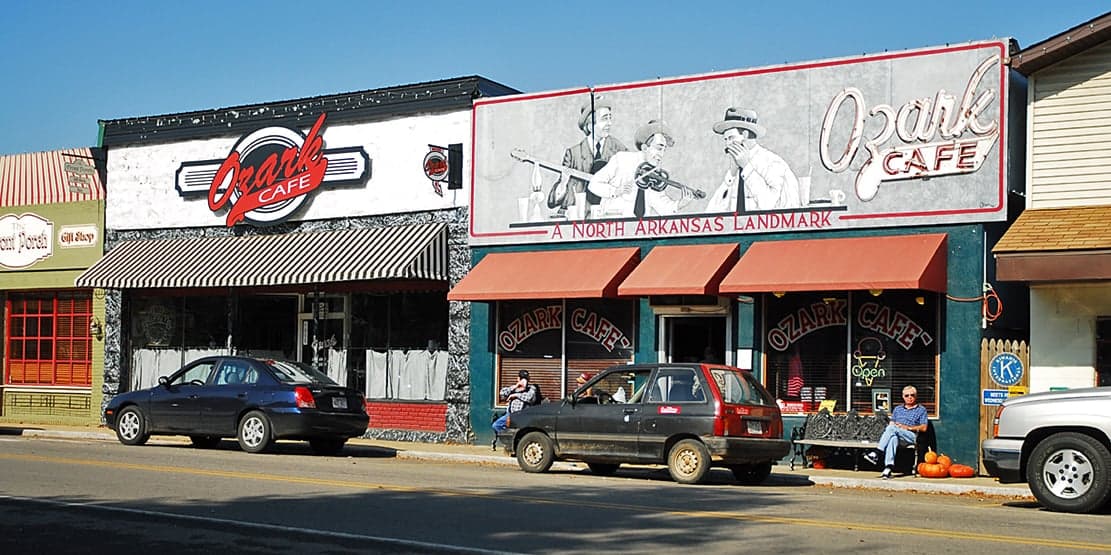
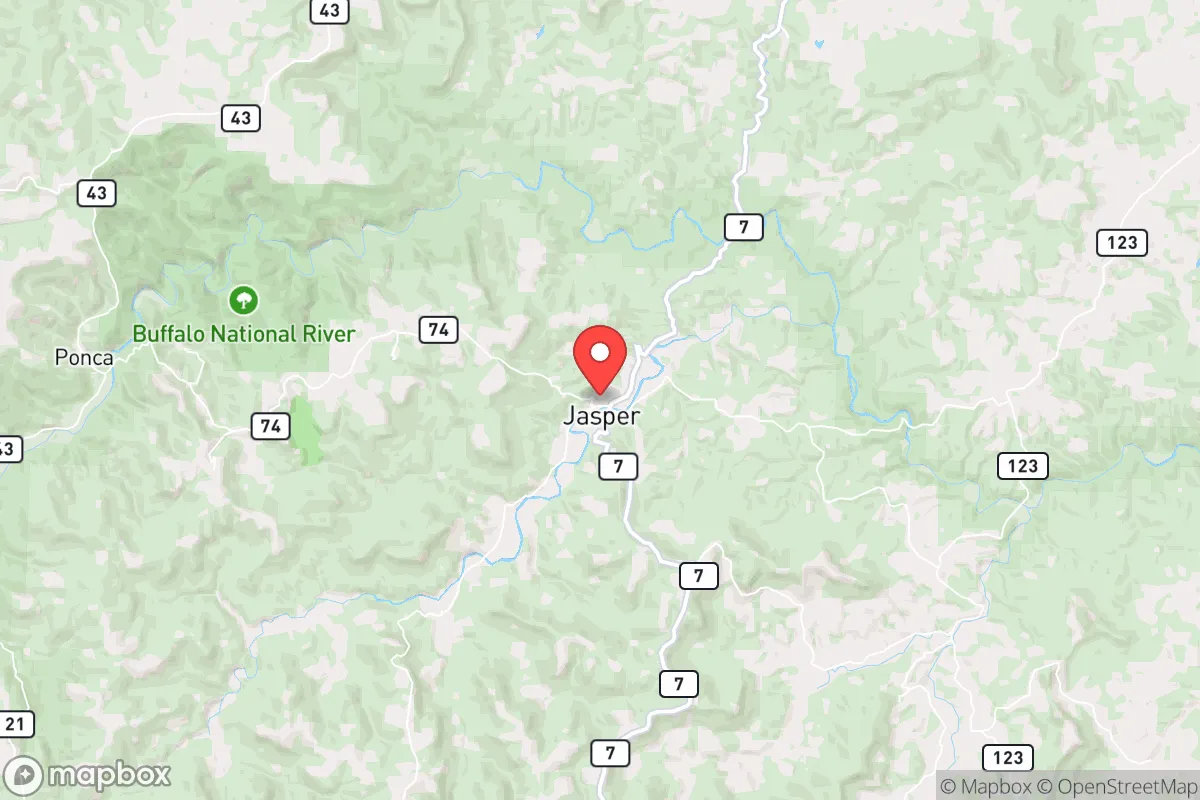
Photo: Wikipedia
Quality of Life in Jasper, AR
Above-average quality of iife. The area offers a reasonable cost of living, decent mobility, and a mix of neighborhood amenities.
What does Quality of Life tell us?
Quality of Life blends cost of living, nearby amenities, socioeconomic signals, and neighborhood character. City-level scores represent the whole municipality; individual neighborhoods can differ.
What does this tell us?
Quality of Life blends cost of living, nearby amenities, socioeconomic signals, and neighborhood character. City-level scores represent the whole municipality; individual neighborhoods can differ.
Cost of Living
39% below national average
The Real Cost of Living in Jasper, AR for 2026
| Tier | Individual | Family (4) |
|---|---|---|
| Survival | $11k | $20k |
| Comfortable | $36k | $53k |
| Luxury | $51k+ | $79k+ |
| Elite (Top 5%) | $137k+ | $212k+ |
54%
* top-5% income substituted from state-level data — local Census figures unavailable for small populations
The Area Signal
A metric tracking the socioeconomic signals of the area.
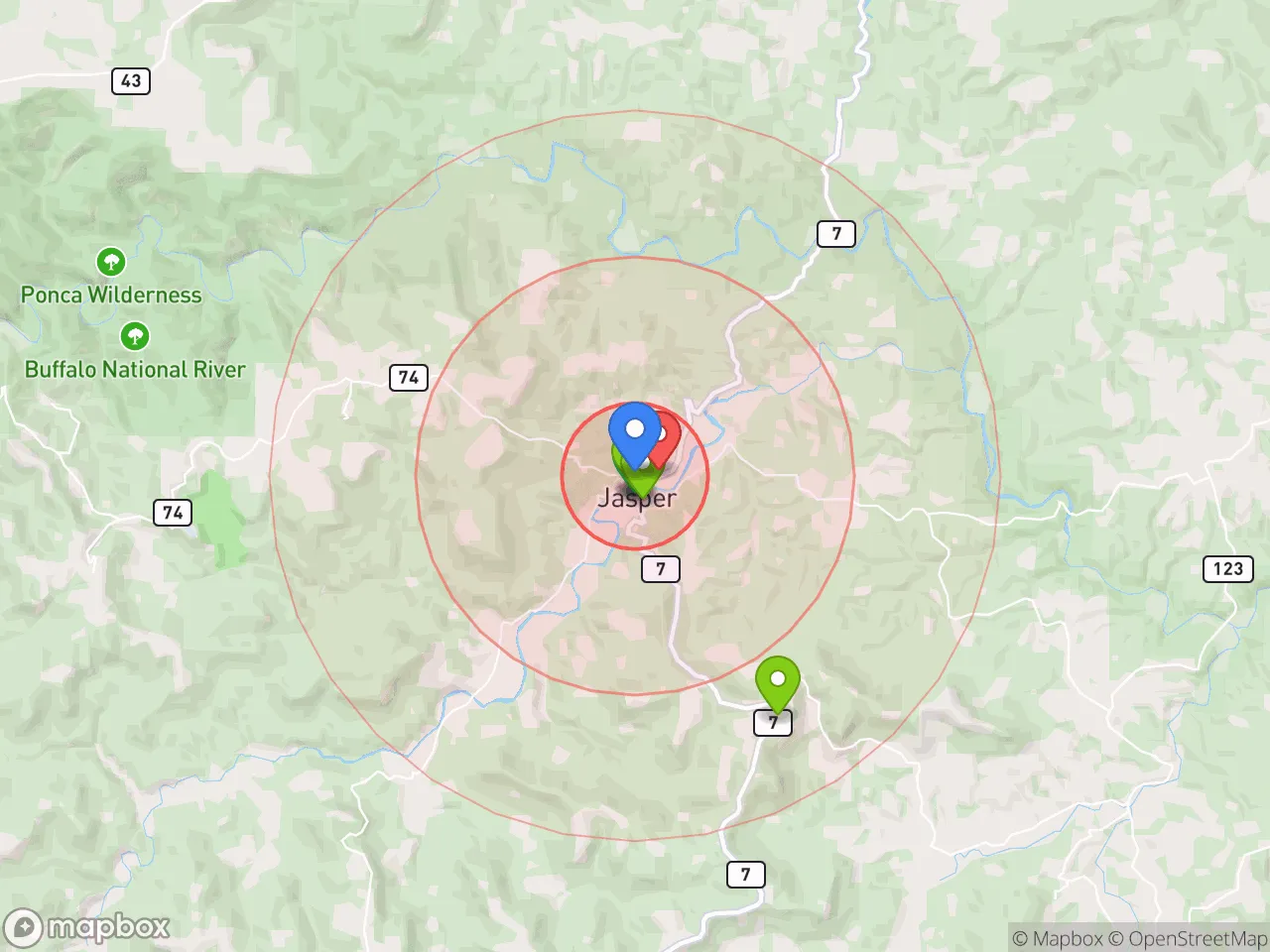
Hobbies
Explore the areaGroceries
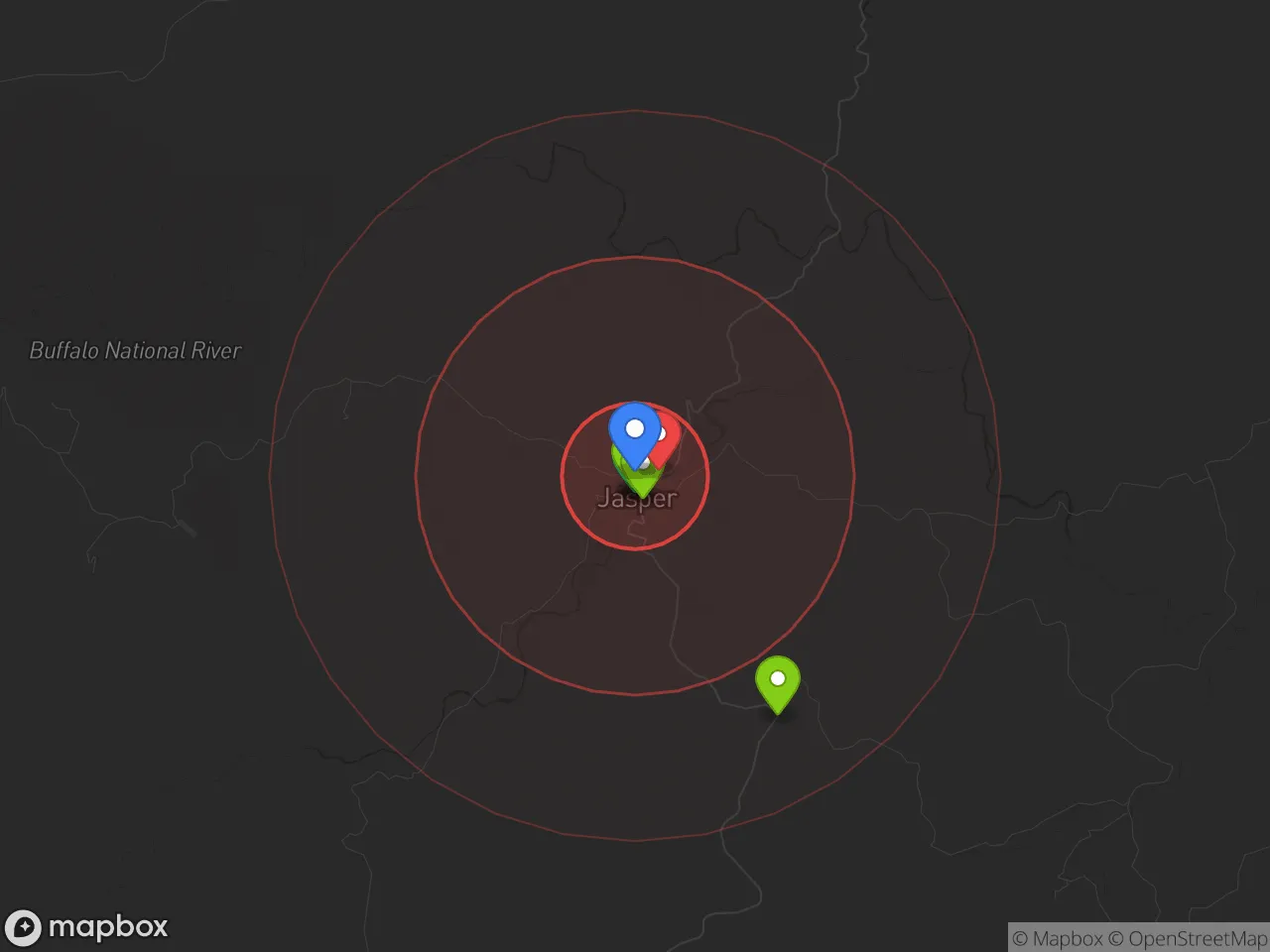
0 within 10 miles
Gas
1 within 10 miles
Hospital
1 within 20 miles
Airport
MCI — Kansas City International
Post Office
USPS — Jasper, AR
Critical Amenities
Quality-of-Life Analysis
Jasper, Arkansas, is a low-cost, high-nature enclave in the Ozark Mountains where the cost of living index sits at 61 — roughly 39% below the national average — and the median home value is $185,100. The population skews toward retirees, remote workers, and outdoor-recreation enthusiasts who prioritize scenery and solitude over urban convenience. With a median rent of just $665, the area attracts a mix of long-time locals and newcomers seeking a slower, nature-anchored rhythm of life in Newton County.
How housing costs and everyday expenses compare to nearby towns
Jasper is one of the most affordable places to live in the Arkansas Ozarks, undercutting both Harrison (about 30 minutes north) and Fayetteville (roughly 90 minutes west) on nearly every metric. The median home value of $185,100 is notably lower than Harrison’s mid-$200,000s range and less than half of Fayetteville’s typical asking prices. Renters fare even better: the $665 median rent is roughly $200–$300 cheaper per month than comparable units in Harrison, and it is a fraction of what similar rentals command in the Northwest Arkansas metro. Groceries, utilities, and healthcare also run below state averages, which stretches paychecks further for fixed-income retirees and service-industry workers alike. The trade-off is a thinner job market — most employment clusters around tourism, the Newton County government, and the Buffalo National River corridor — so many residents commute or work remotely.
Amenities, schools, and what daily life actually feels like
Daily life in Jasper revolves around the Buffalo National River, which draws roughly 1.5 million visitors annually to the region for floating, hiking, and fishing. The Jasper School District serves roughly 300 students across K-12, with small class sizes and a strong focus on outdoor and agricultural education; the district’s graduation rate consistently hovers near 90%. The average commute of 22.3 minutes reflects the area’s rural layout — most drives are scenic two-lane highways through the Ozark National Forest, not congested interstates. Grocery shopping is limited to a handful of local markets (the nearest Walmart is in Harrison), and dining options are mostly family-owned cafes and barbecue joints. For healthcare, the Newton County Medical Center in Jasper handles primary and emergency care, but specialists require a drive to Harrison or Fayetteville. Internet access has improved in recent years, though fiber coverage remains spotty outside the town core, which matters for remote workers.
Who thrives here? Jasper suits people who value the Buffalo River as a backyard amenity, accept a 20-minute drive for routine errands, and prefer a quiet, low-cost existence over career density or cultural variety. Retirees, seasonal tourism workers, and self-employed professionals with location-flexible jobs will find the affordability and natural beauty compelling. Those needing urban healthcare, diverse employment, or high-speed infrastructure should look toward Harrison or Fayetteville instead.

Crime in Jasper, AR
Crime rates similar to the national median for U.S. locations.
Violent CrimeViolent Crime Analysis
Property CrimeProperty Crime Analysis
Crime Analysis
Jasper, Arkansas, a small town in the heart of the Ozark Mountains, presents a mixed public safety picture. The town’s reported violent crime rate of 526.9 incidents per 100,000 residents is notably higher than the national average, while its property crime rate of 1,642.4 per 100,000 sits closer to, but still above, typical U.S. figures. For context, the national violent crime rate is approximately 380 per 100,000, meaning Jasper’s rate is about 38% higher, a gap that prospective residents should weigh carefully when considering a move to this scenic Boone County community.
Crime in context
Jasper’s crime statistics, while elevated, must be understood within the broader context of rural Arkansas. The state’s overall violent crime rate hovers near 530 per 100,000, placing Jasper almost exactly at the state average. Property crime in Jasper, however, exceeds the Arkansas state average of roughly 1,400 per 100,000 by about 17%. These figures are drawn from reported incidents and may fluctuate year to year given Jasper’s small population—approximately 500 residents—meaning a handful of incidents can skew the per-capita rates dramatically. The town’s location as a gateway to the Buffalo National River, a major tourism destination, also influences crime patterns, with seasonal visitors contributing to property crime spikes during peak travel months.
What residents experience
Daily life in Jasper is characterized by a close-knit community where neighbors know one another, and the most common complaints involve theft from vehicles and occasional burglaries rather than violent confrontations. The elevated violent crime rate is driven largely by domestic disputes and alcohol-related altercations, which are typical of small, rural towns with limited nighttime entertainment options. The Boone County Sheriff’s Office, which provides primary law enforcement for Jasper, maintains a visible presence, but response times to outlying areas can exceed 20 minutes due to the region’s mountainous terrain and sparse population density. Residents often emphasize that the statistical risk does not match their lived experience, as most violent incidents occur between individuals who know each other rather than random acts against newcomers or tourists.
Neighborhood-level variation in Jasper is minimal given the town’s compact size, but the areas immediately surrounding the courthouse square and along Highway 7 see the highest foot traffic and correspondingly more petty crime. The more isolated residential pockets along the river and hillsides experience fewer incidents, though they face higher risks of property crime due to their remoteness. For those considering a move, the practical takeaway is that Jasper offers a generally safe, rural lifestyle, but the numbers warrant vigilance—particularly regarding property security and awareness during tourist season. The local justice system, operating under Arkansas’s conservative legal framework, tends to take a firm stance on repeat offenders, which provides some reassurance to residents concerned about recidivism.
* Values derived from national, state, county, city and local statistics and may differ in a specific area. Last updated: 2026-10-12T12:28:49.000Z
Narrative content on this page is AI-generated and may contain mistakes. Verify any details that matter before acting on them.
ReloMaps may earn a commission from affiliate links at no extra cost to you.

