Photo: Wikipedia
Find The Best Places To Live in Van Buren County
PRO TIP! You can paste a Zillow or Redfin link to get info on that property.
What It's Like Living in Van Buren County, IA
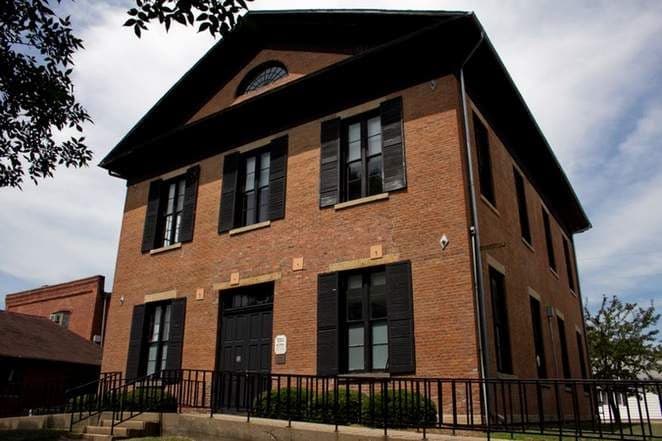
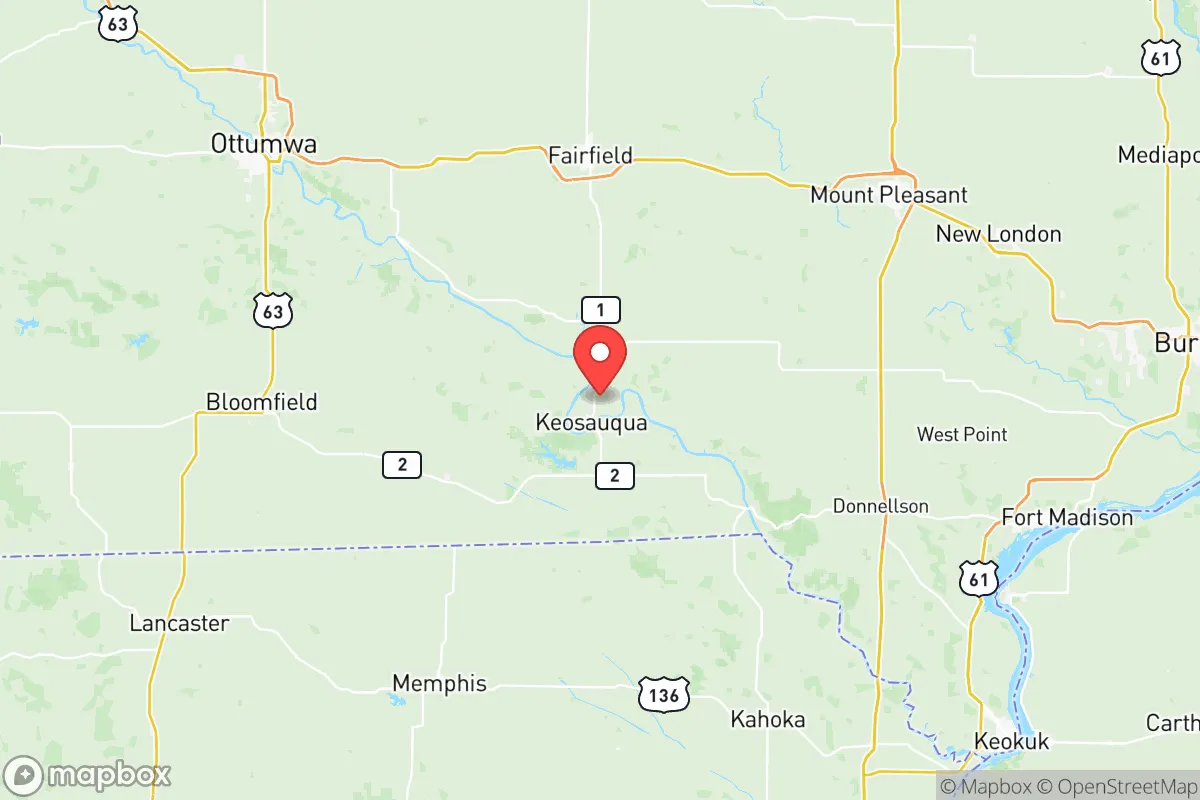
Living in Van Buren County, Iowa, feels like stepping into a quieter, more deliberate chapter of the Midwest—one where the courthouse square in Keosauqua still anchors the week, and the Des Moines River bends through farmland that hasn’t changed much in a generation. With just over 7,200 residents spread across towns like Farmington, Birmingham, and Bonaparte, this is a place where people know your truck before they know your name. It’s not for everyone, but for those who value space, low cost of living, and a pace that lets you breathe, it fits like a well-worn boot.
Daily Rhythm in the River Hills
Most mornings in Van Buren County start early. The average commute clocks in at just under 23 minutes—long enough to listen to a podcast or catch the ag report on the radio, but short enough that you’re never really stuck in traffic. People work in healthcare, manufacturing, and education, with many driving to Ottumwa or Fairfield for jobs. The county’s median household income sits at $60,183, which stretches further here than almost anywhere else in the country: the cost of living index is 52, roughly half the national average. That means a median home value of $118,800 can get you a solid three-bedroom with a yard and a garage, something that’s increasingly out of reach in larger Iowa metros.
Weekends often revolve around the towns themselves. In Keosauqua, you’ll find folks grabbing breakfast at the local café before heading to the Van Buren County Farmers Market. In Birmingham, the community center hosts potlucks and card tournaments. Bonaparte’s historic district draws a quieter crowd—people who appreciate the old mill and the river access. The county’s median age is 44.8, which tilts the social scene toward settled families and retirees rather than a young nightlife crowd. If you’re looking for a 20-something bar scene, you’ll need to drive to Fairfield or Burlington. But if you want neighbors who actually notice when your porch light is off, you’ll find it here.
Sports, Schools, and Community Pride
High school sports are the closest thing to a weekly event in Van Buren County. The Van Buren Community School District, based in Keosauqua, brings together students from across the county, and Friday-night football games in the fall are genuinely well-attended. The Warriors—that’s the school’s mascot—draw crowds of parents, alumni, and local business owners who shut down early to make kickoff. Basketball season fills the gym on winter nights, and the spring track meets are a social fixture. There’s no college or pro team within the county, so the local kids become the de facto hometown heroes. For a county of 7,236 people, the pride in these teams runs deep.
Schools also serve as a community anchor beyond sports. The district’s small size means teachers know students by name, and parent involvement is high. That said, only about 19.4% of adults in the county hold a college degree, which is below the state average. For families considering a move, the schools offer a safe, grounded environment, but advanced coursework and extracurricular variety are more limited than what you’d find in a suburban district. It’s a trade-off many here accept willingly.
What’s There to Do—and What’s Not
Outdoor life is the main draw. The Des Moines River cuts through the county, offering canoeing, fishing, and lazy summer floats. Lacey-Keosauqua State Park is the crown jewel—hiking trails, a swimming beach, and campgrounds that fill up during peak weekends. The annual Van Buren County Fair in Keosauqua is a highlight of late summer, with 4-H shows, carnival rides, and the kind of parade that shuts down Main Street. In Bonaparte, the historic Bonaparte Mill hosts events and tours, and the river access there is a favorite for kayakers.
On the flip side, entertainment options are thin. There’s no movie theater in the county, no bowling alley, and only a handful of restaurants that serve dinner past 8 PM. For a night out, most residents drive 30-40 minutes to Fairfield or Ottumwa. The violent crime rate is 230.9 per 100,000—slightly above the national average, though most locals will tell you it’s concentrated in specific situations and rarely affects daily life. Property crime, like shed break-ins or unlocked car rummaging, is the more common annoyance.
Pros and Cons of Living Here
- Pro: Affordability. A cost of living index of 52 means your dollar goes twice as far as in a typical U.S. city. Homeownership is achievable even on a modest income.
- Pro: Community connection. People look out for each other. Lost a dog? Someone will call. Need a jump start? Three neighbors will be there before you hang up.
- Pro: Outdoor access. The river, the state park, and the quiet country roads make for a lifestyle that feels spacious and unhurried.
- Con: Limited jobs and amenities. The median income reflects the rural economy—good jobs are fewer, and you’ll drive for groceries, healthcare specialists, and entertainment.
- Con: Aging population. With a median age of 44.8 and many young adults leaving for college and not returning, the social scene can feel thin for singles or couples without kids.
- Con: Distance to everything. The nearest Walmart is in Fairfield, about 25 minutes from Keosauqua. Specialty shopping, airports, and major hospitals require a longer drive.
Van Buren County isn’t trying to be the next hot relocation spot. It’s a place where the river still dictates the rhythm, where a $118,800 home comes with a front porch and a view of the fields, and where your neighbors will know your story before you’ve finished unpacking. If that sounds like home, it probably is.

* Values derived from national, state, county, city and local statistics and may differ in a specific area. Last updated: 2026-10-17T20:20:16.000Z
Narrative content on this page is AI-generated and may contain mistakes. Verify any details that matter before acting on them.
ReloMaps may earn a commission from affiliate links at no extra cost to you.

