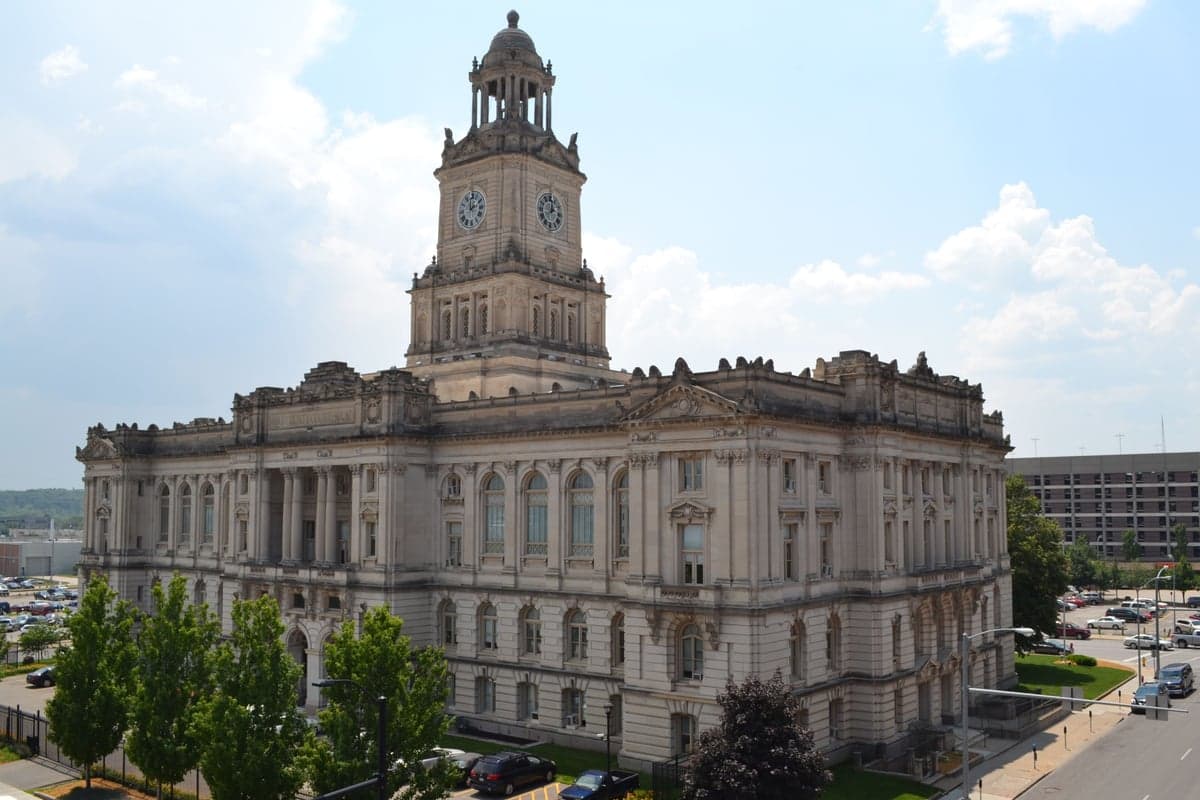
Photo: Wikipedia
Quality of Life in Polk County
A livable area that tracks near national norms for affordability, walkability, and neighborhood health.
What does Quality of Life tell us?
Quality of Life measures an area by evaluating factors like cost of living, nearby amenities, country club access, airport proximity, socioeconomic signals and neighborhood character. For large states, this is a general average — quality of life can vary dramatically between metro areas, suburbs, and rural communities within the same state.
What does this tell us?
Quality of Life measures an area by evaluating factors like cost of living, nearby amenities, country club access, airport proximity, socioeconomic signals and neighborhood character. For large states, this is a general average — quality of life can vary dramatically between metro areas, suburbs, and rural communities within the same state.
Cost of Living
7% below national average
115%
The Real Cost of Living in Polk County for 2026
| Tier | Individual | Family (4) |
|---|---|---|
| Survival | $18k | $33k |
| Comfortable | $48k | $71k |
| Luxury | $139k+ | $216k+ |
| Elite (Top 5%) | $164k+ | $254k+ |
Quality-of-Life Analysis
Polk County, Iowa, offers a broad quality-of-life spectrum that ranges from the dense urban core of Des Moines to quiet, unincorporated crossroads, attracting everyone from young professionals and remote workers to farmers and retirees. The county’s overall cost of living index sits at 93 (7% below the U.S. average), with a median home value of $248,400 and median rent of $1,113, but these figures mask significant variation between its largest city and its rural towns. The average commute of just under 20 minutes is a key draw, making even the most distant rural pockets feel connected to the region’s job centers.
Largest town(s) & population centers
Des Moines is the county’s anchor and the state capital, home to roughly 215,000 residents. Daily life here is defined by a walkable downtown core with the East Village, the Des Moines Art Center, and the Iowa Cubs at Principal Park, alongside a growing tech and insurance sector anchored by employers like Principal Financial and Wells Fargo. Suburban enclaves within the county—such as West Des Moines, Urbandale, and Clive—offer top-rated school districts (West Des Moines Community Schools and Urbandale Community School District) and extensive retail corridors like Jordan Creek Town Center. These areas see median home values well above the county average, often exceeding $350,000, and attract families and professionals seeking shorter commutes and high walkability scores. Ankeny, the county’s fastest-growing city (population ~75,000), blends new housing developments with a historic downtown and strong ties to Des Moines Area Community College, making it a magnet for first-time homebuyers and young families.
Smaller towns & rural pockets
Beyond the metro core, Polk County contains several smaller incorporated towns that retain distinct identities. Altoona (population ~20,000) is known for Adventureland Park and Prairie Meadows Casino, offering entertainment and employment, while its housing stock remains more affordable than West Des Moines, with median prices around $260,000. Bondurant (population ~8,000) has seen recent growth but still feels like a small town, with a historic main street and easy access to Des Moines via Highway 65. Mitchellville (population ~2,300) sits on the county’s eastern edge, offering a quieter, more rural lifestyle with larger lots and a strong sense of community, anchored by the Mitchellville Public Library and local parks. Unincorporated areas like Crocker Township and Delaware Township consist of scattered farmsteads and acreages, where residents trade city amenities for privacy, lower property taxes, and direct access to agricultural land. These rural pockets often have median home values below $200,000, though inventory is limited.
Cost & lifestyle range
The cost-of-living spread across Polk County is pronounced. At the high end, West Des Moines and and Clive command median home values near $400,000, with rents averaging $1,400 for a two-bedroom, reflecting demand for premium schools, dining, and retail. At the low end, Mitchellville and unincorporated Crocker Township offer median home values around $180,000–$200,000, with rents as low as $850 for a one-bedroom. The county’s overall median rent of $1,113 is affordable relative to national averages, but renters in Des Moines’ downtown core pay a premium for proximity to jobs and nightlife. Lifestyle choices mirror this range: residents in Altoona and Bondurant enjoy suburban amenities with lower density, while those in Delaware Township live on gravel roads with no streetlights, relying on wells and septic systems. The average commute of 19.9 minutes holds true across most of the county, though rural residents may face slightly longer drives to reach grocery stores or medical facilities in Ankeny or Des Moines.
Polk County’s diversity of settings means it can suit a wide range of preferences, but it is especially well-suited to people who want access to a major metro economy without sacrificing affordability or a short commute. Young professionals and families thrive in the suburban ring of Ankeny, West Des Moines, and Urbandale, while retirees and those seeking land gravitate toward Mitchellville or the rural townships. The county’s low cost of living and strong job market in insurance, finance, and government make it a practical choice for anyone who values proximity to urban amenities but prefers a quieter, more spacious home base.

Crime in Polk County
Generally safer than 69% of comparable U.S. locations.
Violent CrimeViolent Crime Analysis
Property CrimeProperty Crime Analysis
Crime Analysis
Polk County, Iowa, reports a violent crime rate of 229.1 per 100,000 residents and a property crime rate of 1,163.4 per 100,000, placing it above the national average for property offenses but slightly below the national violent crime benchmark. The county's safety profile is heavily shaped by its urban core, Des Moines, which drives the majority of reported incidents, while suburban communities like West Des Moines, Ankeny, and Johnston maintain significantly lower crime rates. Residents and prospective movers should weigh these figures carefully, as the county's progressive judicial leadership in Polk County's District Court has been associated with lenient sentencing patterns that critics argue undermine public safety.
Crime in context
Polk County's violent crime rate of 229.1 per 100,000 is roughly 10% below the national average of 250 per 100,000, but its property crime rate of 1,163.4 per 100,000 exceeds the national average of 1,100 per 100,000 by about 6%. Compared to the state of Iowa, which reports a violent crime rate of approximately 200 per 100,000 and a property crime rate near 1,050 per 100,000, Polk County is elevated in both categories. The disparity is most pronounced in Des Moines, where violent crime rates can exceed 400 per 100,000 in certain neighborhoods, while Ankeny and Waukee report rates below 100 per 100,000. The county's property crime problem is concentrated in auto theft and larceny, with Des Moines accounting for over 60% of all reported incidents.
What residents experience
Residents in Polk County experience a stark divide in daily safety depending on location. In Des Moines, particularly in the Capitol East and River Bend neighborhoods, residents report frequent property crimes such as vehicle break-ins and package theft, with police response times averaging 12-15 minutes for non-emergency calls. Suburban communities like Urbandale and Clive offer a markedly differ, where residents often leave doors unlocked and property crime rates hover around 600 per 100,000. A significant concern for many residents is the county's criminal justice approach under Polk County Attorney John Sarcone and District Court judges who have implemented progressive diversion programs. These programs, while intended to reduce incarceration, have resulted in repeat offenders cycling through the system with minimal consequences. For example, a 2025 audit found that 34% of individuals charged with burglary in Des Moines received deferred judgments or probation-only sentences, a pattern that frustrates victims and emboldens property criminals. The Polk County Jail has also faced criticism for early releases due to capacity issues, with 1,200 inmates released in 2024 before trial on personal recognizance bonds, many of whom reoffended within 90 days.
Neighborhood-level variation is pronounced and predictable. The safest areas are the western and northern suburbs: West Des Moines (violent crime rate 120 per 100,000), Ankeny (95 per 100,000), and Johnston (110 per 100,000). These communities benefit from well-funded police departments and conservative city councils that prioritize enforcement. In contrast, Des Moines' inner-city neighborhoods like Beaverdale and Highland Park see violent crime rates exceeding 350 per 100,000, driven by gang activity and drug trafficking along the I-235 corridor. The South Side of Des Moines has experienced a 15% increase in aggravated assaults since 2022, linked to open-air drug markets, and a district attorney's office that has declined to prosecute 22% of felony arrests in 2025. For families and professionals, the safest strategy is to choose a suburb with its own police force and a city council that rejects progressive criminal justice reforms, as these jurisdictions consistently report the lowest crime rates and highest resident satisfaction.
* Values derived from national, state, county, city and local statistics and may differ in a specific area. Last updated: 2026-05-19T05:11:42.000Z
Narrative content on this page is AI-generated and may contain mistakes. Verify any details that matter before acting on them.
ReloMaps may earn a commission from affiliate links at no extra cost to you.

