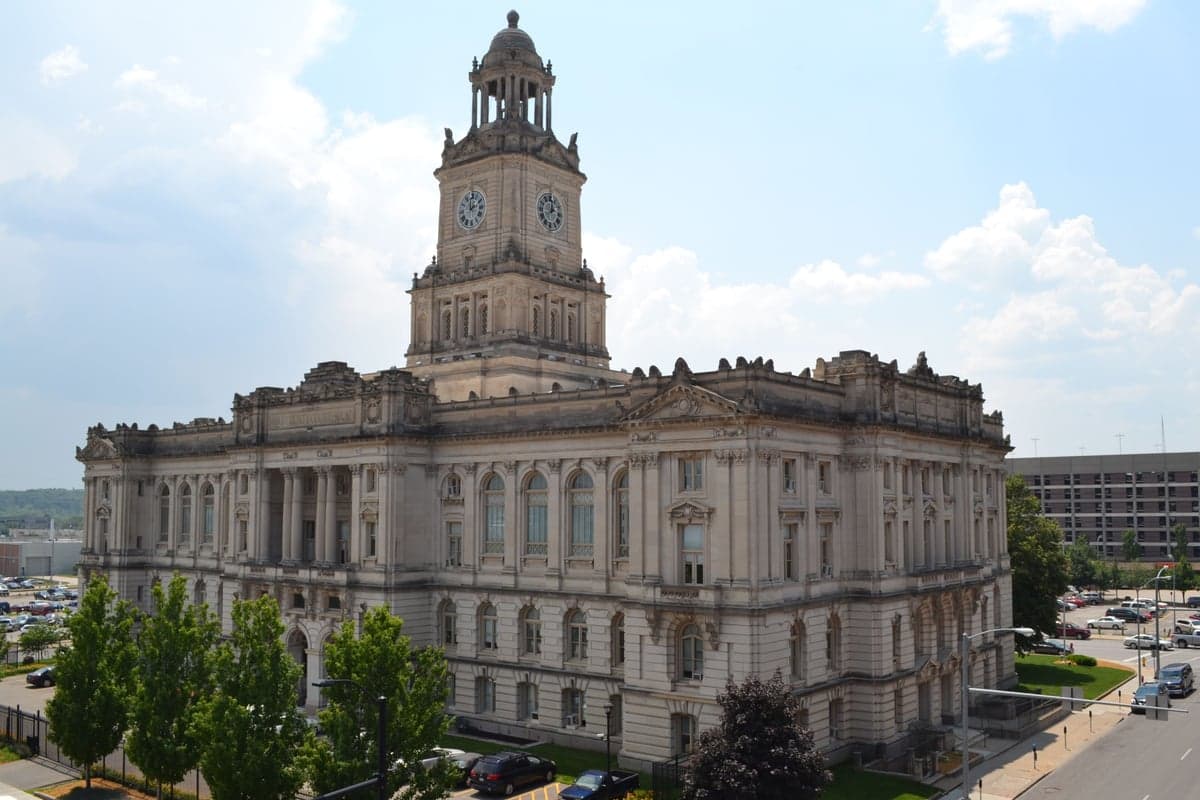
Photo: Wikipedia
Personal Sovereignty in Polk County
Viable for self-reliance. Generally workable, though some barriers may limit total independence.
What does Personal Sovereignty tell us?
Personal Sovereignty measures your capacity for self-reliance and independence with minimal government friction. Higher scores mean fewer barriers between you and the way you want to live... but it assumes you have the space you need and good neighbors.
What does this tell us?
Personal Sovereignty measures your capacity for self-reliance and independence with minimal government friction. Higher scores mean fewer barriers between you and the way you want to live... but it assumes you have the space you need and good neighbors.
State Policy
Energy independence: Importer (50% of energy produced in-state)
Personal Liberty
Homesteading

Personal Liberty Analysis
Polk County, Iowa, offers a notably high degree of personal sovereignty relative to many urbanized areas in the Midwest, but the reality is nuanced depending on whether you're inside the Des Moines city limits or in the more rural townships. While the state of Iowa has moved decisively to protect Second Amendment rights and parental authority, the county's largest city, Des Moines, has a more progressive regulatory posture that can feel intrusive to those prioritizing autonomy. For a conservative-leaning individual or family weighing relocation, the key is understanding that personal freedom in Polk County is a patchwork—strong at the state level, but with local jurisdictions that vary significantly in their appetite for government overreach.
Tax burden and regulatory posture: How Polk County compares to surrounding areas
Iowa's state-level tax climate is generally favorable for those seeking to keep more of their own earnings. The state has a flat income tax rate of 3.8% as of 2025, down from a progressive top rate of 8.53% just a few years ago, and property taxes are moderate—around 1.5% of assessed value on average. However, within Polk County, the picture shifts. Des Moines imposes a local option sales tax of 7% (state + local), which is higher than in outlying communities like Altoona or Ankeny, where the rate is 6%. For a prepper or homesteader, the regulatory posture in Des Moines is the bigger concern: the city has zoning codes that restrict accessory dwelling units, limit livestock, and require permits for even modest structural changes. In contrast, Elkhart and Mitchellville—smaller towns on the county's periphery—have far looser zoning, allowing for more self-sufficient setups without bureaucratic hurdles. If you value minimal government interference in your property, avoid the Des Moines city limits and look to these outer-ring communities where the regulatory touch is lighter touch aligns with a survivalist mindset.
Self-defense and gun law specifics: What you can and cannot do in Polk County
Iowa is a constitutional carry state, meaning no permit is required to carry a concealed firearm for anyone legally allowed to possess one. This is a bedrock freedom that Polk County cannot override at the local level—state preemption is strong. You can carry openly or concealed in most public spaces without a license, including in Des Moines, though private businesses can post signs prohibiting firearms. The county sheriff's office in Polk County is generally pro-Second Amendment, but the Des Moines Police Department has a more mixed reputation among gun owners, with some reporting heightened scrutiny during traffic stops. For those seeking a more gun-friendly culture, Johnston and Grimes are suburban areas where gun ranges and firearm retailers are common, and local law enforcement is known for a hands-off approach to lawful carriers. Stand Your Ground incidents. Iowa's Stand Your Ground law, enacted in 2017, removes the duty to retreat in any place you are lawfully present—a critical protection for self-defense. However, be aware that Polk County's district attorney has occasionally pursued charges in self-defense cases that would have been dropped in more rural counties like Dallas or Madison, so legal risk is slightly higher inside the county's urban core.
Self-reliance and homesteading viability: Lot sizes, zoning, and off-grid feasibility
For those serious about self-reliance, Polk County offers a mixed bag. Inside Des Moines, Des Moines, lot sizes average 6,000 to 8,000 square feet, and zoning prohibits chickens, goats, or any livestock beyond small pets. Rainwater collection is legal but must not interfere with drainage systems, and solar panels are allowed but subject to homeowner association restrictions in many subdivisions. The real opportunity lies in the county's rural fringe. Bondurant and Pleasant Hill have areas zoned for agricultural use where lots of 1 to 5 acres are common, allowing for gardens, small livestock, and even beekeeping without permits. Elkhart is particularly attractive for off-grid feasibility: the town has no municipal water or sewer in many areas, meaning wells and septic systems are standard, and there are no county-level bans on composting toilets or graywater systems. Solar panels with battery storage are unregulated at the county level, though you'll need to coordinate with the local electric cooperative if you want to stay grid-tied. For a prepper, the outer townships of Polk County—especially near the border with Story County—offer the best balance of proximity to Des Moines's infrastructure and the space to live independently.
Personal liberties: Parental rights, medical autonomy, speech, and property
Iowa has been a battleground for parental rights, and recent state laws have strengthened parents' authority over their children's education and medical decisions. The state's "Parents Bill of Rights" (2021) requires schools to notify parents of any curriculum involving sexuality or gender identity, and allows parents to opt their children out of any instruction they find objectionable. In Polk County, school districts vary in compliance: Ankeny and Waukee have been more aligned with conservative values, while Des Moines Public Schools have faced criticism for opaque policies. Medical autonomy is another area where state law provides a floor: Iowa does not mandate COVID-19 or childhood vaccines for school attendance, and there is no state-level vaccine passport system. However, Des Moines has its own public health ordinances that can feel overbearing—for example, masking mandates during outbreaks have been imposed locally. Property rights are well-protected under Iowa law, with strong protections against eminent domain abuse, but Polk County's planning department has a reputation for slow permit approvals and strict building codes in unincorporated areas. Free speech is robust, with no local hate speech ordinances that chill political expression, though Des Moines has a "disorderly conduct" ordinance that has been used to arrest protesters—a potential concern for those who engage in open political dissent.
Overall, Polk County offers a solid foundation for personal sovereignty compared to many urban counties in blue states, but it is not a libertarian paradise. The state-level wins on gun rights, parental authority, and tax reduction are real, but the Des Moines city government consistently pushes back against these freedoms with local ordinances and regulatory creep. For a survivalist or conservative family, the smart play is to locate in the outer-ring communities—Elkhart, Bondurant, or Mitchellville—where the regulatory burden is lighter, the gun culture is stronger, and the norm, and the land is available for genuine self-reliance. If you end up inside the Des Moines city limits, you'll find yourself fighting the same kind of bureaucratic overreach you likely left behind, just with a cornfield backdrop. The county's overall sovereignty rating is a B-minus: strong on paper, but requiring strategic navigation to avoid the local government's reach.

* Values derived from national, state, county, city and local statistics and may differ in a specific area. Last updated: 2026-05-19T05:11:42.000Z
Narrative content on this page is AI-generated and may contain mistakes. Verify any details that matter before acting on them.
ReloMaps may earn a commission from affiliate links at no extra cost to you.

