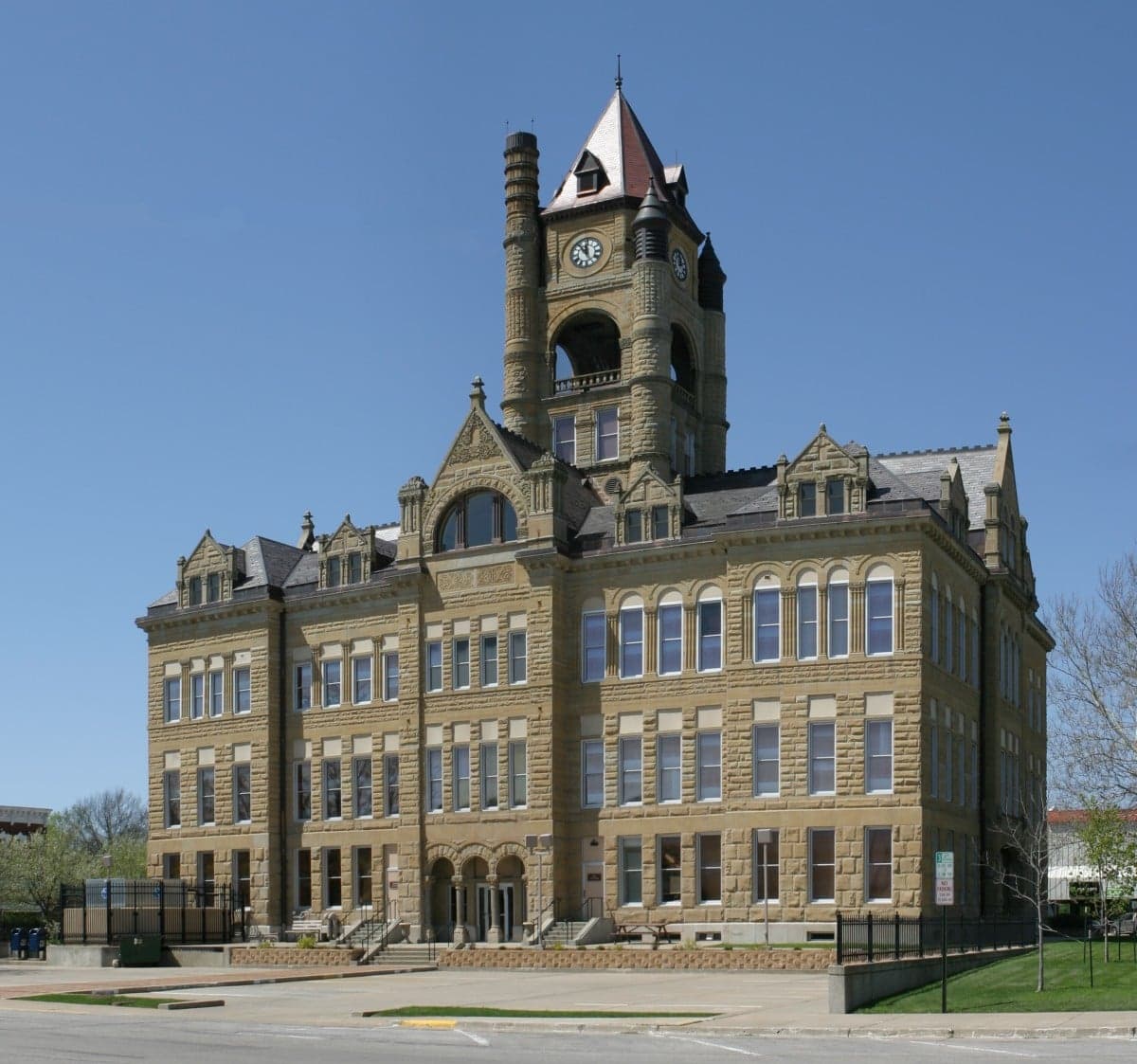
Photo: Wikipedia
Quality of Life in Marion County
A livable area that tracks near national norms for affordability, walkability, and neighborhood health.
What does Quality of Life tell us?
Quality of Life measures an area by evaluating factors like cost of living, nearby amenities, country club access, airport proximity, socioeconomic signals and neighborhood character. For large states, this is a general average — quality of life can vary dramatically between metro areas, suburbs, and rural communities within the same state.
What does this tell us?
Quality of Life measures an area by evaluating factors like cost of living, nearby amenities, country club access, airport proximity, socioeconomic signals and neighborhood character. For large states, this is a general average — quality of life can vary dramatically between metro areas, suburbs, and rural communities within the same state.
Cost of Living
25% below national average
129%
The Real Cost of Living in Marion County for 2026
| Tier | Individual | Family (4) |
|---|---|---|
| Survival | $14k | $26k |
| Comfortable | $41k | $60k |
| Luxury | $129k+ | $200k+ |
| Elite (Top 5%) | $152k+ | $235k+ |
Quality-of-Life Analysis
Marion County, Iowa, offers a spectrum of quality-of-life options that range from the walkable county seat of Knoxville to the quiet, unincorporated crossroads of Bussey and Harvey. The county’s overall cost of living index of 75 (well below the U.S. average of 100) and a median home value of $211,100 make it attractive to first-time homebuyers, retirees seeking affordability, and commuters who work in Des Moines but prefer small-town or rural living. The character of daily life shifts noticeably depending on whether a resident lives in the county’s largest town, one of its smaller incorporated communities, or a true rural pocket.
Largest town(s) & population centers
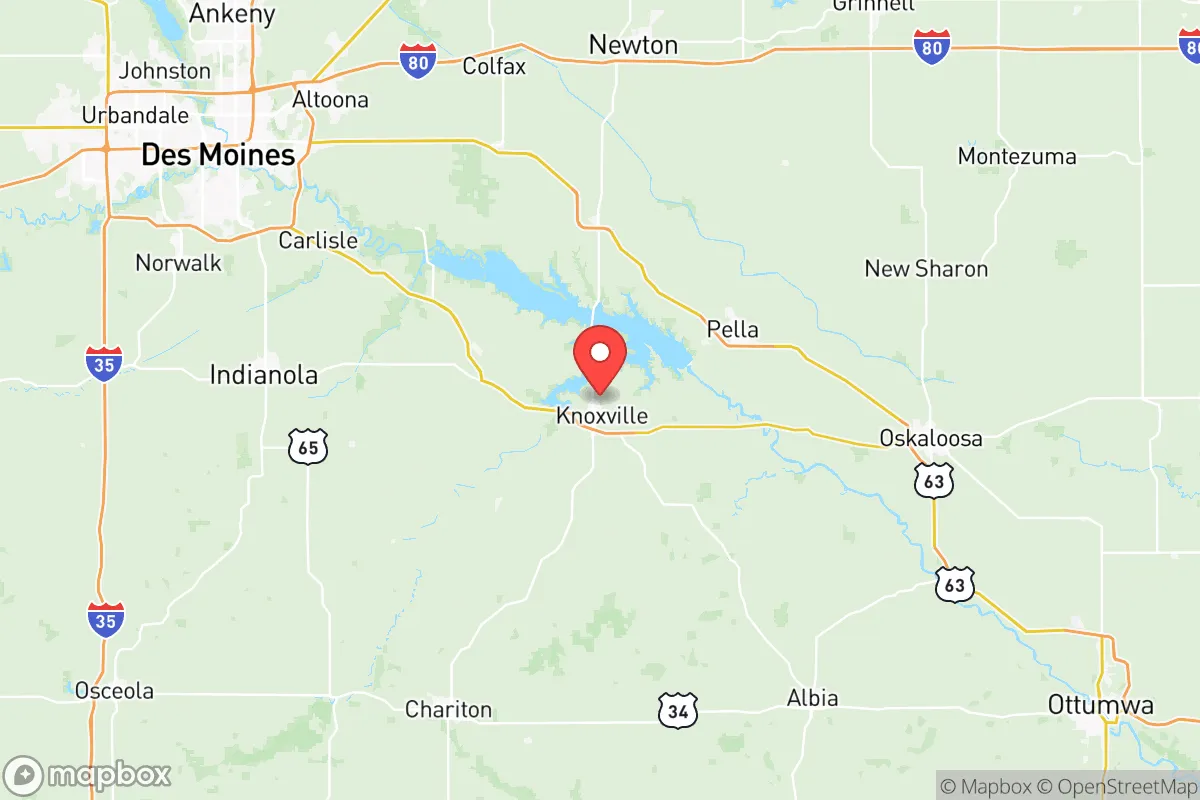
Knoxville, the county seat and largest city (pop. ~7,300), is the commercial and civic hub of Marion County. Daily life here centers around the historic downtown square, which hosts the National Sprint Car Hall of Fame & Museum and a concentration of locally owned restaurants and shops. The Knoxville Community School District serves the town and surrounding area, and the Marion County Park system provides access to Lake Red Rock, Iowa’s largest lake, for boating, fishing, and hiking. Pella, while technically in adjacent Marion County’s northern edge (and partially in Mahaska County), is a major employment and retail draw for the county’s northern residents, though Knoxville remains the primary population center within the county itself. The average commute of roughly 20 minutes reflects that many Knoxville residents work locally or make a manageable drive to Pella or the Des Moines metro (about 40 minutes north).
Smaller towns & rural pockets
Beyond Knoxville, Marion County contains several smaller incorporated communities that offer a quieter, more affordable pace of life. Pleasantville (pop. ~1,700) has a compact downtown, its own school district, and a strong sense of community identity, with residents often citing the annual Pleasantville Fun Days as a social anchor. Melcher-Dallas (pop. ~1,200) sits in the county’s southern tier and provides basic services like a grocery store and a public library, but residents typically commute to Knoxville or Indianola for more extensive shopping and healthcare. Bussey (pop. ~400) and Harvey (pop. ~200) are unincorporated or very small towns where housing is extremely affordable — often below $150,000 — but where amenities are limited to a post office or a single convenience store. The rural areas between these towns are dominated by row-crop agriculture and scattered farmsteads, appealing to those who value privacy, land ownership, and a self-sufficient lifestyle.
Cost & lifestyle range
The cost of living in Marion County varies modestly across its geography, but the differences in lifestyle are more pronounced. At the higher end of the spectrum, Knoxville offers median home values around $211,100 and median rents of $880, with access to a hospital (Knoxville Hospital & Clinics), a YMCA, and multiple grocery stores. In contrast, Bussey and Harvey represent the low-cost, low-amenity end: homes can be found for under $100,000, but residents must drive 15–25 minutes to Knoxville for a full-service grocery store or pharmacy. Pleasantville and Melcher-Dallas sit in the middle, with home values typically ranging from $120,000 to $180,000 and a modest set of local businesses, but still requiring a commute to Knoxville or Pella for major errands. Property taxes in Marion County are relatively low compared to the national average, reinforcing the county’s appeal for budget-conscious households. The trade-off is clear: Knoxville provides convenience and community infrastructure, while the smaller towns and rural areas offer deeper affordability and space at the cost of proximity to services.
Marion County is best suited for residents who value a low cost of living, short commutes, and a slower pace of life, but who are willing to accept fewer urban amenities than a Des Moines suburb would provide. First-time homebuyers and retirees are especially well-positioned here, as the county’s housing market remains accessible and its tax burden is light. Families who prioritize school district quality may gravitate toward Knoxville or Pleasantville, while those seeking acreage and solitude will find the rural pockets around Bussey and Harvey to be among the most affordable in central Iowa.

Crime in Marion County
Generally safer than 69% of comparable U.S. locations.
Violent CrimeViolent Crime Analysis
Property CrimeProperty Crime Analysis
Crime Analysis
Marion County, Iowa, reports a violent crime rate of 230.9 incidents per 100,000 residents and a property crime rate of 1,168.5 per 100,000, placing it in a moderate safety tier relative to both state and national averages. The county's largest population center, Pella, consistently records lower crime figures than the countywide average, while the unincorporated areas and smaller towns like Knoxville and Pleasantville experience a mix of rural property crime and occasional violent incidents. Overall, the county's safety profile is shaped by its small-town character and the absence of the concentrated urban crime problems seen in larger Iowa metros like Des Moines or Cedar Rapids.
Crime in context
Marion County's violent crime rate of 230.9 per 100,000 sits roughly 20% below the national average of about 280 per 100,000, but slightly above the Iowa state average of approximately 210 per 100,000. The property crime rate of 1,168.5 per 100,000 is notably lower than the national figure of roughly 1,950 per 100,000, though it aligns closely with the Iowa state average. The county's crime index suggests that residents face a lower risk of property theft and burglary than in many parts of the Midwest, but the violent crime rate warrants attention, particularly in specific localities. The 5th Judicial District, which covers Marion County along with several neighboring counties, operates under a prosecutorial approach that has generally maintained moderate conviction rates, though critics note that progressive sentencing reforms in Iowa's court system have led to shorter sentences for repeat property offenders, contributing to recidivism in rural areas.
What residents experience
Residents of Pella, the county's largest city with roughly 10,000 people, report feeling safe walking downtown and using city parks, with the Pella Police Department maintaining a visible community presence. Knoxville, home to the Knoxville Raceway and a population of about 7,300, sees a higher incidence of property crime, particularly vehicle break-ins and theft from outbuildings, which aligns with patterns across rural Iowa. Pleasantville and Melcher-Dallas, smaller communities in the county's southern half, experience occasional burglaries and domestic violence incidents, but violent stranger-on-stranger crime remains rare. The Marion County Sheriff's Office, based in Knoxville, handles law enforcement for unincorporated areas and coordinates with city police departments. Residents commonly cite concerns about theft of agricultural equipment and tools, a persistent issue in farming communities, as well as drug-related offenses tied to methamphetamine and opioid use, which drive a portion of the county's property crime.
Neighborhood-level variation
Crime in Marion County is not evenly distributed. Pella's historic district and newer subdivisions on the city's west side report near-zero violent crime and property crime rates well below the county average, while rental-heavy areas near Central College see occasional theft and vandalism. Knoxville's downtown core and the neighborhoods immediately surrounding the raceway experience higher foot traffic and correspondingly higher rates of minor property crime, though violent incidents are sporadic. The unincorporated areas east of Lake Red Rock, a popular recreation destination, see seasonal spikes in theft from vehicles and cabins, particularly during summer weekends when transient visitors increase. Prospective residents should note that the county's rural character generally supports low crime, but the progressive lean of the 5th Judicial District's bench, which includes judges appointed under Iowa's merit selection system, has resulted in a pattern of reduced sentences for nonviolent property offenders, a factor that some residents believe emboldens repeat criminals in smaller communities like Bussey and Harvey.
* Values derived from national, state, county, city and local statistics and may differ in a specific area. Last updated: 2026-07-26T11:16:35.000Z
Narrative content on this page is AI-generated and may contain mistakes. Verify any details that matter before acting on them.
ReloMaps may earn a commission from affiliate links at no extra cost to you.

