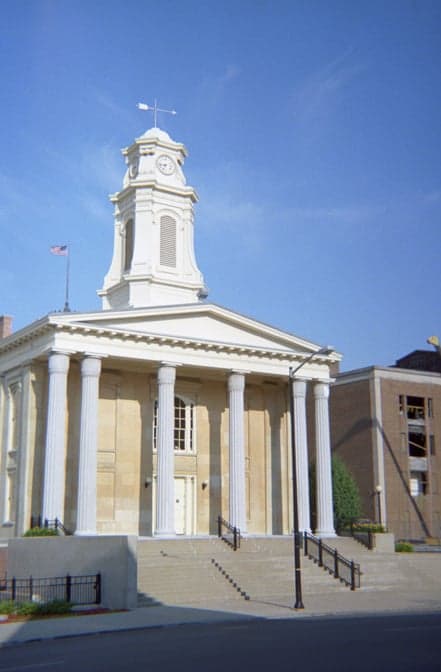
Photo: Wikipedia
Quality of Life in St Joseph County
A livable area that tracks near national norms for affordability, walkability, and neighborhood health.
What does Quality of Life tell us?
Quality of Life measures an area by evaluating factors like cost of living, nearby amenities, country club access, airport proximity, socioeconomic signals and neighborhood character. For large states, this is a general average — quality of life can vary dramatically between metro areas, suburbs, and rural communities within the same state.
What does this tell us?
Quality of Life measures an area by evaluating factors like cost of living, nearby amenities, country club access, airport proximity, socioeconomic signals and neighborhood character. For large states, this is a general average — quality of life can vary dramatically between metro areas, suburbs, and rural communities within the same state.
Cost of Living
21% below national average
126%
The Real Cost of Living in St Joseph County for 2026
| Tier | Individual | Family (4) |
|---|---|---|
| Survival | $16k | $31k |
| Comfortable | $35k | $51k |
| Luxury | $117k+ | $182k+ |
| Elite (Top 5%) | $146k+ | $227k+ |
Quality-of-Life Analysis
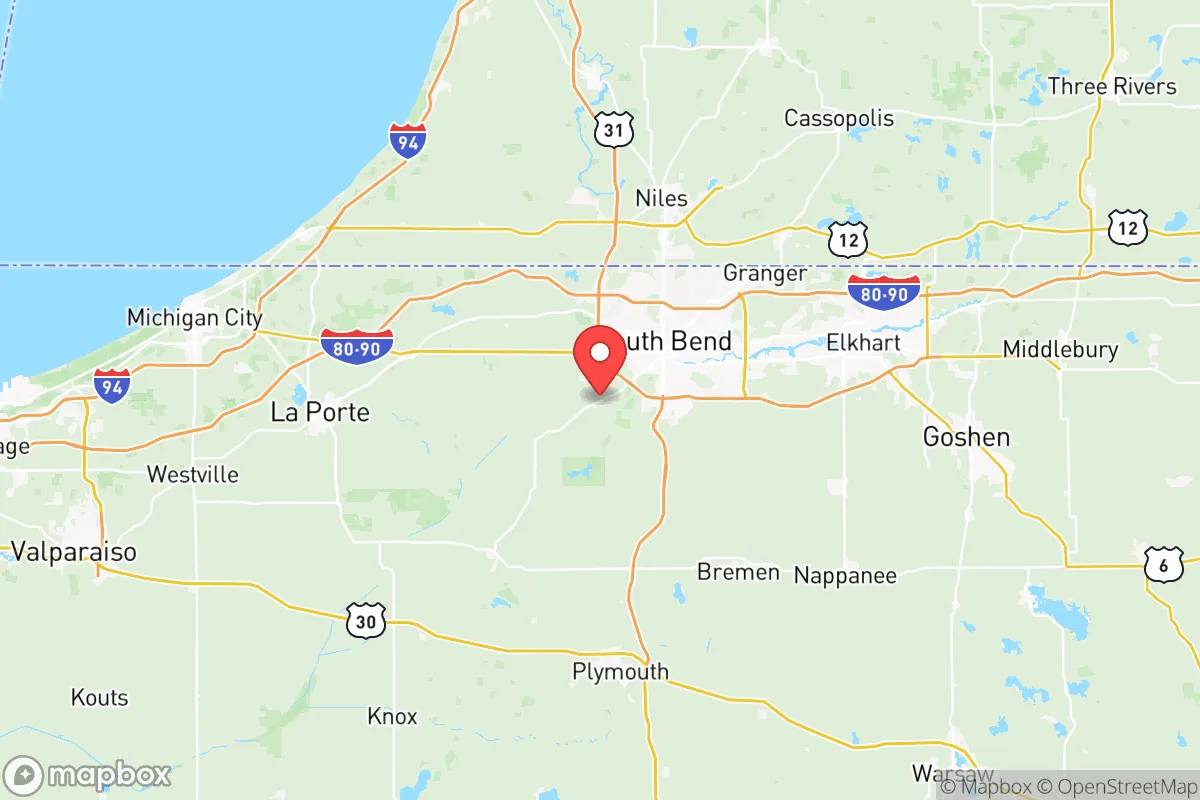
St Joseph County, Indiana offers a distinct quality-of-life spectrum that ranges from the dense urban environment of its core city to quiet agricultural crossroads, all within a county where the cost of living index sits at 79 (21 percent below the national average). The county attracts university-affiliated residents, manufacturing workers, and commuters to South Bend's employment base, along with families and retirees seeking the lower land costs and slower pace of the county's rural townships. This spread means a single county covers the amenities of a mid-sized city, the character of historic small towns, and the open space of working farmland.
Largest town(s) & population centers
South Bend is the county seat and dominant population center, home to roughly 103,000 residents and the University of Notre Dame. Daily life here centers on the mixed economy of education at Notre Dame and Indiana University South Bend, healthcare at Beacon Health System, and manufacturing at Honeywell and AM General. The city offers walkable neighborhoods like the arts-focused East Bank and the near-campus Eddy Street Commons, plus a growing downtown dining scene. The average commute across the county is 21.3 minutes, reflecting a manageable drive time even for workers living outside the city limits. Mishawaka, directly east of South Bend and with about 50,000 residents, functions as a complementary population center with a stronger retail and manufacturing base; its Grape Road corridor is a regional shopping destination, while the Riverwalk along the St Joseph River provides recreation. Together, these two cities concentrate most of the county's jobs, entertainment, and higher-density housing options.
Smaller towns & rural pockets
Granger, unincorporated and in the southeastern part of the county, is a suburban bedroom community with top-rated Penn-Harris-Madison schools and large single-family homes on 1- to 5-acre lots. It offers a quieter alternative to city living while remaining within 15 minutes of South Bend. Osceola, a small incorporated town of about 2,600, retains a historic downtown with a hardware store and diner while seeing new subdivision development along the St Joseph River. Walkerton, in the county's far northwest, is a true farming town of roughly 2,100 residents with a compact grid of older homes and direct access to country roads. Lakeville in the southwest corner sits near Potato Creek State Park and offers rural lakefront living with a strong community school identity. The rural pockets within Penn, Clay, and Centre townships consist of active corn and soybean farms interspersed with acreage homes, where properties often sit on 5 to 40 acres and residents rely on well water and septic systems.
Cost & lifestyle range
The county offers a clear cost gradient from its urban core outward. In South Bend's near-west side and downtown, older homes under $120,000 are common, with the county's median home value at $179,800 and median rent at $1,030 — both well below national averages. Young renters and investors gravitate to these lower-cost urban areas, where walkability to bars and restaurants is highest. Mid-range suburbs like Mishawaka's east side and parts of Granger see homes from $250,000 to $400,000 for newer construction on quarter-acre lots, appealing to families prioritizing school quality. At the high end, executive homes on the St Joseph River in Granger and along the chain-of-lakes in the county's northwest corner can exceed $600,000, offering water access and larger acreage. Rural towns like Walkerton and Lakeville sit at the county's price floor for land, where a 3-bedroom farmhouse on 10 acres might still sell for $180,000 to $220,000, though commute times to South Bend stretch to 30–35 minutes. Property tax rates average about 1.2 percent of assessed value, which keeps housing affordable across the entire spectrum.
This county works best for people who want access to a regional employment and university center without paying big-city housing costs. Empty-nesters and remote workers find value in the river and lake properties near Granger and Lakeville, while first-time buyers and manufacturing employees can still enter the market affordably in South Bend's older neighborhoods. The dominant lifestyle is car-dependent, but the short average commute means even rural residents can reach city amenities in under half an hour. For those willing to accept the limits of a smaller urban core in exchange for one of the Midwest's lowest housing cost burdens, St Joseph County delivers a pragmatic blend of city and country living.

Crime in St Joseph County
Generally safer than 59% of comparable U.S. locations.
Violent CrimeViolent Crime Analysis
Property CrimeProperty Crime Analysis
Crime Analysis
St Joseph County, located in northern Indiana and anchored by the city of South Bend, presents a mixed safety picture for potential residents. Countywide data shows 263 violent crimes per 100,000 residents and 1,093.6 property crimes per 100,000 residents, placing it above the national average for property crime while remaining close to the national violent crime rate of roughly 380 per 100,000. These numbers represent a midpoint between the safer suburban communities and the higher-crime pockets within the county, which includes the cities of Mishawaka, Granger, and Osceola alongside South Bend.
Crime in context
Compared to Indiana's statewide average of approximately 320 violent crimes per 100,000 residents, St Joseph County's violent crime rate of 263 per 100,000 is actually about 18% lower — a positive finding for those considering relocation. However, property crime in the county significantly exceeds both state and national norms. The 1,093.6 property crime rate in St Joseph County is roughly 35% higher than the national average of about 800 per 100,000. This property crime disparity is driven largely by theft and vehicle break-ins, which are concentrated in commercial corridors and areas with higher rental density. The county's crime index of 263 for violent offenses places it among the safer quartile of Indiana counties for person-on-person crime, but property crime remains a concern, particularly in and around South Bend's downtown core and along the Mishawaka retail corridor near the University Park Mall.
What residents experience
Daily life for most St Joseph County residents involves typical suburban precautions — locking cars, securing garages, and avoiding high-crime blocks late at night. The violent crime rate of 263 per 100,000 translates to about 1 violent crime per 380 residents annually, meaning most neighborhoods go years without a reported incident. However, property crime is more pervasive: a rate of 1,093.6 per 100,000 works out to roughly 1 property crime per 91 residents per year. Residents in Granger and the western parts of Mishawaka near the St Joseph River consistently report feeling safe walking after dark, while those in South Bend's near-west side and certain areas around the Indiana University South Bend campus advise caution. The county's criminal justice system, overseen by the St Joseph County Prosecutor's Office and the St Joseph Superior Court judges, operates within a political culture that leans progressive — South Bend's elected leadership has historically championed criminal justice reform, diversion programs, and reduced sentencing for nonviolent offenses. While these policies aim to reduce incarceration rates, critics point out that they can result in lower prosecution rates and quicker release of repeat offenders, which directly contributes to higher property crime rates and a sense that consequences are not deterrents. The St Joseph County Community Corrections department has expanded pre-trial release and alternative sentencing, meaning some offenders avoid jail time for theft and burglary that would have carried incarceration in more conservative jurisdictions.
Neighborhood-level variation is pronounced. The safest areas in St Joseph County are concentrated in Granger, a census-designated place in the northern part of the county with crime rates roughly 40% lower than the county average. Mishawaka's historic downtown and the area around Battell Park also report below-average crime, while Osceola to the east maintains a small-town feel with minimal violent crime. The most significant crime challenges cluster in South Bend's urban core: the Near Northwest Neighborhood, the Southeast Side, and the River Park area all see property crime rates that can exceed 2,000 per 100,000. Potential residents are advised to consult the St Joseph County Police Department's public crime maps and speak with local real estate agents familiar with micro-neighborhood trends before committing to a specific address.
* Values derived from national, state, county, city and local statistics and may differ in a specific area. Last updated: 2026-06-29T01:30:02.000Z
Narrative content on this page is AI-generated and may contain mistakes. Verify any details that matter before acting on them.
ReloMaps may earn a commission from affiliate links at no extra cost to you.

