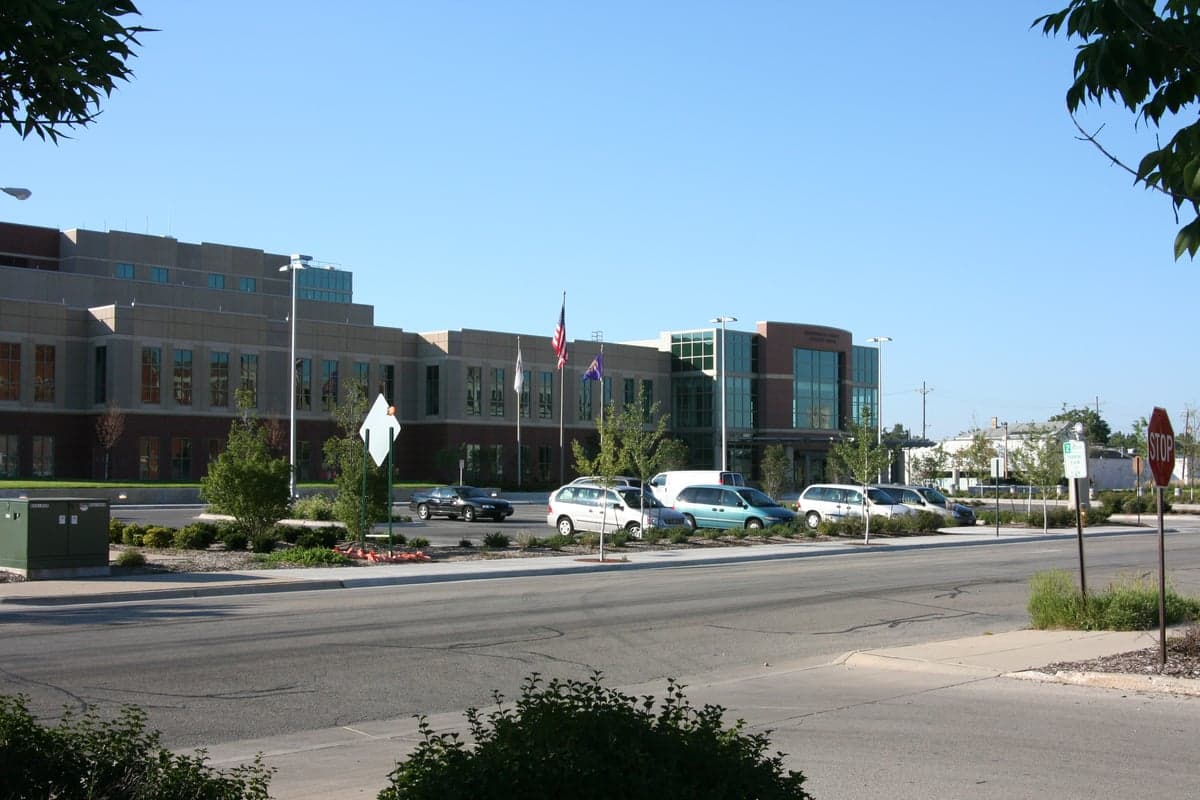
Photo: Wikipedia
Personal Sovereignty in Winnebago County
Viable for self-reliance. Generally workable, though some barriers may limit total independence.
What does Personal Sovereignty tell us?
Personal Sovereignty measures your capacity for self-reliance and independence with minimal government friction. Higher scores mean fewer barriers between you and the way you want to live... but it assumes you have the space you need and good neighbors.
What does this tell us?
Personal Sovereignty measures your capacity for self-reliance and independence with minimal government friction. Higher scores mean fewer barriers between you and the way you want to live... but it assumes you have the space you need and good neighbors.
State Policy
Energy independence: Importer (45% of energy produced in-state)
Personal Liberty
Homesteading

Personal Liberty Analysis
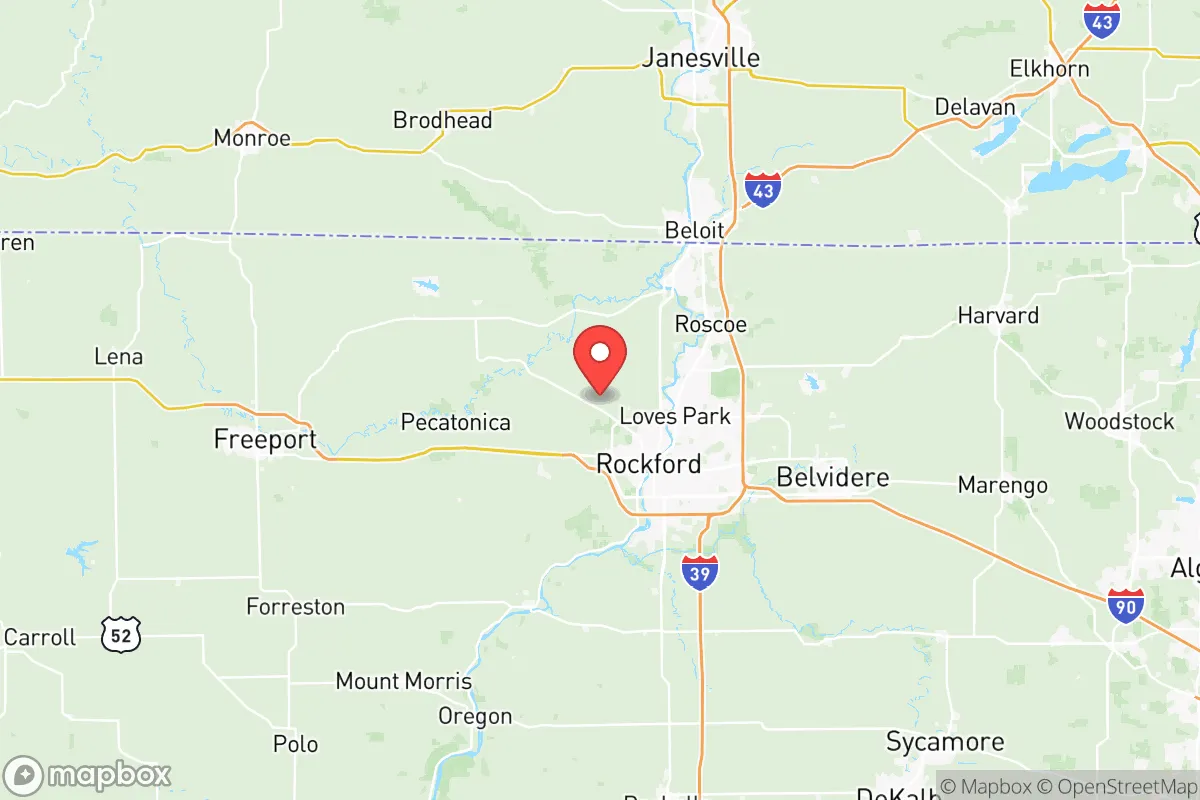
Winnebago County, anchored by the city of Rockford, presents a nuanced environment for personal sovereignty that balances Illinois’s strong state-level regulatory framework with a local culture that prizes self-reliance and independence. While residents must contend with a statewide income tax and firearm licensing requirements, the county’s rural townships and unincorporated areas offer significantly more breathing room for those seeking to live with fewer constraints than what is typical in the Chicago metropolitan area. For the individual or family prioritizing autonomy, the key is understanding where within the county—from the agricultural outskirts of Pecatonica to the more developed suburbs of Machesney Park—the balance of freedom and regulation aligns with their specific priorities.
Tax burden and regulatory posture in Winnebago County
Illinois imposes a flat 4.95% personal income tax and a state sales tax of 6.25%, to which Winnebago County adds a local rate that brings the total to approximately 8.25% in most areas. Property taxes are the most significant local burden, with the county’s effective rate hovering around 2.1% of assessed home value—among the higher rates in the nation. However, the regulatory posture varies considerably within the county. The city of Rockford enforces a more structured zoning and business licensing code, while townships like Durand and Pecatonica operate with a lighter touch, particularly for agricultural and home-based enterprises. For a self-employed individual or small business owner, locating in an unincorporated area of the county can reduce permitting friction and lower the effective tax burden through fewer municipal levies. The county’s overall regulatory environment is best described as moderate—state-level mandates are unavoidable, but local enforcement in the western and northern townships is notably less aggressive than in the urban core.
Self-defense and gun law specifics in Winnebago County
Illinois requires a Firearm Owner’s Identification (FOID) card to possess any firearm or ammunition, a process that includes a background check and can take several months. For concealed carry, a separate license is mandatory, requiring 16 hours of training and a $150 fee. Despite these state-level hurdles, Winnebago County has a robust gun culture, particularly in its rural communities. In towns like Winnebago and Roscoe, firearm ownership is common, and local gun shops and shooting ranges are well-supported. The county sheriff’s office has historically been more accommodating in issuing concealed carry licenses than some downstate counterparts, though the process remains state-controlled. Open carry is prohibited statewide, and the city of Rockford has additional ordinances restricting discharge of firearms within city limits. For the self-defense-minded individual, living in the unincorporated areas or smaller towns within the county provides the most practical freedom to own, store, and use firearms for personal protection, while still operating within Illinois’s comprehensive legal framework.
Self-reliance and homesteading viability in Winnebago County
Homesteading and off-grid living are viable in Winnebago County, but feasibility depends heavily on location. Unincorporated areas and townships like Durand and Pecatonica offer minimum lot sizes of 1 to 5 acres in agricultural zones, providing ample space for gardens, small livestock, and even alternative energy installations. Zoning in these areas generally permits accessory structures like barns, greenhouses, and workshops without extensive permitting. Off-grid systems, such as solar panels and rainwater collection, are legal but must comply with state health codes for potable water and septic systems—a requirement that adds some cost but is manageable. In contrast, subdivisions in Machesney Park and Loves Park have homeowners’ association covenants that restrict livestock, outdoor storage, and sometimes even clotheslines. For the serious homesteader, the western and northern reaches of the county offer the most freedom, with lower land prices and fewer regulatory barriers than the urbanized eastern corridor along the Rock River.
Personal liberties in Winnebago County
Parental rights in Illinois are generally protected under state law, with parents retaining authority over their children’s education, medical decisions, and religious upbringing. Winnebago County has a mix of public, private, and homeschool options, with homeschooling being a straightforward choice that does not require state approval—only a notification of intent. Medical autonomy is more constrained at the state level, with Illinois mandating certain vaccinations for school attendance and maintaining a robust public health apparatus. However, the county’s rural character supports a culture of medical freedom, with several independent healthcare providers and a growing interest in direct-primary care arrangements. Free speech and property rights are protected under the U.S. and Illinois constitutions, though the city of Rockford has enacted noise and signage ordinances that can limit expressive activities in public spaces. In the smaller towns and unincorporated areas, these restrictions are minimal, and property owners generally enjoy broad latitude to use their land as they see fit, provided they meet basic health and safety codes.
Overall, Winnebago County offers a moderate level of personal sovereignty relative to other Illinois counties, falling well short of the freedom found in states like Texas or New Hampshire but providing significantly more autonomy than Cook County or the collar counties around Chicago. The key differentiator is geography: residents of Durand, Pecatonica, and Winnebago enjoy a regulatory environment that is far lighter than what is experienced in Rockford or its immediate suburbs. For the conservative-leaning individual or family who values self-reliance, the county’s rural townships present a practical compromise—access to urban amenities within a 20-minute drive, combined with the space and permissiveness to live with a high degree of independence. The trade-off is accepting Illinois’s state-level tax and gun laws, which are among the more restrictive in the nation, but for those who prioritize local autonomy and community culture, Winnebago County remains a viable option in the upper Midwest.

* Values derived from national, state, county, city and local statistics and may differ in a specific area. Last updated: 2026-07-04T05:42:17.000Z
Narrative content on this page is AI-generated and may contain mistakes. Verify any details that matter before acting on them.
ReloMaps may earn a commission from affiliate links at no extra cost to you.

