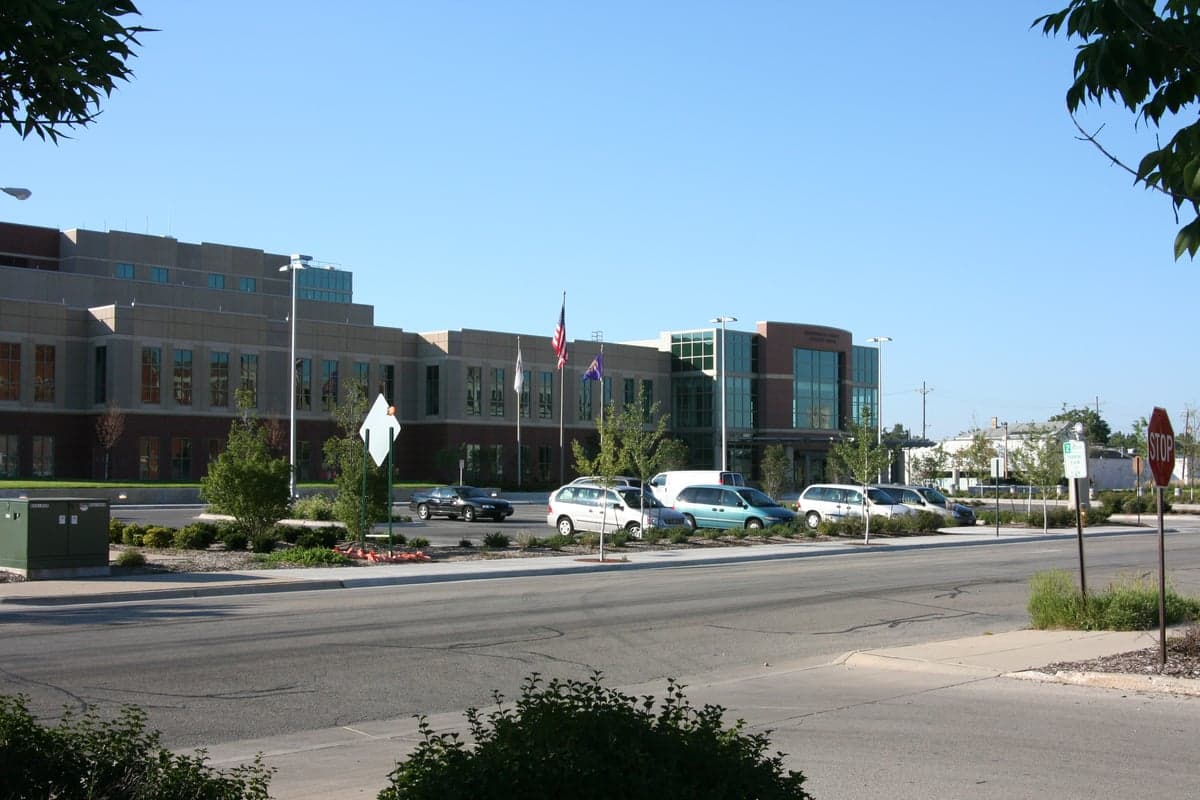
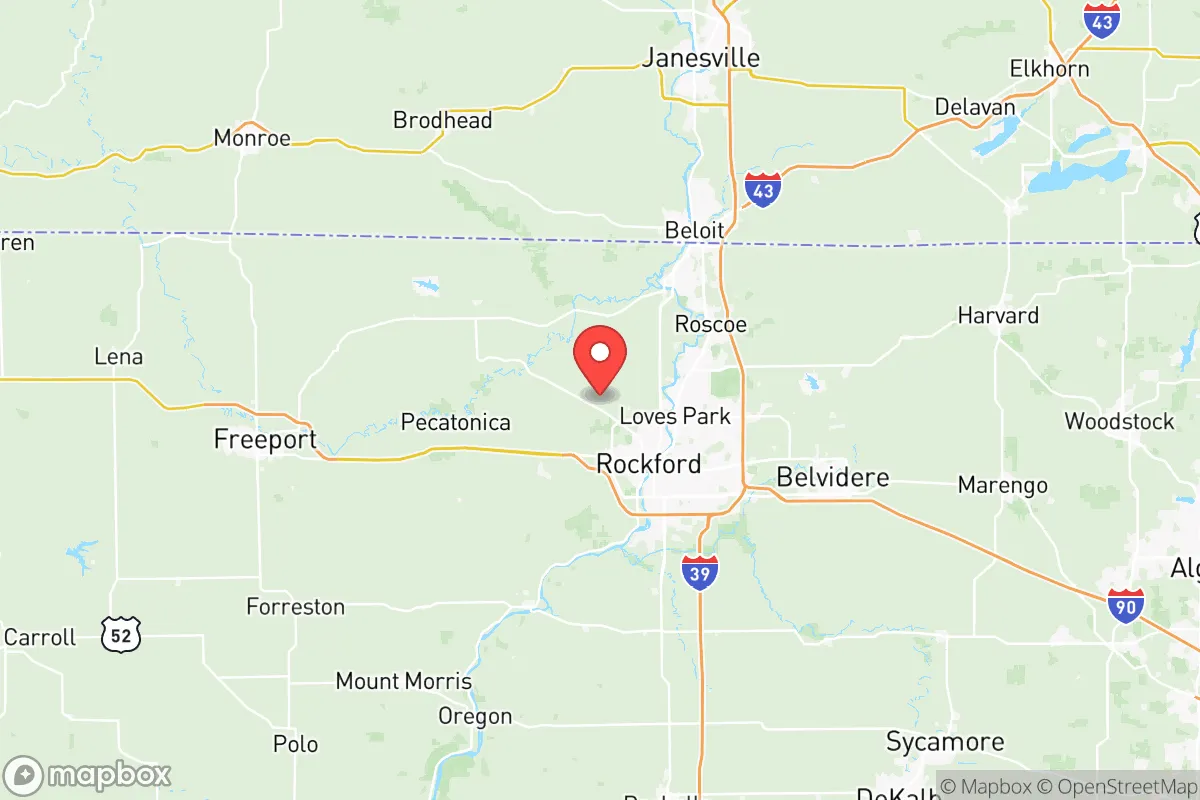
Photo: Wikipedia
Find The Best Places To Live in Winnebago County
PRO TIP! You can paste a Zillow or Redfin link to get info on that property.
Best Places to Live in Winnebago County
Cities & Towns in Winnebago County
Cities in Winnebago County
What It's Like Living in Winnebago County, IL
Living in Winnebago County means being part of a place that feels like the real Midwest — a mix of Rust Belt resilience, small-town familiarity, and the kind of affordability that lets you actually own a house and raise a family without constantly worrying about money. The county is anchored by Rockford, its largest city, but the character shifts noticeably as you move through places like Loves Park, Machesney Park, Roscoe, and the quieter rural stretches around Pecatonica and Durand. It’s a region where people tend to stay put, where high school football games still draw big crowds, and where you can grab a beer at a neighborhood tavern or spend a Saturday hiking along the Rock River without fighting crowds.
Daily Rhythm and the People Who Fit Here
Life in Winnebago County moves at a deliberate, unflashy pace. The median age is 39.7, which reflects a population that’s largely settled — families raising kids, empty-nesters who’ve been here for decades, and younger singles working in manufacturing, healthcare, or logistics. The median household income sits at $64,363, which goes a long way when your cost of living index is 73 — well below the national average. A typical weekday involves a commute of about 23 minutes, which means you’re not spending hours in the car like you would in Chicago or even Madison. People shop at local grocery chains like Woodman’s or Schnucks, grab coffee at a Rockford staple like Meg’s Daily Grind, and spend evenings at youth soccer games or high school theater productions. The kind of person who fits here values stability over flash — someone who’d rather have a 1,500-square-foot house with a yard in Machesney Park than a cramped apartment in a trendier city.
That said, the county isn’t for everyone. Only about 24.6% of adults hold a bachelor’s degree, so if you’re looking for a dense network of white-collar professionals or a thriving startup scene, you’ll find more of that in the suburbs of Chicago or Minneapolis. The job market leans heavily on manufacturing (think UTC Aerospace, Woodward, and Fiat Chrysler) and healthcare (OSF HealthCare and Mercyhealth are major employers). If you work in tech or finance, you’ll likely be commuting or working remotely for an out-of-town company.
Sports, Community, and What People Actually Do
Sports are a genuine thread in the county’s social fabric. Rockford is home to the Rockford IceHogs, the AHL affiliate of the Chicago Blackhawks, and games at the BMO Center are a reliable Friday or Saturday night out — affordable, loud, and full of families. High school sports are a bigger deal here than in many parts of the country; Friday-night football at Boylan Catholic or Hononegah High School in Rockton draws alumni and neighbors who never even attended the school. The Rockford Rivets, a summer collegiate baseball team, play at Rivets Stadium in Loves Park and offer a cheap, low-key evening out. For outdoor recreation, the Rock River runs through the heart of the county, and people use it for kayaking, fishing, and riverside walks at places like Blackhawk Springs Forest Preserve or the Sinnissippi Park trails. In winter, the action shifts to indoor sports and ice fishing — it’s not a destination for skiing, but locals make do.
Festivals and community events fill the warmer months. Rockford’s On the Waterfront is the big one — a four-day music and arts festival that’s been running for decades, drawing national acts and local vendors. Smaller towns like Roscoe host their own events, like the Roscoe Fall Festival, which is exactly the kind of parade-and-carnival affair that defines small-town Midwest summers. For dining, you’ll find solid Italian beef and pizza — Lino’s in Rockford is a local institution — and a surprising number of craft breweries like Urban Forest and Pig Minds Brewing Co. in Machesney Park. If you’re looking for nightlife, downtown Rockford has a handful of bars and music venues, but it’s not a late-night city; most places wind down by midnight.
Pros and Cons of Living Here
The biggest upside is financial. With a median home value of $155,100, you can buy a solid three-bedroom house in Loves Park or Rockton for what a down payment would cost in Denver or Nashville. That affordability is the main reason people move here from pricier parts of Illinois or neighboring Wisconsin. The cost of living index of 73 means your paycheck stretches further on groceries, utilities, and rent. The downside is that the local economy doesn’t produce a ton of high-income jobs, so if you’re not in manufacturing, healthcare, or a trade, you may struggle to find work that matches your skills. The violent crime rate is 242.4 per 100,000, which is higher than the national average — though that figure is heavily concentrated in certain parts of Rockford, not in the suburbs or rural towns. Property crime is a more consistent frustration, especially car break-ins and theft from sheds or garages in areas near major roads.
Weather is another trade-off. Summers are genuinely pleasant — warm, humid, with plenty of lake-effect moderation from nearby Lake Michigan. Winters are long, gray, and cold, with snow sticking around from December through early March. If you hate shoveling, you’ll hate January in Winnebago County. Schools are a mixed bag; Rockford Public Schools have struggled with funding and performance, which is why many families choose to live in the Roscoe or Hononegah school districts, which are consistently rated higher. The county’s population of 283,289 gives it enough density to support shopping, healthcare, and entertainment, but without the sprawl and traffic of a major metro. It’s a place where you can still find a quiet gravel road to drive on a Sunday afternoon, and where your neighbors will help you dig your car out of a snowbank without being asked.

* Values derived from national, state, county, city and local statistics and may differ in a specific area. Last updated: 2026-07-04T05:42:17.000Z
Narrative content on this page is AI-generated and may contain mistakes. Verify any details that matter before acting on them.
ReloMaps may earn a commission from affiliate links at no extra cost to you.

