Photo: Wikipedia
Quality of Life in Illinois
A livable area that tracks near national norms for affordability, walkability, and neighborhood health.
What does Quality of Life tell us?
Quality of Life measures an area by evaluating factors like cost of living, nearby amenities, country club access, airport proximity, socioeconomic signals and neighborhood character. For large states, this is a general average — quality of life can vary dramatically between metro areas, suburbs, and rural communities within the same state.
What does this tell us?
Quality of Life measures an area by evaluating factors like cost of living, nearby amenities, country club access, airport proximity, socioeconomic signals and neighborhood character. For large states, this is a general average — quality of life can vary dramatically between metro areas, suburbs, and rural communities within the same state.
Cost of Living
1% below national average
114%
The Real Cost of Living in Illinois for 2026
| Tier | Individual | Family (4) |
|---|---|---|
| Survival | $20k | $37k |
| Comfortable | $49k | $72k |
| Luxury | $148k+ | $229k+ |
| Elite (Top 5%) | $187k+ | $289k+ |
Quality-of-Life Analysis
Illinois offers a remarkably broad spectrum of quality-of-life options, from the hyper-urban density of Chicago to the quiet agricultural rhythms of the Mississippi River valley. The state’s overall cost of living index sits at 99 (just below the U.S. average of 100), with a median home value of $250,500 and median rent of $1,227, but these averages mask a wide range—from luxury lakefront condos in Chicago’s Gold Coast to affordable farmhouses in rural counties. The average commute of 28.1 minutes reflects the state’s mix of dense transit-oriented cities and sprawling suburban and rural areas, meaning the lifestyle you choose depends heavily on where you land.
Major metros
If you’re looking for urban living, Illinois has two dominant metro anchors: Chicago and its immediate suburbs. Chicago is the state’s economic and cultural engine, offering a dense, walkable core with world-class museums, a booming tech and finance sector, and a public transit system (the CTA ‘L’) that makes car-free living feasible. The city’s neighborhoods—from Lincoln Park to Pilsen to Hyde Park—each have distinct identities, but the trade-off is a higher cost of living and a commute that can stretch beyond 40 minutes for suburban workers. The Chicago metro area also includes Naperville, Aurora, and Joliet, which function as large suburban cities with their own downtowns, good schools, and more space, but still feed into the regional economy. For those who want the energy of a global city without the full price tag, Rockford (the state’s third-largest city) offers a more affordable, manufacturing-and-healthcare-driven alternative, though its job market is less diverse.
Mid-size cities & college towns
Illinois’ mid-size cities and college towns provide a middle ground between urban intensity and rural quiet. Champaign-Urbana, home to the University of Illinois, is a classic college town with a vibrant arts scene, strong public schools, and a surprisingly diverse economy anchored by research and ag-tech. The cost of living here is about 10% below the state average, with median rents around $1,000. Peoria, on the Illinois River, has a more industrial feel—historically tied to Caterpillar—but offers affordable housing (median home value near $180,000) and a slower pace. Springfield, the state capital, is dominated by government and healthcare jobs, with a quiet, family-oriented atmosphere and a cost of living index around 90. Bloomington-Normal, home to Illinois State University and State Farm Insurance, combines a college-town vibe with a stable corporate employer, making it attractive for young professionals and families. Carbondale, in the southern Shawnee National Forest region, is a smaller college town (Southern Illinois University) with a distinctly outdoor-oriented lifestyle and some of the cheapest housing in the state—median home values under $150,000.
Small towns & rural areas
For those seeking a slower, more affordable pace, Illinois’ small towns and rural areas offer genuine bargains. Galena, in the northwest corner, is a historic tourist town with rolling hills and a charming Main Street, but its popularity means home prices can rival suburban Chicago. In contrast, Mount Vernon and Centralia in southern Illinois offer median home values under $100,000 and a deeply agricultural, low-stress lifestyle. The Quad Cities region (Moline, Rock Island, East Moline) straddles the Mississippi River and provides a mix of small-city amenities and rural access, with a cost of living index around 85. The Shawnee National Forest area in the far south is a haven for hikers and nature lovers, with tiny towns like Makanda and Golconda offering near-total seclusion. These areas are ideal for remote workers, retirees, or anyone who values space over convenience, but job opportunities outside of agriculture, healthcare, and retail are limited.
Luxury vs. affordable living
The luxury tier in Illinois is concentrated in Chicago’s Gold Coast, Lincoln Park, and Streeterville, where condos can exceed $1 million and monthly rents top $3,000. Suburban luxury is found in Winnetka, Lake Forest, and Hinsdale on the North Shore, where median home values range from $600,000 to over $1 million, supported by top-ranked schools and commuter rail access to Chicago. On the affordable end, Decatur and Danville in central Illinois have median home values around $80,000–$100,000, with rents under $800. East St. Louis, across the river from Missouri, offers some of the cheapest housing in the state but struggles with high crime and limited services. Rock Island and Moline in the Quad Cities provide a middle-ground option: homes in the $120,000–$180,000 range with reasonable commutes and access to the Mississippi River.
The practical reality is that Illinois’ quality-of-life spectrum is defined by the Chicago vs. downstate divide. Those who thrive in the urban tier—Chicago and its inner suburbs—accept higher costs and longer commutes for cultural density and career opportunities. Mid-size cities and college towns suit professionals, academics, and families who want a balanced lifestyle with lower costs. Small towns and rural areas are best for retirees, remote workers, and those who prioritize space and affordability over amenities. The cost-of-living spread is dramatic: a home in Chicago’s Gold Coast can cost 10 times more than one in rural southern Illinois, but the state’s overall index of 99 means that, on average, Illinois is close to the national norm—making it a state where you can find almost any lifestyle at a price that matches it.

Crime in Illinois
WARNING: The crime statistics are unreliable for this jurisdiction. Local authorities have either not reported or under reported their data to the FBI. This could be due to bad intentions, incompetence or technical issues. Regardless, we suggest skepticism.
Higher crime rates than 63% of comparable U.S. locations.
Violent CrimeViolent Crime Analysis
Property CrimeProperty Crime Analysis
Crime Analysis
Illinois presents a mixed safety landscape, with a statewide violent crime rate of 225.9 per 100,000 residents and a property crime rate of 1,423.1 per 100,000. These figures mask dramatic disparities between Chicago and its collar counties versus downstate communities, where progressive prosecutorial policies in major urban centers have contributed to rising recidivism and public concern. The state's overall crime picture is heavily weighted by conditions in Cook County and a handful of other jurisdictions.
Crime in context
Illinois' violent crime rate of 225.9 per 100,000 sits slightly below the national average, but this aggregate number obscures a stark urban-rural divide. Chicago alone accounts for a disproportionate share of the state's homicides and aggravated assaults, with the city's rate hovering near 1,000 per 100,000 in some neighborhoods. Property crime statewide at 1,423.1 per 100,000 is elevated compared to the national median, driven by auto theft rings operating out of Chicago and suburban transit hubs like Aurora and Joliet. Downstate communities such as Champaign-Urbana and Peoria have seen property crime spikes tied to drug trafficking corridors along Interstates 55 and 74. Meanwhile, collar counties like DuPage and Lake report violent crime rates below 150 per 100,000, though property theft remains a persistent issue in retail-heavy areas like Schaumburg and Naperville.
What residents experience
Daily safety in Illinois depends heavily on where one lives. In Chicago and its inner suburbs, residents contend with a justice system that has embraced progressive prosecution under Cook County State's Attorney Kim Foxx, whose office has declined to prosecute many low-level felonies and reduced bond requirements. This approach has led to a 40% increase in carjackings in Chicago between 2020 and 2024, with many offenders released pending trial. In contrast, residents of conservative-leaning counties like McHenry and Kendall report feeling safer, with law enforcement maintaining aggressive patrols and prosecutors pursuing charges consistently. Property crime is the most common concern statewide: vehicle thefts rose 35% in Illinois from 2022 to 2024, with organized rings targeting suburbs like Oak Brook and Skokie for luxury SUVs. Burglaries and package thefts are routine in denser areas, while rural counties like Edgar and Clark see lower rates but face challenges with methamphetamine-related property crimes.
Neighborhood-level variation
The most dramatic safety differences exist within Chicago itself. The Near North Side and Lincoln Park have violent crime rates below 200 per 100,000, while Englewood and West Garfield Park exceed 3,000 per 100,000. Suburban variation is equally pronounced: Evanston and Waukegan report violent crime rates near 400 per 100,000, driven by gang activity and poverty, while Naperville and Elmhurst maintain rates under 100 per 100,000. Downstate, Springfield and Decatur have seen property crime rise 20% since 2021, while college towns like Bloomington-Normal remain relatively safe. The pattern is clear: areas with progressive district attorneys—Cook County, St. Clair County (East St. Louis), and Winnebago County (Rockford)—consistently report higher recidivism and lower clearance rates, directly impacting victim satisfaction. Residents in these jurisdictions increasingly invest in private security, neighborhood watch programs, and vehicle tracking devices as public safety measures prove insufficient.
Top Cities for Quality of Life in Illinois
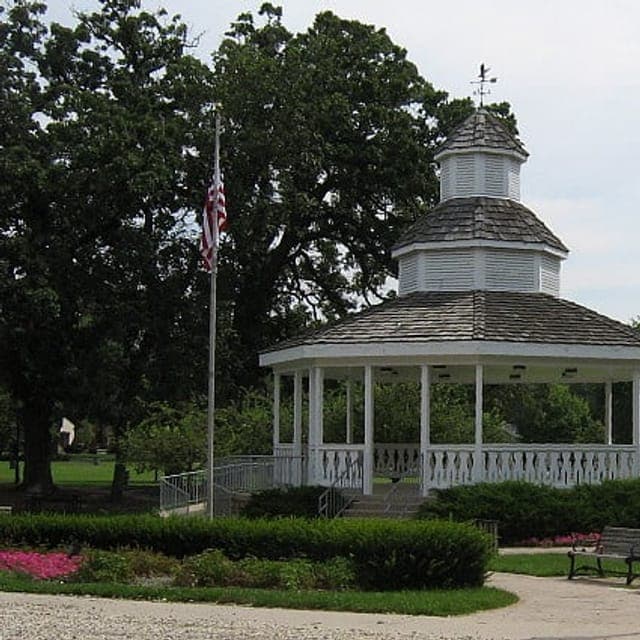

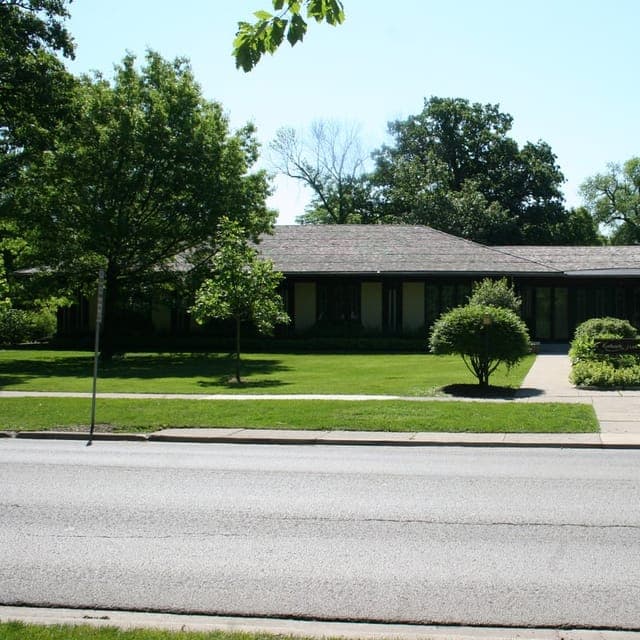

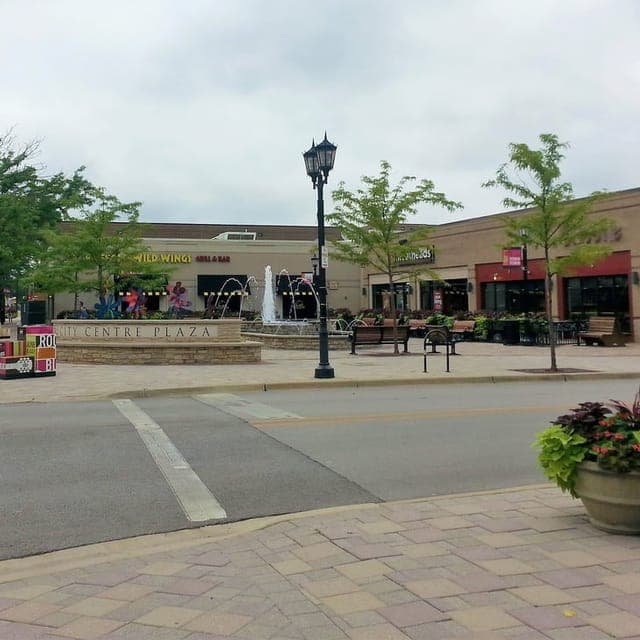

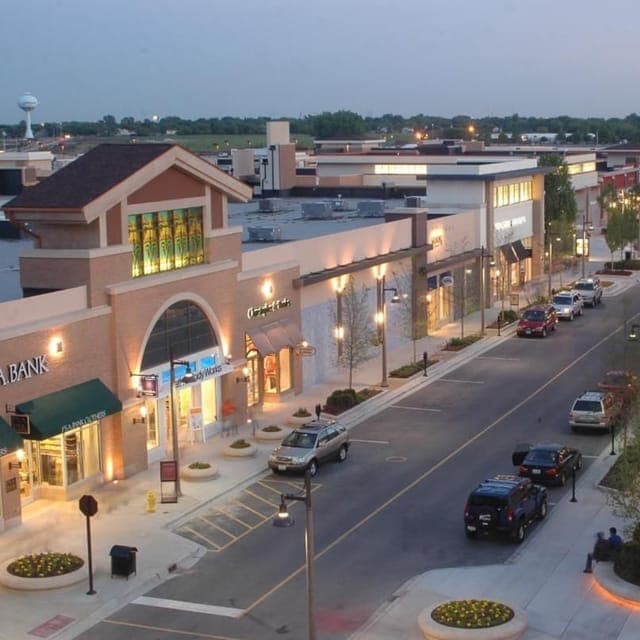
* Values derived from national, state, county, city and local statistics and may differ in a specific area. Last updated: 2026-04-18T22:23:28.000Z
Narrative content on this page is AI-generated and may contain mistakes. Verify any details that matter before acting on them.
ReloMaps may earn a commission from affiliate links at no extra cost to you.

