Photo: Wikipedia
Strategic Assessment of Illinois
Meaningful friction. Expect exposure to either population pressure, blast zones, or natural disaster risk. Consider buying a retreat property.
What does the Strategic Assessment tell us?
Our Strategic Assessment grades tactical survivability of an area. Major population centers, military targets, fallout zones, natural disasters, and border exposure all drive risk — lower exposure means a more defensible position in a crisis.
This is heavily inspired by Joel Skousen's Strategic Relocation book. Highly recommended you checkout the book ($)What does this tell us?
Our Strategic Assessment grades tactical survivability of an area. Major population centers, military targets, fallout zones, natural disasters, and border exposure all drive risk — lower exposure means a more defensible position in a crisis.
This is heavily inspired by Joel Skousen's Strategic Relocation book. Highly recommended you checkout the book ($)Regional Safe Places
Below is our recommended "safe zones" in Illinois and the surrounding area based on our strategic heuristics. For most people, it's unrealistic to live in a “safe zone” full-time due to work, family or other personal reasons. They tend to be more rural. However, many of these areas are perfect for second homes and retreat properties that double as a vacation home or even a short-term rental.
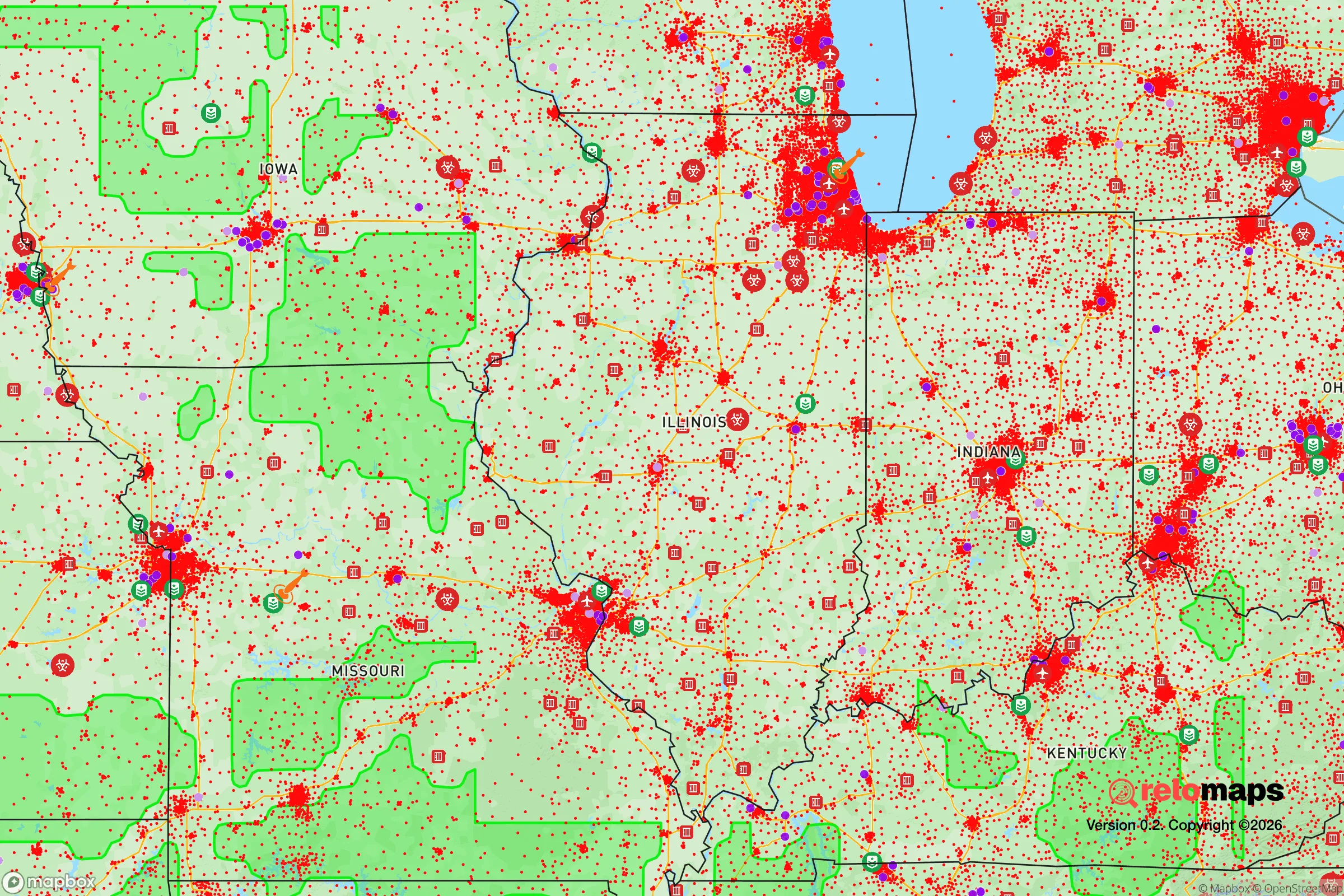
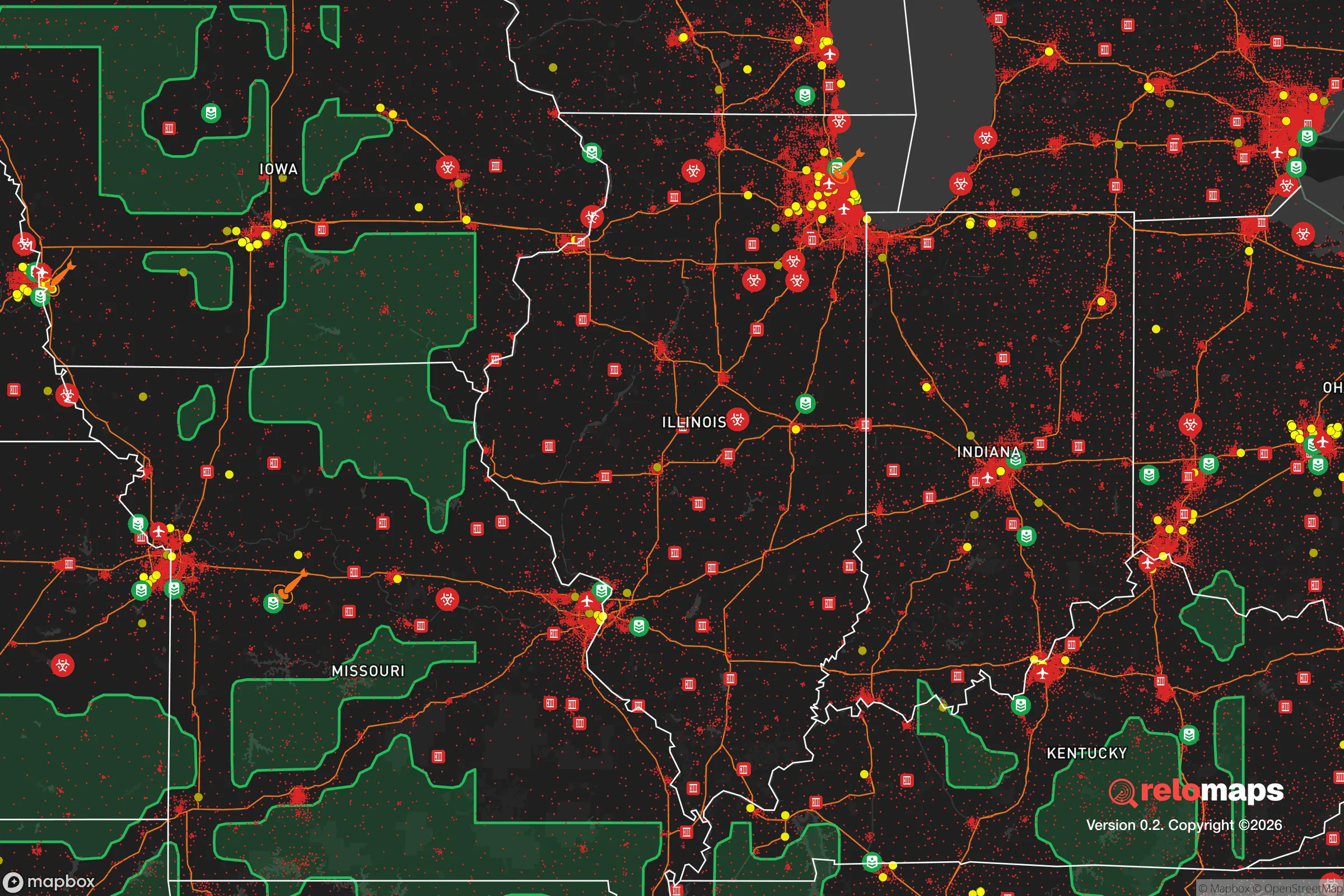


Important Note: For informational purposes only. This does not mean nothing bad ever happens in the green zones. Please use common sense. This is based on public data and modeled with AI. We tried to take a conservative approach but mistakes happen. We update this regularly as new information becomes available.
Solar Generator Recommendations
Backup power matters more here than in safer locations. We've picked three solar generators across budgets and capacity tiers — start with the budget unit if you only need a few essentials, or step up if you want to run a fridge and HVAC for days at a time.

Jackery Portable Power Station Explorer 300
Budget OptionPower on the Go: Weighing only 11 lbs, it's convenient to set up and store with book-sized foldable solar panels

BLUETTI Portable Power Station AC180
Designed for both indoor and outdoor scenarios, AC180 is highly capable as it has a robost capacity and continuous output power.

EF ECOFLOW DELTA Pro Ultra Power Station
Upgraded PickEcoFlow DELTA Pro Ultra is a whole-home energy system designed to grow with your family. Integrated with the Smart Home Panel 2, it scales to meet your evolving energy needs — keeping your home powered, intelligent, and secure through every stage of life.
We earn a commission, at no additional cost to you.
Strategic Assessment Analysis
Illinois offers a surprisingly complex strategic picture for the conservative prepper or relocator, one that demands a clear-eyed look beyond the headlines about Chicago’s fiscal woes and political dominance. The state’s true value lies in its geographic position as a continental crossroads, but that same centrality brings exposure to risks that are often overlooked by those focused solely on coastal retreats. For a single individual or family weighing long-term resilience, Illinois presents a mixed bag: some of the best agricultural land and freshwater access in the nation, paired with proximity to major population centers and critical infrastructure that could become liabilities in a crisis. The key is knowing which parts of the state to target and which to avoid like the plague.
Geographic position and natural advantages for long-term survival
Illinois sits at the heart of the Midwest, a position that offers both strategic depth and logistical headaches. The state is bordered by the Mississippi River to the west and Lake Michigan to the northeast, giving it access to two of the continent’s most vital waterways. For a prepper, this means reliable freshwater sources and potential transportation routes if roads become impassable. The Illinois River cuts diagonally through the state, linking the Great Lakes to the Mississippi, creating a natural corridor that could be used for trade or escape. The terrain is predominantly flat, with the Shawnee National Forest in the southern tip offering the only significant wooded cover—a mixed blessing, as it provides concealment but also limits defensible high ground. The state’s agricultural output is staggering: Illinois is the nation’s top producer of soybeans and a major corn producer, meaning that in a collapse scenario, food security is less about growing your own and more about securing access to existing supply chains. However, that flat, open landscape also means that most of the state offers little natural cover from aerial observation or ground movement, making rural areas feel exposed to those accustomed to mountainous retreats.
Risks, exposures, and proximity to fallout-relevant landmarks
Here’s where Illinois gets dicey for the strategic relocator. The state is home to several high-value targets that could become fallout magnets in a major conflict or civil unrest scenario. The Chicago metropolitan area, with its 9.5 million people, is a massive population center that would likely see severe civil unrest, supply chain disruptions, and potential infrastructure failure in any national crisis. But it’s not just Chicago. The state hosts the Braidwood Generating Station near Joliet and the Byron Nuclear Generating Station near Rockford—both are pressurized water reactors that, while generally safe, become prime targets for sabotage or accidental release during widespread chaos. The Wood River Refinery near St. Louis and the ExxonMobil Joliet Refinery are critical fuel infrastructure points that could draw attention. For those with a survivalist mindset, the Scott Air Force Base near Belleville is a military installation that could be a target or a safe zone depending on the scenario. The Rock Island Arsenal on the Mississippi is another military manufacturing hub. Proximity to these sites is a double-edged sword: being too close means fallout risk, but being too far means losing access to potential security zones. The Mississippi River corridor itself is a chokepoint for barge traffic, meaning any disruption there could ripple across the entire Midwest.
Practical resilience for a relocator: food, water, energy, and defensibility
For the individual or family looking to hunker down, Illinois offers some practical advantages if you choose your location wisely. Water is abundant: the state sits atop the Mahomet Aquifer, one of the largest freshwater sources in the Midwest, and surface water from the Mississippi, Illinois, and Kaskaskia rivers is plentiful. A well-drilled property in central or southern Illinois can provide reliable off-grid water. Food production is the state’s strongest card—you can buy farmland for relatively low prices compared to the coasts, and the growing season is long enough for serious gardening and small-scale farming. The Amish communities in Arthur and Arcola are a living example of low-tech resilience, with established networks for horse-drawn transport, hand tools, and food preservation. Energy is a mixed bag: the state’s electrical grid is heavily dependent on coal and nuclear, but rural areas are seeing a boom in solar installations, and natural gas is cheap. Defensibility is the weak point. The flat terrain means that a rural homestead is visible from miles away, and the lack of natural barriers makes it hard to create a secure perimeter. Southern Illinois, around the Shawnee National Forest, offers the best compromise with hills, forests, and lower population density, but even there, you’re within a few hours’ drive of St. Louis and Evansville. For a single individual, a well-stocked rural property with a good well, solar panels, and a root cellar could be sustainable, but you’ll need to rely on community ties and situational awareness more than physical fortifications.
The overall strategic picture for Illinois is one of high potential paired with high exposure. If you’re willing to accept the risks of being near major infrastructure and population centers, the state offers unmatched agricultural resources, abundant water, and a central location that could be advantageous for trade or movement in a crisis. But for the conservative prepper who prioritizes isolation and low profile, Illinois’ flat, open landscape and proximity to Chicago, St. Louis, and multiple nuclear and refinery sites make it a hard sell. The best bet is to target the southern third of the state, away from the major rivers and interstate corridors, and to build strong ties with local farming communities. Illinois is not a retreat for the lone wolf—it’s a place for those who can navigate the tension between its bounty and its vulnerabilities. If you can handle the political climate and the occasional winter blast, the land itself will support you. Just don’t expect to disappear into the woods; in Illinois, you’ll always be within sight of someone else’s barn.

Top 10 Cities by Strategic Assessment in Illinois

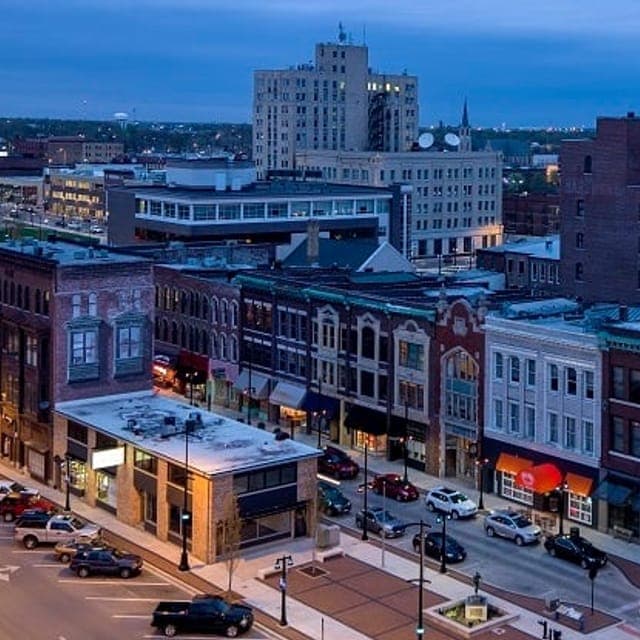
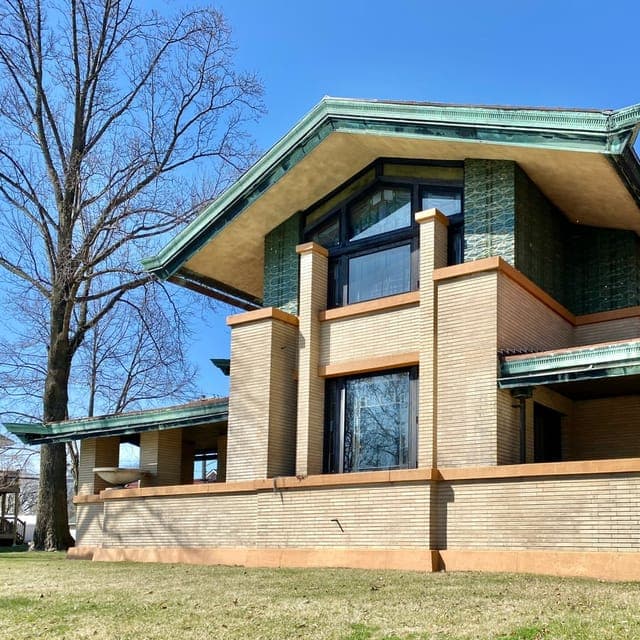
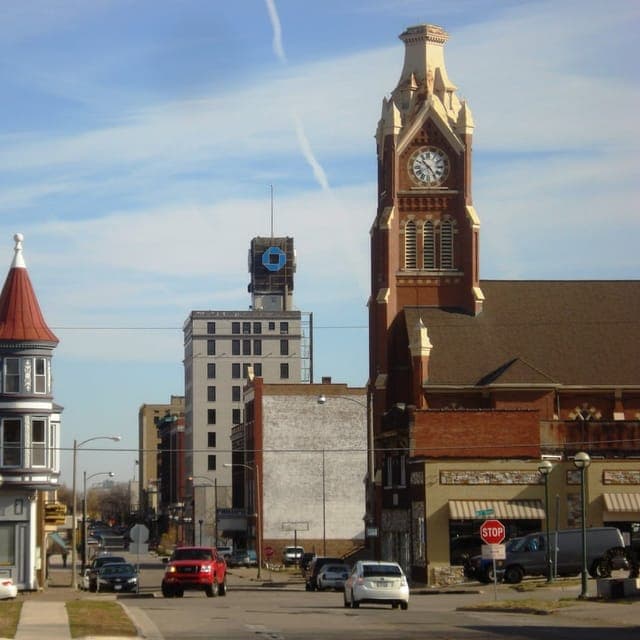

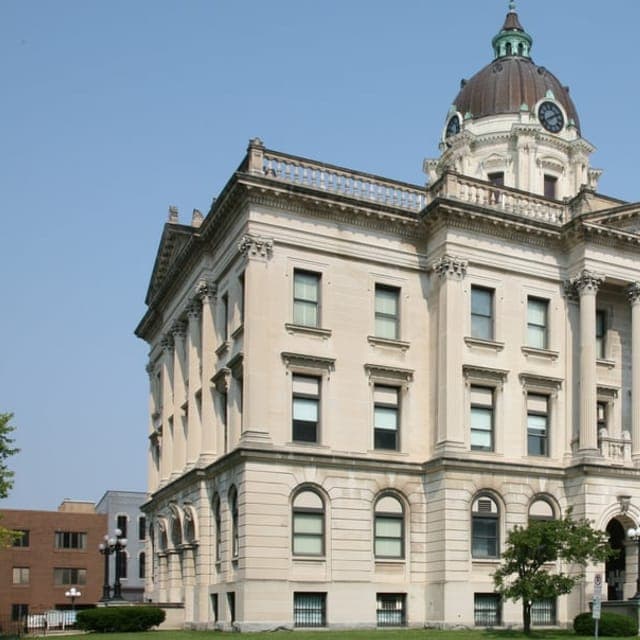
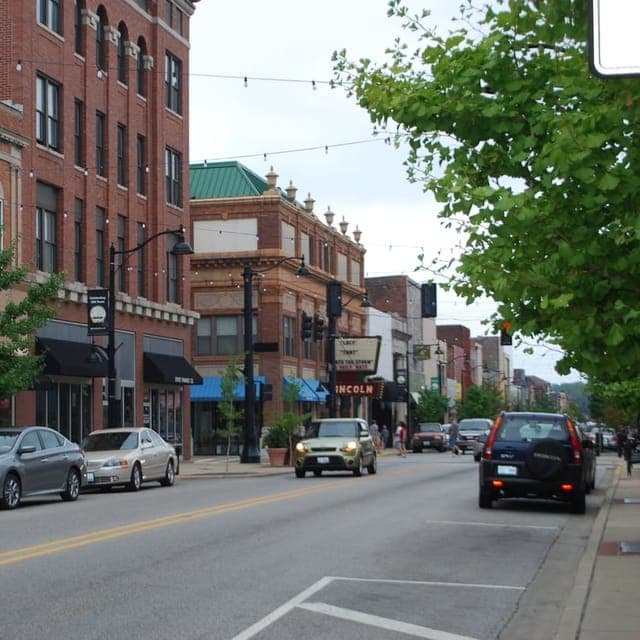


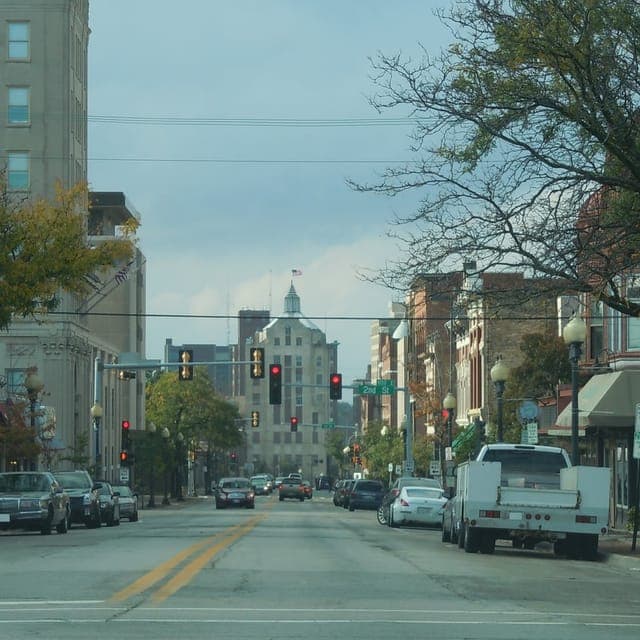
* Values derived from national, state, county, city and local statistics and may differ in a specific area. Last updated: 2026-04-18T22:23:28.000Z
Narrative content on this page is AI-generated and may contain mistakes. Verify any details that matter before acting on them.
ReloMaps may earn a commission from affiliate links at no extra cost to you.

