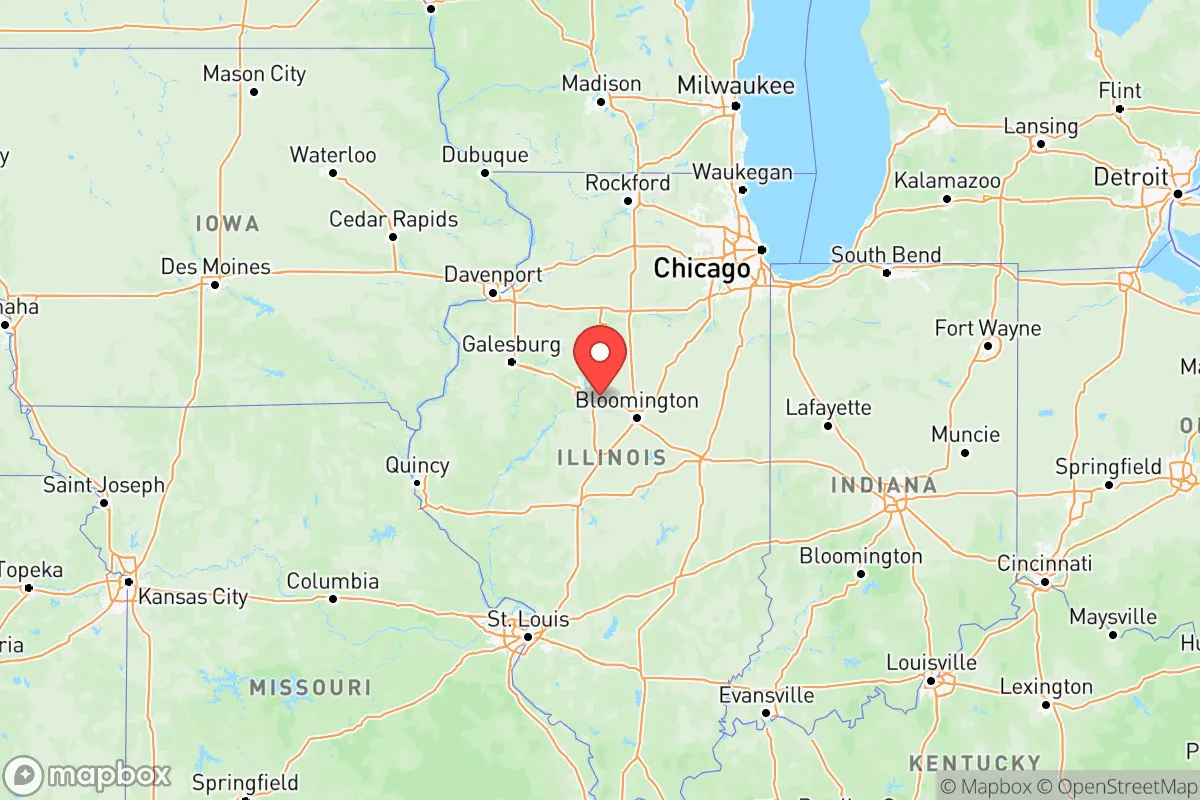
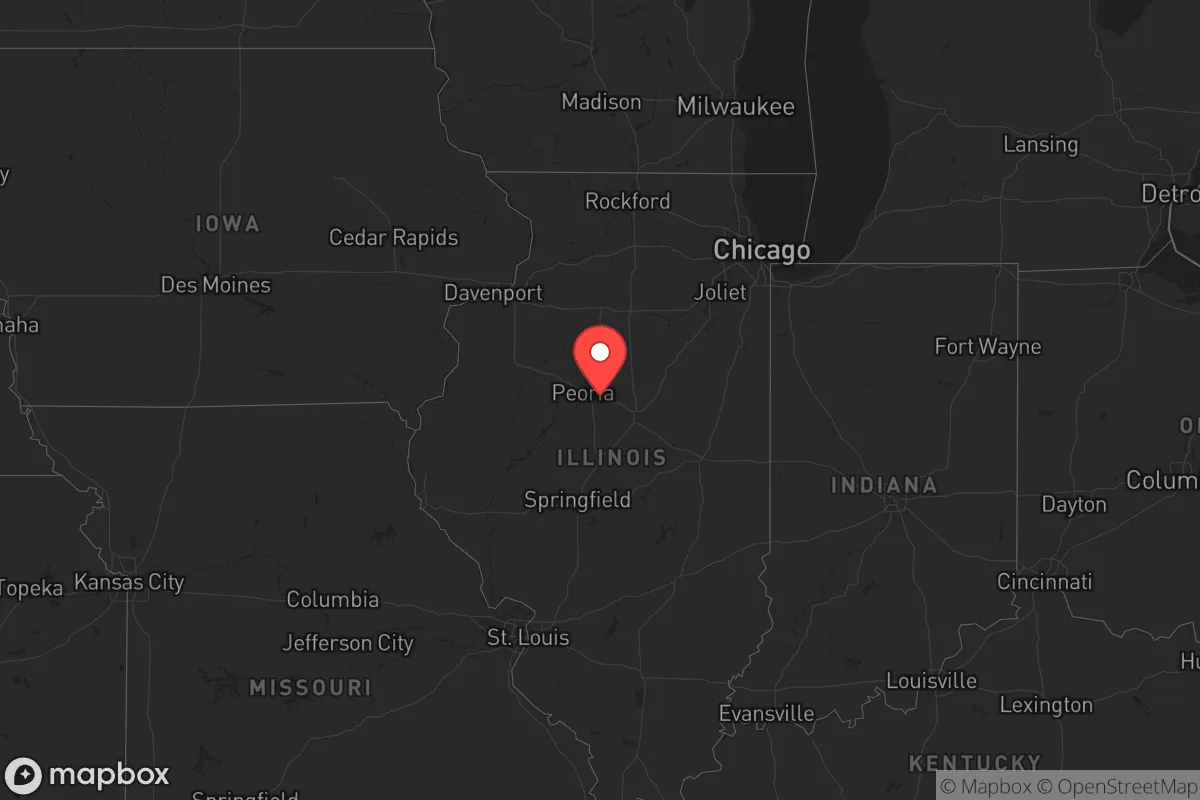
Photo: Wikipedia
Political ClimatePolitical Climate in Illinois
Political Environment in the State
Illinois is a deeply blue state with a Democratic trifecta in Springfield, but its reputation as a progressive stronghold masks a stark internal divide. The state’s overall partisan lean, measured by a Cook PVI of D+7, is driven almost entirely by the massive population and turnout of Cook County and the Chicago metropolitan area. Over the last 20 years, the state has shifted from a competitive purple battleground to a solidly one-party state, as rural and downstate conservative voters have lost influence to the growing, increasingly progressive urban core. For a conservative considering a move, the reality is that state-level policy is set in Chicago, and that reality has profound consequences for your wallet, your rights, and your way of life.
Urban vs. rural divide
The political map of Illinois is a tale of two nations. The Chicago metro area, including Cook County and the collar counties of DuPage, Lake, and Will, delivers roughly 65% of the state's vote and is overwhelmingly Democratic. Within that, the city of Chicago itself is a Democratic machine, with wards like the 19th and 45th seeing some of the highest turnout for progressive candidates. Meanwhile, the rest of the state is a sea of red. Downstate counties like Williamson, Effingham, and Macoupin routinely vote Republican by 30-40 point margins. The divide is so sharp that some rural counties have passed symbolic "sanctuary county" resolutions against state gun laws. The city of Peoria, once a manufacturing bellwether, now votes blue, while its surrounding suburbs and exurbs are solidly red. The Chicago suburbs themselves are fracturing: Naperville and Schaumburg have become more moderate, while places like Aurora and Elgin have seen a surge in progressive activism. The result is a state where a conservative in Carbondale or Quincy has virtually no representation in the statehouse.
Policy environment
The policy environment in Illinois is a textbook case of progressive governance. The state has the second-highest property tax burden in the nation, with effective rates often exceeding 2.2% of home value. The state income tax is a flat 4.95%, but there is a constant push for a progressive income tax, which voters rejected in 2020 but which the legislature continues to explore. The regulatory posture is heavy: Illinois has some of the strictest environmental regulations in the Midwest, a $15 minimum wage that is indexed to inflation, and a "clean energy" law that effectively bans new fossil fuel power plants. On education, the state has a robust school choice program in Chicago, but downstate districts are struggling with declining enrollment and funding disparities. Healthcare is dominated by the state's Medicaid expansion and the Illinois Health Insurance Exchange, which has driven up premiums for private plans. Election laws are among the most liberal in the nation: no-excuse mail-in voting, automatic voter registration, and same-day registration are all law. For a conservative, the cumulative effect is a state that taxes heavily, regulates aggressively, and makes it easy to vote but hard to challenge election outcomes.
Trajectory & freedom
Illinois is becoming less free by almost any measure, and the trend is accelerating. The most glaring example is the Protect Illinois Communities Act (2023), which banned the sale of many semi-automatic firearms and standard-capacity magazines, effectively ending the legal carry of common defensive weapons. This law was passed without a referendum and is being challenged in court, but it remains in effect. On parental rights, the state passed a law in 2023 that prohibits school districts from notifying parents if a student changes their gender identity or pronouns, overriding local control. On medical autonomy, Illinois has become a "sanctuary state" for abortion, with the Reproductive Health Act (2019) removing nearly all restrictions and requiring insurance to cover the procedure. Property rights have been eroded by the state's aggressive use of eminent domain for private development, particularly in Chicago. The state's pension crisis, with over $140 billion in unfunded liabilities, means that property taxes will continue to rise to cover the gap. The trajectory is clear: Springfield is centralizing power, expanding the welfare state, and restricting individual liberties in the name of collective good.
Civil unrest & political movements
Illinois has a history of political volatility, but recent years have seen a sharp uptick in organized activism. The 2020 George Floyd protests in Chicago were among the largest and most destructive in the nation, with looting and arson in the Loop and along Michigan Avenue. Since then, the city has seen a rise in organized left-wing groups like the Chicago Democratic Socialists of America, who have successfully pushed for defunding the police and "transformative justice" policies. On the right, the Illinois State Rifle Association and the Illinois Family Institute remain active, but they are fighting a losing battle in the legislature. The state's sanctuary city status has made it a flashpoint in the immigration debate: Chicago has seen busloads of migrants sent from Texas, straining city resources and creating tensions in neighborhoods like Pilsen and Little Village. Election integrity is a persistent concern, with the 2020 and 2022 cycles seeing widespread use of mail-in ballots and ballot drop boxes, leading to ongoing lawsuits and distrust. For a new resident, the most visible flashpoint will be the constant political tension between a progressive city government and a frustrated suburban and rural population.
Projection
Over the next 5-10 years, Illinois is likely to become even more blue and more centralized. Demographic trends are not on the side of conservatives: the state is losing population in rural areas while Chicago and its suburbs continue to grow, driven by immigration and young professionals. The 2020 redistricting gave Democrats a supermajority in the statehouse, which they have used to pass a series of constitutional amendments that further entrench their power. The pension crisis will force either massive tax increases or severe cuts to services, and the most likely outcome is higher taxes. The gun ban will likely be upheld by the state courts, and further restrictions on speech and assembly are possible. For a conservative moving in now, the expectation should be that the state will continue to move left, with fewer checks on government power and a growing cultural divide between the urban core and the rest of the state.
The bottom line for a new resident is this: Illinois is a state where your vote for state-level office is effectively meaningless if you live outside Chicago. Your property taxes will be high and rising, your gun rights will be restricted, and your children's education will be subject to progressive curriculum mandates. If you are a conservative, you will be a political minority, and you will be funding a government that actively works against your values. The only practical reason to move here is if your job or family ties require it, and even then, you should carefully consider the financial and cultural costs. The state's trajectory is clear, and it is not friendly to those who value individual liberty and limited government.

Most Conservative Cities in Illinois
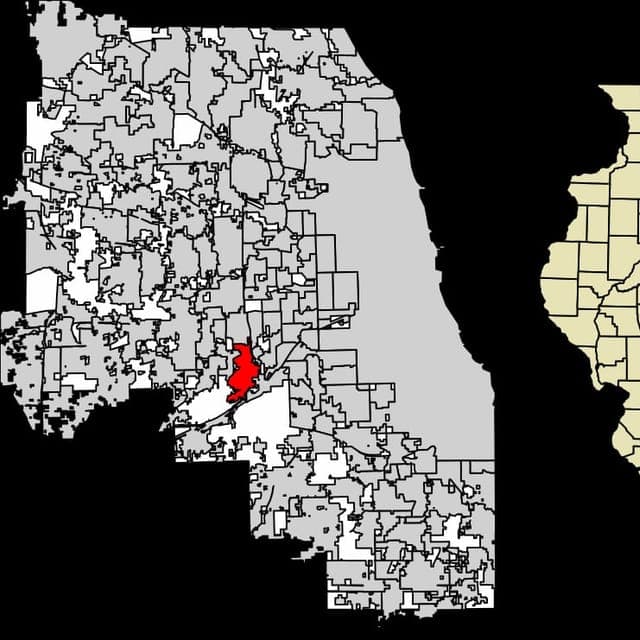



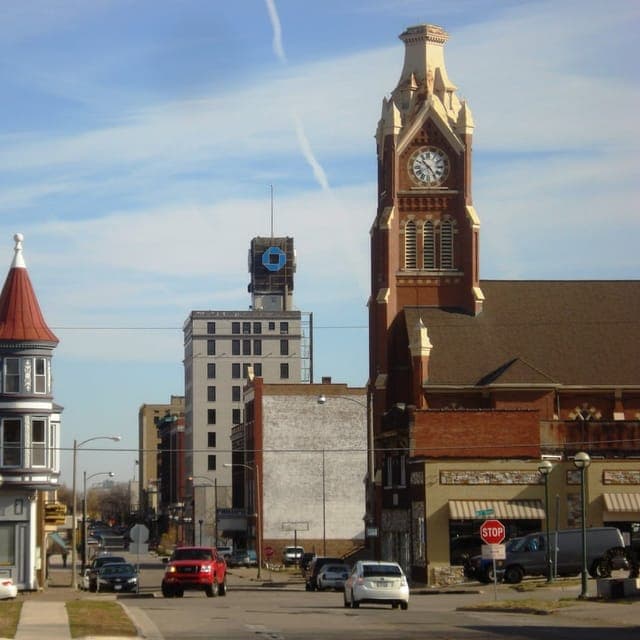

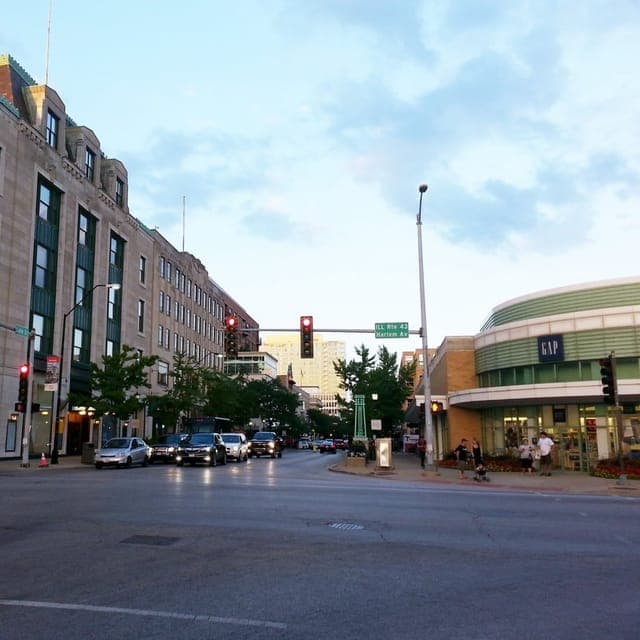
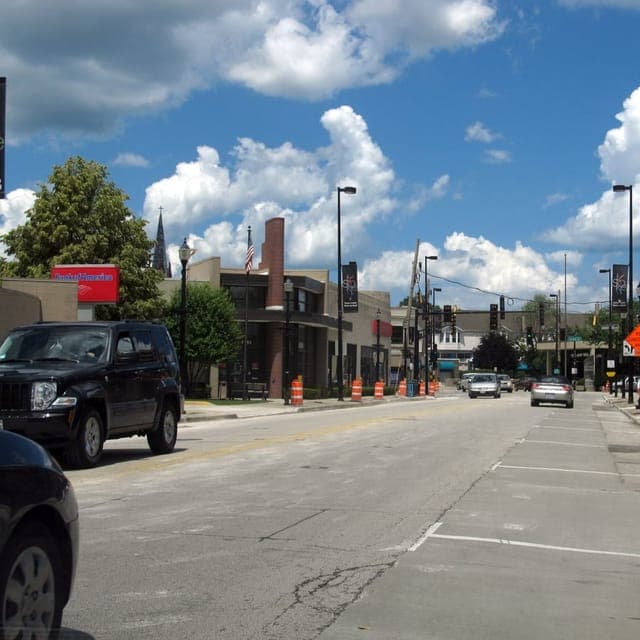
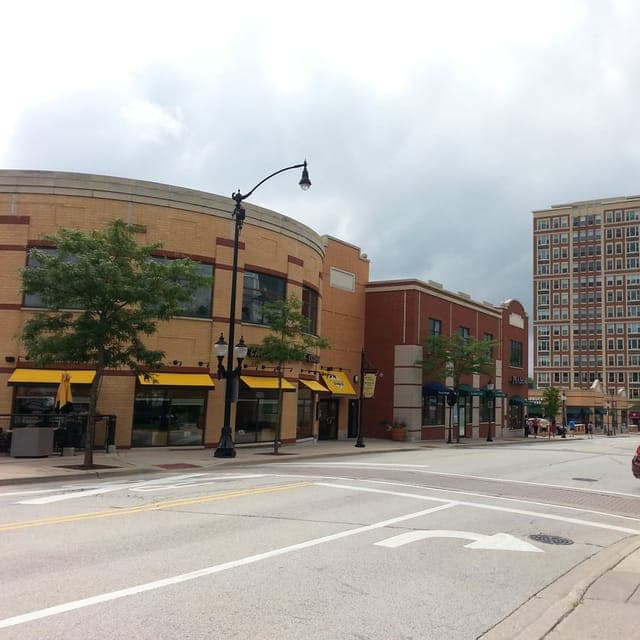
Most Liberal Cities in Illinois



* Values derived from national, state, county, city and local statistics and may differ in a specific area. Last updated: 2026-04-18T22:23:28.000Z
Narrative content on this page is AI-generated and may contain mistakes. Verify any details that matter before acting on them.
ReloMaps may earn a commission from affiliate links at no extra cost to you.

