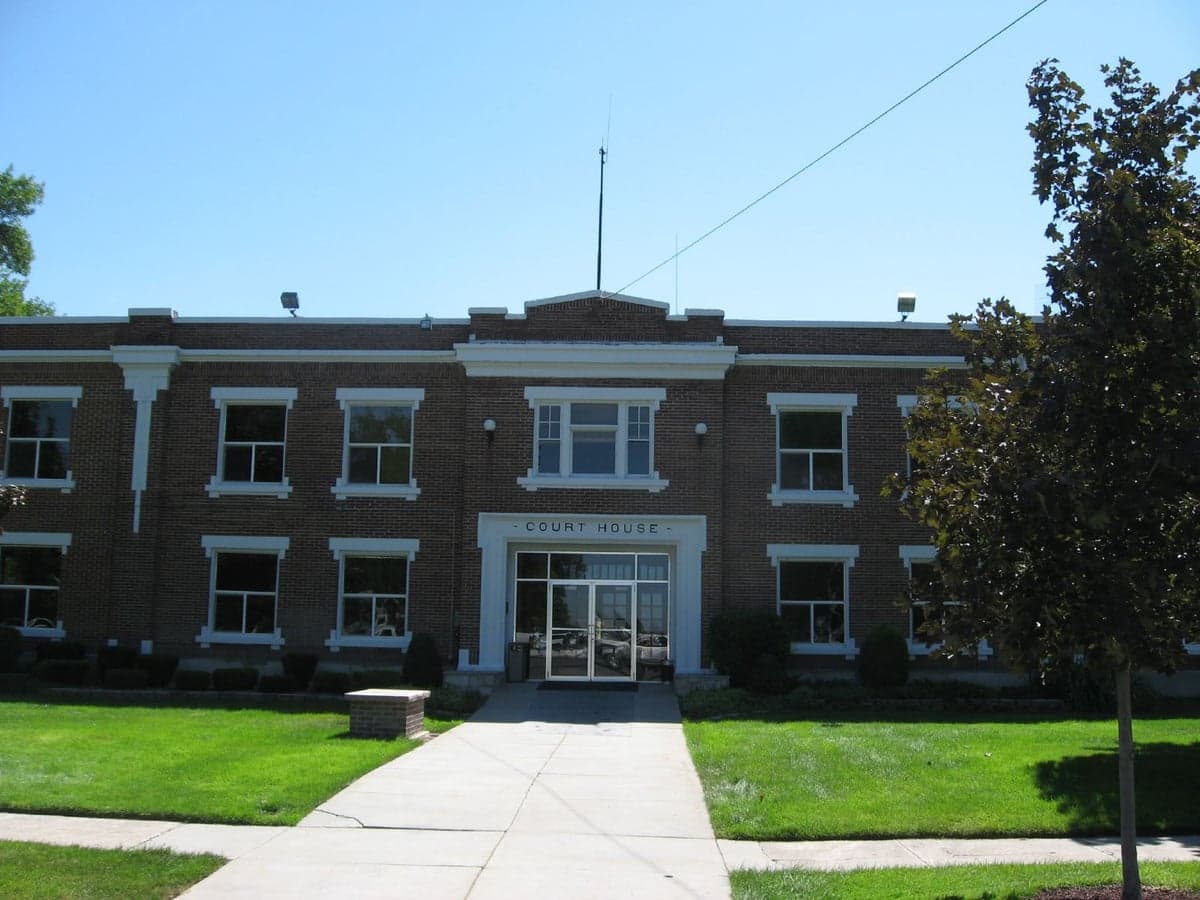
Photo: Wikipedia
Quality of Life in Power County
A livable area that tracks near national norms for affordability, walkability, and neighborhood health.
What does Quality of Life tell us?
Quality of Life measures an area by evaluating factors like cost of living, nearby amenities, country club access, airport proximity, socioeconomic signals and neighborhood character. For large states, this is a general average — quality of life can vary dramatically between metro areas, suburbs, and rural communities within the same state.
What does this tell us?
Quality of Life measures an area by evaluating factors like cost of living, nearby amenities, country club access, airport proximity, socioeconomic signals and neighborhood character. For large states, this is a general average — quality of life can vary dramatically between metro areas, suburbs, and rural communities within the same state.
Cost of Living
35% below national average
109%
The Real Cost of Living in Power County for 2026
| Tier | Individual | Family (4) |
|---|---|---|
| Survival | $12k | $22k |
| Comfortable | $37k | $55k |
| Luxury | $81k+ | $125k+ |
| Elite (Top 5%) | $95k+ | $148k+ |
Quality-of-Life Analysis
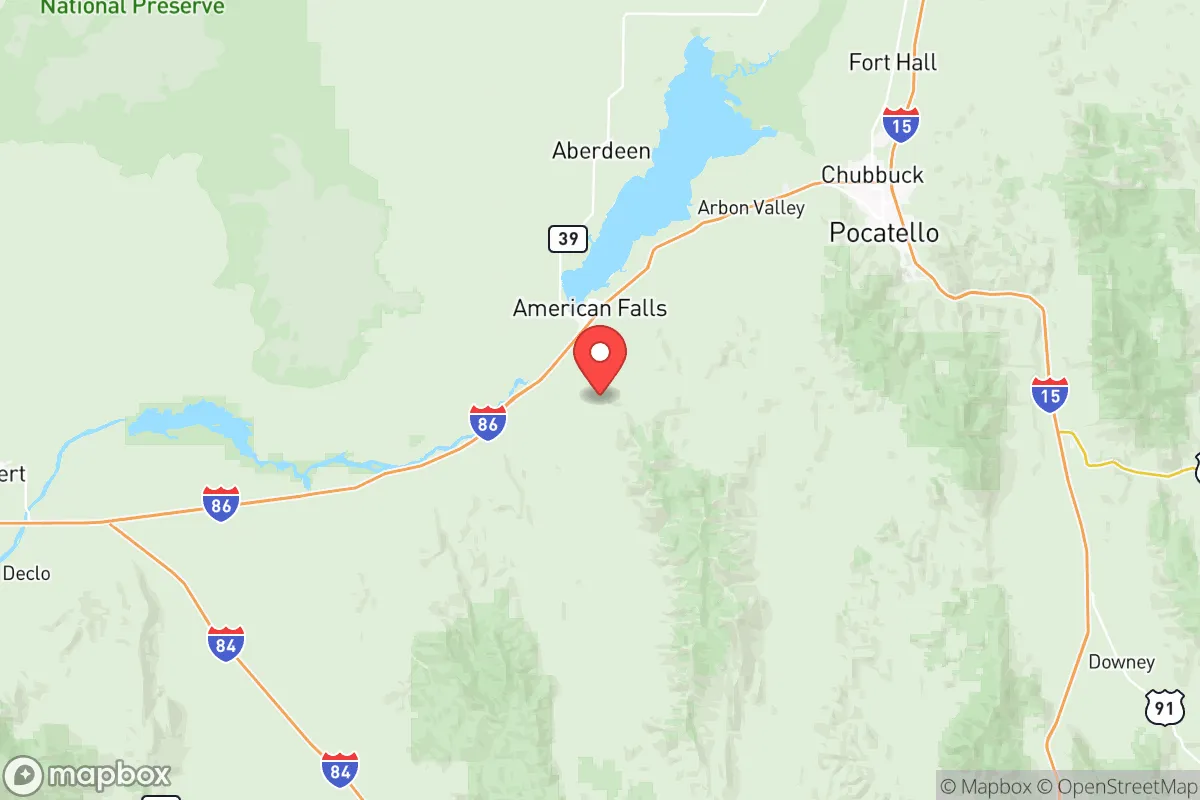
Power County, Idaho, offers a quality-of-life spectrum that ranges from the modest commercial hub of American Falls to the quiet, unincorporated crossroads of Arbon and the remote ranchlands along the Snake River Plain. The county’s character shifts noticeably from the lakeside town center to the open, sparsely populated valleys, drawing different residents to each area: families and workers seeking affordable housing and short commutes gravitate toward American Falls, while those prioritizing solitude, land, and a self-sufficient lifestyle settle in the county’s smaller communities and rural pockets.
Largest town(s) & population centers
American Falls is the county seat and by far the largest population center, home to roughly 4,500 residents. Daily life here revolves around the American Falls Reservoir, which provides both recreation and irrigation, and the local economy is anchored by agriculture, the Simplot potato processing plant, and the nearby Idaho Power hydroelectric facilities. The town offers essential amenities such as a hospital, grocery stores, and a school district, but lacks the retail variety of larger cities like Pocatello, which is about 30 minutes east. The average commute in Power County is just under 16 minutes, a figure driven largely by American Falls residents who work locally or at the county’s industrial sites. The town’s walkable core along Idaho Street includes a few local restaurants and a historic downtown, though most daily errands require a car.
Smaller towns & rural pockets
Beyond American Falls, Power County’s smaller communities are defined by their distance from the main highway and their agricultural roots. Arbon, an unincorporated area in the county’s northern hills, consists of a handful of homes and a community center, with residents often commuting to American Falls or Pocatello for work and supplies. Rockland, a tiny farming town about 15 miles south of American Falls, has a population under 300 and offers little more than a post office and a grain elevator, but its residents prize the quiet and the wide-open views of the surrounding wheat fields. Neeley, located along the Snake River west of American Falls, is a small cluster of homes and farms with no commercial services, appealing to those who want river access and minimal neighbors. The county’s most remote pockets lie along the Deep Creek and Bannock Creek drainages, where ranches span hundreds of acres and the nearest paved road can be miles away.
Cost & lifestyle range
The cost of living in Power County is dramatically lower than the national average, with a composite index of 65 (100 = U.S. average). This affordability varies across the county: American Falls sits at the higher end of the local spectrum, with a median home value of $191,200 and median rent of $729, offering modest but well-maintained homes within walking distance of schools and the reservoir. In contrast, rural properties in Arbon or Rockland can be found for significantly less—often under $150,000 for older farmhouses on acreage—but come with trade-offs like longer drives for groceries and limited internet access. The lifestyle range is stark: an American Falls resident can walk to a park or a diner, while a family on a ranch near Neeley might drive 20 minutes for milk. Utilities and property taxes remain low countywide, but the lack of public transportation and the scarcity of rental units outside the main town mean that car ownership is essential everywhere.
Power County best suits people who value affordability and space over urban amenities. Families and retirees on fixed incomes thrive in American Falls, where the low housing costs and short commutes free up budget for travel or hobbies. Homesteaders, ranchers, and remote workers who can tolerate isolation find their ideal setting in the county’s rural pockets, where land is cheap and neighbors are few. Those seeking nightlife, diverse dining, or high-end retail will feel the limitations quickly, but for anyone whose priority is a low-cost, low-hassle life in a working landscape, Power County delivers a clear and consistent value.

Crime in Power County
Lower crime rates than 76% of comparable U.S. locations.
Violent CrimeViolent Crime Analysis
Property CrimeProperty Crime Analysis
Crime Analysis
Power County, Idaho, reports a violent crime rate of 215.5 per 100,000 residents and a property crime rate of 601.6 per 100,000, placing it in a middle tier for safety within the state. These figures indicate that while the county is not among Idaho's most dangerous, it experiences crime at rates above the safest rural counties, particularly in its small cities and along the Interstate 86 corridor. The county's overall safety picture is shaped by its mix of agricultural communities, the city of American Falls as the county seat, and the smaller towns of Rockland and Arbon Valley, each with distinct crime profiles.
Crime in context
Power County's violent crime rate of 215.5 per 100,000 is roughly 40% lower than the national average of approximately 380 per 100,000, but it sits above Idaho's statewide average of about 240 per 100,000. Property crime at 601.6 per 100,000 is significantly below the national average of 1,954 per 100,000, yet it is elevated compared to Idaho's safest counties like Madison or Teton, where rates often fall below 400 per 100,000. The county's crime is concentrated in American Falls, the largest population center, which accounts for the majority of reported incidents. By contrast, the rural communities of Rockland and Arbon Valley report very low crime, with violent incidents being rare. The Power County Sheriff's Office and the American Falls Police Department share jurisdiction, and the county falls under the 6th Judicial District, which covers Bannock, Bear Lake, Caribou, Franklin, Oneida, and Power counties. The district attorney's office in Power County is known for a conservative approach to prosecution, which helps keep recidivism rates lower than in more progressive jurisdictions elsewhere in the state.
What residents experience
Residents of Power County generally report feeling safe in their daily lives, particularly outside of American Falls. The most common property crimes are theft from vehicles and burglary of unoccupied structures, often targeting seasonal agricultural equipment. Violent crime is largely interpersonal, with aggravated assault making up the majority of incidents; homicides are extremely rare, with none reported in several recent years. The presence of the Power County Jail and the county's participation in the Idaho Department of Correction's reentry programs provide a structured environment for offenders, but the county's small population means that even a single high-profile incident can skew annual statistics. Residents in Rockland, a town of roughly 200 people, experience virtually no stranger-on-stranger crime, while those in American Falls may encounter higher rates of drug-related offenses, particularly methamphetamine possession, which drives both property and violent crime. The county's proximity to Interstate 86 also contributes to transient crime, with occasional vehicle thefts and burglaries linked to travelers passing through.
Neighborhood-level variation is pronounced within Power County. The safest areas are the unincorporated communities of Arbon Valley and Rockland, where crime is nearly nonexistent. In American Falls, the neighborhoods east of the Oregon Trail Memorial Bridge and near the American Falls Reservoir tend to have lower crime rates, while areas closer to the downtown core and the I-86 interchange see more incidents. The city of Aberdeen, a smaller community within the county, reports property crime rates similar to American Falls but with fewer violent offenses. For those considering relocation, the rural towns offer a significantly lower risk of victimization, while American Falls requires standard precautions such as locking vehicles and securing outbuildings. The county's conservative judicial philosophy, with a focus on accountability rather than progressive diversion programs, provides a measure of reassurance for residents concerned about public safety.
* Values derived from national, state, county, city and local statistics and may differ in a specific area. Last updated: 2026-05-22T15:39:14.000Z
Narrative content on this page is AI-generated and may contain mistakes. Verify any details that matter before acting on them.
ReloMaps may earn a commission from affiliate links at no extra cost to you.

