
Photo by Laura Peruchi on Unsplash
Quality of Life in Hyde Park, VT
A high quality of life with strong walkability, manageable living costs, healthy neighborhood signals, and solid amenity access.
What does Quality of Life tell us?
Quality of Life blends cost of living, nearby amenities, socioeconomic signals, and neighborhood character. City-level scores represent the whole municipality; individual neighborhoods can differ.
What does this tell us?
Quality of Life blends cost of living, nearby amenities, socioeconomic signals, and neighborhood character. City-level scores represent the whole municipality; individual neighborhoods can differ.
Cost of Living
9% above national average
The Real Cost of Living in Hyde Park, VT for 2026
| Tier | Individual | Family (4) |
|---|---|---|
| Survival | $21k | $40k |
| Comfortable | $56k | $83k |
| Luxury | $156k+ | $242k+ |
| Elite (Top 5%) | $240k+ | $372k+ |
105%
The Area Signal
A metric tracking the socioeconomic signals of the area.
Hobbies
Explore the areaGroceries
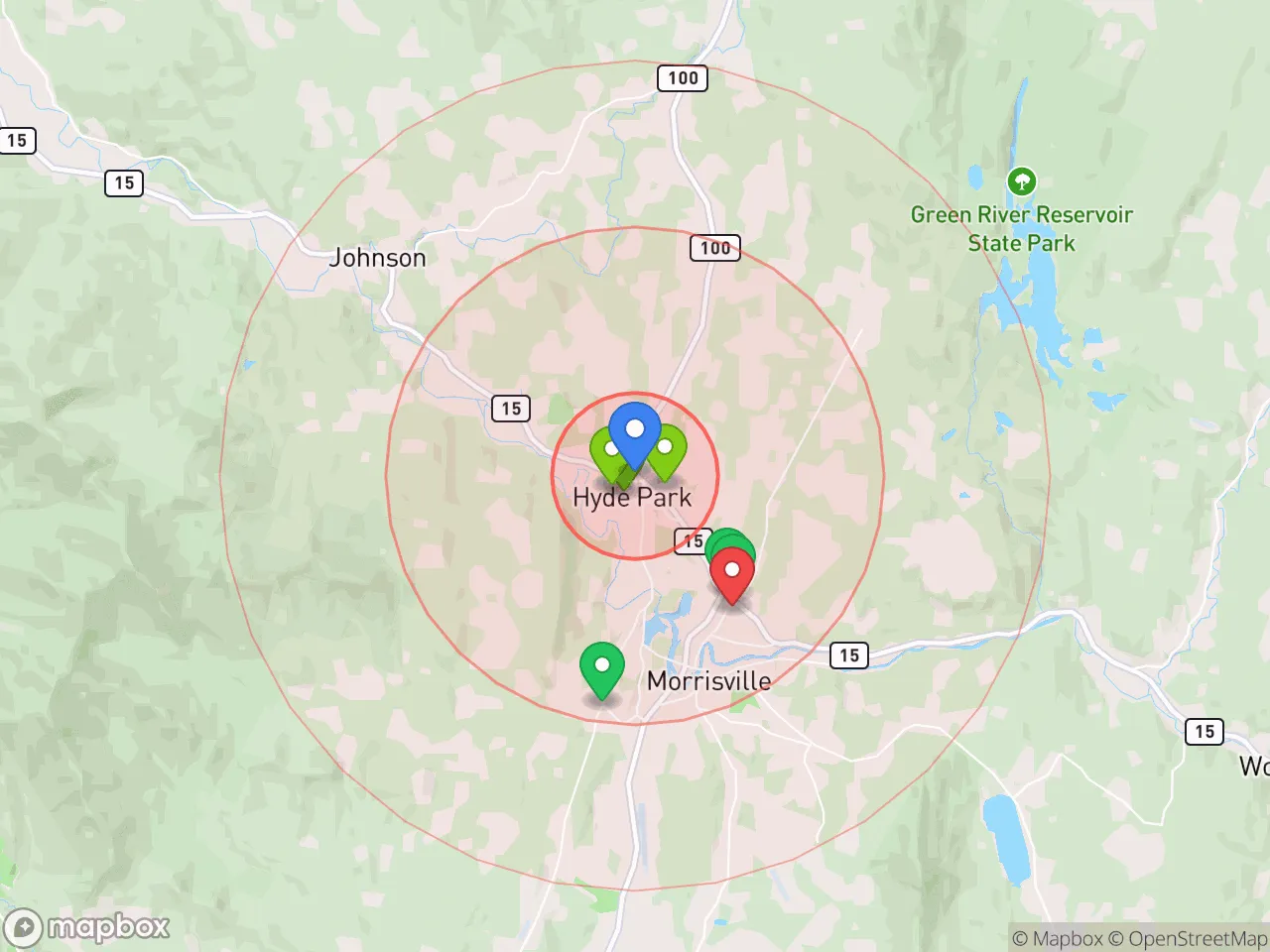
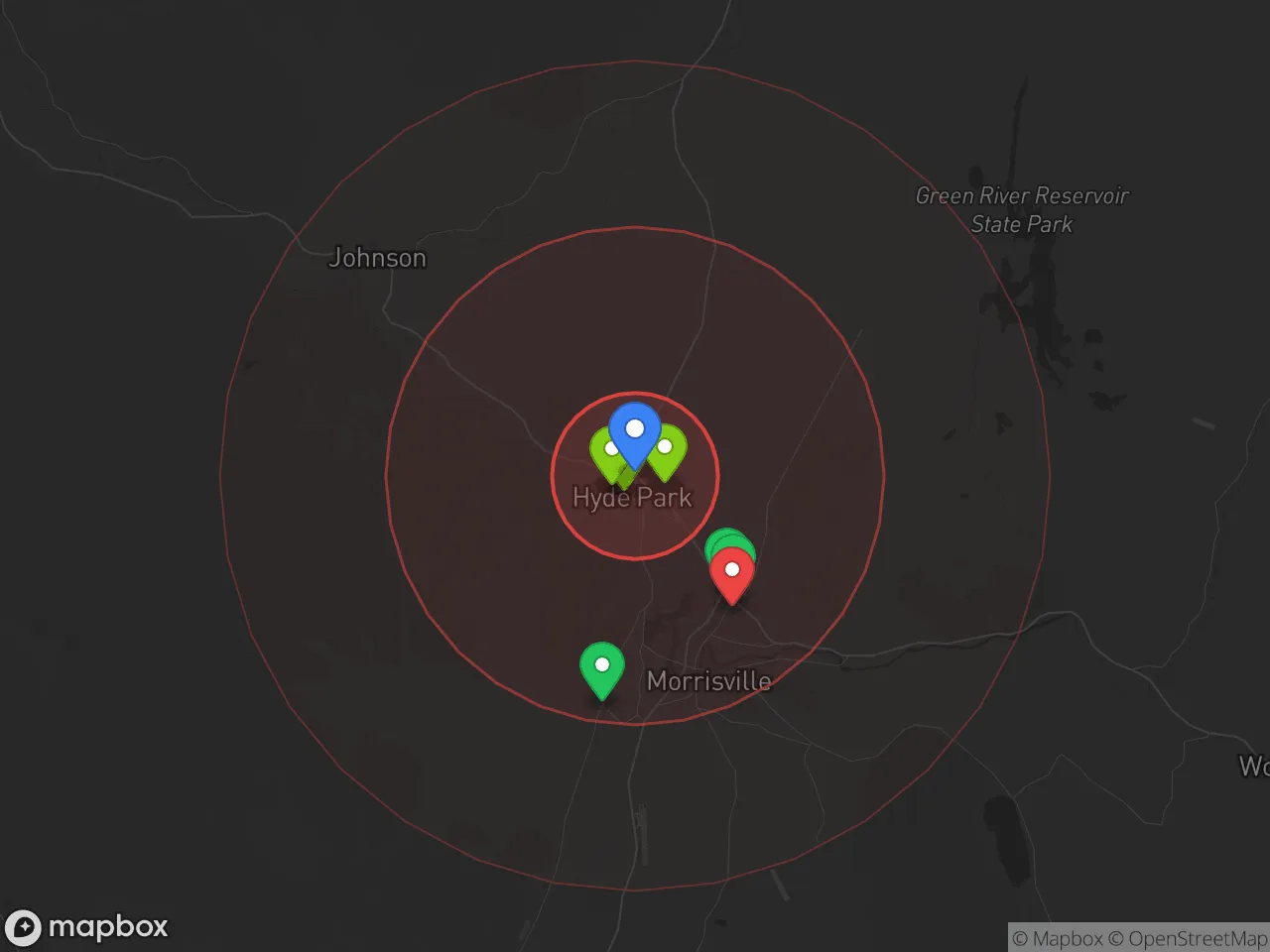
2 within 10 miles
Gas
11 within 10 miles
Hospital
1 within 20 miles
Airport
PDX — Portland International Jetport
Post Office
USPS — Hyde Park, VT
Critical Amenities
Quality-of-Life Analysis
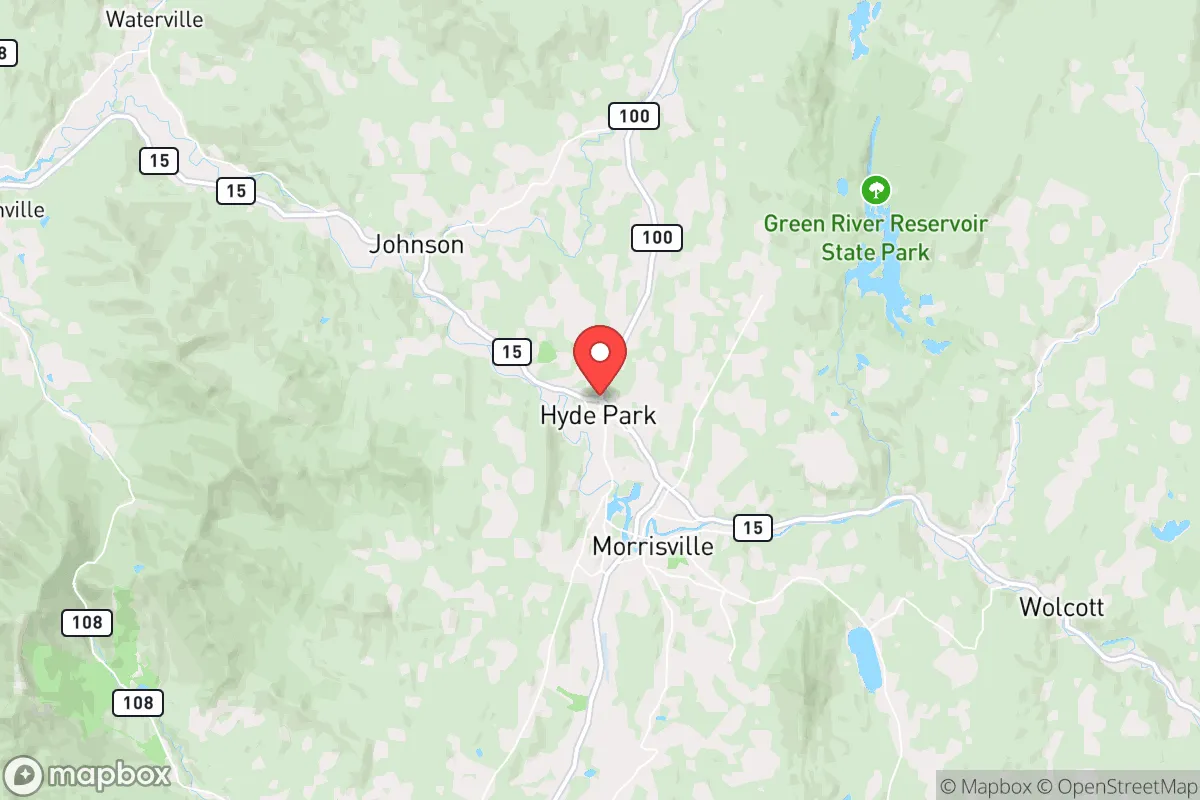
Hyde Park, Vermont, is an affluent, family-oriented village in Lamoille County where the cost of living index sits at 109—nine points above the national average—reflecting its desirability as a quiet, scenic enclave. The population skews toward professionals, remote workers, and retirees who prioritize outdoor access and small-town safety over urban convenience. With a median home value of $288,900 and median rent of $1,322, Hyde Park offers a more attainable entry point into Vermont’s higher-priced housing market compared to nearby Stowe or Burlington.
Cost of living, housing affordability, and how Hyde Park compares to nearby towns
Hyde Park’s cost of living index of 109 is driven primarily by housing, which is still notably cheaper than in Stowe (index ~140) or Burlington (index ~120). The median home value of $288,900 is roughly $100,000 less than the Lamoille County average and about half the median in Stowe, making Hyde Park a practical choice for buyers seeking a foothold in the region. Renters face a median of $1,322, which is below the state median of $1,500 and significantly under Burlington’s $1,800+ average. Property taxes in Lamoille County are moderate for Vermont—around 1.8% of assessed value—and utilities are slightly above national averages due to heating costs. For comparison, a similar home in Morrisville (just 5 miles east) might list for $10,000–$20,000 less, but Hyde Park’s village amenities and historic character command a small premium. Overall, the area is more affordable than Vermont’s tourist hubs while still offering access to the same Green Mountain recreation.
What daily life is like: amenities, schools, and local rhythm
Daily life in Hyde Park revolves around the village green, the Lamoille River, and a walkable downtown with a handful of local shops, a library, and a post office. The Lamoille Union Middle/High School serves the area with a student-teacher ratio of 11:1 and a graduation rate above 90%, while the nearby Hyde Park Elementary School is well-regarded for its small class sizes. For groceries and errands, residents drive 10 minutes to Morrisville’s Price Chopper or 25 minutes to Stowe’s Shaw’s. The local rhythm is slow and seasonal: summer brings kayaking on the Lamoille River and hiking on the Long Trail, while winter centers on cross-country skiing at the nearby Trapp Family Lodge or downhill at Smugglers’ Notch (20 minutes away). There is no major hospital in town—Copley Hospital in Morrisville (5 miles) handles emergencies, and UVM Medical Center in Burlington is 45 minutes south. Dining options are limited to a few casual spots like the Hyde Park Grill and the Village Pizza, but Stowe’s restaurants are a short drive. The area lacks a robust nightlife or cultural scene, which suits families and retirees who value quiet evenings and outdoor weekends.
Hyde Park is best suited for those who want Vermont’s rural charm without the premium price tag of Stowe or the bustle of Burlington. Families will appreciate the strong schools and safe streets, while remote workers can leverage fiber-optic internet from VTel. Retirees and second-home buyers drawn to the Lamoille Valley Rail Trail and nearby ski resorts will find a slower, more affordable base. However, those seeking urban amenities, diverse dining, or a vibrant social scene should look elsewhere—Hyde Park’s appeal is its simplicity, not its sophistication.

Crime in Hyde Park, VT
Generally safer than 71% of comparable U.S. locations.
Violent CrimeViolent Crime Analysis
Property CrimeProperty Crime Analysis
Crime Analysis
Hyde Park, Vermont, presents a safety profile that warrants careful consideration, particularly for those relocating from areas with lower crime rates. The village's violent crime rate stands at 213.8 incidents per 100,000 residents, while property crime occurs at a rate of 1,415.9 per 100,000. These figures place Hyde Park in a challenging position relative to both state and national averages, a situation compounded by the progressive judicial philosophy prevalent in Vermont's court system, which often prioritizes rehabilitation over incarceration and can result in more offenders remaining in the community.
Crime in context
To understand Hyde Park's safety landscape, it is essential to compare its crime rates to broader benchmarks. The violent crime rate of 213.8 per 100,000 is roughly 40% higher than the national average of approximately 150 per 100,000, and significantly exceeds Vermont's statewide rate, which is typically among the lowest in the nation. Property crime in Hyde Park, at 1,415.9 per 100,000, is nearly 25% above the national average of around 1,150 per 100,000. These elevated numbers are notable for a small village in a rural state. The progressive policies of Lamoille County's judiciary, which emphasize diversion programs and reduced sentencing for non-violent offenses, are a contributing factor that residents and prospective movers should weigh. This approach, while intended to reduce recidivism, can lead to a higher volume of repeat property offenders cycling through the community.
What residents experience
Daily life in Hyde Park is shaped by the tangible presence of property crime. Residents commonly report issues such as vehicle break-ins, theft from porches and sheds, and occasional burglaries of unoccupied homes. The village's location along Route 100 and its proximity to the Stowe resort corridor means it sees transient traffic, some of which contributes to these crimes. Violent incidents are less frequent but do occur, often tied to domestic disputes or alcohol-related altercations. The local police department is small, and response times can be slower than in larger jurisdictions. Many residents rely on neighborhood watch groups, security cameras, and locking everything—including vehicles—as standard practice. The sense of safety is not uniform; those living on quieter side streets often feel more secure than those near the village center or along main thoroughfares.
Neighborhood-level variation in Hyde Park is modest but noticeable. The area around the historic village center, with its mix of businesses and rental properties, tends to see higher reported crime, particularly theft and vandalism. Outlying residential roads and more rural pockets of the town generally experience fewer incidents, though property crime can still occur, especially during tourist season when homes are left vacant. Prospective residents should research specific streets and talk to local law enforcement or long-term neighbors to gauge conditions. Overall, Hyde Park requires a proactive approach to personal and property security, and the local justice system's progressive leanings mean that offenders are more likely to receive lenient treatment, a factor that directly impacts community safety and victim satisfaction.
* Values derived from national, state, county, city and local statistics and may differ in a specific area. Last updated: 2026-05-04T02:42:45.000Z
Narrative content on this page is AI-generated and may contain mistakes. Verify any details that matter before acting on them.
ReloMaps may earn a commission from affiliate links at no extra cost to you.

