
Photo by Laura Peruchi on Unsplash
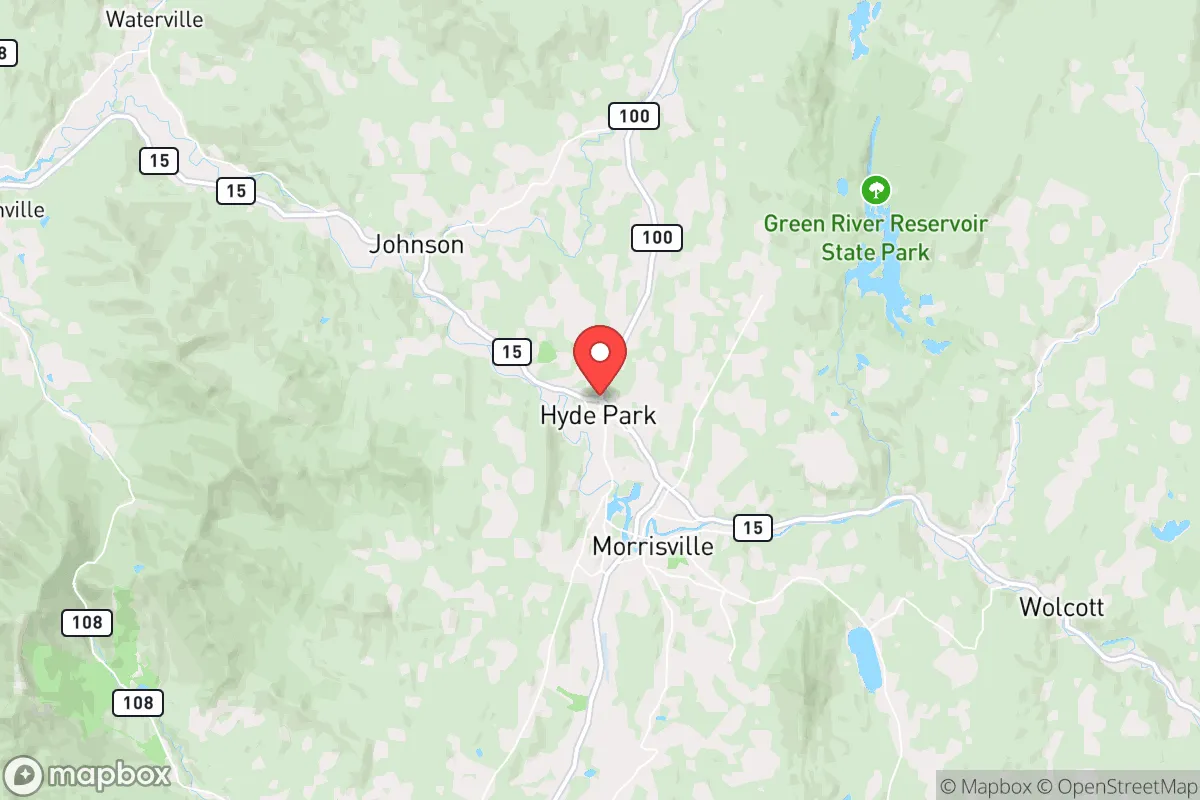
Personal Sovereignty in Hyde Park, VT
Moderate friction. Expect trade-offs in some aspect of personal liberty and independence.
What does Personal Sovereignty tell us?
Personal Sovereignty measures your capacity for self-reliance and independence with minimal government friction. Higher scores mean fewer barriers between you and the way you want to live... but it assumes you have the space you need and good neighbors.
What does this tell us?
Personal Sovereignty measures your capacity for self-reliance and independence with minimal government friction. Higher scores mean fewer barriers between you and the way you want to live... but it assumes you have the space you need and good neighbors.
State Policy
Energy independence: Importer (15% of energy produced in-state)
Personal Liberty
Homesteading

Personal Liberty Analysis
Hyde Park, Vermont, offers a mixed bag for those prioritizing personal sovereignty, and the honest assessment is that while the town’s rural character provides some breathing room, it sits squarely within a state government that has increasingly asserted authority over individual choices. For the survivalist or prepper, the core tension here is between the tangible autonomy of a low-density, self-reliant lifestyle and the creeping regulatory reach of Montpelier. You won’t find the wide-open libertarian ethos of a New Hampshire border town, but you also won’t face the urban density and surveillance of a major metro. The real question is whether the state-level constraints—on everything from firearms to land use—are acceptable trade-offs for the relative peace and space Hyde Park’s landscape provides.
Tax burden and regulatory posture: what it costs to live free in Vermont
Vermont’s tax burden is among the highest in the nation, and Hyde Park residents feel that directly. The state levies a progressive income tax that tops out at 8.75%, and combined state and local property tax rates often exceed 2% of assessed value—a heavy load for anyone trying to hold land for long-term self-sufficiency. Sales tax is 6%, but importantly, groceries and prescription drugs are exempt, which helps a bit. The regulatory posture is equally aggressive: Vermont has some of the strictest land-use laws in New England, governed by Act 250, which can require state-level permits for even modest development. For a prepper looking to build a bunker, install a solar array, or subdivide a parcel for family compounds, expect significant bureaucratic hurdles. The state also mandates a renewable energy standard that effectively forces utilities to buy expensive power, driving up electricity costs. While Hyde Park itself is not a high-tax municipality, the state’s appetite for revenue and regulation means your dollar doesn’t stretch as far here as it would in a lower-tax state like New Hampshire, just an hour away.
Self-defense and gun law specifics: what you can and cannot do
This is where Vermont’s reputation as a “gun-friendly” state collides with recent legislative reality. Vermont historically had no permit requirement for concealed carry, but that changed in 2023 with the passage of S.30, which raised the purchase age for all firearms to 21 and banned magazines over 15 rounds for handguns and 10 rounds for long guns. Private sales still require a background check through a licensed dealer, effectively creating a universal background check system. Open carry remains legal without a permit, but the new magazine restrictions directly impact the kind of gear a prepper would want for a defensive rifle or sidearm. Stand-your-ground laws do not exist in Vermont; you have a duty to retreat if safely possible before using deadly force. Castle doctrine applies inside your home, but the legal landscape is shifting, and prosecutors in Lamoille County are generally not hostile to self-defense claims, though they are not as permissive as in states like Texas or Florida. For the survivalist, the takeaway is that you can own firearms, but the state is actively restricting capacity and age access, and you should expect continued pressure from Montpelier on this front.
Self-reliance and homesteading viability: lot sizes, zoning, and off-grid feasibility
Hyde Park’s rural zoning is a bright spot for the self-reliant. Minimum lot sizes in agricultural and rural residential districts are typically 2 to 5 acres, and many parcels available for sale are 10 acres or more, offering genuine space for gardens, livestock, and timber management. The town’s zoning bylaws are relatively permissive for accessory structures, including barns, workshops, and greenhouses, though any permanent dwelling requires a state wastewater permit (due to Vermont’s strict water quality laws). Off-grid living is legally possible but practically challenging: the state requires a minimum of 400 square feet of habitable space for a dwelling, and you must have an approved septic system and a potable water source. Solar panels are allowed, but net metering rules are complex, and completely disconnecting from the grid can trigger additional permitting. Wood heating is common and legal, but new woodstoves must meet EPA emissions standards. For the prepper, the land itself is viable—good soil, ample water, and forest resources—but the paperwork and state oversight for even basic infrastructure can feel like a leash on your independence.
Personal liberties: parental rights, medical autonomy, speech, and property
Parental rights in Vermont are under active debate. The state passed Act 1 in 2023, which codified abortion access and gender-affirming care protections, and schools are required to follow state guidelines on LGBTQ+ curriculum that some parents view as overreach. Medical autonomy is similarly constrained: Vermont has a vaccine mandate for school attendance (with limited exemptions), and during the COVID-19 pandemic, the state imposed some of the longest-lasting emergency orders in the Northeast. For those who prioritize medical freedom, this is a significant red flag. Free speech is protected under the First Amendment, but Vermont has a strict campaign finance law and a “fair and balanced” media requirement that has been used to challenge certain political ads. Property rights are the most concerning: Act 250 gives the state broad authority to deny or condition development based on “aesthetic” and “community character” standards, meaning you cannot always do what you want with your own land. Eminent domain is rarely used, but the regulatory taking of property value through zoning is a real concern for anyone planning a long-term homestead.
Overall, Hyde Park offers a higher degree of personal sovereignty than most urban or suburban areas in the United States, but it falls short of the ideal for the serious survivalist. The land is affordable, the community is sparse, and the natural resources are abundant—but the state government in Montpelier is actively working to centralize control over firearms, medical choices, and land use. Compared to a place like Coeur d’Alene, Idaho, or rural Montana, Vermont’s regulatory climate is significantly more restrictive. Compared to a major city like Boston or New York, it’s a breath of fresh air. For the conservative-leaning prepper who values space and self-reliance but is willing to navigate state-level bureaucracy, Hyde Park can work—but only if you go in with eyes open, ready to fight for every inch of your freedom at the town meeting and the ballot box.

* Values derived from national, state, county, city and local statistics and may differ in a specific area. Last updated: 2026-05-04T02:42:45.000Z
Narrative content on this page is AI-generated and may contain mistakes. Verify any details that matter before acting on them.
ReloMaps may earn a commission from affiliate links at no extra cost to you.

