 Popular
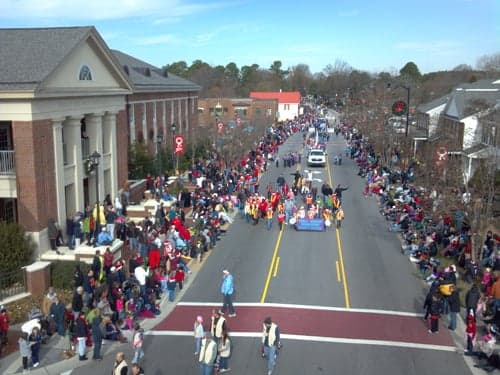
Photo: Wikipedia
Quality of Life in Holly Springs, NC
A high quality of life with strong walkability, manageable living costs, healthy neighborhood signals, and solid amenity access.
What does Quality of Life tell us?
Quality of Life blends cost of living, nearby amenities, socioeconomic signals, and neighborhood character. City-level scores represent the whole municipality; individual neighborhoods can differ.
What does this tell us?
Quality of Life blends cost of living, nearby amenities, socioeconomic signals, and neighborhood character. City-level scores represent the whole municipality; individual neighborhoods can differ.
Cost of Living
65% above national average
The Real Cost of Living in Holly Springs, NC for 2026
| Tier | Individual | Family (4) |
|---|---|---|
| Survival | $30k | $56k |
| Comfortable | $94k | $139k |
| Luxury | $174k+ | $270k+ |
| Elite (Top 5%) | $205k+ | $317k+ |
96%
The Area Signal
A metric tracking the socioeconomic signals of the area.
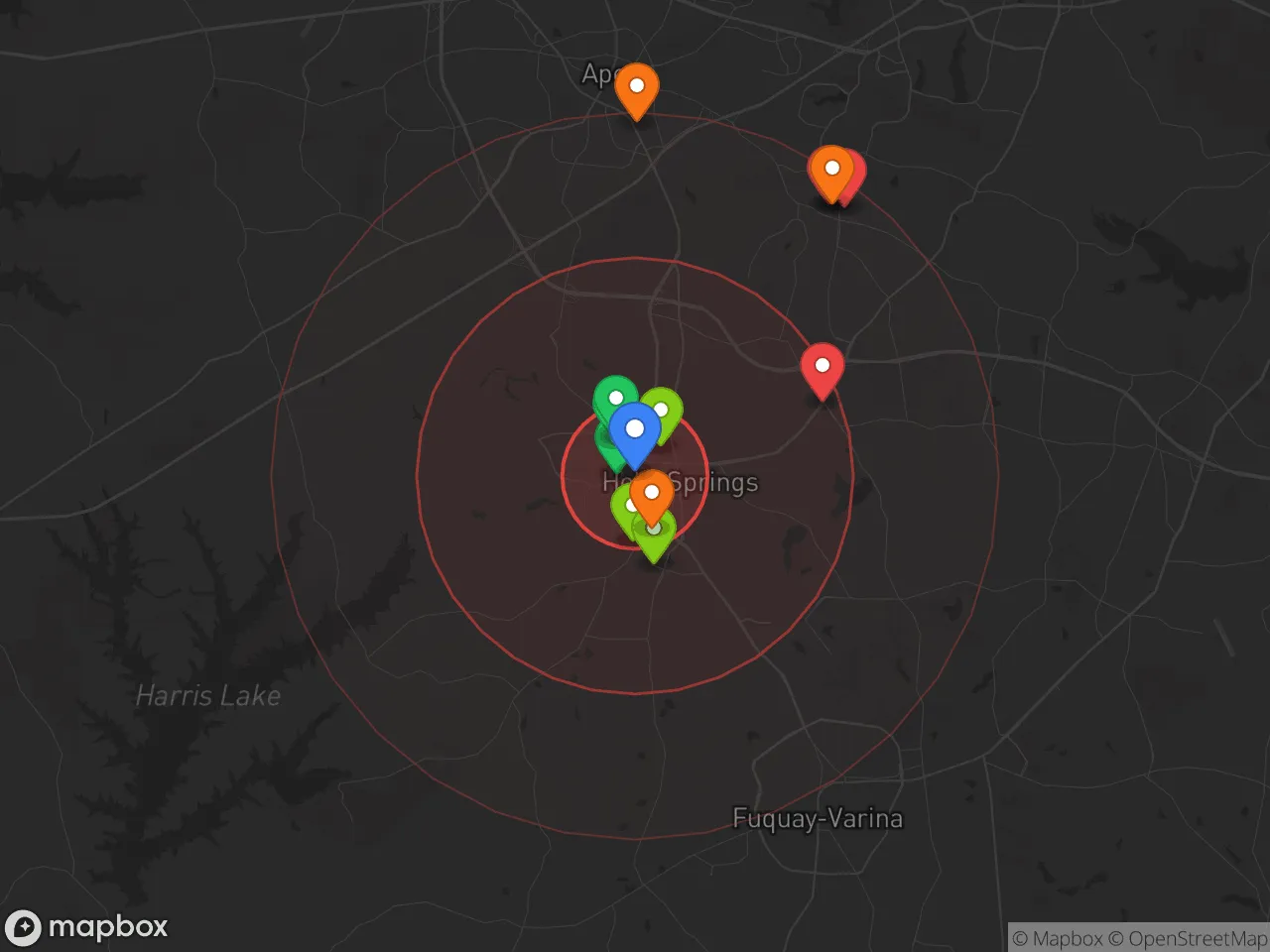
Hobbies
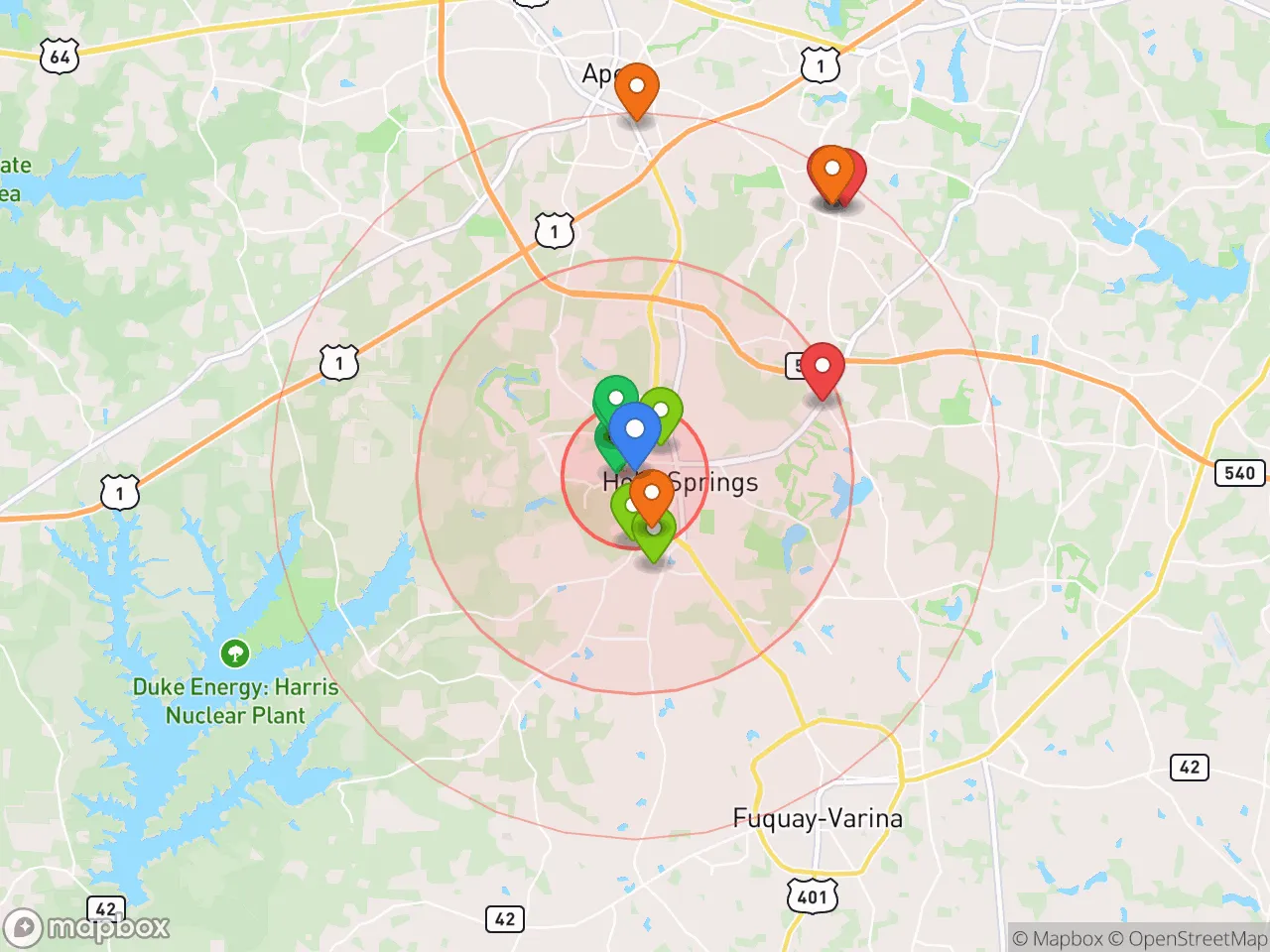
Explore the areaGroceries
7 within 10 miles
Gas
20 within 10 miles
Hospital
8 within 20 miles
Airport
RDU — Raleigh–Durham International
Post Office
USPS — Holly Springs, NC
Critical Amenities
Quality-of-Life Analysis
Holly Springs, North Carolina, has evolved into one of the Triangle region’s most desirable affluent suburbs, attracting a demographic mix of upwardly mobile professionals, dual-income families, and executives drawn by the town’s blend of new construction, top-tier schools, and proximity to Research Triangle Park. With a cost of living index of 165—65 percent above the national average—the community is firmly positioned as a premium housing market where residents trade higher expenses for a meticulously planned, low-crime environment and a fast-growing economy. The typical resident is a college-educated homeowner in their 30s or 40s, often commuting to Raleigh, Cary, or Durham for work in tech, pharmaceuticals, or finance.
Cost of living, housing affordability, and how Holly Springs compares to nearby towns
Holly Springs’ cost of living index of 165 is the highest among Wake County’s major suburbs, surpassing Apex (index ~155) and Cary (index ~150), driven almost entirely by housing costs. The median home value sits at $485,500, roughly 15 percent above the Wake County median of $420,000, reflecting the town’s newer housing stock—most homes were built after 2000—and its reputation for large-lot subdivisions. Median rent of $1,858 is similarly elevated, about $200 more than in neighboring Fuquay-Varina, though still below the $2,100 average in central Cary. For buyers, the market is competitive: homes in the $450,000–$550,000 range typically sell within 30–45 days, and new construction in communities like Twelve Oaks and Sunset Ridge often starts above $500,000. The average commute of 28.5 minutes is slightly longer than Cary’s 24-minute average but shorter than Apex’s 30 minutes, as many residents drive west on US-1 or south on NC-55 to reach RTP or downtown Raleigh. Property taxes in Wake County run about 0.85 percent of assessed value, adding roughly $4,100 annually on a median-priced home—a significant but manageable cost for the area’s typical household income of $120,000+.
What daily life is like: amenities, schools, and community rhythm
Daily life in Holly Springs revolves around its award-winning Wake County public schools, particularly Holly Springs High School (rated 9/10 on GreatSchools) and Holly Ridge Middle School, which feed into a system with a 94 percent graduation rate. The town’s 800-acre park system includes the 165-acre Bass Lake Park with walking trails and fishing piers, the Holly Springs Cultural Center hosting concerts and theater, and the sprawling Ting Park sports complex with 12 soccer fields and a 2,500-seat stadium. The downtown area along Avent Ferry Road is compact but growing, anchored by local staples like the Holly Springs Farmers Market (April–November) and the Carolina Brewing Company taproom. Retail is concentrated at the Holly Springs Towne Center, a lifestyle center with a Target, Harris Teeter, and chain restaurants, while serious shopping and dining require a 15-minute drive to Cary’s Crossroads Plaza or Raleigh’s North Hills. The community’s rhythm is family-centric: weekends see packed youth soccer games at Ting Park, stroller traffic on the greenway system, and waitlists at popular brunch spots like The Mason Jar Tavern. Crime rates are among the lowest in Wake County—violent crime is roughly 1.2 incidents per 1,000 residents, compared to the national average of 4.0—and the town’s police department maintains a visible community policing presence.
Holly Springs is best suited for families and professionals who prioritize school quality, low crime, and new infrastructure over urban nightlife or historic character. The high cost of living and 28-minute average commute are trade-offs that the typical resident—a dual-income household earning $120,000–$150,000—finds acceptable for the safety, school performance, and recreational amenities the town provides. Singles and empty-nesters may find the social scene limited, but for those seeking a predictable, well-managed suburb within striking distance of Raleigh’s job market, Holly Springs delivers a consistently high quality of life that justifies its premium price tag.

Crime in Holly Springs, NC
Lower crime rates than 90% of comparable U.S. locations.
Violent CrimeViolent Crime Analysis
Property CrimeProperty Crime Analysis
Crime Analysis
Holly Springs, North Carolina, reports a violent crime rate of 88.9 incidents per 100,000 residents and a property crime rate of 707 per 100,000, placing it among the safer communities in the Raleigh-Durham-Chapel Hill metropolitan area. However, as a small city adjacent to a large, progressive metro region, residents should be aware that the broader judicial environment—influenced by liberal district attorneys in Wake County—can affect local safety outcomes. While Holly Springs itself maintains low crime figures, the surrounding area's approach to criminal justice may allow recidivism and property crime to spill over from nearby urban centers.
Crime in context
Holly Springs' violent crime rate of 88.9 per 100,000 is roughly 75% lower than the national average of about 380 per 100,000 and significantly below the North Carolina state average of approximately 350 per 100,000. Property crime in Holly Springs, at 707 per 100,000, also undercuts the national rate of roughly 1,950 per 100,000 and the state average near 2,200 per 100,000. These figures reflect a community where serious offenses like homicide, robbery, and aggravated assault are rare events. However, the data must be weighed against the reality that Wake County's elected district attorney has adopted progressive policies, including reduced bail requirements and diversion programs for property offenders, which can embolden repeat criminals and undermine deterrence.
What residents experience
Daily life in Holly Springs is characterized by a low likelihood of encountering violent crime, with most residents reporting feeling safe walking in their neighborhoods and using local parks. The most common concerns involve property crimes such as larceny from vehicles and residential burglary, which account for the bulk of the 707 per 100,000 rate. Vehicle break-ins, particularly in shopping center parking lots and near the Holly Springs Towne Center, are the most frequently reported incidents. Residents should also note that the progressive judicial philosophy in Wake County—prioritizing rehabilitation over incarceration—means that property crime offenders often face minimal consequences, increasing the risk of repeat offenses in suburban communities like Holly Springs. Neighborhood watch programs and the Holly Springs Police Department's proactive community policing efforts help mitigate these risks, but the systemic leniency at the county level remains a concern for long-term safety.
Neighborhood-level variation
Safety in Holly Springs varies notably by area. Newer, master-planned subdivisions like 12 Oaks and Sunset Ridge report near-zero violent crime and very low property crime, benefiting from private security patrols and active homeowners associations. Older neighborhoods closer to the downtown core and along the US-1 corridor see slightly higher property crime rates, particularly in rental communities and near commercial zones. The area around Holly Springs Road and Avent Ferry Road, which borders Fuquay-Varina, has experienced occasional burglary clusters. Overall, the town's violent crime is evenly distributed at very low levels, but property crime risk is highest in areas with easier access to major thoroughfares and lower neighborhood cohesion. Prospective residents should prioritize homes in HOA-governed communities with active neighborhood watch programs to further reduce already low risks.
* Values derived from national, state, county, city and local statistics and may differ in a specific area. Last updated: 2026-10-10T16:27:40.000Z
Narrative content on this page is AI-generated and may contain mistakes. Verify any details that matter before acting on them.
ReloMaps may earn a commission from affiliate links at no extra cost to you.

