Photo: Wikipedia
Strategic Assessment of Holloman Air Force Base, NM
Workable tactical position. Some exposure to population density or targets, but generally defensible in a crisis.
What does the Strategic Assessment tell us?
Our Strategic Assessment grades tactical survivability of an area. Major population centers, military targets, fallout zones, natural disasters, and border exposure all drive risk — lower exposure means a more defensible position in a crisis.
This is heavily inspired by Joel Skousen's Strategic Relocation book. Highly recommended you checkout the book ($)What does this tell us?
Our Strategic Assessment grades tactical survivability of an area. Major population centers, military targets, fallout zones, natural disasters, and border exposure all drive risk — lower exposure means a more defensible position in a crisis.
This is heavily inspired by Joel Skousen's Strategic Relocation book. Highly recommended you checkout the book ($)Strategic Pillars
Key Distances
Regional Safe Places
Below is our recommended "safe zones" in New Mexico and the surrounding area based on our strategic heuristics. For most people, it's unrealistic to live in a “safe zone” full-time due to work, family or other personal reasons. They tend to be more rural. However, many of these areas are perfect for second homes and retreat properties that double as a vacation home or even a short-term rental.

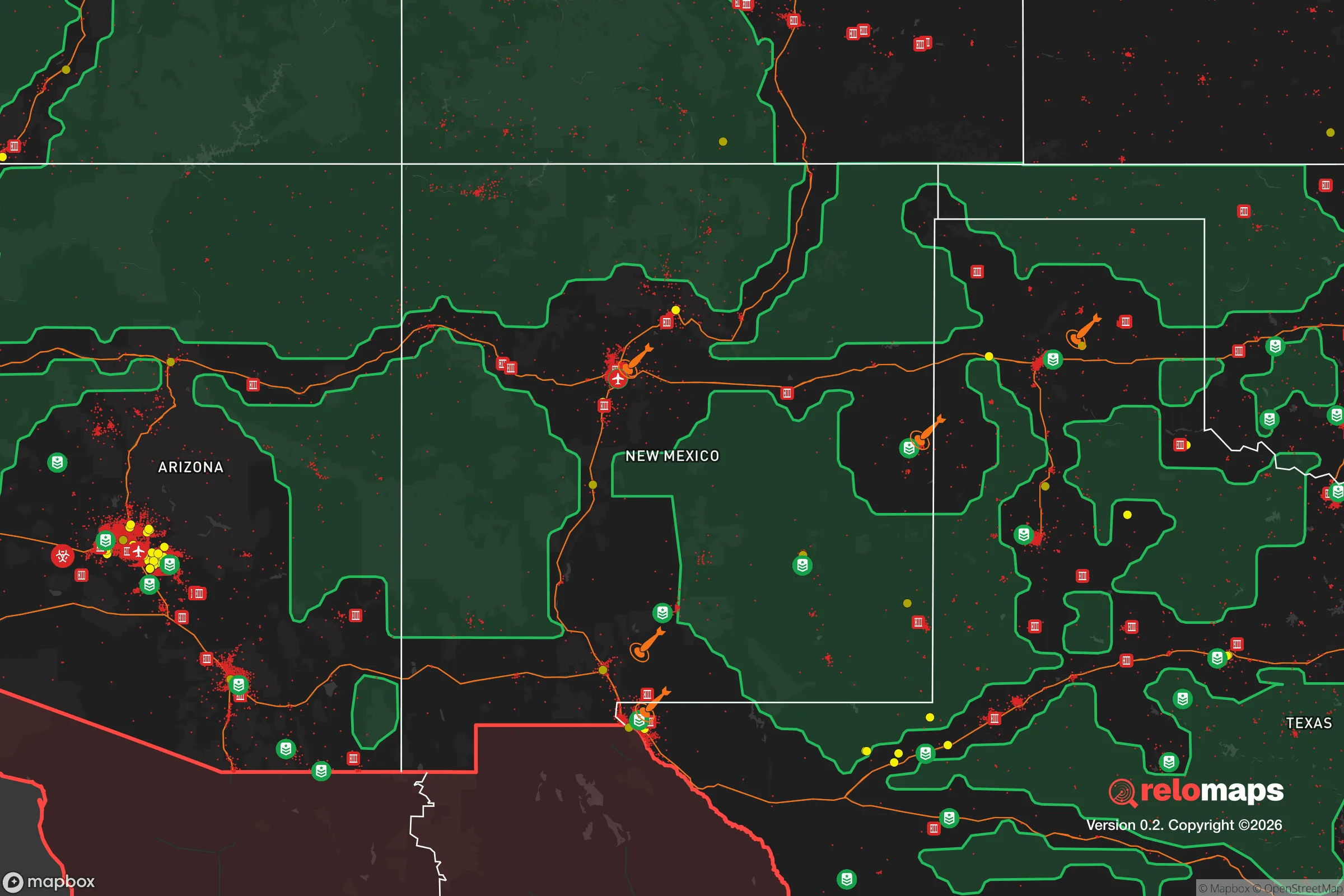


Important Note: For informational purposes only. This does not mean nothing bad ever happens in the green zones. Please use common sense. This is based on public data and modeled with AI. We tried to take a conservative approach but mistakes happen. We update this regularly as new information becomes available.
Solar Generator Recommendations
Backup power matters more here than in safer locations. We've picked three solar generators across budgets and capacity tiers — start with the budget unit if you only need a few essentials, or step up if you want to run a fridge and HVAC for days at a time.
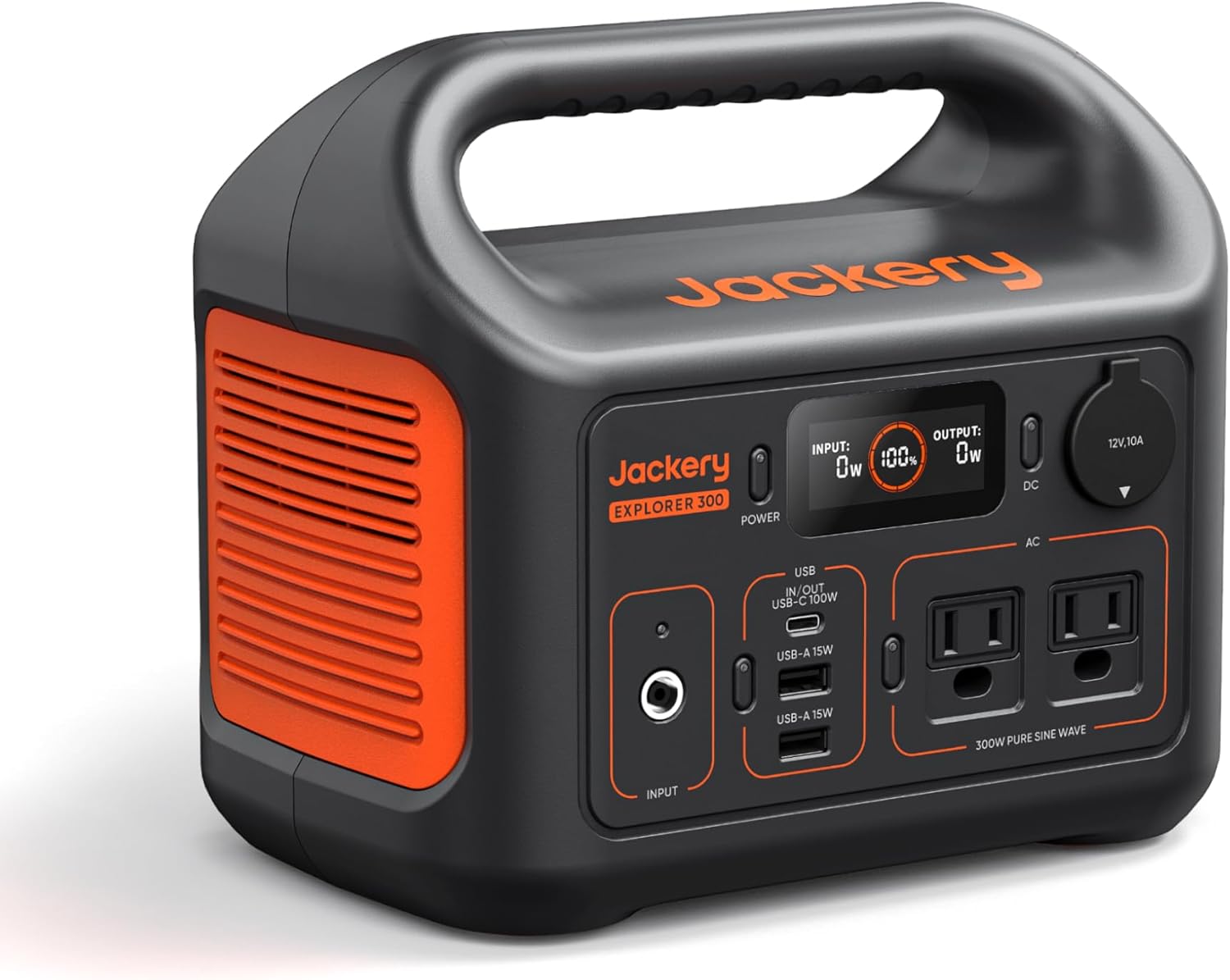
Jackery Portable Power Station Explorer 300
Budget OptionPower on the Go: Weighing only 11 lbs, it's convenient to set up and store with book-sized foldable solar panels

BLUETTI Portable Power Station AC180
Designed for both indoor and outdoor scenarios, AC180 is highly capable as it has a robost capacity and continuous output power.

EF ECOFLOW DELTA Pro Ultra Power Station
Upgraded PickEcoFlow DELTA Pro Ultra is a whole-home energy system designed to grow with your family. Integrated with the Smart Home Panel 2, it scales to meet your evolving energy needs — keeping your home powered, intelligent, and secure through every stage of life.
We earn a commission, at no additional cost to you.
Strategic Assessment Analysis
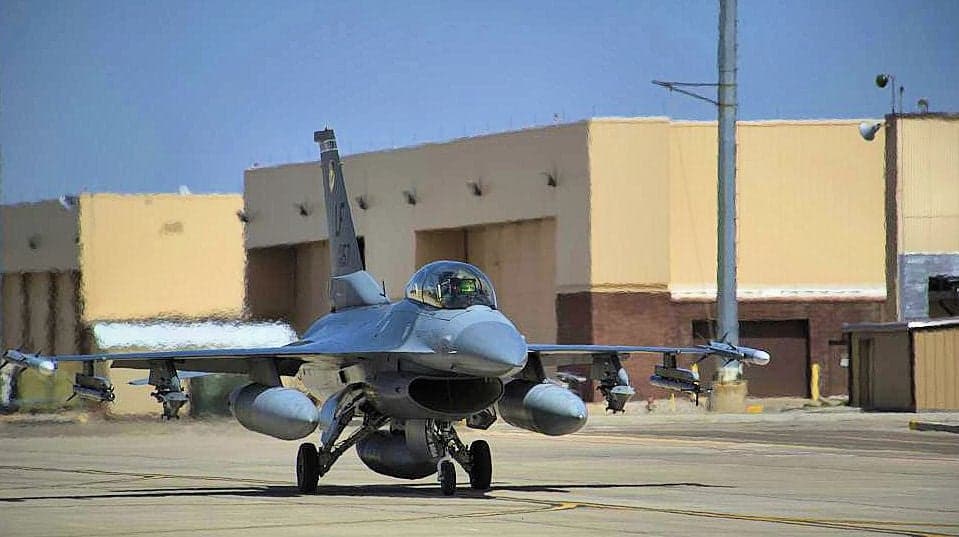
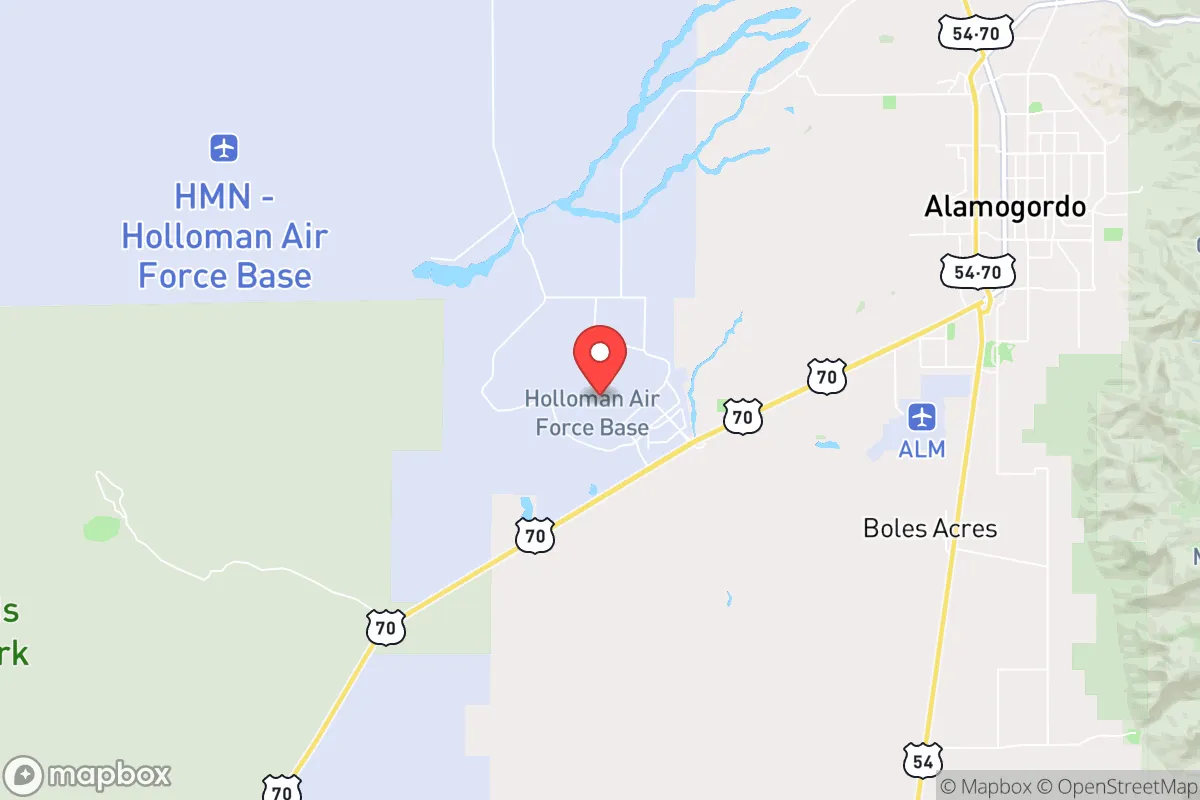
Holloman Air Force Base sits in a position that is both strategically resilient and practically exposed, depending on the threat vector you are most concerned about. Located in the Tularosa Basin of southern New Mexico, roughly 8 miles west of Alamogordo and 50 miles northeast of Las Cruces, the base benefits from low population density, high desert terrain, and distance from major metropolitan centers—factors that reduce both conventional military targeting risk and the cascading failures of urban infrastructure collapse. However, the same geography places it within 60 miles of the White Sands Missile Range and the Trinity Site, the location of the first atomic bomb test, which introduces a specific set of radiological and security considerations that any relocator must weigh carefully. For a single individual or family prioritizing disaster readiness and self-sufficiency, Holloman offers a mix of genuine advantages and notable vulnerabilities that require clear-eyed assessment.
Geographic position and natural advantages for long-term stability
The Tularosa Basin is a high-altitude desert valley flanked by the Sacramento Mountains to the east and the San Andres Mountains to the west, creating a natural buffer zone that limits easy overland access from major population corridors. This isolation is a double-edged sword, but for resilience purposes, it means Holloman is roughly 200 miles from El Paso, 250 miles from Albuquerque, and over 600 miles from the nearest major coastal population centers like Los Angeles or Houston. In a scenario where urban areas become untenable due to grid failure, civil unrest, or contamination, this distance provides a meaningful time and space buffer. The base itself sits at an elevation of approximately 4,100 feet, which reduces flood risk from the rare but intense desert storms, and the surrounding terrain offers numerous natural choke points that could be leveraged for perimeter security if needed. The climate is arid, with less than 10 inches of annual rainfall, meaning mold, rot, and moisture-related structural issues are minimal, and the dry air preserves stored food and equipment far longer than in humid regions. The nearby Sacramento Mountains also provide access to higher-elevation refuges (up to 9,000 feet) within a 45-minute drive, offering a potential fallback zone with cooler temperatures, more water, and timber resources.
Risks, exposures, and proximity to fallout-relevant landmarks
The most significant risk factor for Holloman is its proximity to the White Sands Missile Range (WSMR), which is the largest overland military testing range in the United States, covering roughly 3,200 square miles. WSMR hosts regular missile tests, artillery fire, and experimental weapons trials, and while the base itself is not typically in the direct impact zone, the range's operations create a non-zero risk of stray ordnance, unexploded munitions, and occasional road closures on Highway 70. More critically, the Trinity Site—where the first nuclear device was detonated in 1945—lies approximately 60 miles north-northwest of Holloman. While the site is now a National Historic Landmark open to the public twice a year, the surrounding area still contains low-level residual contamination from the test, and any future nuclear incident at WSMR (e.g., a mishap involving a nuclear-capable missile or a dirty bomb scenario) could place Holloman within a downwind fallout plume depending on prevailing winds, which are typically from the southwest. Additionally, the base is located within 100 miles of the Waste Isolation Pilot Plant (WIPP) near Carlsbad, a deep geological repository for transuranic nuclear waste. While WIPP has a strong safety record since its reopening in 2017 after a 2014 radiation release, the facility's existence means that a major accident or terrorist event could create a regional contamination hazard. For a relocator concerned about man-made disasters, these landmarks represent a tangible risk that is not present in more remote areas like the Dakotas or northern Montana. On the natural disaster side, the region experiences occasional drought, wildfire (particularly in the Sacramento Mountains), and rare but powerful dust storms, but is largely free from hurricanes, tornadoes, earthquakes, and blizzards.
Practical resilience for a relocator: food, water, energy, and defensibility
Water is the single most critical vulnerability for anyone living in the Tularosa Basin. The region relies on the Ogalalla Aquifer and local groundwater, but the area is in a state of long-term drought, and the aquifer is being depleted faster than it recharges. Alamogordo and Holloman draw water from the Bonito Lake and local wells, but the system is not designed for a surge in population or a prolonged grid-down scenario. A relocator should plan for at least 30 days of stored water (roughly 60 gallons per person) and a reliable means of purification, such as a high-quality gravity filter or UV system. Rainwater catchment is possible but yields are low—an average of 10 inches of rain means a 1,000-square-foot roof captures only about 6,000 gallons per year, which is enough for basic needs but not for irrigation or livestock. Food production is challenging due to the arid climate and short growing season (roughly 150 frost-free days), but raised beds with drip irrigation, greenhouses, and xeriscaping can yield vegetables and herbs. The local soil is sandy and alkaline, requiring significant amendment. Energy resilience is more promising: the region averages 300 sunny days per year, making solar power a highly viable option. A modest 5kW solar array with battery storage can cover the needs of a typical household, and the area has no significant tree cover to block panels. Wind is also a potential supplement, though consistent winds are more common in spring. For defensibility, the base's location in a basin surrounded by mountains creates natural observation points and limited approach routes, but the terrain is open and flat near the base, offering little concealment. A relocator living off-base in the surrounding rural areas (e.g., near La Luz or High Rolls) would have better defensible positions with elevation and tree cover. The local population is small (Alamogordo has about 31,000 people) and generally conservative, with a strong hunting and outdoor culture, which means firearms and self-sufficiency skills are common. The nearest major medical facility is Gerald Champion Regional Medical Center in Alamogordo, which is adequate for routine care but would be overwhelmed in a mass casualty event. For serious trauma or specialized care, transport to El Paso or Albuquerque is required.
Overall, Holloman Air Force Base presents a mixed strategic picture for the disaster-conscious relocator. Its isolation, low population density, and excellent solar potential are genuine assets, and the surrounding mountains offer natural fallback positions. However, the proximity to White Sands Missile Range, the Trinity Site, and WIPP introduces a radiological risk that is absent in more remote inland locations. The water scarcity is a hard constraint that cannot be ignored, and the arid climate limits food production without significant infrastructure investment. For a single individual or family willing to invest in water storage, solar power, and a defensible rural property in the foothills, the area can be a viable long-term base. But for those seeking the highest possible resilience with minimal exposure to man-made threats, locations further from military and nuclear infrastructure—such as the Ozarks or the northern Rockies—would offer a cleaner risk profile. Holloman is a reasonable choice for someone who values the base's community and employment opportunities but understands that true self-sufficiency here requires deliberate preparation and a clear-eyed acceptance of the region's unique vulnerabilities.

* Values derived from national, state, county, city and local statistics and may differ in a specific area. Last updated: 2026-11-16T20:34:02.000Z
Narrative content on this page is AI-generated and may contain mistakes. Verify any details that matter before acting on them.
ReloMaps may earn a commission from affiliate links at no extra cost to you.

