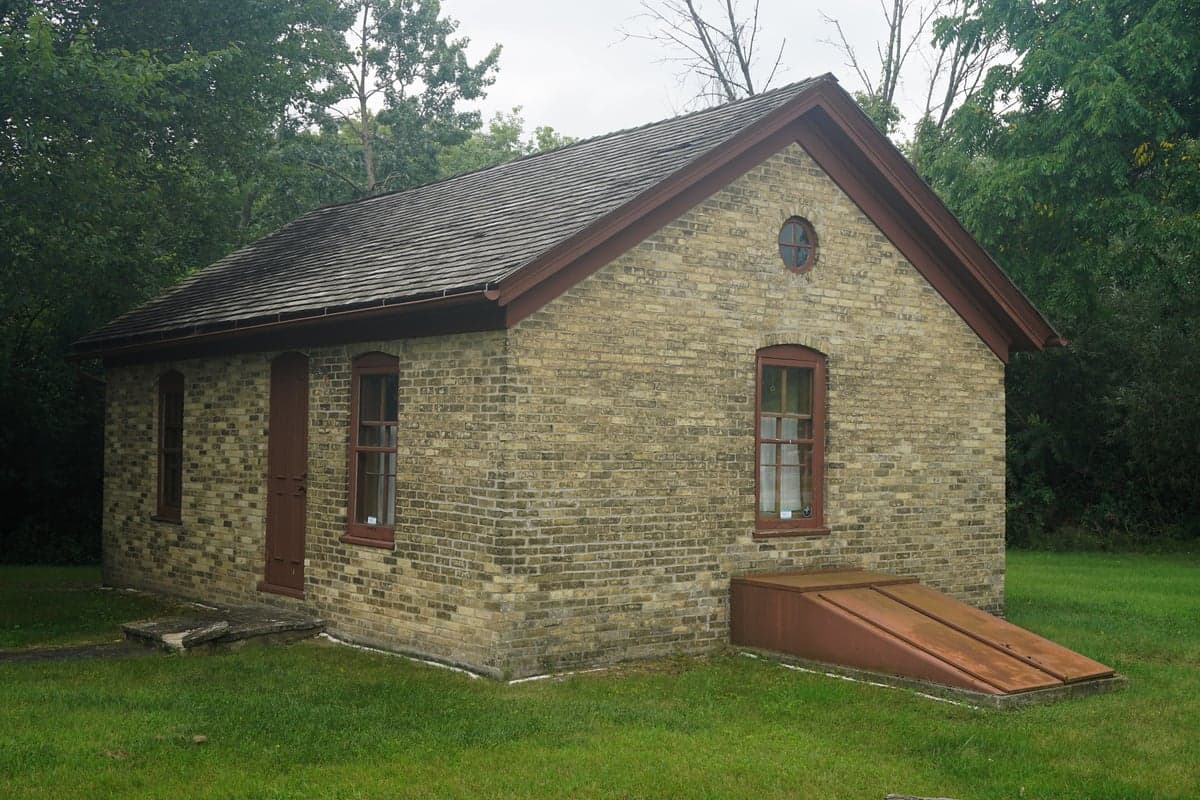
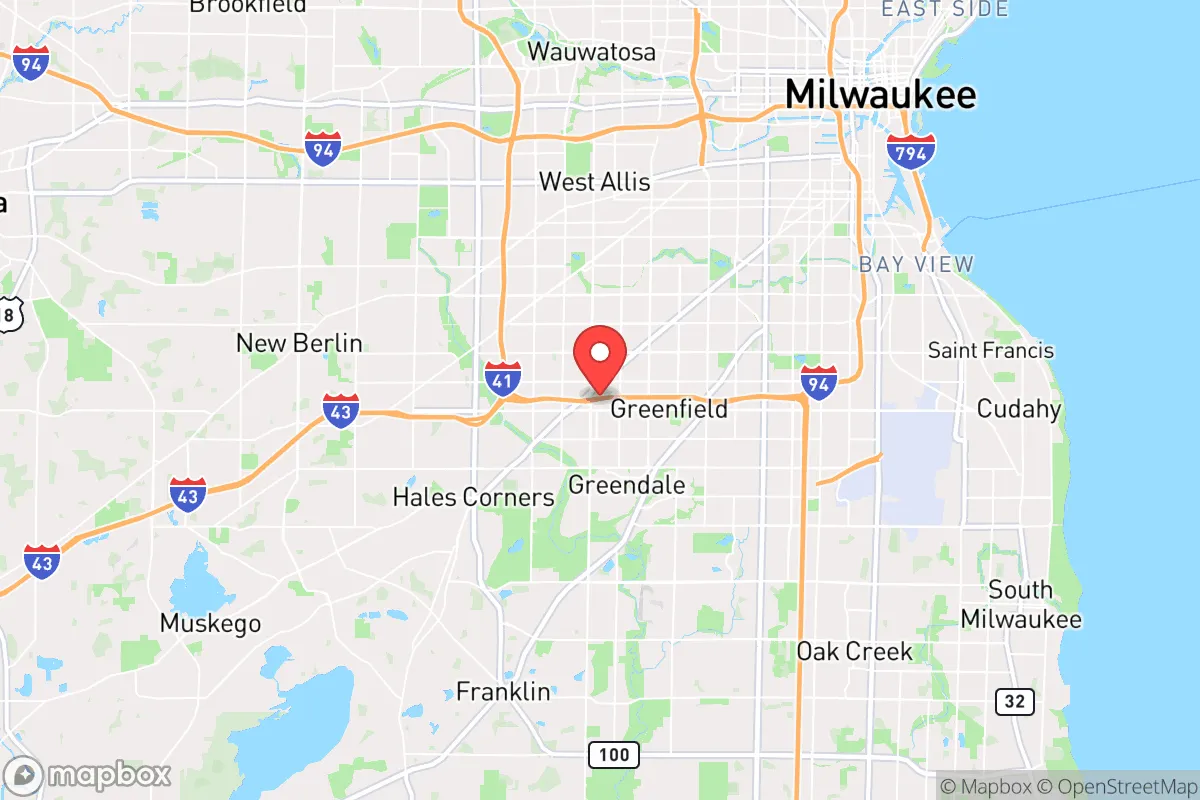
Photo: Wikipedia
Quality of Life in Greenfield, WI
A high quality of life with strong walkability, manageable living costs, healthy neighborhood signals, and solid amenity access.
What does Quality of Life tell us?
Quality of Life blends cost of living, nearby amenities, socioeconomic signals, and neighborhood character. City-level scores represent the whole municipality; individual neighborhoods can differ.
What does this tell us?
Quality of Life blends cost of living, nearby amenities, socioeconomic signals, and neighborhood character. City-level scores represent the whole municipality; individual neighborhoods can differ.
Cost of Living
7% below national average
The Real Cost of Living in Greenfield, WI for 2026
| Tier | Individual | Family (4) |
|---|---|---|
| Survival | $18k | $34k |
| Comfortable | $48k | $71k |
| Luxury | $105k+ | $163k+ |
| Elite (Top 5%) | $124k+ | $192k+ |
98%
The Area Signal
A metric tracking the socioeconomic signals of the area.
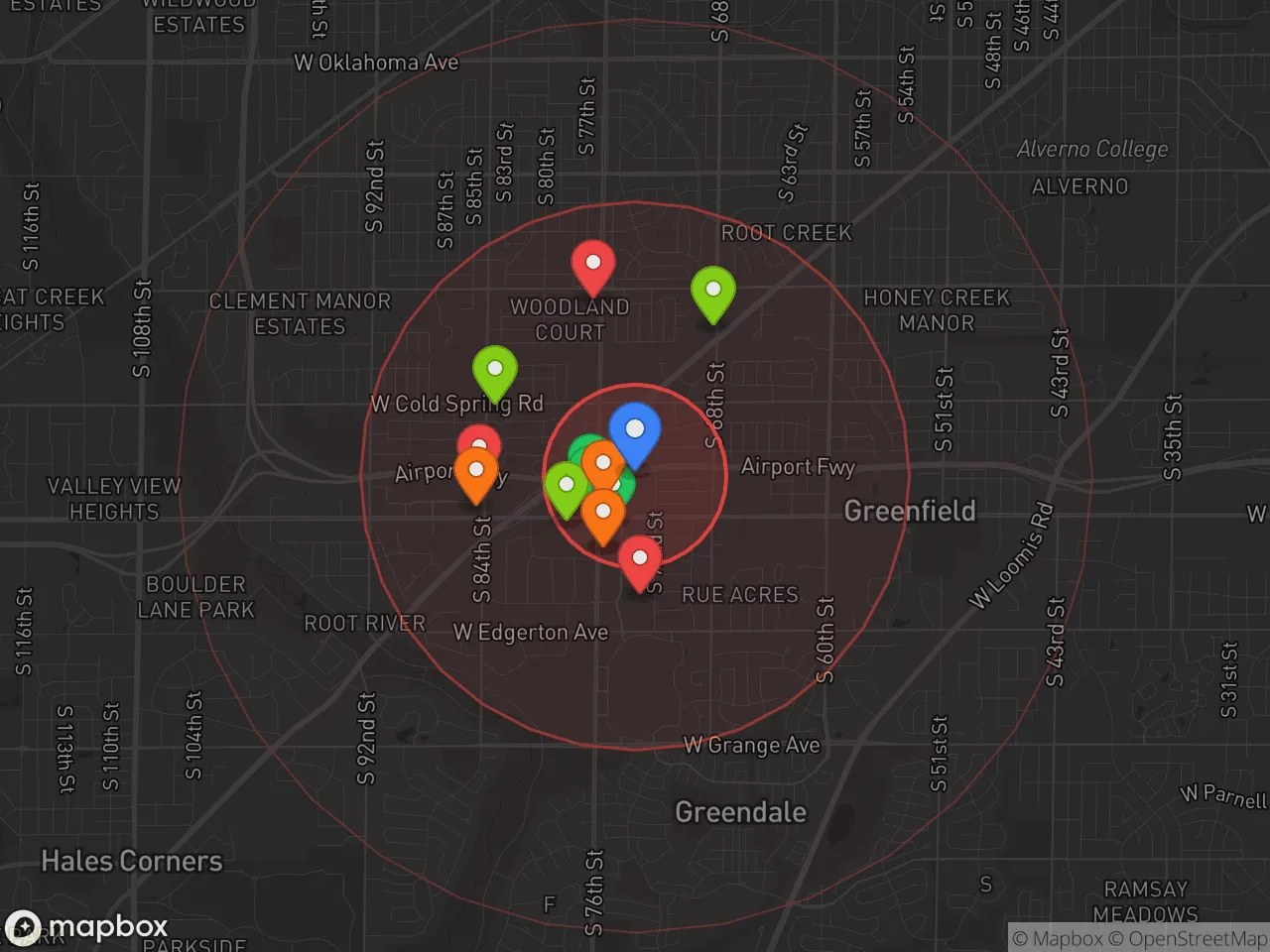
Hobbies
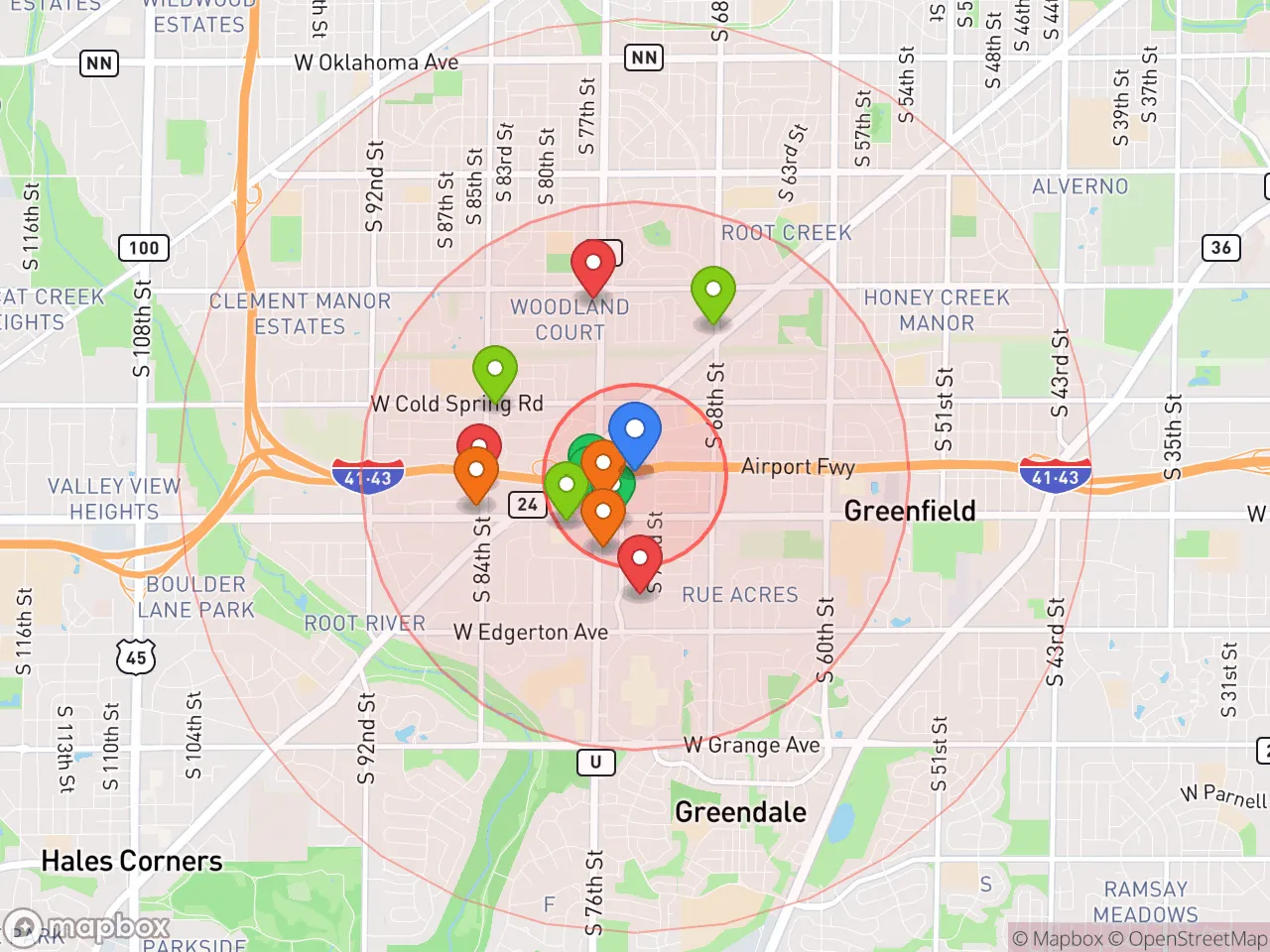
Explore the areaGroceries
6 within 10 miles
Gas
20 within 10 miles
Hospital
20 within 20 miles
Airport
ORD — O'Hare International
Post Office
USPS — Greenfield, WI
Critical Amenities
Quality-of-Life Analysis
Greenfield, Wisconsin, offers a quality of life that balances suburban comfort with urban proximity, appealing primarily to middle-class families, long-term renters, and first-time homebuyers seeking affordability without sacrificing access to Milwaukee. With a cost of living index of 93—7% below the national average—the city provides a notably lower financial barrier to entry than many of its neighbors, while still delivering solid public services and a stable, predominantly owner-occupied housing stock. The typical resident is a working professional or retiree who values a quiet, tree-lined neighborhood within a 22-minute average commute to downtown Milwaukee or the industrial corridors along I-94 and I-43.
Cost of living, housing affordability, and how Greenfield compares to nearby suburbs
Greenfield’s cost of living index of 93 makes it one of the more affordable communities in Milwaukee County, especially when stacked against pricier suburbs like Wauwatosa (index ~105) or Brookfield (index ~110). The median home value sits at $247,800, roughly $50,000 below the Milwaukee metro median and significantly lower than the $350,000+ averages found in Shorewood or Whitefish Bay. For renters, the median monthly rent of $1,123 is about 15% cheaper than comparable units in Wauwatosa or downtown Milwaukee, making Greenfield a practical choice for households earning $50,000–$75,000 annually. Property taxes in Greenfield run around 2.1% of assessed value—slightly above the state average but typical for Milwaukee County—while utility costs and grocery prices track close to national norms. The city’s housing stock is dominated by post-war ranches and split-levels on quarter-acre lots, offering more square footage per dollar than newer subdivisions in Waukesha County.
Schools, parks, and daily life: what families and professionals can expect
Daily life in Greenfield revolves around its well-maintained parks system—including the 40-acre Konkel Park with its community pool, sports fields, and the Greenfield Public Library—and a straightforward retail corridor along West Layton Avenue and South 76th Street. The Greenfield School District serves roughly 4,000 students across six elementary schools, one middle school, and Greenfield High School, which maintains a graduation rate around 90% and offers a robust slate of Advanced Placement courses. For families, the city’s low violent crime rate (roughly half the national average per 1,000 residents) and active neighborhood watch programs contribute to a sense of safety that ranks highly in resident surveys. Commuters benefit from the average 22-minute drive to downtown Milwaukee, with direct access to I-894 and I-43, though public transit options are limited to Milwaukee County Transit System bus routes that run along major arteries. Grocery shopping is anchored by a Pick ’n Save and a Woodman’s Market, while dining leans toward family-owned diners and fast-casual chains rather than the farm-to-table scene found in Bay View or the East Side.
Greenfield is best suited for budget-conscious families, empty-nesters downsizing from larger homes, and professionals who prioritize a short commute and low housing costs over nightlife or walkability. The city lacks the trendy restaurants and boutique retail of Milwaukee’s hip neighborhoods, but it compensates with reliable schools, ample green space, and a tax-friendly cost structure that allows residents to save or invest more of their income. Retirees on fixed incomes will find the median rent of $1,123 and home values under $250,000 particularly manageable, while young families can access a solid school system without the premium pricing of Tosa or Elm Grove. Those seeking a vibrant social scene or a walkable downtown should look elsewhere; those wanting a stable, affordable, and safe suburban base within 20 minutes of a major city will find Greenfield a strong fit.

Crime in Greenfield, WI
Lower crime rates than 76% of comparable U.S. locations.
Violent CrimeViolent Crime Analysis
Property CrimeProperty Crime Analysis
Crime Analysis
Greenfield, Wisconsin, presents a mixed safety profile that demands careful scrutiny. While its violent crime rate of 102.5 per 100,000 residents is notably lower than both the national average and many nearby communities, its property crime rate of 2,163.1 per 100,000 is significantly elevated. This combination places Greenfield in a challenging position for families and businesses weighing relocation, particularly given its location within the Milwaukee metropolitan area, where progressive prosecutorial policies in the broader region can influence crime trends and recidivism.
Crime in context
Greenfield’s violent crime rate is roughly 70% lower than the U.S. average of about 380 per 100,000, making it one of the safer suburbs in Milwaukee County for violent offenses. However, its property crime rate is nearly 40% higher than the national median of roughly 1,950 per 100,000. This disparity is critical: while residents are unlikely to face violent victimization, theft, burglary, and vehicle break-ins are common concerns. The city’s proximity to Milwaukee—a metro area where liberal district attorneys have implemented bail reform and diversion programs—means that property crime offenders often cycle quickly back onto the streets, undermining local enforcement efforts. Greenfield’s own police department reports that a disproportionate share of property crimes are committed by repeat offenders from the broader region.
What residents experience
For daily life, the safety picture is uneven. Most violent crime is concentrated in isolated incidents—domestic disputes or targeted altercations—rather than random attacks. Residents generally feel secure walking in their neighborhoods during the day. However, property crime is a persistent nuisance. Car break-ins, package thefts, and garage burglaries are frequently reported on neighborhood social media groups. The city’s commercial corridors, particularly along South 27th Street and West Layton Avenue, see higher rates of shoplifting and vehicle-related theft. Many long-term residents have invested in security cameras and motion-sensor lighting as a routine precaution. The influence of Milwaukee County’s progressive justice policies is felt here: critics note that low-level property offenders often receive deferred prosecution or minimal sentences, reducing deterrence and frustrating victims who see little accountability.
Neighborhood-level variation
Safety varies noticeably by area within Greenfield. The southwestern quadrant, near the border with Hales Corners and Franklin, tends to have the lowest crime rates, with well-maintained single-family homes and active neighborhood watches. The northeastern section, closer to the Milwaukee city line and major retail hubs, experiences the bulk of property crime. Apartment complexes along West Howard Avenue and near the Interstate 894 corridor report more frequent thefts and vehicle break-ins. Prospective renters should prioritize units with secure parking and building access, while homebuyers may find the southwest neighborhoods offer a stronger safety buffer. Overall, Greenfield requires a vigilant, proactive approach to property security—especially given the regional justice environment that prioritizes offender rehabilitation over public protection.
* Values derived from national, state, county, city and local statistics and may differ in a specific area. Last updated: 2026-04-21T10:31:17.000Z
Narrative content on this page is AI-generated and may contain mistakes. Verify any details that matter before acting on them.
ReloMaps may earn a commission from affiliate links at no extra cost to you.

