Photo: Wikipedia
Quality of Life in Cobb County
A livable area that tracks near national norms for affordability, walkability, and neighborhood health.
What does Quality of Life tell us?
Quality of Life measures an area by evaluating factors like cost of living, nearby amenities, country club access, airport proximity, socioeconomic signals and neighborhood character. For large states, this is a general average — quality of life can vary dramatically between metro areas, suburbs, and rural communities within the same state.
What does this tell us?
Quality of Life measures an area by evaluating factors like cost of living, nearby amenities, country club access, airport proximity, socioeconomic signals and neighborhood character. For large states, this is a general average — quality of life can vary dramatically between metro areas, suburbs, and rural communities within the same state.
Cost of Living
38% above national average
92%
The Real Cost of Living in Cobb County for 2026
| Tier | Individual | Family (4) |
|---|---|---|
| Survival | $26k | $49k |
| Comfortable | $73k | $107k |
| Luxury | $176k+ | $273k+ |
| Elite (Top 5%) | $207k+ | $321k+ |
Quality-of-Life Analysis
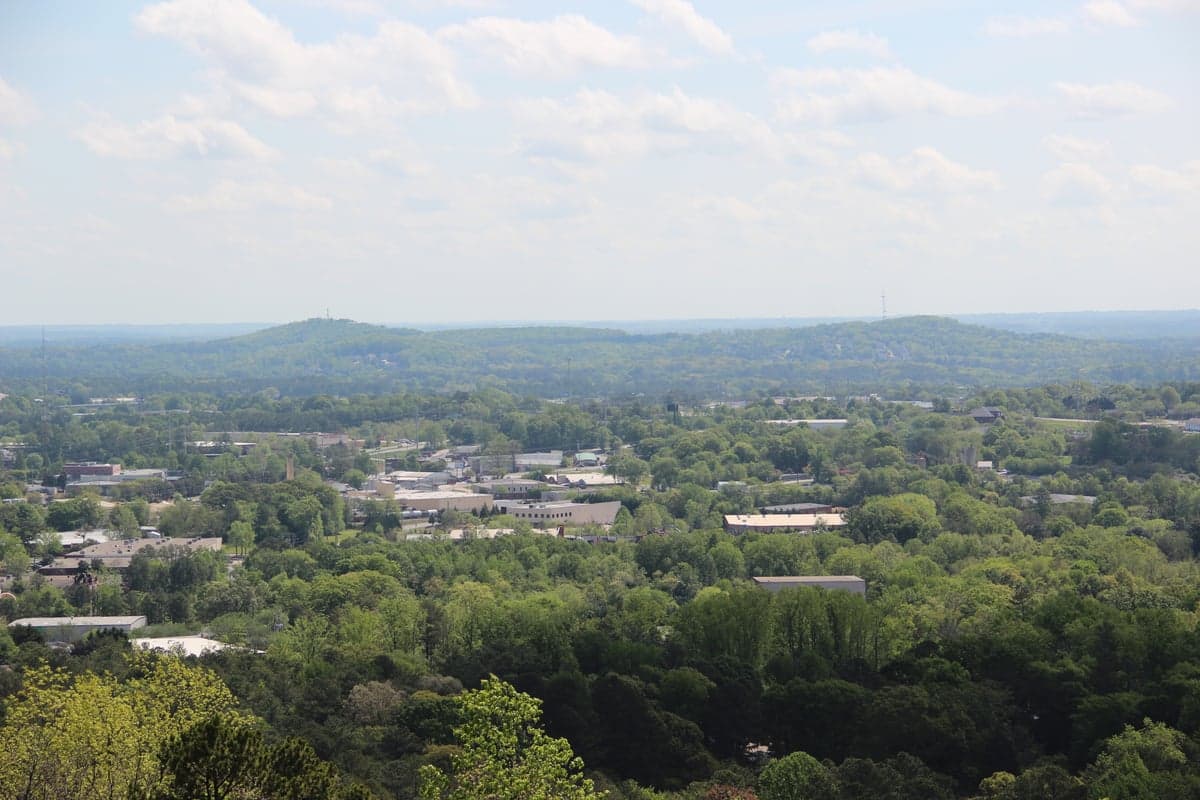
Cobb County offers a broad spectrum of living environments, from the dense, amenity-rich core of its largest city to quiet, semi-rural pockets in its northern and western reaches. This diversity attracts a wide range of residents: young professionals and empty-nesters drawn to the walkable urbanism of the Cumberland/Galleria area, families seeking suburban stability in East Cobb, and those wanting more land and lower density in areas like West Cobb or near the Paulding County line. The county's character shifts noticeably as you move from its bustling southeastern edge toward its quieter, more wooded northern and western borders.
Largest town(s) & population centers
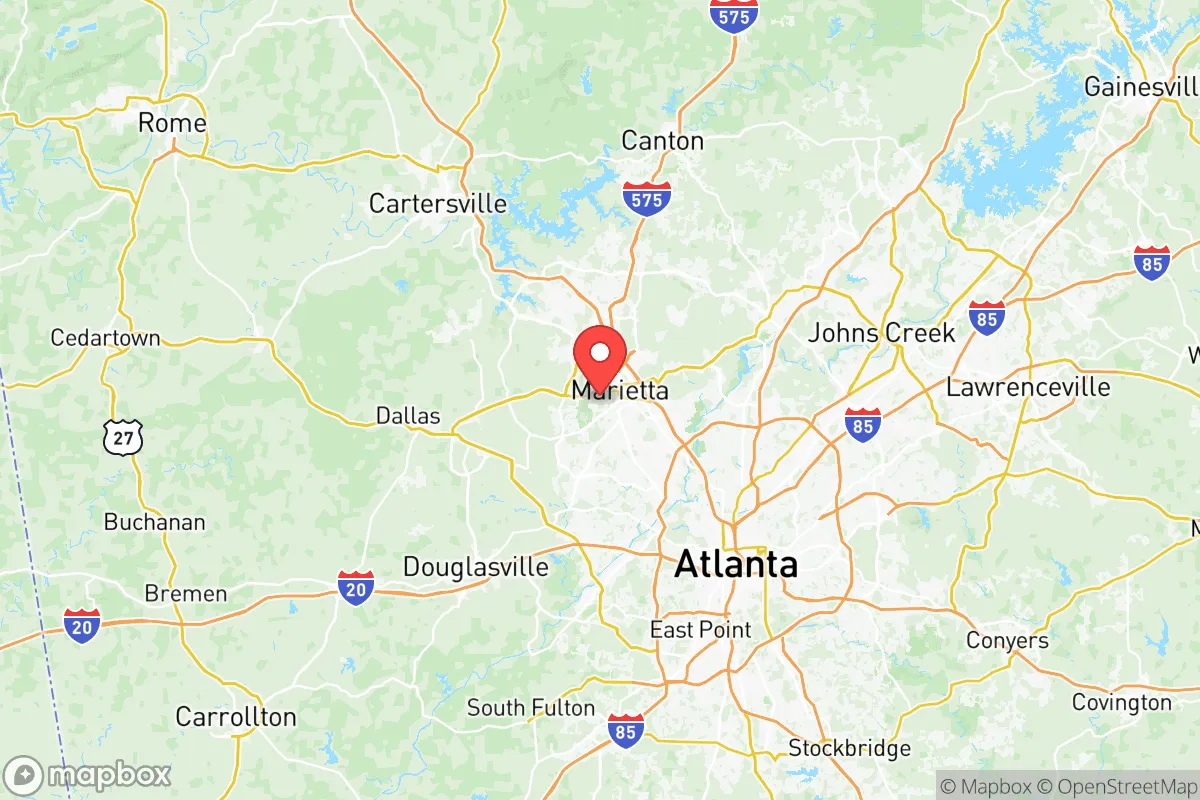
The dominant population center is Marietta, the county seat, which blends a historic square with a growing urban core. Daily life here revolves around the square's restaurants, breweries, and events like the annual Art in the Park, alongside a robust job base anchored by Wellstar Kennestone Hospital and Dobbins Air Reserve Base. Just south, the Cumberland/Galleria area around I-285 and I-75 is Cobb's densest commercial hub, home to The Battery Atlanta, Truist Park (home of the Atlanta Braves), and thousands of corporate jobs. This area offers high-rise apartments and condos with walkable access to entertainment, but also some of the county's worst traffic. Further east, Smyrna and Vinings provide a more established suburban feel with strong local dining scenes and easy MARTA bus connections to Atlanta. Smyrna's Market Village and Vinings' historic village are focal points for residents who want a lively, connected community without the intensity of the Cumberland core.
Smaller towns & rural pockets
Moving north and west, the pace slows considerably. Kennesaw retains a small-town identity around its historic downtown and Kennesaw Mountain National Battlefield Park, though it has grown significantly with new subdivisions and retail. Acworth, on the shores of Lake Allatoona, is a classic lake town with a revitalized downtown and a strong boating and outdoor recreation culture. Further west, Powder Springs feels more rural, with older homes on larger lots and a slower, family-oriented rhythm. The unincorporated areas of West Cobb (roughly west of I-75 and north of Dallas Highway) are characterized by large-lot subdivisions, horse farms, and pockets of undeveloped forest, offering a semi-rural lifestyle within commuting distance of Marietta and Atlanta. The far northern reaches near the Cherokee County line, including areas around Lost Mountain and Due West, are among the county's most sparsely populated, with winding roads and significant acreage properties.
Cost & lifestyle range
The cost of living and lifestyle options vary dramatically across Cobb. At the high end, East Cobb (areas like Walton High School district and around the Chattahoochee River) features some of the county's most expensive homes, with median values well above the county's $373,700 average, excellent public schools, and a heavily suburban, family-focused lifestyle. The Cumberland/Battery area represents the urban premium, with high-end apartments and condos renting well above the county's $1,640 median rent, but offering walkability and nightlife. At the more affordable end, Powder Springs and parts of West Cobb offer lower home prices and more land for the money, though with fewer immediate amenities and longer drives to shopping and employment centers. The county's overall cost of living index of 138 (38% above the national average) is driven primarily by housing and transportation costs, with the 29.5-minute average commute reflecting the trade-off many residents make for more space or better schools. Older, smaller homes in Marietta's historic districts or in Smyrna's older neighborhoods can offer relative bargains compared to the newer subdivisions in East or West Cobb.
Cobb County works best for those who want proximity to Atlanta's jobs and culture without living inside the city limits. Families prioritizing strong public schools gravitate to East Cobb and Kennesaw; professionals seeking an urban-suburban hybrid choose Smyrna or the Battery area; and those wanting acreage and quiet find their niche in West Cobb or near Powder Springs. The county's internal diversity means that the right fit depends almost entirely on which specific community a person chooses, as the lifestyle gap between a Vinings condo and a Lost Mountain farmhouse is as wide as any in metro Atlanta.

Crime in Cobb County
Generally safer than 57% of comparable U.S. locations.
Violent CrimeViolent Crime Analysis
Property CrimeProperty Crime Analysis
Crime Analysis
Cobb County, Georgia, presents a mixed safety profile typical of a large suburban metro area adjacent to a major city. With a violent crime rate of 253 per 100,000 residents and a property crime rate of 1,189.7 per 100,000, the county sits above the national average for property offenses but below many core urban jurisdictions. However, the county's justice system, influenced by progressive policies in the metro Atlanta area, has created conditions that residents should examine closely, particularly regarding recidivism and prosecutorial discretion.
Crime in context
Cobb County's violent crime rate of 253 per 100,000 is roughly 30% lower than the Georgia state average of approximately 360 per 100,000, but still higher than the safest suburban counties in the Southeast. Property crime at 1,189.7 per 100,000 is notably elevated—about 15% above the national median—driven largely by vehicle break-ins and package thefts in areas with easy interstate access. The county's proximity to Atlanta means crime patterns often spill over from the city, particularly along the I-75 and I-285 corridors. Marietta, the county seat, and Smyrna report higher property crime densities than the county average, while East Cobb and Kennesaw consistently record the lowest crime rates in the county, with violent crime in East Cobb estimated below 150 per 100,000. The Cobb County District Attorney's office, under a progressive-leaning administration, has implemented diversion programs for non-violent offenders, which critics argue has reduced deterrent effects and contributed to repeat property offenses in commercial districts.
What residents experience
Daily life in Cobb County varies sharply by jurisdiction. In Marietta, residents report frequent car break-ins near the Square and along the Roswell Road corridor, with police response times averaging 8-12 minutes for property crimes. The city of Austell, in the county's southwest, sees higher violent crime rates tied to gang activity, with aggravated assaults concentrated along the Bankhead Highway corridor. Conversely, Kennesaw, which mandates gun ownership for heads of households, has one of the lowest violent crime rates in the metro area—below 150 per 100,000—and residents describe a strong neighborhood watch culture. In Acworth, property crime is moderate but rising, with a 12% increase in larceny reports since 2022, attributed to offenders traveling from Atlanta. The progressive judicial philosophy in Cobb's superior courts has led to shorter sentences for repeat property offenders, a policy that frustrates many residents who see the same individuals cycling through the system. For families, the safest daily experience is found in the northern and eastern portions of the county, where East Cobb's school zones and gated communities report near-zero violent crime and property crime rates comparable to the safest national suburbs.
Neighborhood-level variation is extreme. The county's wealthier, more conservative-leaning areas like East Cobb, Kennesaw, and northern Acworth enjoy crime rates that rival the safest small towns in Georgia, while the more urbanized, transit-connected areas of Marietta, Smyrna, and Austell see rates 2-3 times higher. Residents moving to Cobb should prioritize the northern and eastern ZIP codes (30066, 30068, 30144) for the lowest risk, and avoid properties near major highway interchanges or MARTA bus routes that facilitate criminal mobility. The county's overall safety is adequate for cautious families, but the progressive justice policies in the metro area mean that property crime in particular is unlikely to decline without a shift in prosecutorial priorities.
* Values derived from national, state, county, city and local statistics and may differ in a specific area. Last updated: 2026-05-12T08:57:48.000Z
Narrative content on this page is AI-generated and may contain mistakes. Verify any details that matter before acting on them.
ReloMaps may earn a commission from affiliate links at no extra cost to you.

