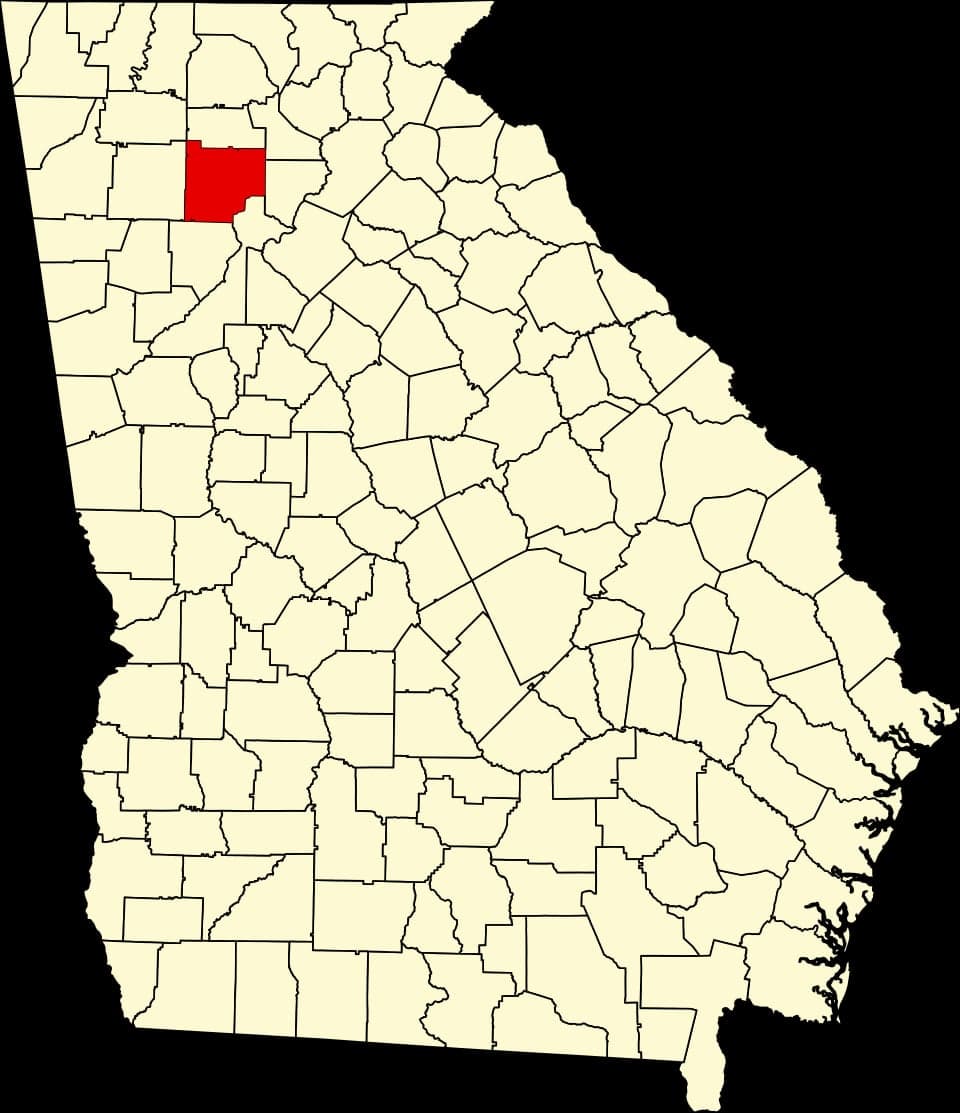
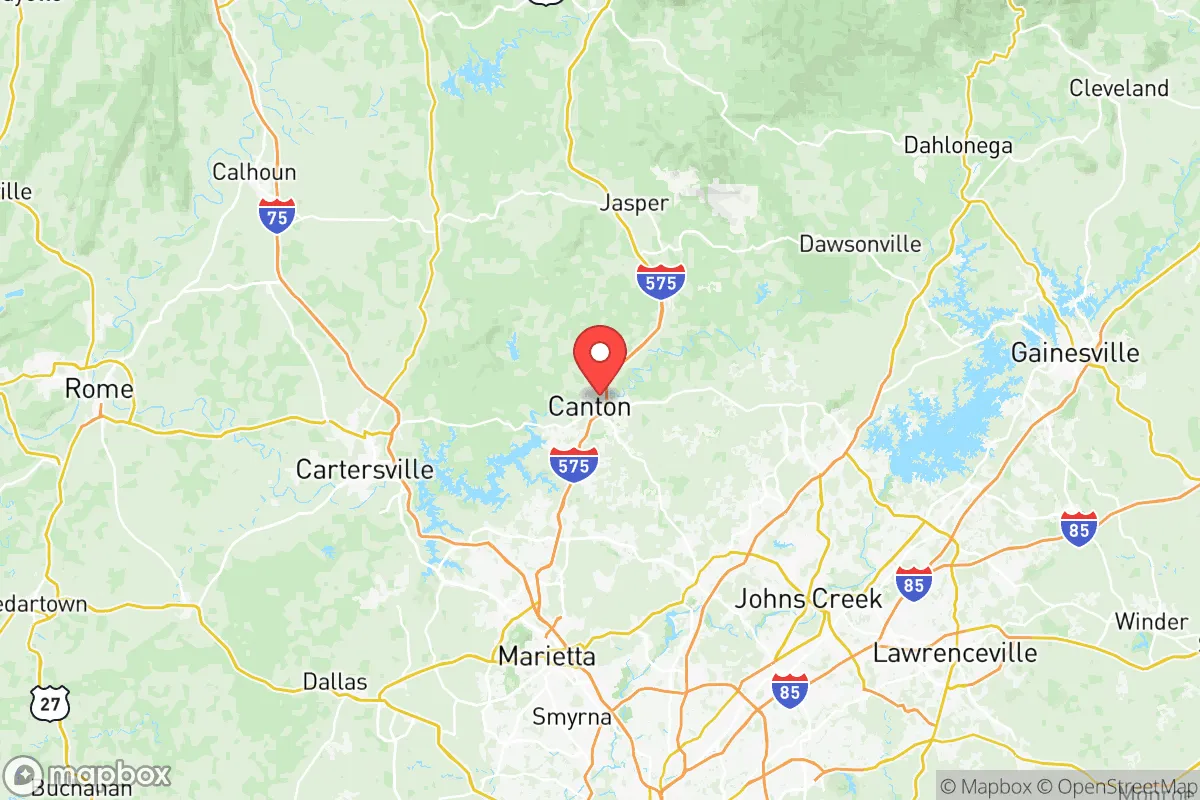
Photo: Wikipedia
Personal Sovereignty in Cherokee County
Viable for self-reliance. Generally workable, though some barriers may limit total independence.
What does Personal Sovereignty tell us?
Personal Sovereignty measures your capacity for self-reliance and independence with minimal government friction. Higher scores mean fewer barriers between you and the way you want to live... but it assumes you have the space you need and good neighbors.
What does this tell us?
Personal Sovereignty measures your capacity for self-reliance and independence with minimal government friction. Higher scores mean fewer barriers between you and the way you want to live... but it assumes you have the space you need and good neighbors.
State Policy
Energy independence: Importer (12% of energy produced in-state)
Personal Liberty
Homesteading

Personal Liberty Analysis
Cherokee County, Georgia, offers a notably high degree of personal sovereignty, blending a strong conservative ethos with a regulatory environment that generally favors individual autonomy over government intervention. Located just north of Atlanta, the county presents a distinct contrast to the more progressive policies of the state capital, with local governance and cultural norms that prioritize self-reliance, property rights, and personal responsibility. For single individuals and families seeking a place where their freedom to make independent choices is respected, Cherokee County stands out as a compelling option within the metro Atlanta region.
Tax burden and regulatory posture: How Cherokee County compares to metro Atlanta
Cherokee County’s tax burden is moderate by Georgia standards, but its regulatory posture is notably light-touch compared to neighboring Fulton and Cobb counties. The county’s property tax millage rate for 2025 is approximately 10.5 mills, which is lower than the metro Atlanta average and significantly less than the 14+ mills found in parts of DeKalb County. There is no county-level income tax, and Georgia’s state income tax is a flat 5.49% as of 2025. Sales tax in Cherokee County is 7%, which includes a 1% Special Purpose Local Option Sales Tax (SPLOST) for infrastructure. The county’s zoning code is generally permissive, with fewer overlay districts and design review boards than in cities like Alpharetta or Roswell. Towns like Woodstock and Canton have more detailed municipal codes, but unincorporated areas—such as those near Waleska and Ball Ground—operate under a lighter regulatory framework. Business licensing is straightforward, and the county does not impose the kind of occupational taxes or business privilege fees seen in some urban jurisdictions. For a relocation reader, the key takeaway is that Cherokee County offers a lower tax and regulatory burden than the core Atlanta suburbs, while still providing access to regional amenities.
Self-defense and gun law specifics: A strong Second Amendment environment
Cherokee County is a strong Second Amendment area, fully aligned with Georgia’s permissive state-level gun laws. Georgia is a constitutional carry state, meaning no permit is required to carry a concealed or open firearm for anyone legally allowed to possess one. The county sheriff’s office, led by Sheriff Frank Reynolds, is known for a pro-Second Amendment stance and issues weapons carry licenses (WCLs) efficiently for those who still want reciprocity with other states. There are no county-level restrictions on magazine capacity, firearm types, or ammunition sales. Cherokee County is also a "Second Amendment Sanctuary" county, having passed a resolution in 2020 affirming its commitment to protecting gun rights against potential federal overreach. Gun ranges are plentiful, with facilities like Cherokee Gun & Pawn in Canton and Adventure Outdoors in Smyrna (just south of the county line) serving the area. The culture is one of responsible firearm ownership, with active local chapters of the Georgia Gun Owners and the NRA. For a family or individual prioritizing self-defense rights, Cherokee County offers a legal environment where those rights are both protected and culturally supported.
Self-reliance and homesteading viability: Lot sizes, zoning, and off-grid feasibility
Homesteading and self-reliance are viable in Cherokee County, particularly in its northern and western reaches. The county’s zoning code allows for agricultural uses on parcels as small as one acre in the Agricultural-Residential (AR) district, which covers much of the rural area. Minimum lot sizes in the AR district are 1 acre, but many properties in areas like Waleska and Tate are 5 to 20 acres, offering ample space for gardens, livestock, and small-scale farming. Chickens, goats, and even horses are common on these properties, with no county-level prohibition on backyard poultry or beekeeping. Off-grid feasibility is moderate: the county does not require connection to municipal water or sewer if a well and septic system are installed, and solar panels are permitted without special permitting beyond standard electrical inspections. However, rainwater collection for potable use is restricted by Georgia state law (requiring a permit and treatment system), and the county enforces building codes that may complicate fully off-grid living. Towns like Ball Ground and Nelson are more accommodating to homesteading than the denser suburbs of Woodstock and Holly Springs, where HOAs and smaller lots limit self-sufficiency. For a family seeking a rural lifestyle with access to Atlanta’s job market, Cherokee County’s northern tier offers a realistic balance of autonomy and convenience.
Personal liberties: Parental rights, medical autonomy, speech, and property
Cherokee County’s culture and governance strongly support personal liberties, particularly in the areas of parental rights, medical autonomy, and free speech. The county’s school board, which oversees the Cherokee County School District, has been proactive in promoting parental involvement, with policies that allow parents to review curriculum materials and opt their children out of specific lessons. In 2023, the board adopted a "Parents’ Bill of Rights" resolution, affirming that parents have the primary role in their children’s education and healthcare decisions. Medical autonomy is respected, with no county-level vaccine mandates or business restrictions related to health orders—a stance that was consistent during the COVID-19 pandemic. Free speech is robust, with public comment periods at county commission meetings and a generally open political environment. Property rights are protected by Georgia’s strict eminent domain laws, and Cherokee County has not engaged in the kind of aggressive land-use planning seen in some metro Atlanta jurisdictions. The county’s lack of a comprehensive noise ordinance in unincorporated areas and its permissive sign regulations further reflect a light-touch approach to personal expression. For a reader who values the ability to make decisions for their family without government overreach, Cherokee County’s legal and cultural framework is aligned with those priorities.
Overall, Cherokee County offers a level of personal sovereignty that is rare in the metro Atlanta area, rivaling more rural counties in North Georgia while still providing proximity to a major city. The combination of low taxes, strong gun rights, viable homesteading options, and a culture that respects parental and medical autonomy creates an environment where individuals and families can exercise significant control over their lives. Compared to areas like Fulton County or DeKalb County, where regulations are denser and political culture is more progressive, Cherokee County stands out as a haven for those prioritizing personal freedom. For a relocation reader with a conservative-leaning perspective, this county represents a practical and principled choice for building a self-reliant life.

* Values derived from national, state, county, city and local statistics and may differ in a specific area. Last updated: 2026-07-27T05:14:28.000Z
Narrative content on this page is AI-generated and may contain mistakes. Verify any details that matter before acting on them.
ReloMaps may earn a commission from affiliate links at no extra cost to you.

