Photo: Wikipedia
Quality of Life in Garden City, GA
A high quality of life with strong walkability, manageable living costs, healthy neighborhood signals, and solid amenity access.
What does Quality of Life tell us?
Quality of Life blends cost of living, nearby amenities, socioeconomic signals, and neighborhood character. City-level scores represent the whole municipality; individual neighborhoods can differ.
What does this tell us?
Quality of Life blends cost of living, nearby amenities, socioeconomic signals, and neighborhood character. City-level scores represent the whole municipality; individual neighborhoods can differ.
Cost of Living
20% below national average
The Real Cost of Living in Garden City, GA for 2026
| Tier | Individual | Family (4) |
|---|---|---|
| Survival | $17k | $31k |
| Comfortable | $31k | $46k |
| Luxury | $69k+ | $107k+ |
| Elite (Top 5%) | $81k+ | $125k+ |
91%
The Area Signal
A metric tracking the socioeconomic signals of the area.
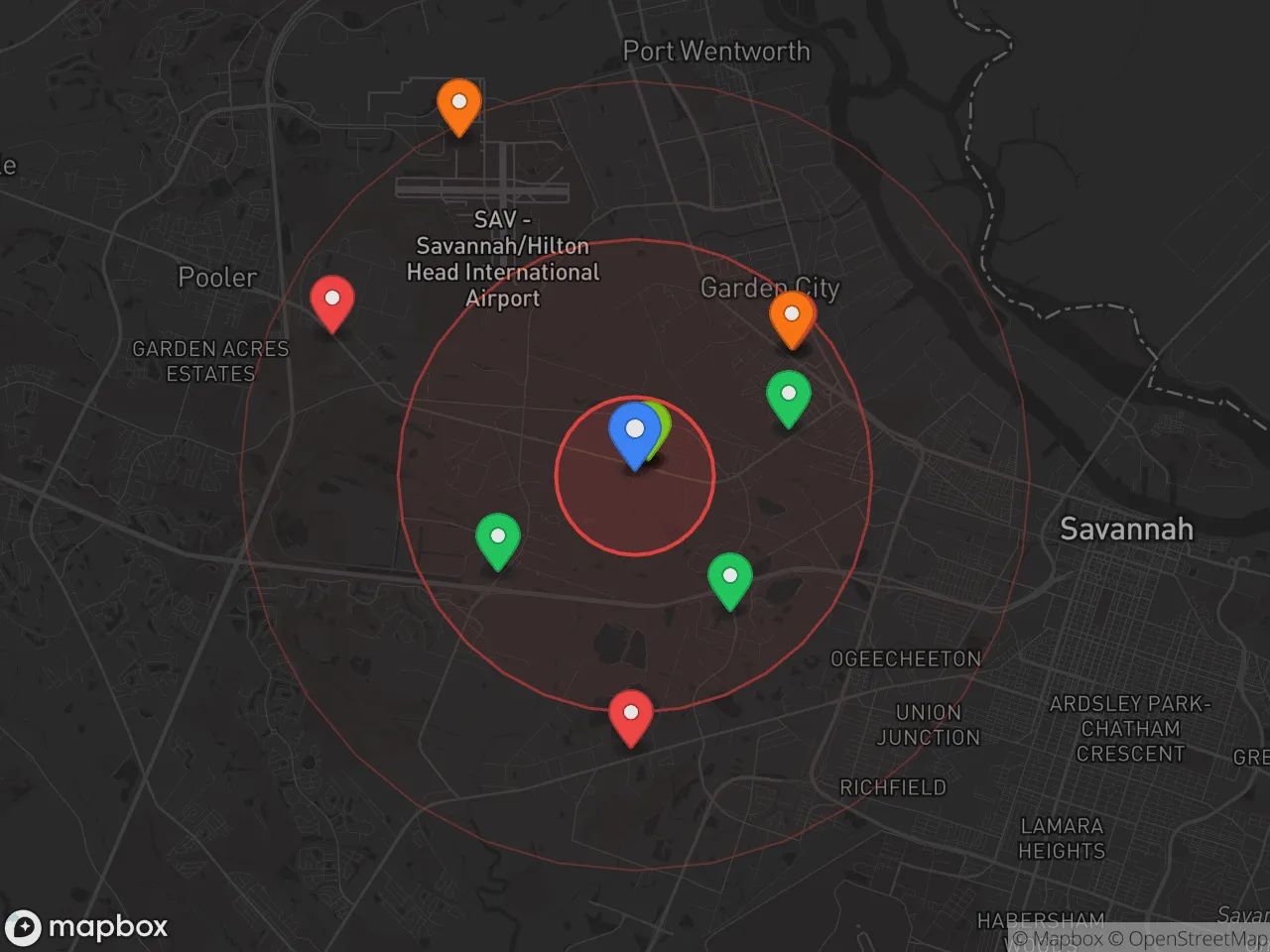
Hobbies
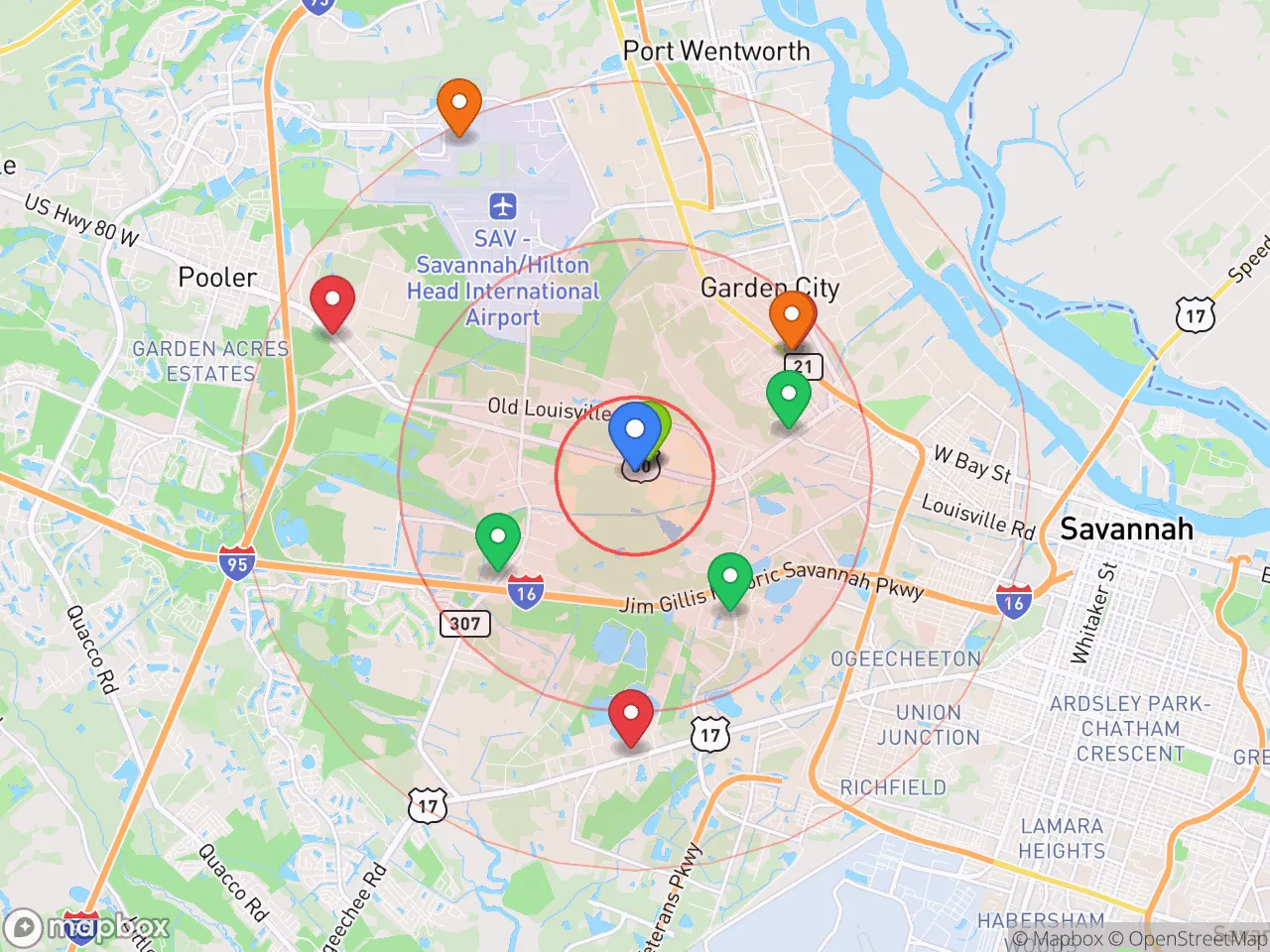
Explore the areaGroceries
8 within 10 miles
Gas
20 within 10 miles
Hospital
8 within 20 miles
Airport
CLT — Charlotte Douglas International
Post Office
USPS — Garden City, GA
Critical Amenities
Quality-of-Life Analysis
Garden City, Georgia, offers a notably affordable quality of life that attracts a mix of young families, long-term residents, and commuters working in nearby Savannah. With a cost of living index of 80 — 20 points below the national average — the city provides a lower financial barrier to homeownership and daily expenses than most of the surrounding region. The population skews toward middle-income households and blue-collar professionals, creating a stable, family-oriented community rather than a transient or luxury-driven one.
Cost of living, housing, and how Garden City compares to Savannah
Housing is the primary driver of Garden City’s affordability. The median home value sits at $160,700, roughly half the national median and significantly below Savannah’s median of around $290,000. Median rent is $1,111, making it one of the more budget-friendly rental markets in Chatham County. For context, a comparable rental in Savannah’s historic district or midtown often runs $1,400–$1,800. The average commute time is 19 minutes, well under the national average of 26 minutes, which means residents can work in Savannah’s port, manufacturing, or service sectors without enduring long drives. Property taxes in Chatham County are moderate, and Georgia’s homestead exemption further reduces the annual tax burden for owner-occupied homes. Utility and grocery costs also track below national averages, reinforcing the area’s appeal for cost-conscious households.
Local amenities, schools, and what daily life feels like
Daily life in Garden City centers on practical convenience rather than urban nightlife. The city is home to several grocery-anchored shopping centers, fast-casual dining, and big-box retailers along Highway 21. For recreation, residents use Garden City Community Park and the nearby Savannah National Wildlife Refuge, which offers hiking and birding within a 15-minute drive. The public schools are part of the Savannah-Chatham County system; Garden City Elementary and Groves High School serve most of the city, with the district offering several magnet and choice programs for families seeking specialized curricula. Healthcare access is solid, with Memorial Health University Medical Center and St. Joseph’s Hospital both within a 10-minute drive. The city lacks a dense downtown core, so most social and cultural activities — restaurants, museums, festivals — require a short trip into Savannah. That trade-off is the defining rhythm of life here: quiet, affordable residential living with big-city amenities a quick commute away.
Garden City is best suited for people who prioritize low housing costs and a short commute over walkability or a vibrant local social scene. First-time homebuyers, port and logistics workers, and families who want more space for their money will find the city a practical base. Retirees on fixed incomes also benefit from the low cost of living and proximity to Savannah’s medical facilities. Those seeking nightlife, high-end dining, or a dense urban environment will likely prefer Savannah proper or the islands. For budget-driven households who value stability and access to a major metro area, Garden City delivers a solid, unpretentious quality of life.

Crime in Garden City, GA
Crime rates similar to the national median for U.S. locations.
Violent CrimeViolent Crime Analysis
Property CrimeProperty Crime Analysis
Crime Analysis
Garden City, Georgia, reports a violent crime rate of 596 incidents per 100,000 residents and a property crime rate of 2,478.7 per 100,000, placing it among the higher-risk communities in the Savannah metropolitan area. These figures indicate that residents face a notably elevated likelihood of experiencing both violent and property offenses compared to national benchmarks. The city’s proximity to Savannah, combined with the broader region’s progressive prosecutorial policies, creates a safety environment that warrants careful consideration for potential movers.
Crime in context
Garden City’s violent crime rate is nearly 60% higher than the national average of roughly 380 per 100,000, while its property crime rate exceeds the U.S. median by about 30%. Within Chatham County, these numbers are comparable to Savannah’s core but significantly worse than suburban communities like Pooler or Richmond Hill. The state of Georgia as a whole reports a violent crime rate around 400 per 100,000, meaning Garden City is roughly 50% above the state average. Property crime in the city is driven heavily by theft and burglary, with motor vehicle theft also a persistent issue given the area’s highway access.
What residents experience
Daily life in Garden City involves a tangible awareness of personal and property security. Many residents report avoiding certain commercial corridors after dark, particularly along Highway 21 and near the Port of Savannah’s industrial zones. The presence of progressive district attorneys in Chatham County has led to policies emphasizing diversion programs and reduced bail for non-violent offenders, which critics argue contributes to recidivism and a revolving-door justice system. This approach, while intended to reduce incarceration, has been linked to higher rates of repeat property crime and a perception that offenders face minimal consequences. For families and retirees, this translates into a need for robust home security systems, neighborhood watch participation, and vigilance when parking vehicles or leaving packages unattended.
Neighborhood-level variation
Safety in Garden City is not uniform. The western residential areas near the Chatham County line, such as the neighborhoods around Benton Boulevard and Pine Barren Road, tend to see fewer violent incidents but still grapple with property crime. In contrast, the eastern sections closer to the Savannah River and the port terminals experience higher concentrations of theft and drug-related offenses. Gated communities and newer subdivisions on the city’s southern edge report lower crime rates, though they remain within the broader high-crime statistical area. Prospective residents should examine block-level crime maps and consult with local police precincts, as the difference between a quiet street and a high-risk block can be stark within a single zip code.
* Values derived from national, state, county, city and local statistics and may differ in a specific area. Last updated: 2026-08-08T13:25:41.000Z
Narrative content on this page is AI-generated and may contain mistakes. Verify any details that matter before acting on them.
ReloMaps may earn a commission from affiliate links at no extra cost to you.

