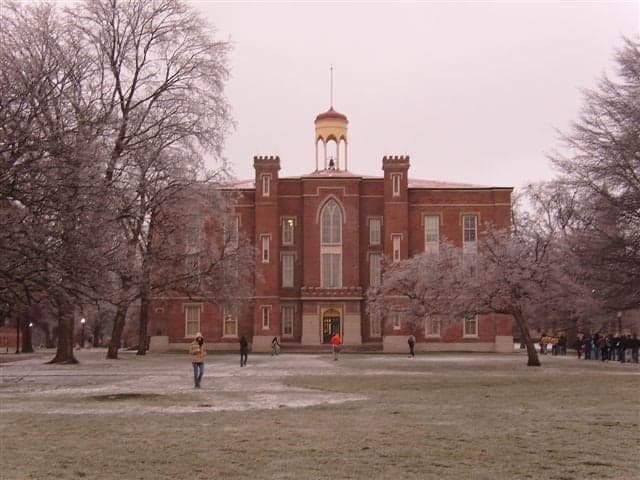
Photo: Wikipedia
Quality of Life in Galesburg, IL
A high quality of life with strong walkability, manageable living costs, healthy neighborhood signals, and solid amenity access.
What does Quality of Life tell us?
Quality of Life blends cost of living, nearby amenities, socioeconomic signals, and neighborhood character. City-level scores represent the whole municipality; individual neighborhoods can differ.
What does this tell us?
Quality of Life blends cost of living, nearby amenities, socioeconomic signals, and neighborhood character. City-level scores represent the whole municipality; individual neighborhoods can differ.
Cost of Living
50% below national average
The Real Cost of Living in Galesburg, IL for 2026
| Tier | Individual | Family (4) |
|---|---|---|
| Survival | $11k | $22k |
| Comfortable | $19k | $29k |
| Luxury | $77k+ | $120k+ |
| Elite (Top 5%) | $91k+ | $141k+ |
158%
The Area Signal
A metric tracking the socioeconomic signals of the area.
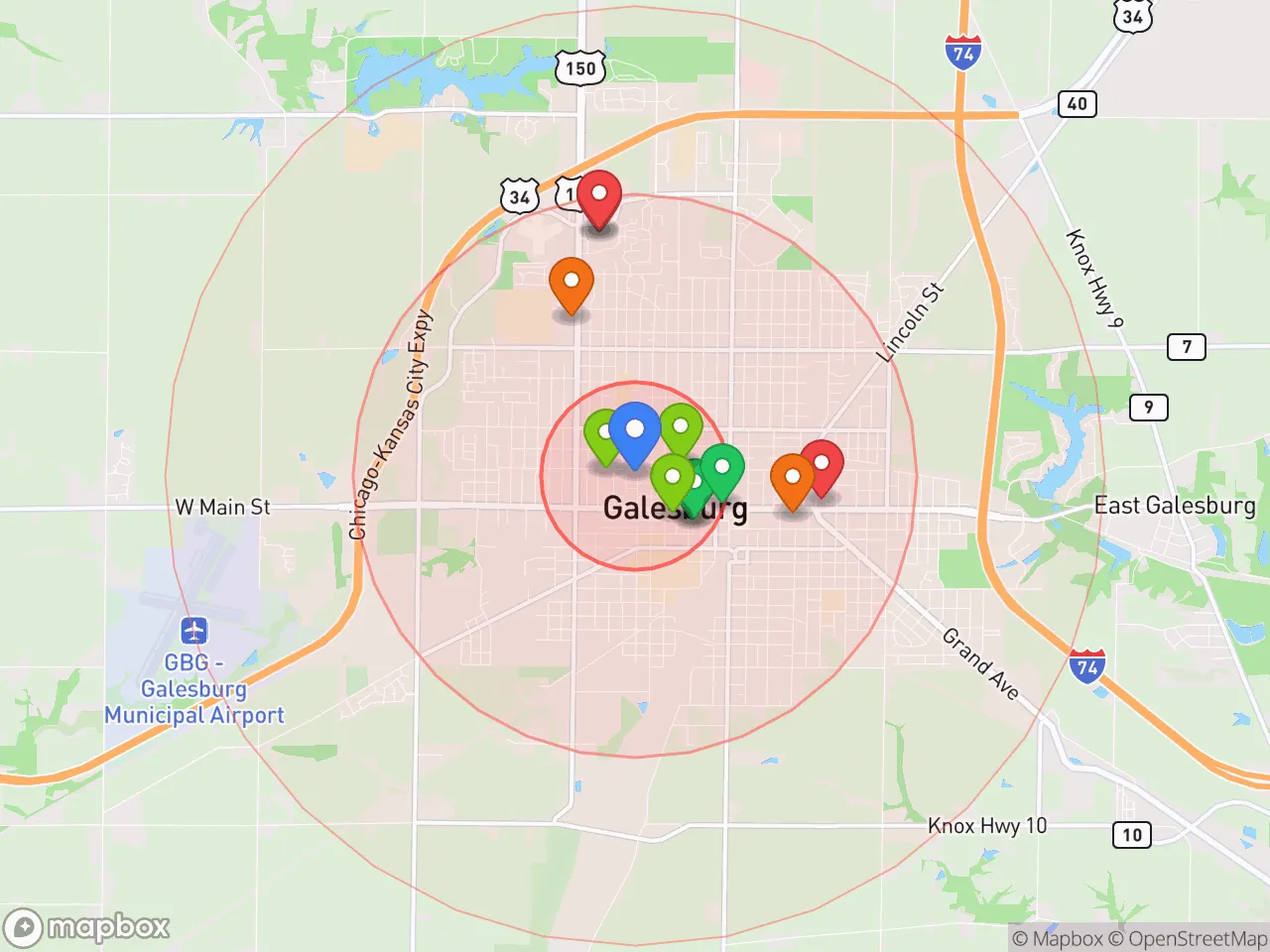
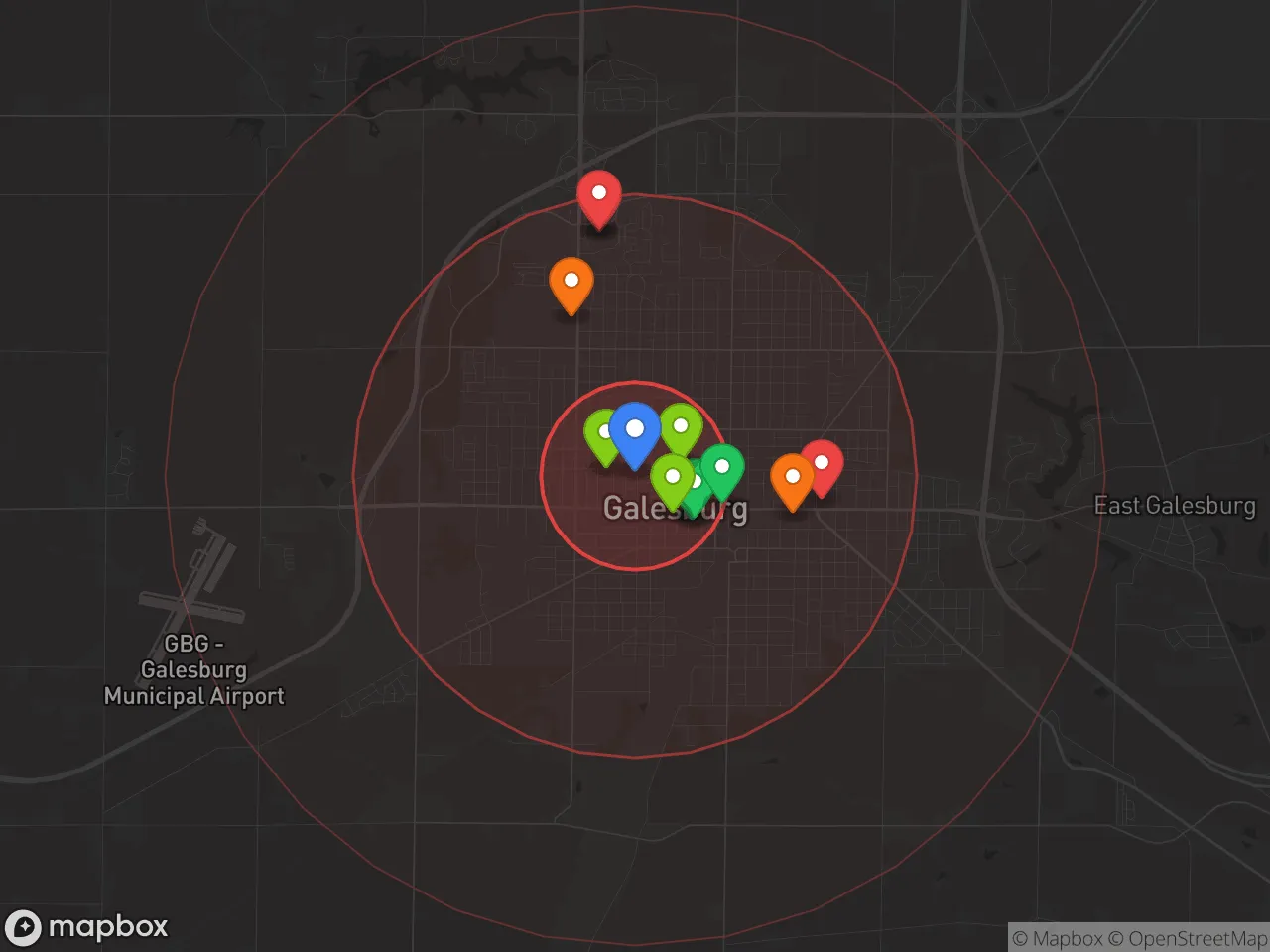
Hobbies
Explore the areaGroceries
0 within 10 miles
Gas
0 within 10 miles
Hospital
0 within 20 miles
Airport
ORD — O'Hare International
Post Office
Critical Amenities
Quality-of-Life Analysis
Galesburg, Illinois, is a low-cost, modest-income community where the cost of living sits at just 50 on the index (100 = U.S. average), making it one of the most affordable small cities in the Midwest. The population skews older and more working-class than the national average, with a significant share of residents employed in manufacturing, healthcare, and education. Median household income trails the state figure, and the area has experienced decades of population decline, which has kept housing prices depressed but also limited economic dynamism. This is a place where a dollar stretches far, but where job growth and new investment have been slow to arrive.
How housing costs and everyday expenses compare to nearby cities
Housing in Galesburg is dramatically cheaper than in most of Illinois. The median home value is just $89,800, and the median rent is $719 per month — figures that are roughly half of what you would find in Peoria (about 45 miles east) and less than a third of the Chicago metro area. The overall cost of living index of 50 means that groceries, utilities, and transportation are all well below the national average. For comparison, nearby Macomb (home to Western Illinois University) has a similar cost profile, while the Quad Cities metro area (Moline, Rock Island) runs about 20% higher. The trade-off is clear: you can buy a three-bedroom house here for under $100,000, but the local economy offers fewer high-wage jobs, and property values have been flat or declining over the past decade. Property taxes in Knox County are moderate by Illinois standards — around 2.1% of assessed value — but still represent a meaningful cost on a low-priced home.
What daily life is like for families and retirees in Galesburg
Daily life in Galesburg revolves around a compact, walkable downtown and a handful of anchor institutions. The average commute is just 16 minutes, which is among the shortest in the state and a major quality-of-life advantage for residents who work locally. The Galesburg School District (District 205) serves about 3,200 students, with Galesburg High School offering a range of vocational and Advanced Placement courses, though test scores consistently trail state averages. For higher education, Carl Sandburg College provides affordable associate degrees and workforce training. Healthcare is centered on OSF St. Mary Medical Center and Cottage Hospital, both of which offer emergency and specialty care. Amenities include the Galesburg Public Library, Lake Storey Park (with a beach and disc golf), and the Discovery Depot Children’s Museum. The Amtrak station connects residents to Chicago (2.5 hours) and the Quad Cities, though car ownership remains essential for most errands. Dining and retail options are limited compared to larger metros, but the city has a handful of independent restaurants and a weekly farmers market from June through October.
Galesburg is best suited for retirees on fixed incomes, remote workers who can earn a national salary while paying local prices, and tradespeople or factory workers employed at area manufacturers like Bridgestone/Firestone or Meyer Steel. Families seeking strong public schools or rapid career growth will likely find the options too narrow. For those who prioritize affordability, a short commute, and a slower pace of life over economic opportunity, Galesburg offers a stable, low-stress environment where a modest income goes a long way.

Crime in Galesburg, IL
Higher crime rates than 66% of comparable U.S. locations.
Violent CrimeViolent Crime Analysis
Property CrimeProperty Crime Analysis
Crime Analysis
Galesburg, Illinois, faces a significant public safety challenge, with crime rates that substantially exceed both state and national averages. The city recorded a violent crime rate of 456.6 incidents per 100,000 residents and a property crime rate of 3,052 per 100,000, placing it among the higher-risk communities in western Illinois. These figures reflect a community where residents must remain vigilant, particularly given the broader context of Knox County's criminal justice system.
Crime in context
Galesburg's violent crime rate is roughly 30% higher than the Illinois state average and more than double the national median for cities of comparable size. Property crime is similarly elevated, with the 3,052 per 100,000 rate exceeding both state and national benchmarks by a wide margin. These statistics place Galesburg in a concerning tier alongside other downstate Illinois communities that have struggled with economic disinvestment and population loss. The city's location along Interstate 74, a major regional corridor, contributes to transient criminal activity, including drug trafficking and vehicle theft. Knox County's judicial environment, shaped by progressive prosecutorial policies common in many Illinois jurisdictions, has drawn criticism for prioritizing diversion programs and reduced sentencing over public safety outcomes. Critics argue that such an approach, while well-intentioned, results in repeat offenders cycling through the system without meaningful accountability, directly undermining deterrence and victim justice.
What residents experience
For those living in Galesburg, property crime is the most tangible daily concern. Burglaries, thefts from vehicles, and vandalism are reported frequently, particularly in neighborhoods near the downtown core and along the Main Street corridor. Violent incidents, while less common, are concentrated in specific areas and often involve disputes among individuals known to one another. Residents report that police response times can be slow due to staffing limitations within the Galesburg Police Department, which has operated below authorized strength in recent years. The city's proximity to larger metro areas like Peoria and the Quad Cities means that some criminal networks operate across jurisdictional lines, complicating enforcement efforts. Community watch programs exist in several neighborhoods, but participation varies, and many residents express frustration with what they perceive as a lenient local justice system that fails to hold offenders accountable.
Neighborhood-level variation
Safety conditions in Galesburg are not uniform. West-central neighborhoods, particularly around the Knox College campus, tend to report lower crime rates due to higher property values and active community policing. In contrast, areas east of Henderson Street and south of the BNSF railway tracks experience elevated rates of both violent and property crime. The Hawthorne Centre and Lincoln Park neighborhoods have seen targeted police interventions in response to drug-related activity. Prospective residents should research block-level crime maps and consider visiting at different times of day to assess conditions firsthand, as the city's overall statistics mask significant variation between quiet residential streets and higher-risk corridors.
* Values derived from national, state, county, city and local statistics and may differ in a specific area. Last updated: 2026-11-21T09:01:41.000Z
Narrative content on this page is AI-generated and may contain mistakes. Verify any details that matter before acting on them.
ReloMaps may earn a commission from affiliate links at no extra cost to you.

