
Photo: Wikipedia
Personal Sovereignty in Galesburg, IL
Viable for self-reliance. Generally workable, though some barriers may limit total independence.
What does Personal Sovereignty tell us?
Personal Sovereignty measures your capacity for self-reliance and independence with minimal government friction. Higher scores mean fewer barriers between you and the way you want to live... but it assumes you have the space you need and good neighbors.
What does this tell us?
Personal Sovereignty measures your capacity for self-reliance and independence with minimal government friction. Higher scores mean fewer barriers between you and the way you want to live... but it assumes you have the space you need and good neighbors.
State Policy
Energy independence: Importer (63% of energy produced in-state)
Personal Liberty
Homesteading

Personal Liberty Analysis
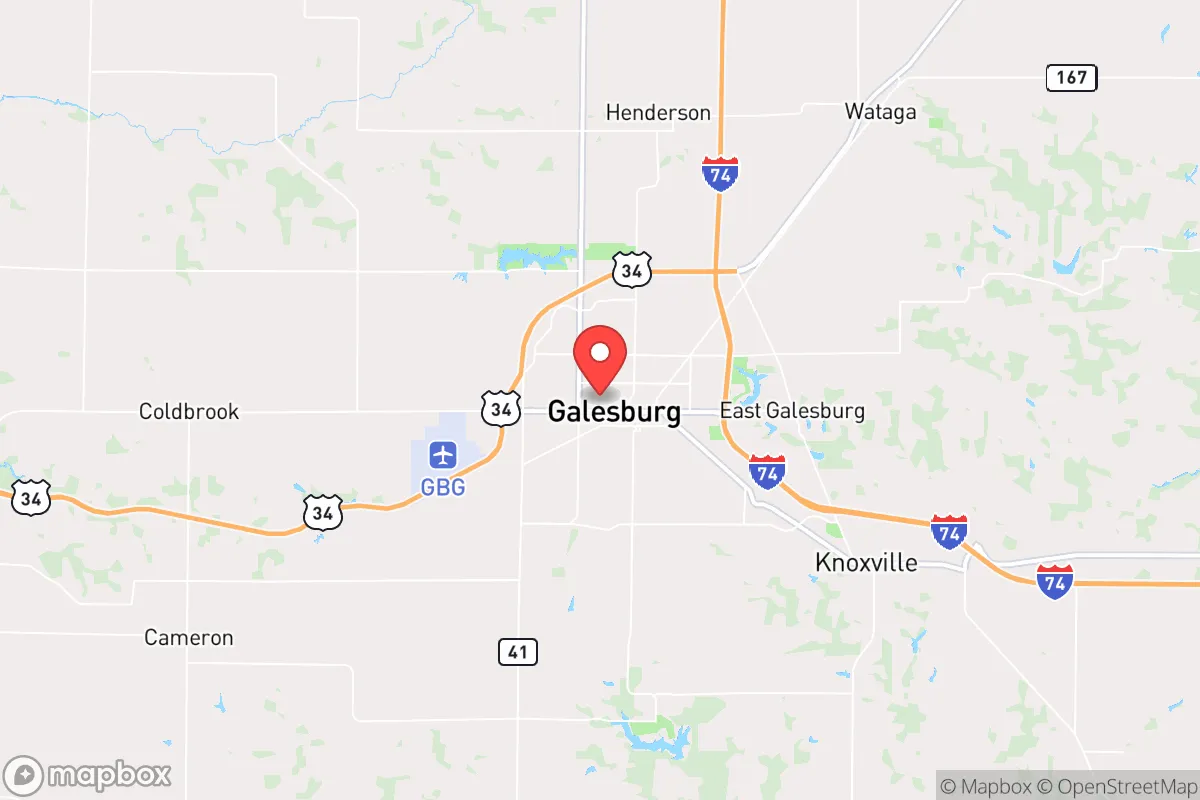
Galesburg, Illinois, offers a mixed personal sovereignty environment shaped by the state's progressive regulatory framework and the city's own economic realities. While Illinois imposes significant state-level constraints on taxation, self-defense, and medical autonomy, Galesburg's lower cost of living and relatively hands-off local governance provide some breathing room for individuals and families seeking independence. The city's shrinking population and industrial decline have created a landscape where property is affordable, but the regulatory overhead of living in Illinois remains a constant factor to weigh against the benefits of lower housing costs and a quieter lifestyle.
Tax burden and regulatory posture in Galesburg and Illinois
Illinois carries a heavy tax burden that directly impacts personal sovereignty. The state's flat income tax rate of 4.95% is moderate, but combined with high property taxes—among the highest in the nation—it significantly reduces disposable income for homeowners. Knox County, where Galesburg sits, has an average effective property tax rate of roughly 2.1% of assessed value, meaning a $100,000 home incurs about $2,100 annually in property taxes. This is a substantial fixed cost that limits financial autonomy, especially for retirees or those on fixed incomes. Sales tax in Galesburg is 8.25%, which includes state, county, and city portions, adding to the everyday cost of living. On the regulatory side, Illinois is known for extensive licensing requirements and environmental regulations. For example, starting a home-based business often requires local permits and state-level registration, and agricultural or light industrial activities face stricter oversight than in neighboring states like Iowa or Missouri. However, Galesburg's local government is generally less interventionist than Chicago or Cook County; zoning enforcement is less aggressive, and the city has a reputation for being accommodating to small-scale entrepreneurs, particularly in the downtown revitalization area. The overall regulatory posture is moderate-to-heavy, with the state driving most of the burden while the city offers some local flexibility.
Self-defense and gun law specifics in Galesburg
Illinois has some of the most restrictive gun laws in the Midwest, which directly affects personal sovereignty for those prioritizing self-defense. The state requires a Firearm Owner's Identification (FOID) card to possess any firearm or ammunition, a process that involves a background check and a waiting period. For concealed carry, a separate license is needed, requiring 16 hours of training and a fee. Illinois is a "may-issue" state for concealed carry, but in practice, permits are issued to qualified applicants who meet the training and background requirements. However, the state banned the sale of many semi-automatic firearms and high-capacity magazines under the Protect Illinois Communities Act (effective January 2023), which is currently facing legal challenges. This means Galesburg residents cannot legally purchase new AR-15s or similar rifles, though existing ones may be grandfathered with registration. Open carry is prohibited. For home defense, a handgun or shotgun remains legal, but the regulatory hurdles are higher than in most of the country. Castle doctrine applies in Illinois, meaning there is no duty to retreat in one's home, but the state does not have a "stand your ground" law outside the home. Galesburg's local law enforcement is generally supportive of legal gun ownership, but the state-level restrictions are a significant constraint for those who view firearms as a core component of personal sovereignty. Knife laws are less restrictive, with most folding knives and fixed blades under 3 inches legal to carry.
Self-reliance and homesteading viability in Galesburg
Galesburg offers strong potential for self-reliance and homesteading, primarily due to affordable land and relatively lax local zoning. The city's population decline has left many vacant lots and older homes with large yards, often available for under $50,000. Zoning in most residential areas allows for vegetable gardens, small livestock like chickens (hens only, typically up to 6-8 birds), and beekeeping with a permit. Larger animals like goats or pigs are generally restricted to agricultural zones, which are available on the outskirts of town or in unincorporated Knox County. Off-grid feasibility is limited by state building codes and utility requirements. Illinois requires homes to be connected to the electrical grid if they have a mortgage or are sold, and rainwater collection for potable use is restricted by state health codes. However, solar panels are permitted and net metering is available, though the upfront cost is high. Composting toilets and graywater systems are allowed with proper permits, but the process is bureaucratic. For those willing to live outside city limits, Knox County's rural areas offer more freedom: no building permits for agricultural structures, fewer restrictions on livestock, and the ability to drill a private well. The soil in the region is fertile, typical of the Illinois prairie, making gardening productive. The biggest barrier to full self-reliance is the property tax burden, which makes owning large acreage expensive over time. A 5-acre parcel with a modest home might carry $3,000-$5,000 annually in property taxes, a recurring cost that undermines the goal of financial independence.
Personal liberties in Galesburg: parental rights, medical autonomy, speech, and property
Illinois generally leans progressive on social issues, which affects personal liberties in specific ways. Parental rights are relatively strong in terms of school choice—Galesburg has several private and parochial schools, and homeschooling is legal with minimal state oversight (parents must file a notice of intent and provide instruction in core subjects, but no standardized testing is required). However, Illinois mandates comprehensive sex education in public schools, and parents cannot opt out of all content; this is a point of friction for some conservative families. Medical autonomy is limited: Illinois has strict vaccine mandates for school attendance (including COVID-19 for healthcare workers, though not for the general public), and the state has a robust public health infrastructure that can impose restrictions during emergencies. Telemedicine and direct primary care are available but regulated, and alternative medicine practitioners face licensing hurdles. Free speech is protected under the First Amendment, and Galesburg has a history of civic activism; public protests are common and generally tolerated. Property rights are constrained by the state's strong eminent domain powers and environmental regulations. For example, clearing trees or altering wetlands on your property may require state permits. Zoning variances are possible but require public hearings and can be time-consuming. Overall, personal liberties in Galesburg are a mixed bag: the state imposes significant restrictions on medical and educational autonomy, while local governance is more permissive on property use and speech.
Compared to other areas in the Midwest, Galesburg offers a moderate level of personal sovereignty that is heavily influenced by Illinois state law. The tax burden and gun restrictions are the most significant drawbacks for a conservative-leaning individual or family. However, the low cost of land, relatively lenient local zoning, and strong community networks for homeschooling and homesteading provide meaningful opportunities for self-reliance. For those willing to navigate Illinois' regulatory landscape, Galesburg can be a viable location for a life centered on personal freedom, particularly if the focus is on affordable property and a slower pace of life rather than maximal legal autonomy. Neighboring states like Iowa or Missouri offer lower taxes and fewer gun restrictions, but also higher land prices in desirable areas. Galesburg's trade-off is clear: accept higher state-level overhead in exchange for a lower entry cost and a community that, while not libertarian, is generally tolerant of individual choices within the bounds of state law.

* Values derived from national, state, county, city and local statistics and may differ in a specific area. Last updated: 2026-11-21T09:01:41.000Z
Narrative content on this page is AI-generated and may contain mistakes. Verify any details that matter before acting on them.
ReloMaps may earn a commission from affiliate links at no extra cost to you.

