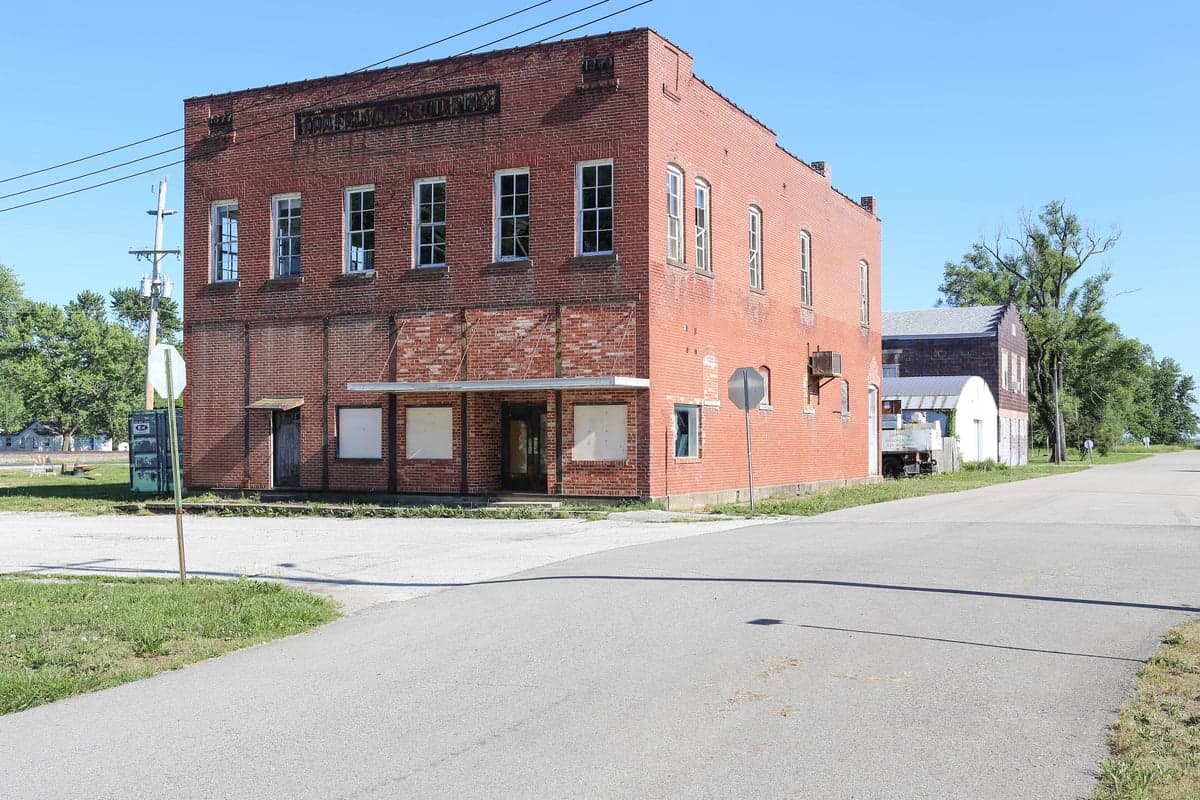
Photo: Wikipedia
Quality of Life in Foley, MO
Above-average quality of iife. The area offers a reasonable cost of living, decent mobility, and a mix of neighborhood amenities.
What does Quality of Life tell us?
Quality of Life blends cost of living, nearby amenities, socioeconomic signals, and neighborhood character. City-level scores represent the whole municipality; individual neighborhoods can differ.
What does this tell us?
Quality of Life blends cost of living, nearby amenities, socioeconomic signals, and neighborhood character. City-level scores represent the whole municipality; individual neighborhoods can differ.
Cost of Living
40% below national average
The Real Cost of Living in Foley, MO for 2026
| Tier | Individual | Family (4) |
|---|---|---|
| Survival | $16k | $30k |
| Comfortable | $28k | $42k |
| Luxury | $116k+ | $179k+ |
| Elite (Top 5%) | $152k+ | $235k+ |
154%
* median rent and top-5% income substituted from state-level data — local Census figures unavailable for small populations
The Area Signal
A metric tracking the socioeconomic signals of the area.
Hobbies
Explore the areaGroceries
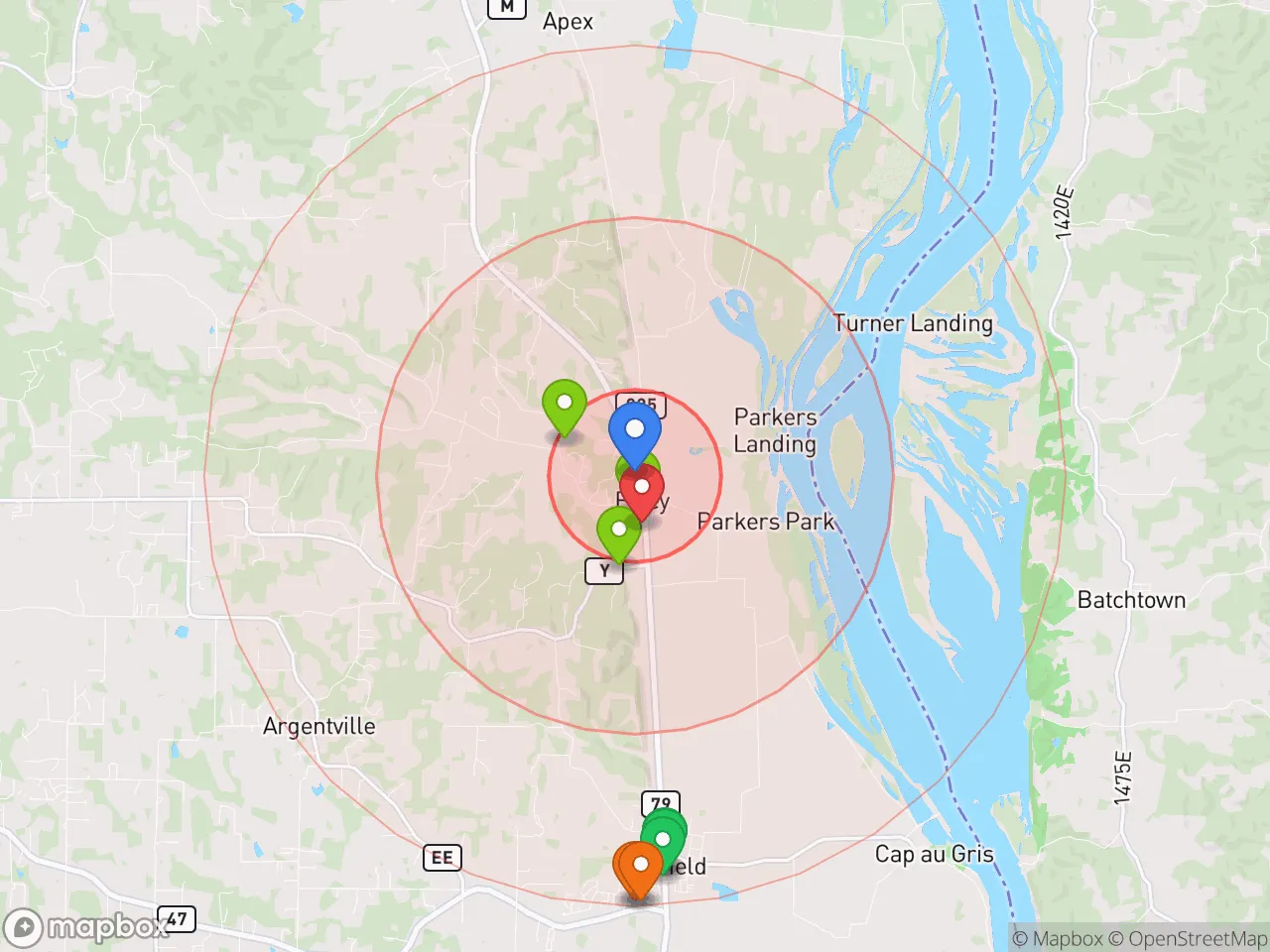
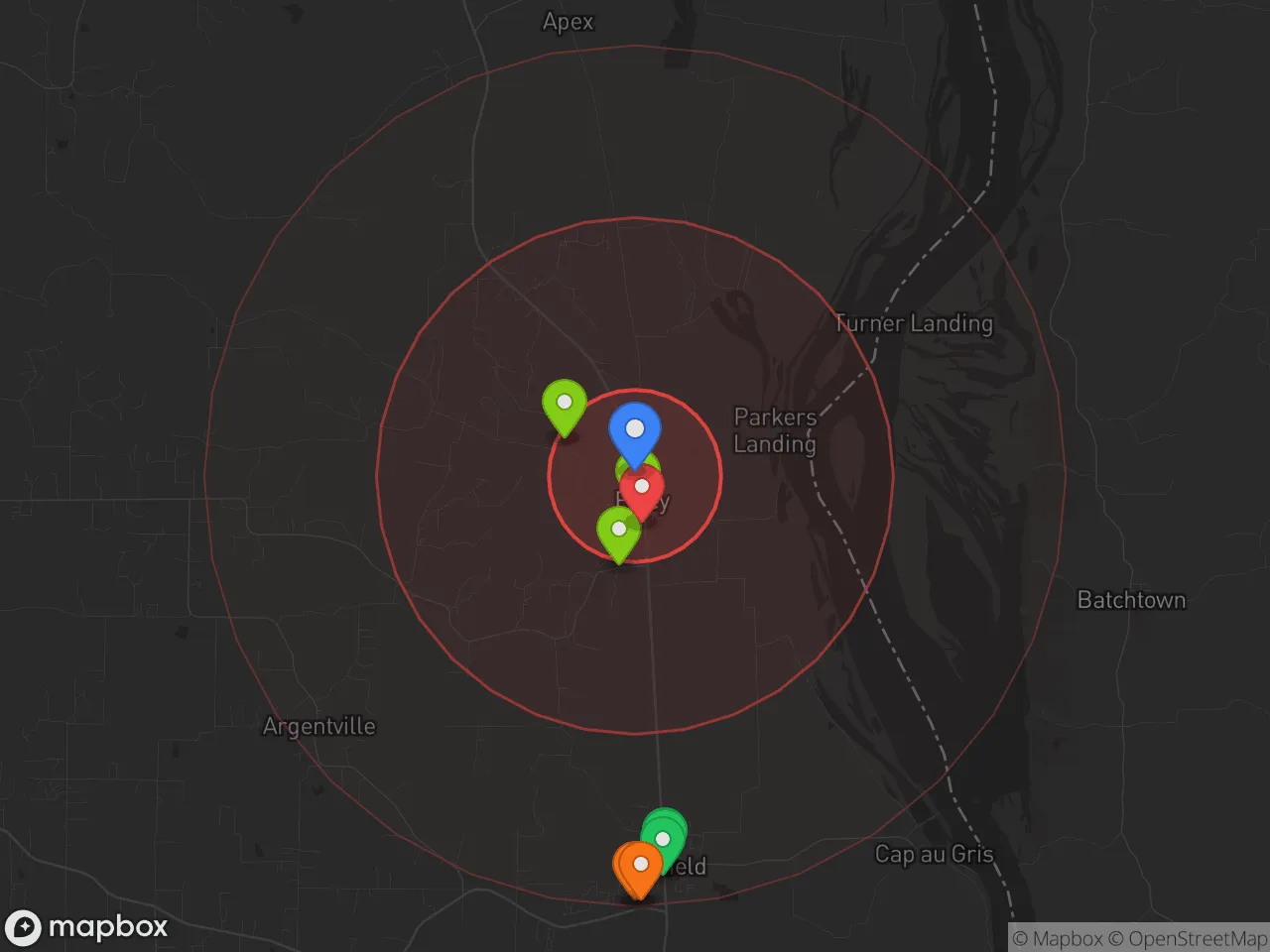
0 within 10 miles
Gas
5 within 10 miles
Hospital
6 within 20 miles
Airport
MCI — Kansas City International
Post Office
USPS — Foley, MO
Critical Amenities
Quality-of-Life Analysis
Foley, Missouri, is a small, quiet Lincoln County community where the cost of living is dramatically below national averages, attracting residents who prioritize space, affordability, and a slower pace over urban amenities. With a cost-of-living index of just 60 (40% below the U.S. average) and a median home value of only $64,000, Foley stands out as one of the most budget-friendly places in the St. Louis metro orbit. The area draws a mix of longtime rural families, young first-time homebuyers priced out of St. Charles County, and retirees seeking to stretch fixed incomes.
Cost of living, housing affordability, and how Foley compares to nearby towns
Foley’s housing market is its strongest draw. The median home value of $64,000 is roughly one-fifth the St. Louis metro median, making homeownership accessible even for households earning near minimum wage. Median rent sits at $996, which is below the national average but notably higher than the median mortgage payment in Foley—a sign that renting is less economical here than buying. The overall cost-of-living index of 60 reflects low costs across all categories, especially housing and transportation. Compared to nearby Troy (about 10 miles south) or Wentzville (20 miles southeast), Foley offers similar rural character but with significantly lower home prices—often 30–50% less than those towns. The trade-off is a longer average commute of 23.6 minutes, which is slightly above the national average, as most residents drive to jobs in Troy, Wentzville, or St. Charles County. Groceries, utilities, and healthcare also run well below national averages, reinforcing Foley’s appeal for budget-conscious households.
Local amenities, schools, and the daily rhythm of life in Foley
Daily life in Foley revolves around a handful of local businesses, churches, and outdoor spaces. The town itself has no major grocery store or hospital—residents drive to Troy for shopping at Walmart and for medical care at Lincoln County Medical Center. Foley’s schools are part of the Lincoln County R-III School District, which serves the broader Foley area and includes Foley Elementary School; high school students attend Troy Buchanan High School, which has a solid academic reputation and strong FFA and agricultural programs. The daily rhythm is defined by quiet streets, low traffic, and easy access to the Cuivre River State Park (about 15 minutes north), which offers hiking, fishing, and camping. There are no major entertainment venues or nightlife options; social life centers on community events at the Foley Community Center, church potlucks, and youth sports leagues in Troy. For families, the lack of traffic and crime is a major draw, while the limited retail and dining options mean most errands require a 15–20 minute drive.
Foley is best suited for people who value affordability and tranquility over convenience and variety. First-time homebuyers, remote workers with stable internet (fiber is available in parts of town), and retirees on fixed incomes will find the low housing costs and quiet environment ideal. Those who need walkable amenities, frequent dining out, or a short commute to downtown St. Louis (about 60 minutes east) will likely find Foley too remote. For anyone willing to trade urban polish for a mortgage under $500 a month and a backyard big enough for a garden, Foley delivers a quality of life that is both financially sustainable and genuinely peaceful.

Crime in Foley, MO
Higher crime rates than 58% of comparable U.S. locations.
Violent CrimeViolent Crime Analysis
Property CrimeProperty Crime Analysis
Crime Analysis
Foley, Missouri, presents a mixed safety profile that warrants careful consideration for potential residents. The city's violent crime rate of 420.1 per 100,000 residents and property crime rate of 1,667.9 per 100,000 place it above national averages, a situation that is particularly concerning given its proximity to the St. Louis metropolitan area. The broader region's progressive judicial policies, which often prioritize offender rehabilitation over public safety, contribute to a higher likelihood of repeat offenders remaining on the streets, directly impacting community security.
Crime in context
Foley's violent crime rate of 420.1 per 100,000 is roughly 20% higher than the national average of approximately 350 per 100,000, while its property crime rate of 1,667.9 per 100,000 exceeds the national figure of about 1,950 per 100,000 by a narrower margin. Compared to the state of Missouri, which has a violent crime rate of roughly 540 per 100,000, Foley fares slightly better, but this comparison is misleading. The city's location within Lincoln County, which is part of the St. Louis metro area, means it is subject to the same systemic issues affecting the region. Progressive district attorneys and judges in the St. Louis area have been criticized for policies that reduce incarceration rates and shorten sentences, leading to a revolving-door justice system that fails to deter crime and leaves victims without adequate recourse.
What residents experience
For those living in Foley, the most tangible impact of these crime rates is a heightened sense of vulnerability, particularly regarding property crimes like burglary and vehicle theft. The property crime rate of 1,667.9 per 100,000 translates to roughly 1 in 60 residents experiencing a property crime annually, a figure that can feel higher in smaller communities where everyone knows someone affected. Violent incidents, while less frequent, are a serious concern; the rate of 420.1 per 100,000 means about 1 in 238 residents is a victim each year. The underlying issue is that progressive judicial philosophies in the region often result in lenient sentencing for repeat offenders, meaning individuals arrested for these crimes are more likely to be back on the streets quickly, perpetuating a cycle of victimization that erodes trust in the justice system.
Neighborhood-level variation in Foley is limited due to the city's small size, but some areas near the town center and along major roads like Highway 79 may experience slightly higher incident rates due to easier access for offenders. Conversely, newer subdivisions on the outskirts tend to have lower reported crime, though this can create a false sense of security. Residents should be aware that the entire region's justice system is influenced by progressive policies that prioritize the rights of offenders over public safety, making proactive measures like neighborhood watch programs and home security systems a practical necessity rather than an optional precaution.
* Values derived from national, state, county, city and local statistics and may differ in a specific area. Last updated: 2026-11-05T20:25:09.000Z
Narrative content on this page is AI-generated and may contain mistakes. Verify any details that matter before acting on them.
ReloMaps may earn a commission from affiliate links at no extra cost to you.

