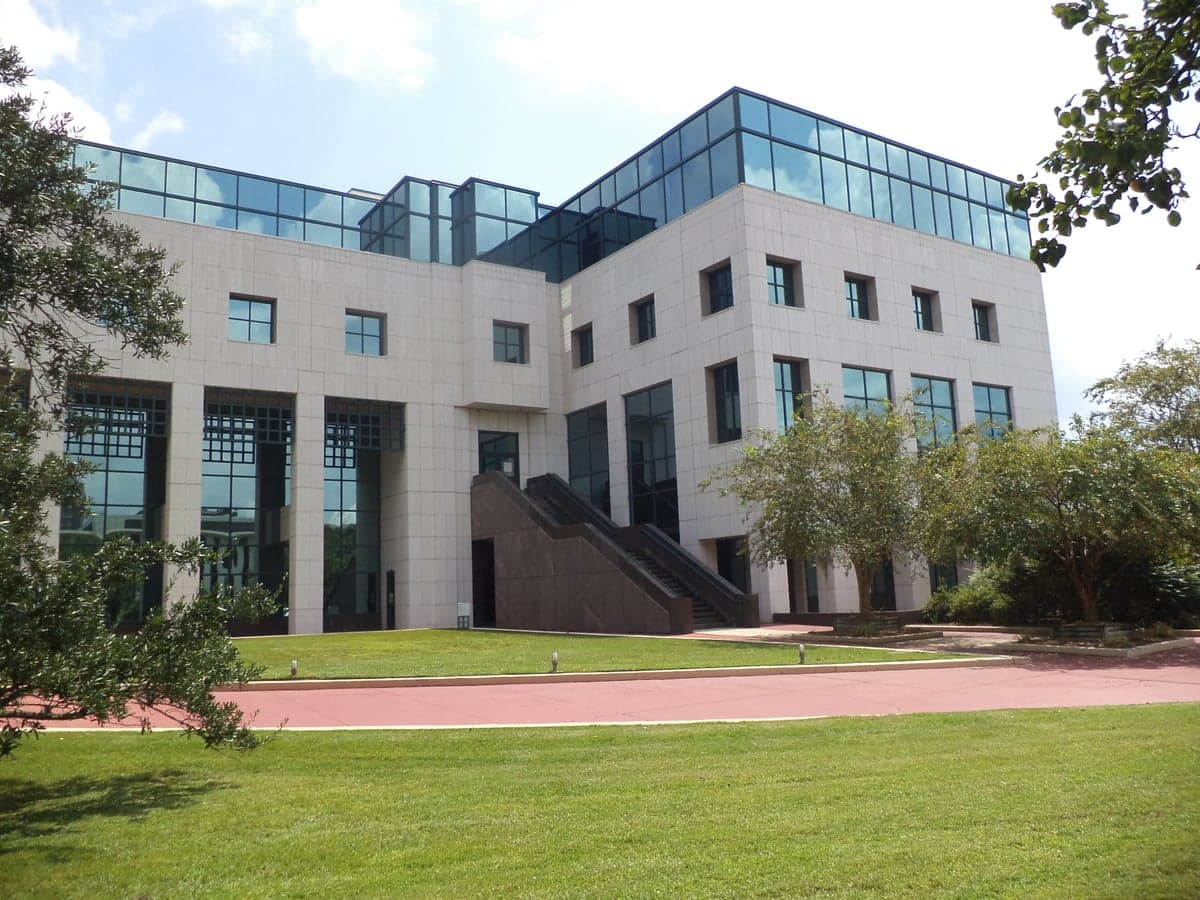
Photo: Wikipedia
Strategic Assessment of Leon County
Meaningful friction. Expect exposure to either population pressure, blast zones, or natural disaster risk. Consider buying a retreat property.
What does the Strategic Assessment tell us?
Our Strategic Assessment grades tactical survivability of an area. Major population centers, military targets, fallout zones, natural disasters, and border exposure all drive risk — lower exposure means a more defensible position in a crisis.
This is heavily inspired by Joel Skousen's Strategic Relocation book. Highly recommended you checkout the book ($)What does this tell us?
Our Strategic Assessment grades tactical survivability of an area. Major population centers, military targets, fallout zones, natural disasters, and border exposure all drive risk — lower exposure means a more defensible position in a crisis.
This is heavily inspired by Joel Skousen's Strategic Relocation book. Highly recommended you checkout the book ($)Strategic Pillars

Key Distances
Strategic Assessment Analysis
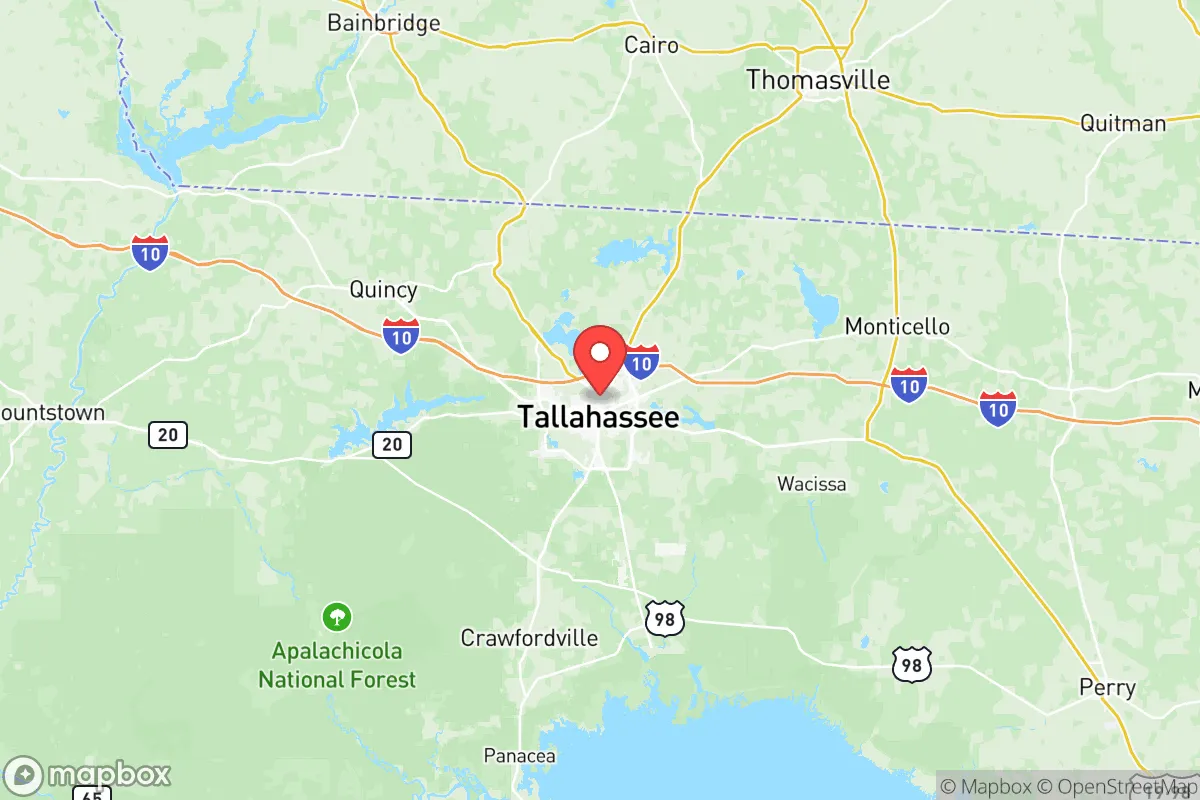
Leon County, Florida, offers a strategic balance of geographic insulation and practical self-sufficiency that appeals to relocation-minded individuals and families with a conservative, preparedness-oriented outlook. The county’s resilience profile is anchored by its position in the Florida Panhandle, roughly 200 miles from the major hurricane landfall zones of the Gulf Coast and over 150 miles from the dense urban corridors of Jacksonville and Tampa. This distance from primary target zones—combined with a low population density outside Tallahassee—makes Leon County a viable option for those prioritizing disaster readiness, supply chain independence, and a lower-risk environment relative to coastal or metropolitan areas.
Geographic position and natural advantages for disaster readiness
Leon County sits inland, approximately 25 miles from the Gulf of Mexico, which reduces its exposure to storm surge and the most severe hurricane winds. The county’s terrain is rolling hills and mixed hardwood forests, a landscape that provides natural drainage and limits flood risk compared to Florida’s coastal flatlands. The area is part of the Red Hills region, known for its clay-based soils and elevated topography—features that support well-drained building sites and reduce the likelihood of standing water after heavy rainfall. The county’s position also places it outside the primary evacuation zones for Category 4 or 5 storms, meaning residents are less likely to face mandatory evacuation orders than those in Franklin or Wakulla counties to the south. For a relocator, this translates to fewer disruptions during hurricane season and a more stable environment for maintaining property and livestock.
Risks, exposures, and proximity to fallout-relevant landmarks
While Leon County avoids the highest-risk coastal zones, it is not without vulnerabilities. The county lies within the typical path of tropical storms and hurricanes that track northward from the Gulf, and it has experienced direct hits from systems like Hurricane Michael in 2018, which caused widespread tree damage and power outages. The primary man-made risk is proximity to Tallahassee, the state capital and a population center of roughly 200,000 residents. Tallahassee is home to state government buildings, Florida State University, and the Tallahassee International Airport—all potential targets for civil unrest or infrastructure disruption during a national emergency. Additionally, the county is within 100 miles of the St. Marks National Wildlife Refuge and the Apalachicola River system, which contain fuel storage and industrial facilities that could pose secondary hazards. However, Leon County lacks the high-value targets found in other regions—no major military bases (the closest is Tyndall Air Force Base, 70 miles southeast), no nuclear power plants, and no refinery corridors like those in Texas or Louisiana. This absence of high-profile infrastructure reduces the likelihood of being a primary fallout or disruption zone, making it a relatively low-signature location for a relocator focused on strategic avoidance.
Practical resilience for a relocator: food, water, energy, and defensibility
Leon County’s practical resilience is strong for a semi-urban area. The county has abundant surface water from Lake Talquin, Lake Jackson, and the Ochlockonee River, providing multiple sources for emergency water collection and filtration. The region’s agricultural base includes small farms, cattle ranches, and timberland, particularly in the northern and eastern parts of the county near the communities of Chaires and Miccosukee. These areas offer opportunities for private food production, including poultry, vegetables, and fruit orchards, with a growing season that extends from March to November. Energy resilience is moderate: the county is served by Talquin Electric Cooperative and Duke Energy, both of which have invested in grid hardening, but rural areas still experience outages during storms. Solar potential is good, with an average of 230 sunny days per year, and many properties in the outlying areas are suitable for off-grid solar installations. Defensibility is a mixed picture. The county’s terrain—wooded, with limited road access in rural pockets—provides natural screening and chokepoints, but the presence of Tallahassee means that a relocator should prioritize properties at least 15-20 miles from the city center to avoid being caught in urban spillover during a crisis. The communities of Woodville and Bradfordville offer more secluded options with larger lot sizes and lower traffic density, making them preferable for those seeking a buffer zone.
Overall, Leon County presents a credible strategic option for the conservative relocator who values geographic insulation, natural resource availability, and a lower-risk profile than Florida’s coastal or metropolitan alternatives. The county’s inland position, moderate climate, and access to water and farmland support a self-sufficient lifestyle, while the absence of major industrial or military targets reduces the likelihood of being a fallout zone. The primary trade-off is proximity to Tallahassee, which introduces population density and government infrastructure risks, but careful property selection—focusing on the rural northern and eastern quadrants—can mitigate these concerns. For a family or individual serious about preparedness, Leon County offers a defensible, resource-rich environment that balances access to urban amenities with the space and stability needed for long-term resilience.

* Values derived from national, state, county, city and local statistics and may differ in a specific area. Last updated: 2026-06-16T13:10:59.000Z
Narrative content on this page is AI-generated and may contain mistakes. Verify any details that matter before acting on them.
ReloMaps may earn a commission from affiliate links at no extra cost to you.

