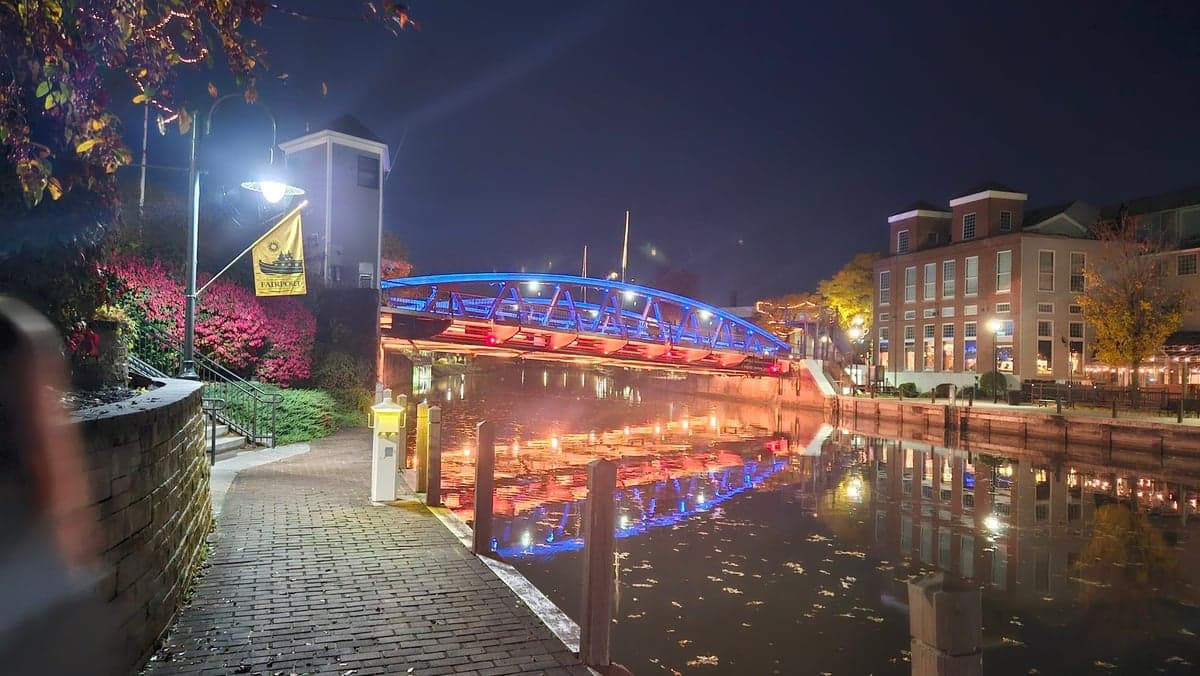
Photo: Wikipedia
Strategic Assessment of Fairport, NY
Multiple tactical vulnerabilities. Population density, target proximity, or disaster risk are likely compounding. A retreat property and exit planning is required.
What does the Strategic Assessment tell us?
Our Strategic Assessment grades tactical survivability of an area. Major population centers, military targets, fallout zones, natural disasters, and border exposure all drive risk — lower exposure means a more defensible position in a crisis.
This is heavily inspired by Joel Skousen's Strategic Relocation book. Highly recommended you checkout the book ($)What does this tell us?
Our Strategic Assessment grades tactical survivability of an area. Major population centers, military targets, fallout zones, natural disasters, and border exposure all drive risk — lower exposure means a more defensible position in a crisis.
This is heavily inspired by Joel Skousen's Strategic Relocation book. Highly recommended you checkout the book ($)Strategic Pillars
Key Distances
Regional Safe Places
Below is our recommended "safe zones" in New York and the surrounding area based on our strategic heuristics. For most people, it's unrealistic to live in a “safe zone” full-time due to work, family or other personal reasons. They tend to be more rural. However, many of these areas are perfect for second homes and retreat properties that double as a vacation home or even a short-term rental.
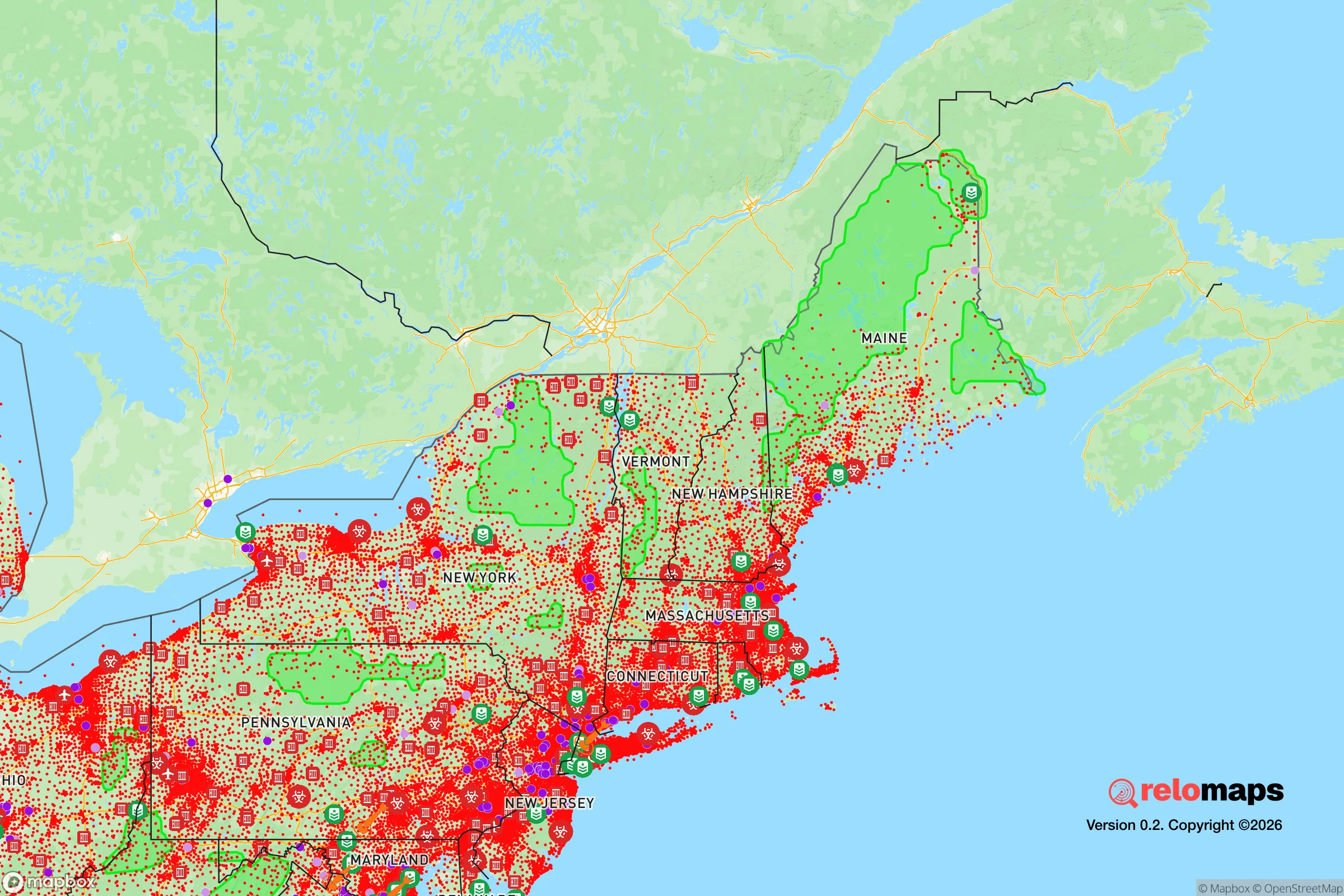
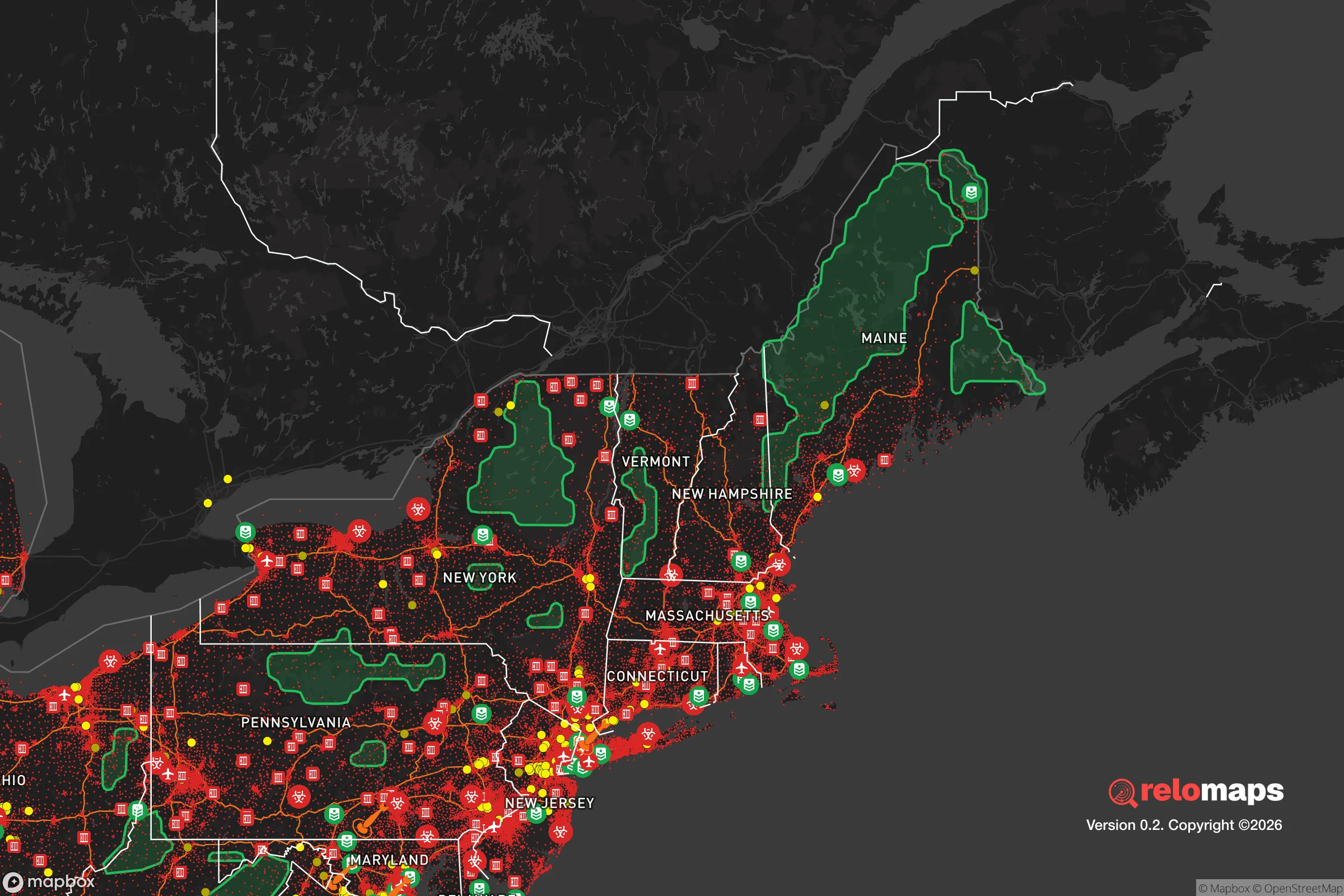


Important Note: For informational purposes only. This does not mean nothing bad ever happens in the green zones. Please use common sense. This is based on public data and modeled with AI. We tried to take a conservative approach but mistakes happen. We update this regularly as new information becomes available.
Solar Generator Recommendations
Backup power matters more here than in safer locations. We've picked three solar generators across budgets and capacity tiers — start with the budget unit if you only need a few essentials, or step up if you want to run a fridge and HVAC for days at a time.
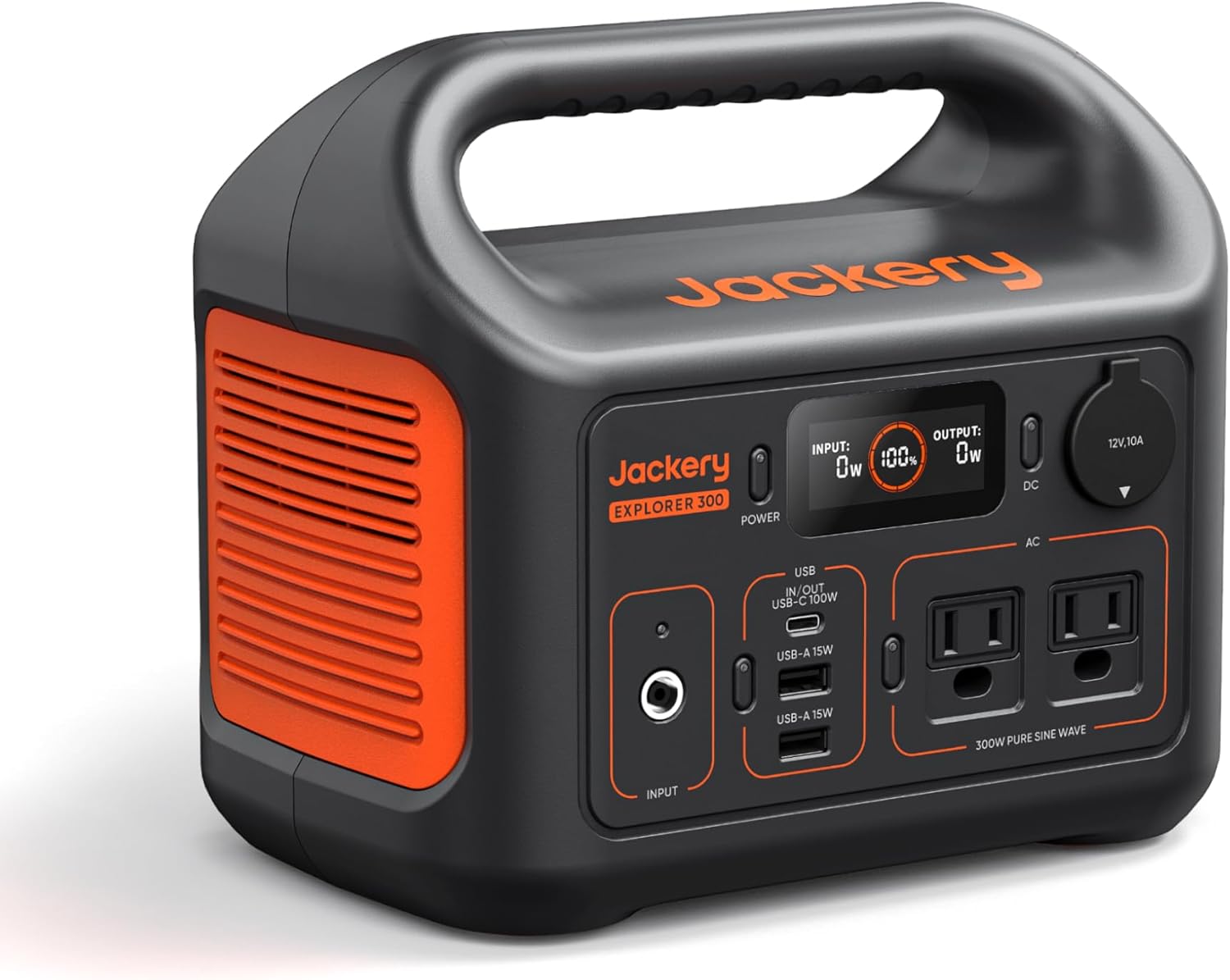
Jackery Portable Power Station Explorer 300
Budget OptionPower on the Go: Weighing only 11 lbs, it's convenient to set up and store with book-sized foldable solar panels

BLUETTI Portable Power Station AC180
Designed for both indoor and outdoor scenarios, AC180 is highly capable as it has a robost capacity and continuous output power.

EF ECOFLOW DELTA Pro Ultra Power Station
Upgraded PickEcoFlow DELTA Pro Ultra is a whole-home energy system designed to grow with your family. Integrated with the Smart Home Panel 2, it scales to meet your evolving energy needs — keeping your home powered, intelligent, and secure through every stage of life.
We earn a commission, at no additional cost to you.
Strategic Assessment Analysis
Fairport, New York, offers a surprisingly strong strategic position for a relocator prioritizing resilience and self-sufficiency, balancing proximity to a major metropolitan area with the tangible advantages of a smaller, resource-rich community. Its location on the Erie Canal, within the greater Rochester metro area, provides a unique blend of access to critical infrastructure and a degree of natural insulation from the most acute risks of a dense urban center. For a family or individual thinking seriously about disaster readiness, Fairport presents a viable middle-ground option—close enough to leverage regional resources, yet far enough to maintain a defensible, self-reliant posture.
Geographic position and natural advantages for long-term stability
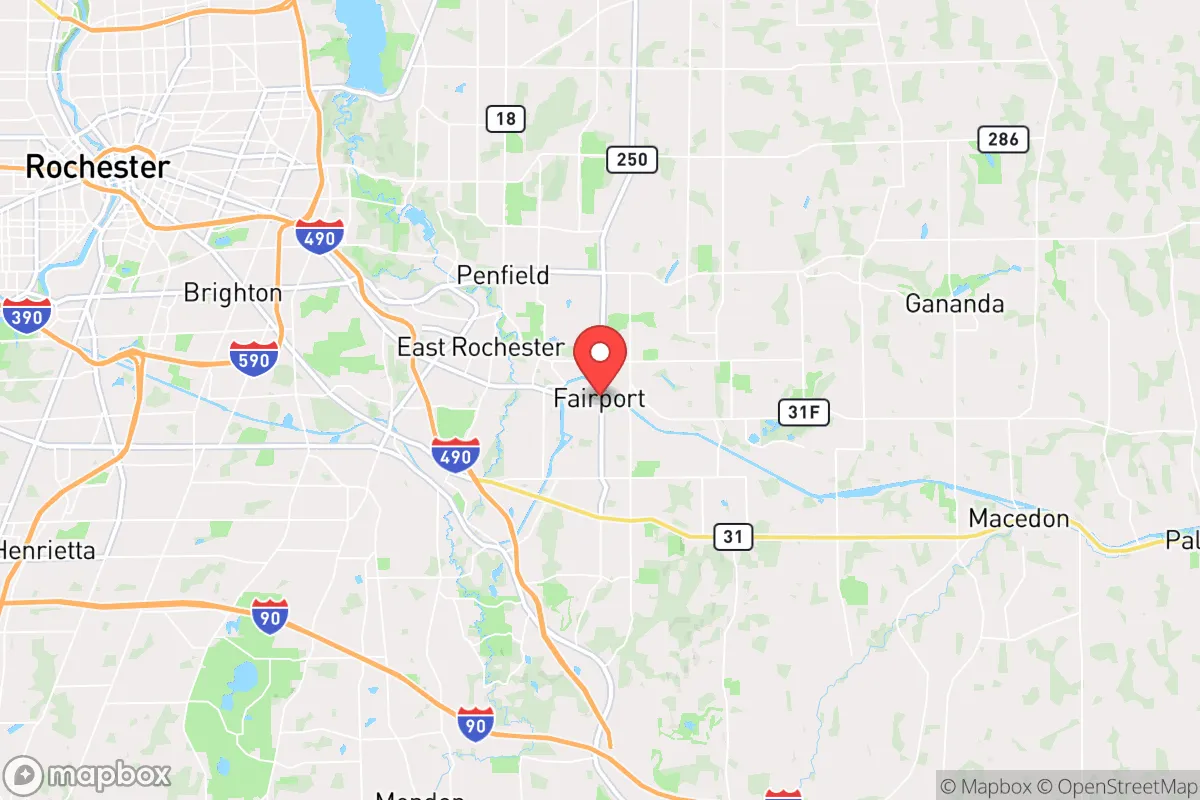
Fairport sits in Monroe County, roughly 15 miles east of downtown Rochester, placing it in the fertile Genesee River Valley region. The area's most significant natural advantage is its abundant fresh water. The Erie Canal runs directly through the village, and the nearby Lake Ontario, one of the Great Lakes, represents an almost inexhaustible supply of fresh water. This is a critical, non-negotiable asset for long-term resilience. The surrounding terrain is largely flat to gently rolling, with fertile soil that supports a robust agricultural sector. Monroe County is part of the broader Finger Lakes region, known for its moderate climate and reliable precipitation, which reduces the risk of prolonged drought compared to many other parts of the country. The area's position on the southern shore of Lake Ontario also provides a moderating effect on temperatures, reducing the severity of both summer heat and winter cold, though lake-effect snow is a real and manageable hazard. For a relocator, this geography means access to local food production, surface water, and a climate that can sustain year-round habitation without extreme stress on infrastructure.
Risks, exposures, and proximity to fallout-relevant landmarks
The primary risk for Fairport is its proximity to Rochester, a city of roughly 200,000 people, and the associated vulnerabilities of a major metropolitan area. In a widespread crisis, Fairport could face pressure from population displacement, resource competition, and potential civil unrest spilling out from the urban core. The village itself is not a high-value target for a strategic strike, but it lies within the broader Rochester metropolitan statistical area, which includes the Rochester Institute of Technology (RIT), the University of Rochester, and several major medical centers. More critically, the area is within roughly 75 miles of the Lake Ontario Ordnance Works (LOOW) site in Niagara County, a former nuclear weapons production and storage facility. While the site is undergoing remediation, its historical use means the region has a latent, low-level risk associated with legacy contamination. Additionally, the presence of the Rochester-Genesee Regional Transportation Authority and major east-west rail lines (CSX and Norfolk Southern) means the area is a transportation corridor, which could be a liability in a conflict scenario. Natural risks are comparatively low: the region is not prone to earthquakes, hurricanes, or wildfires. The most significant natural hazard is severe winter weather, including lake-effect snowstorms that can dump several feet of snow in a single event, potentially isolating the village for 24-48 hours. This is a manageable, predictable risk that actually builds local resilience—residents are accustomed to stockpiling supplies and maintaining backup heat sources.
Practical resilience for a relocator: food, water, energy, and defensibility
Fairport's practical resilience is strong, particularly in the areas of food and water. The village is surrounded by active farmland, with numerous pick-your-own orchards, vegetable farms, and dairy operations within a 10-mile radius. The Monroe County Farmers' Market system and local CSAs (Community Supported Agriculture) provide direct access to fresh, local food. The Erie Canal and Lake Ontario offer fishing and a secondary water source, though treatment would be necessary. For energy, the region is served by Rochester Gas and Electric (RG&E), which has a mixed grid including natural gas, nuclear (the R.E. Ginna Nuclear Power Plant is about 20 miles east), and hydroelectric power from Niagara Falls. This diversification provides some grid stability, but a relocator should plan for solar or generator backup, as winter storms can cause localized outages. Defensibility is a mixed picture. Fairport is a compact, walkable village with a historic downtown, which can be easier to secure than a sprawling suburb. The Erie Canal provides a natural barrier on one side, and the village is surrounded by open farmland, offering good lines of sight. However, it is not geographically isolated; major roads like NY-31 and I-490 provide easy access from Rochester, meaning a determined group could reach the village quickly. For a family, the best strategy is to focus on a property with a well, a south-facing roof for solar, and a wood-burning stove—all of which are common in the area. The local community is tight-knit, with active volunteer fire departments and a strong sense of local identity, which is a significant social resilience asset.
The overall strategic picture for Fairport is one of calculated compromise. It offers excellent access to fresh water, local food, and a moderate climate, all within a community that is small enough to maintain social cohesion but large enough to have functional infrastructure. The primary downside is its proximity to Rochester and the associated risks of urban spillover, as well as its location within a broader region that has some historical and logistical ties to strategic infrastructure. For a relocator who is serious about self-sufficiency but does not want to live in a remote, isolated area, Fairport represents a solid, defensible choice. The key is to treat it as a base for resilience, not a bunker—invest in local relationships, diversify your own resources, and maintain a plan for temporary self-isolation during the predictable winter storms. It is not a perfect fortress, but it is a genuinely livable, prepared community in a region that has the natural assets to weather a wide range of disruptions.

* Values derived from national, state, county, city and local statistics and may differ in a specific area. Last updated: 2026-11-26T22:48:00.000Z
Narrative content on this page is AI-generated and may contain mistakes. Verify any details that matter before acting on them.
ReloMaps may earn a commission from affiliate links at no extra cost to you.

