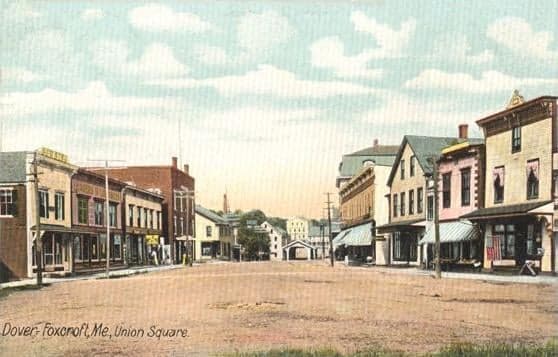
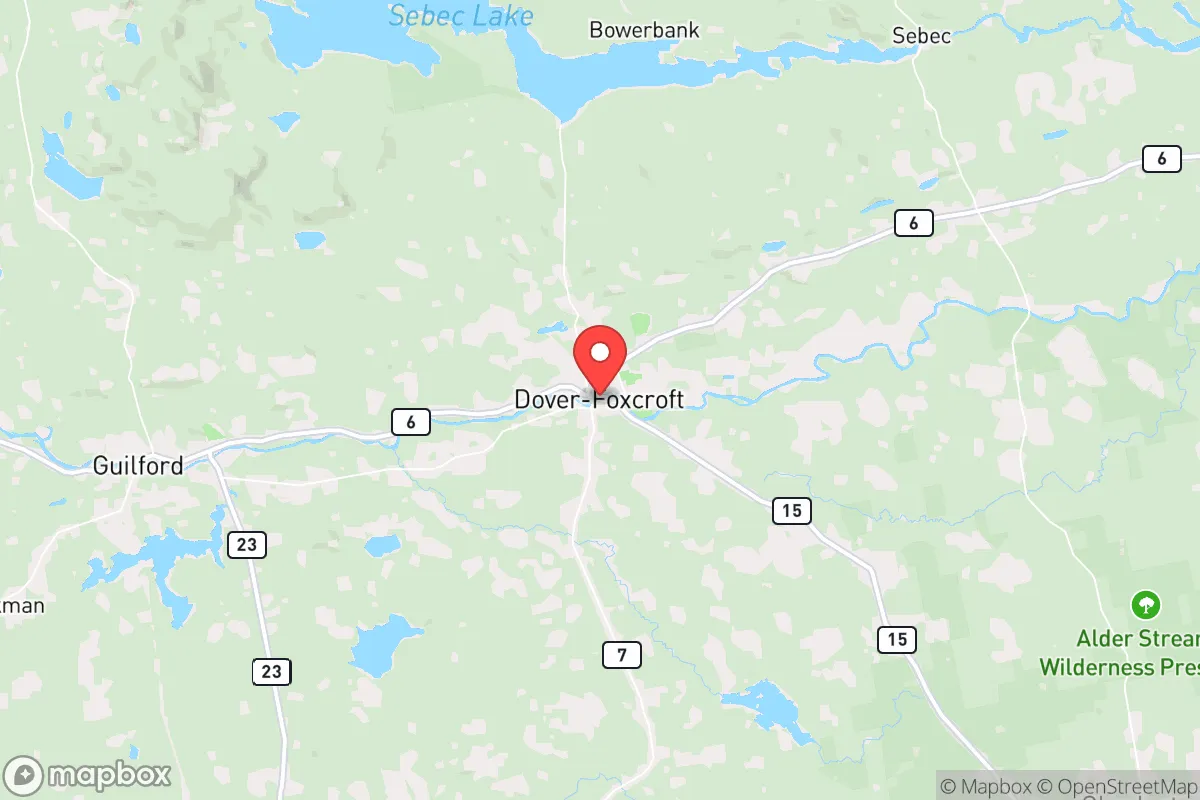

Photo: Wikipedia
Quality of Life in Dover-Foxcroft, ME
A high quality of life with strong walkability, manageable living costs, healthy neighborhood signals, and solid amenity access.
What does Quality of Life tell us?
Quality of Life blends cost of living, nearby amenities, socioeconomic signals, and neighborhood character. City-level scores represent the whole municipality; individual neighborhoods can differ.
What does this tell us?
Quality of Life blends cost of living, nearby amenities, socioeconomic signals, and neighborhood character. City-level scores represent the whole municipality; individual neighborhoods can differ.
Cost of Living
35% below national average
The Real Cost of Living in Dover-Foxcroft, ME for 2026
| Tier | Individual | Family (4) |
|---|---|---|
| Survival | $14k | $26k |
| Comfortable | $27k | $39k |
| Luxury | $81k+ | $126k+ |
| Elite (Top 5%) | $95k+ | $148k+ |
132%
The Area Signal
A metric tracking the socioeconomic signals of the area.
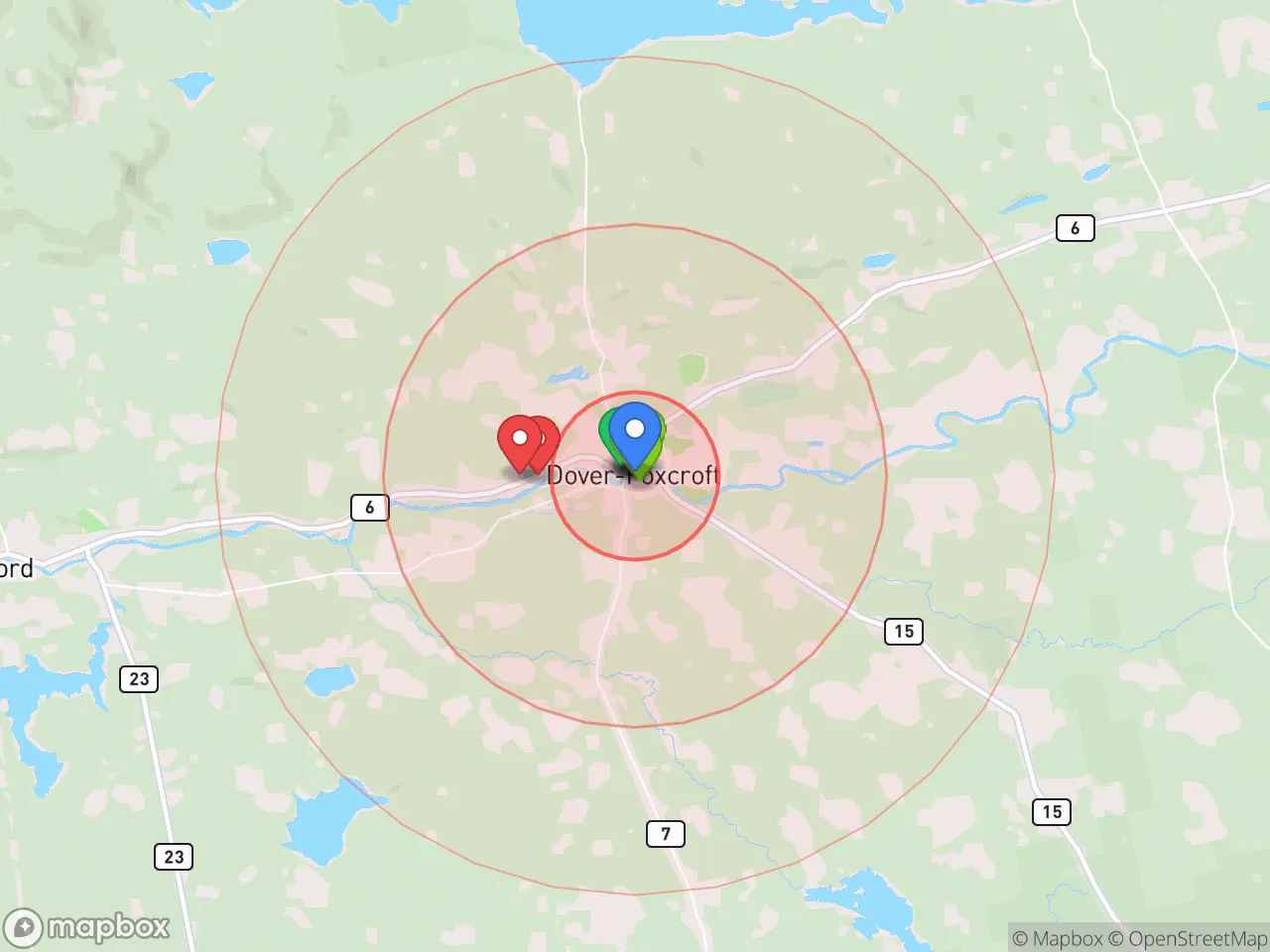
Hobbies
Explore the areaGroceries
0 within 10 miles
Gas
0 within 10 miles
Hospital
0 within 20 miles
Airport
PDX — Portland International Jetport
Post Office
Critical Amenities
Quality-of-Life Analysis
Dover-Foxcroft is a low-cost, family-oriented community in central Maine where the cost of living index sits at 65 (well below the U.S. average of 100), attracting a mix of retirees, remote workers, and tradespeople seeking affordability and a slower pace. The area's median household income hovers around the state average, but the low housing costs mean residents enjoy more disposable income than in pricier coastal towns like Portland or Bar Harbor. The population is predominantly white, older-skewing, and politically moderate, with a strong sense of local volunteerism and a reliance on seasonal tourism and manufacturing for employment.
Cost of living and housing affordability compared to Bangor and Portland
Dover-Foxcroft’s housing market is among the most affordable in Piscataquis County, with a median home value of $137,500 and a median rent of $880—roughly half the cost of comparable homes in Portland. The typical commute is 24.4 minutes, which is manageable for workers heading to Bangor (about 40 minutes east) or to local employers like the Dover-Foxcroft paper mill or the Mayo Regional Hospital. Property taxes are moderate for Maine, averaging around 1.2% of assessed value, and utilities (especially heating oil in winter) can add $200–$400 monthly. For renters, the vacancy rate is tight (under 3%), so finding a unit under $900 often requires acting quickly. Compared to Bangor, where the median home is $220,000, Dover-Foxcroft offers a clear affordability edge, though the trade-off is fewer retail and dining options.
What daily life is like for families and remote workers
Daily life in Dover-Foxcroft revolves around outdoor recreation and local institutions. The town is home to the Center Theatre for the Performing Arts, a restored 1930s movie house that hosts live shows and films, and the Thompson Free Library, which offers strong children’s programming. Schools in the SAD 68 district (SeDoMoCha Elementary and Foxcroft Academy) serve about 1,200 students, with Foxcroft Academy—a private high school open to town residents—boasting a 95% graduation rate and small class sizes. For groceries and errands, residents rely on the local Hannaford and a handful of independent shops; for major retail, a 40-minute drive to Bangor’s mall is standard. Internet access is improving, with Spectrum offering cable broadband up to 200 Mbps, making the town viable for remote workers, though cell service can be spotty in the surrounding hills. Winters are long and snowy (averaging 70 inches annually), so snowmobiling and ice fishing dominate from December through March, while summer brings hiking at Peaks-Kenny State Park (15 minutes north) and kayaking on the Piscataquis River.
This area is best suited for people who prioritize low housing costs, outdoor access, and a tight-knit community over urban amenities and career diversity. Retirees on fixed incomes, remote workers with stable internet, and families seeking affordable homeownership will find the most value here. Those who thrive in Dover-Foxcroft tend to be self-sufficient, comfortable with long winters, and willing to drive 30–45 minutes for specialized shopping or healthcare. It is not a fit for singles seeking nightlife or professionals in high-tech fields, but for anyone wanting a quiet, affordable base in central Maine, it is a strong contender.

Crime in Dover-Foxcroft, ME
Lower crime rates than 96% of comparable U.S. locations.
Violent CrimeViolent Crime Analysis
Property CrimeProperty Crime Analysis
Crime Analysis
Dover-Foxcroft, Maine, presents a notably safe environment compared to national averages, with a reported violent crime rate of 0 per 100,000 residents and a property crime rate of 486.7 per 100,000. These figures place the town in a strong position for safety, particularly when contrasted with the broader trends seen in larger metropolitan areas. However, the property crime rate, while below the national median, is an area where residents should remain vigilant.
Crime in context
Dover-Foxcroft's violent crime rate of zero is a significant outlier compared to both the state of Maine and the United States as a whole. Maine's own violent crime rate is already low at roughly 109 per 100,000, and the national average hovers around 380 per 100,000. The town's property crime rate of 486.7 per 100,000 is lower than the national average of approximately 1,950 per 100,000, but it is slightly above the Maine state average of about 1,200 per 100,000. This suggests that while major violent incidents are virtually nonexistent, theft and burglary are the primary concerns. It is worth noting that in larger metropolitan areas, particularly those with progressive prosecutorial policies, crime rates can be significantly higher due to reduced consequences for repeat offenders, a dynamic that does not appear to affect Dover-Foxcroft.
What residents experience
Daily life in Dover-Foxcroft is characterized by a low fear of violent crime. Residents typically feel safe walking alone at night and leaving doors unlocked, a stark contrast to the experience in many urban centers. The primary safety issues are property-related: vehicle break-ins, theft from sheds or outbuildings, and occasional vandalism. These incidents are often opportunistic rather than part of a broader organized crime pattern. The local police department maintains a visible presence, and community-oriented policing is the norm. The absence of a progressive justice system that might prioritize offender rehabilitation over public safety means that those who are caught face consistent consequences, which acts as a deterrent.
Neighborhood-level variation in Dover-Foxcroft is minimal. The town is small and relatively homogenous in terms of socioeconomic status, so crime risk is spread fairly evenly. Areas closer to the downtown commercial district, particularly around East Main Street and the Piscataquis River, may see slightly higher rates of petty theft due to foot traffic. Residential streets off the main arteries, such as those near the Mayo Regional Hospital, are exceptionally quiet. The most significant safety consideration for newcomers is not violent crime but rather seasonal hazards like winter driving conditions and wildlife encounters on rural roads.
* Values derived from national, state, county, city and local statistics and may differ in a specific area. Last updated: 2026-11-21T14:21:35.000Z
Narrative content on this page is AI-generated and may contain mistakes. Verify any details that matter before acting on them.
ReloMaps may earn a commission from affiliate links at no extra cost to you.

