Photo: Wikipedia
Find The Best Places To Live in Piscataquis County
PRO TIP! You can paste a Zillow or Redfin link to get info on that property.
Best Places to Live in Piscataquis County
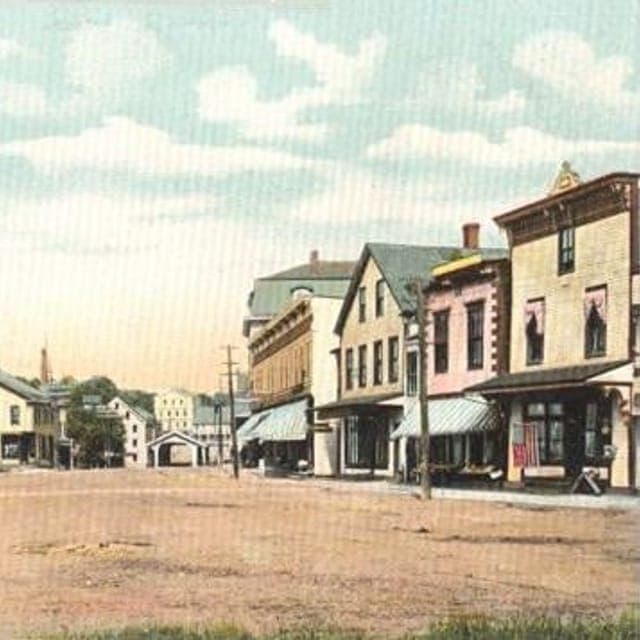
Cities & Towns in Piscataquis County
Cities in Piscataquis County
What It's Like Living in Piscataquis County, ME
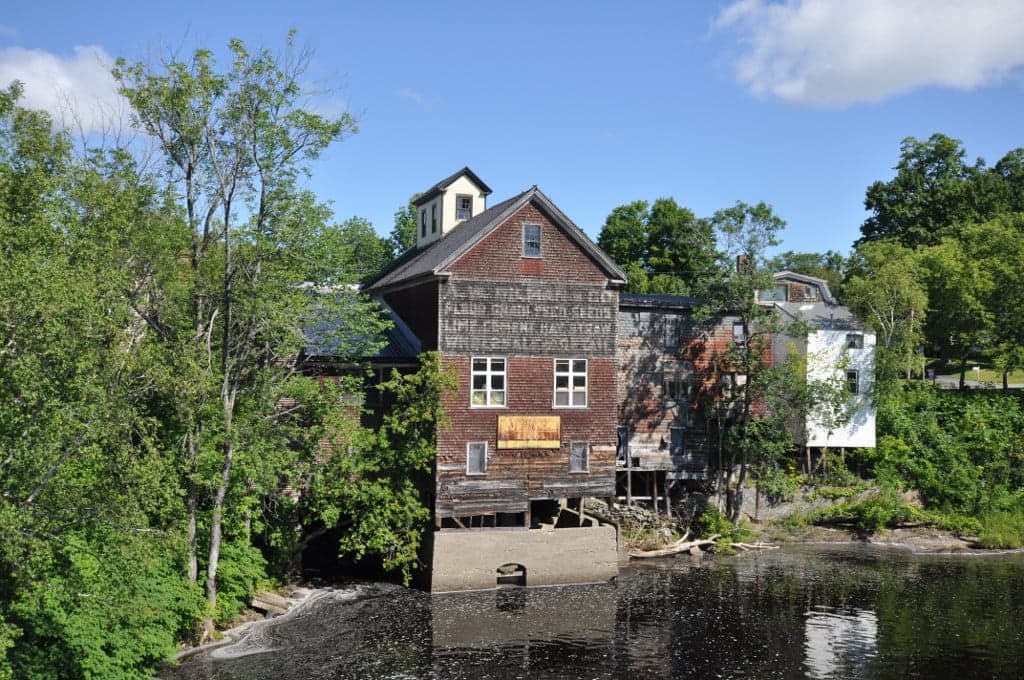
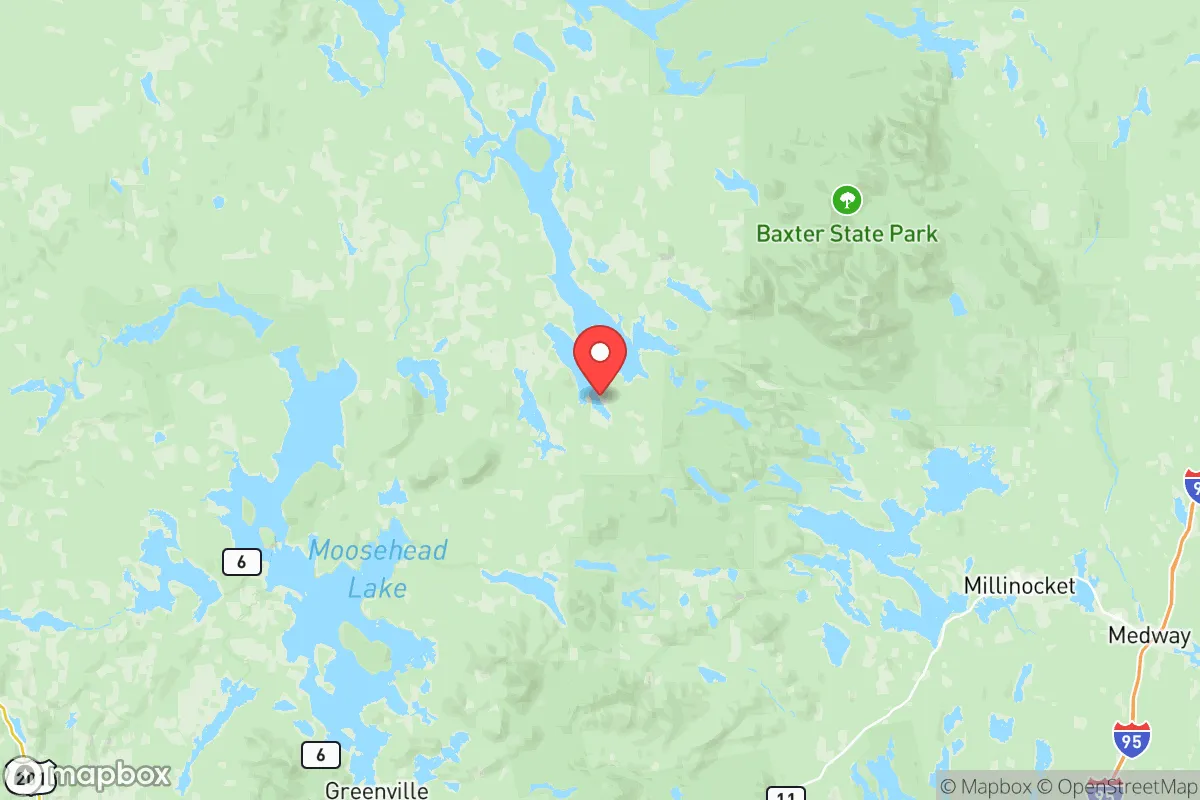
Living in Piscataquis County, Maine, means trading traffic jams for logging trucks and strip malls for the vast, quiet expanse of the North Woods. This is the least populated county east of the Mississippi, a place where the towns of Dover-Foxcroft, Greenville, and Milo serve as the primary hubs for a population of just over 17,000 residents. Life here is defined by the seasons, the woods, and a deep-seated independence that appeals to people who value privacy and self-reliance over convenience and crowds.
The Daily Rhythm: Slow, Self-Reliant, and Rooted in the Outdoors
A typical day in Piscataquis County looks nothing like suburban life. The average commute is just over 25 minutes, but that drive often winds along two-lane roads past working farms, lakes, and endless forest. Most residents work in education, healthcare, or the trades, with Northern Light Mayo Hospital in Dover-Foxcroft and the region’s many logging and outdoor recreation businesses providing the bulk of stable employment. The median household income sits at $55,234, which stretches further here than almost anywhere else in the country thanks to a cost of living index of 63—well below the national average. A median home value of just $153,300 means that a family can buy a modest house on a few acres without being house-poor, a reality that draws people priced out of southern Maine or more expensive New England states.
Weekends are spent on practical projects—splitting firewood, maintaining a snowmobile trail, or fixing a boat. Shopping is limited; for major purchases, residents drive an hour or more to Bangor. The social rhythm revolves around the local diner, the hardware store, and community events at the town hall. With a median age of 51.4, the county skews older, but younger families are increasingly drawn here for the affordability and the chance to raise kids with space to roam. The kind of person who fits in here is someone who doesn’t mind driving 30 minutes for groceries, knows how to handle a snowblower, and values quiet over nightlife.
Sports, Community, and the Social Fabric
There are no professional sports teams in Piscataquis County, and that’s not a drawback for most residents. High school sports are the main event. Friday-night basketball games at Foxcroft Academy in Dover-Foxcroft draw solid crowds, and the school’s rivalry with Dexter Regional High School is a genuine community touchstone. In the winter, the focus shifts entirely outdoors: ice fishing on Moosehead Lake near Greenville, snowmobiling on the ITS (Interconnected Trail System) that crisscrosses the county, and skiing at small local hills. The Moosehead Lake Region is the county’s crown jewel for recreation, drawing visitors for its remote beauty, but locals know the best fishing spots are on the smaller, quieter ponds like Sebec Lake or Schoodic Lake.
Community identity is strong and rooted in tradition. The Piscataquis County Fair in Dover-Foxcroft is a late-summer staple, featuring harness racing, livestock shows, and the kind of midway that hasn’t changed much in 50 years. In Greenville, the International Seaplane Fly-In in September is a quirky, beloved event that brings pilots and spectators from across the Northeast. These gatherings aren’t just entertainment—they’re the primary social calendar for a spread-out population.
What Frustrates Locals and What They Love
Honest pros and cons define life here. On the upside, the violent crime rate is remarkably low at 94.1 per 100,000—well below national averages—and most people don’t lock their doors. The sense of freedom is real: you can hunt, snowmobile, and ATV on vast tracts of land without asking permission. The natural beauty is staggering, especially in autumn when the foliage peaks along the Katahdin region and the 100 Mile Wilderness.
On the downside, the isolation can be tough. Only 21.8% of adults hold a college degree, and the job market is narrow—if you’re not in healthcare, education, or a trade, opportunities are scarce. Winters are long and dark; snow can fall from November through April, and the cold is relentless. Young adults often leave for college and don’t return, which contributes to the aging population. Internet access has improved but remains spotty in rural pockets, and the nearest Walmart is a 45-minute drive from Greenville. For the right person—someone who values quiet, space, and self-sufficiency—those trade-offs are worth it. For someone who needs urban amenities, a diverse job market, or a vibrant social scene, Piscataquis County will feel like a very long winter indeed.

* Values derived from national, state, county, city and local statistics and may differ in a specific area. Last updated: 2026-11-21T23:32:22.000Z
Narrative content on this page is AI-generated and may contain mistakes. Verify any details that matter before acting on them.
ReloMaps may earn a commission from affiliate links at no extra cost to you.

