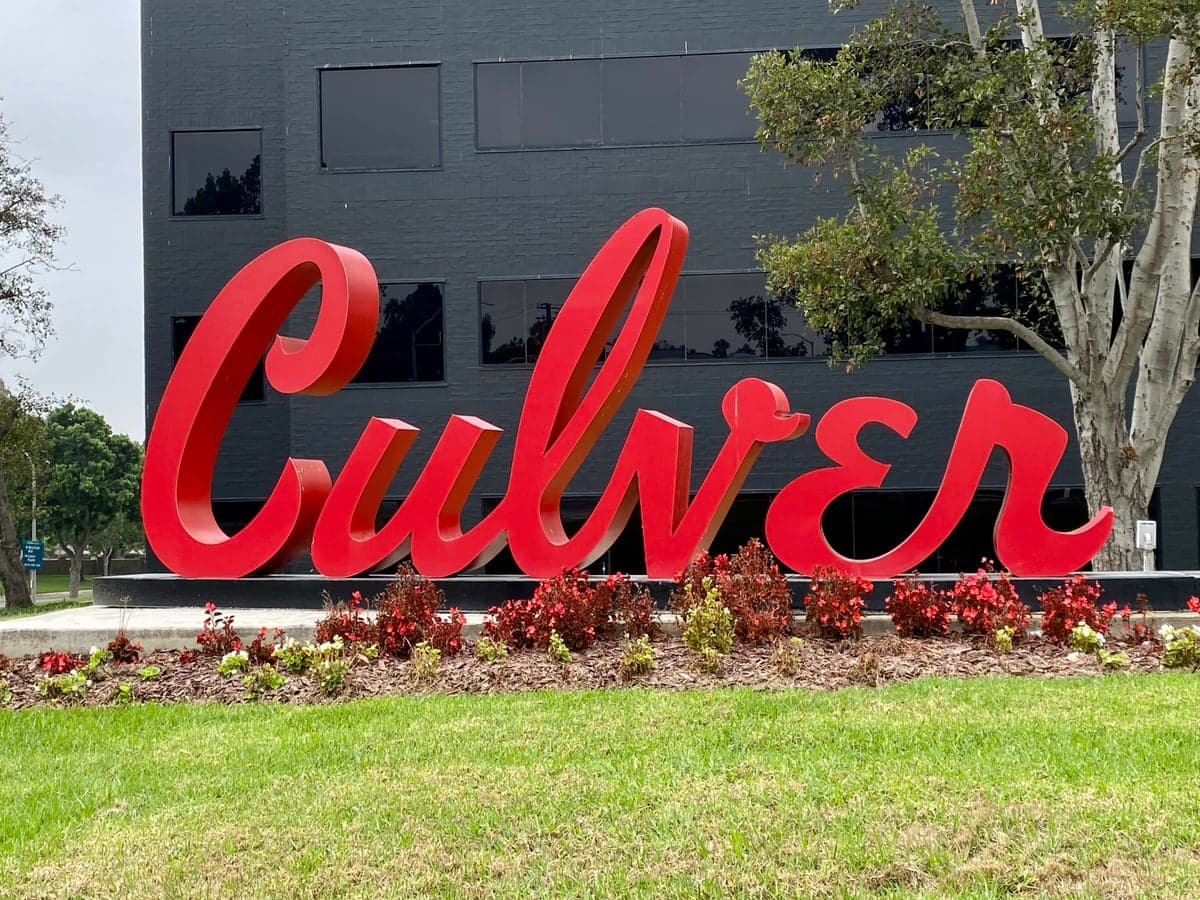
Photo: Wikipedia
Personal Sovereignty in Culver City, CA
Moderate friction. Expect trade-offs in some aspect of personal liberty and independence.
What does Personal Sovereignty tell us?
Personal Sovereignty measures your capacity for self-reliance and independence with minimal government friction. Higher scores mean fewer barriers between you and the way you want to live... but it assumes you have the space you need and good neighbors.
What does this tell us?
Personal Sovereignty measures your capacity for self-reliance and independence with minimal government friction. Higher scores mean fewer barriers between you and the way you want to live... but it assumes you have the space you need and good neighbors.
State Policy
Energy independence: Importer (25% of energy produced in-state)
Personal Liberty
Homesteading

Personal Liberty Analysis
Culver City presents a complex personal sovereignty environment for those prioritizing autonomy and self-reliance. Located within Los Angeles County, the city operates under California's extensive state-level regulatory framework, which significantly shapes local tax burden, self-defense laws, and personal liberties. For a conservative-leaning individual or family evaluating relocation, Culver City offers a dense, urban lifestyle with limited room for self-reliant homesteading but clear trade-offs in regulatory posture and legal autonomy compared to less populated areas of the state.
Tax burden and regulatory posture for residents and businesses
California's tax structure is among the heaviest in the nation, and Culver City residents bear that weight directly. The state's top marginal income tax rate of 13.3% applies to high earners, while the base rate for most workers starts at 1% and scales quickly. Sales tax in Culver City is 10.25%, among the highest in Los Angeles County, due to a combination of state, county, and local add-ons. Property taxes are capped at 1% of assessed value under Proposition 13, but reassessment upon sale can significantly increase annual costs, especially in a market where median home prices exceed $1.2 million. The regulatory environment is dense: Culver City enforces strict zoning codes, building permits, and environmental review processes. For example, any home renovation exceeding $50,000 in valuation requires a detailed plan check and can take 6–12 months for approval. Business owners face a gross receipts tax (0.1%–0.5% depending on industry), plus state-level corporate taxes at 8.84%. This creates a high-cost, high-compliance environment that rewards established professionals but can frustrate entrepreneurs or those seeking minimal government interaction.
Self-defense rights and gun law specifics in Culver City
California's firearm laws are among the most restrictive in the United States, and Culver City enforces them fully. The state requires a 10-day waiting period for all firearm purchases, a Firearm Safety Certificate (FSC) test, and a background check through the California Department of Justice. As of 2024, California's "may-issue" concealed carry regime was replaced by a "shall-issue" system following the Supreme Court's Bruen decision, but local sheriffs still impose stringent requirements. In Los Angeles County, the Sheriff's Department requires applicants to demonstrate "good cause" beyond self-defense, though this standard is being challenged in court. Assault weapons are banned, including many common semi-automatic rifles with features like pistol grips or flash suppressors. Magazine capacity is limited to 10 rounds. Open carry is prohibited entirely. For self-defense at home, residents may possess handguns and shotguns, but storage laws mandate firearms be locked in a safe or with a trigger lock when not in immediate use. Pepper spray and tasers are legal with age restrictions. The practical effect: Culver City offers minimal self-defense autonomy compared to states with constitutional carry or fewer restrictions. A resident who prioritizes personal protection via firearms will find the process costly, time-consuming, and legally constrained.
Self-reliance and homesteading viability: lot sizes, zoning, and off-grid feasibility
Culver City's urban density makes traditional homesteading or off-grid living nearly impossible. Typical residential lot sizes range from 5,000 to 7,000 square feet in single-family zones, with many homes on lots under 6,000 square feet. Zoning codes strictly limit accessory structures, livestock, and agricultural use. Keeping chickens is permitted only in certain zones with a conditional use permit, and roosters are banned. Goats, bees, or larger livestock are prohibited in all residential districts. Off-grid systems face major hurdles: solar panel installation requires city permits and compliance with building codes, and net metering agreements with Southern California Edison are mandatory for grid-tied systems. Rainwater harvesting is legal but limited to 200 gallons per property without a permit, and any system must meet health department standards. Composting toilets are not allowed as primary sanitation; all homes must connect to the municipal sewer system. For those seeking self-reliance through gardening, Culver City's Mediterranean climate allows year-round vegetable growing, but soil contamination from historic industrial use (the city was a major manufacturing hub) is a concern—raised beds with imported soil are recommended. The bottom line: Culver City is not a location for off-grid or homesteading lifestyles. Self-reliance here means urban gardening, energy efficiency, and community engagement rather than land-based independence.
Personal liberties: parental rights, medical autonomy, speech, and property
California law strongly shapes personal liberties in Culver City, often in ways that diverge from conservative values. Parental rights are limited in several areas: the state mandates comprehensive sexual health education in public schools starting in 7th grade, with no opt-out for content on contraception or LGBTQ+ topics (parents may opt out of specific lessons on HIV prevention). Vaccine requirements for school attendance are strict, with no personal belief exemptions—only medical exemptions are accepted. Medical autonomy is constrained by state mandates: California requires health insurance to cover abortion and contraception, and the state has a public health emergency framework that can impose mask or vaccine mandates during outbreaks. However, the state also protects the right to refuse medical treatment for oneself (though parental refusal for children is more limited). Free speech is broadly protected under the California Constitution, which provides stronger protections than the First Amendment in some contexts (e.g., speech in shopping malls is protected). Culver City's local ordinances restrict amplified sound and leafleting in certain public spaces, but political speech on sidewalks and in parks is generally unrestricted. Property rights are heavily regulated: rent control applies to multifamily units built before 1995, and the city's "just cause" eviction ordinance limits a landlord's ability to terminate tenancies. Homeowners face strict historic preservation rules in designated districts, and any exterior modification requires design review. For a property owner, this means less autonomy to modify or manage their land compared to less regulated areas.
Overall, Culver City's personal sovereignty profile is one of low autonomy in most domains relative to other U.S. regions, particularly for those who value self-defense, homesteading, or minimal government oversight. The city's tax burden is high, regulatory processes are thorough and time-consuming, and state-level laws restrict gun ownership, parental opt-outs, and property modifications. For a conservative-leaning individual or family, the trade-off is access to a dense, walkable urban environment with strong public services, progressive social policies, and proximity to Los Angeles's job market. If personal sovereignty is your top priority, areas in Texas, Florida, or even inland California counties like Kern or Riverside offer significantly lighter regulatory and tax environments. However, if you value urban amenities and are willing to navigate California's framework, Culver City provides a predictable, if constrained, legal landscape—one where autonomy is exercised through community involvement and careful compliance rather than independent action.

* Values derived from national, state, county, city and local statistics and may differ in a specific area. Last updated: 2026-11-24T17:48:45.000Z
Narrative content on this page is AI-generated and may contain mistakes. Verify any details that matter before acting on them.
ReloMaps may earn a commission from affiliate links at no extra cost to you.

