Photo: Wikipedia
Find The Best Places To Live
in Culver City
PRO TIP! You can paste a Zillow or Redfin link to get info on that property.
Compare Culver City with another place
What It's Like Living in Culver City, CA
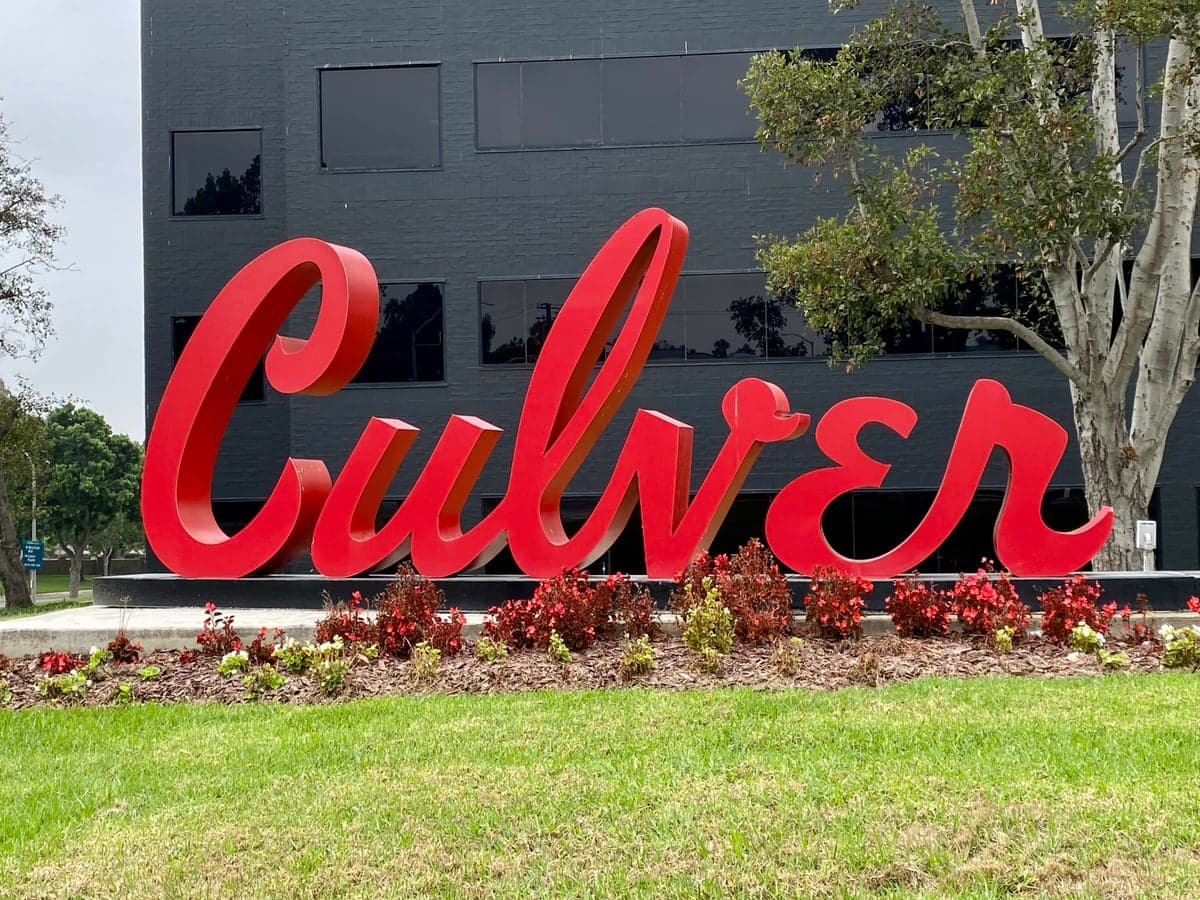
Culver City feels less like a suburb of Los Angeles and more like its own small town that happens to be surrounded by the second-biggest city in America. It’s a place where you’re as likely to run into a film editor grabbing coffee as a family walking a golden retriever, and where the local high school football game on a Friday night draws a crowd that actually knows the players’ names. For a certain kind of person—someone who wants the energy and opportunity of LA without the anonymity—it’s a surprisingly workable compromise.
The Daily Rhythm: Walkable Blocks and Commuter Realities
Life in Culver City revolves around a few distinct hubs. Downtown Culver City, centered around Culver Boulevard and Washington Boulevard, is the social and commercial spine. It’s a walkable stretch of independent bookstores, coffee shops like Balconi Coffee (a local institution), and restaurants that range from upscale Italian to casual taco joints. On weekends, the Culver City Farmers Market on Main Street is a genuine community gathering—not a tourist trap—where you can buy produce, listen to live music, and see neighbors catching up. The median age here is 41.2, which reflects a mix of established families and professionals who’ve settled in for the long haul. The median household income of $122,312 supports a lifestyle that’s comfortable but not extravagant by LA standards, though the cost of living index of 298 (nearly three times the national average) means housing is the dominant expense. The median home value of $1,126,900 puts homeownership out of reach for many, so a significant portion of residents rent apartments or condos near the downtown core.
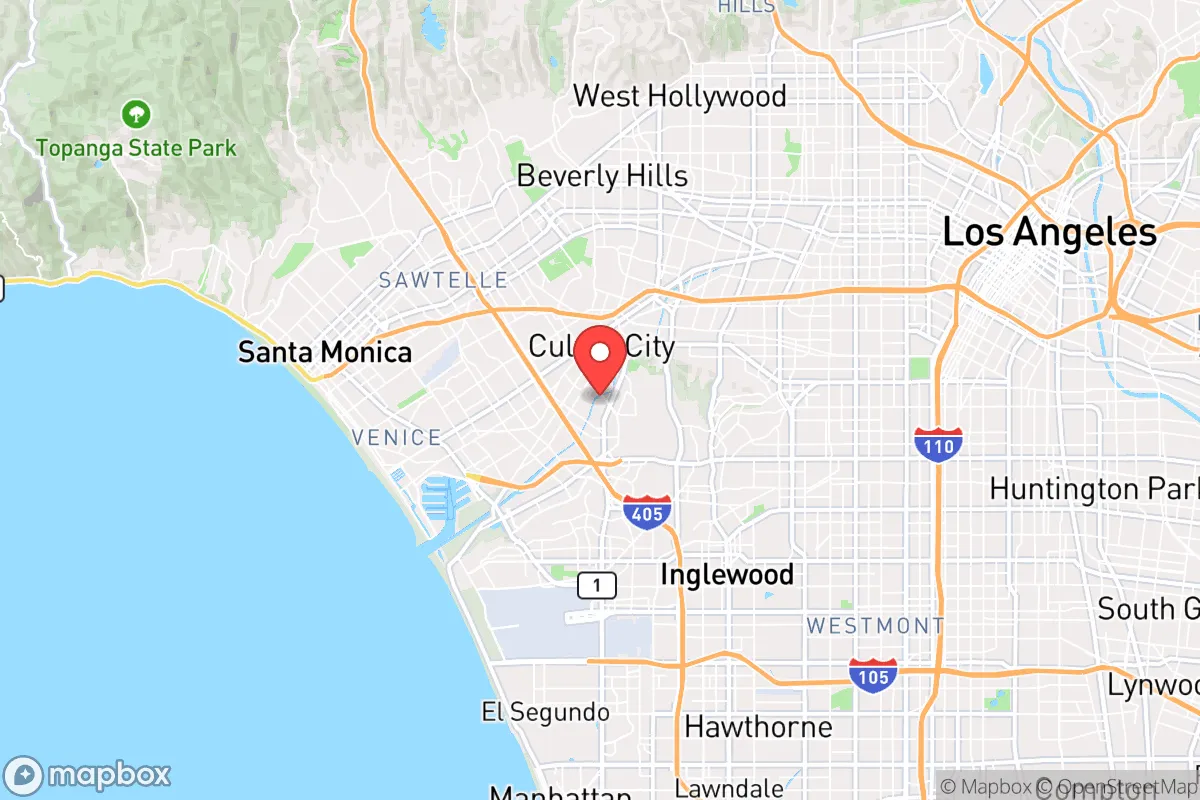
The trade-off for that walkable core is the commute. The average commute time of 27.2 minutes is better than much of LA County, but it’s a deceptive number. Getting to Santa Monica or the Westside can take 20 minutes on a good day, while a trip to downtown LA or Hollywood can easily stretch to 45 minutes or more. Traffic on the 405 freeway, which borders the city, is a constant background hum. Locals learn to time their errands around rush hours, and many rely on the Expo Line light rail station for trips to Santa Monica or downtown LA. The weather, of course, is a near-perfect 70s and sunny most of the year, with a mild marine layer that burns off by late morning. There’s no real seasonal rhythm beyond “summer is warmer and less cloudy” and “winter brings a few rainy days.”
Sports, School Spirit, and the Local Identity
High school sports are a surprisingly big deal here. Culver City High School (the Centaurs) has a football program that draws real community support, with Friday night games at the school’s stadium packing bleachers with parents, alumni, and local business owners. It’s not Texas-level obsession, but it’s more than you’d expect in a dense urban area. The school itself is a central institution—families often choose neighborhoods based on its reputation, and its performance in academics and athletics is a frequent topic of conversation. There are no major professional sports teams based in Culver City, but the proximity to SoFi Stadium in Inglewood (home of the Rams and Chargers) and the Lakers and Clippers at Crypto.com Arena means residents are never far from pro action. The city’s own identity is tied more to its history as a studio town—Sony Pictures Studios (formerly MGM) is the largest employer, and the “Heart of Screenland” nickname is still used proudly.
What’s There to Do: From Film Festivals to Hiking Trails
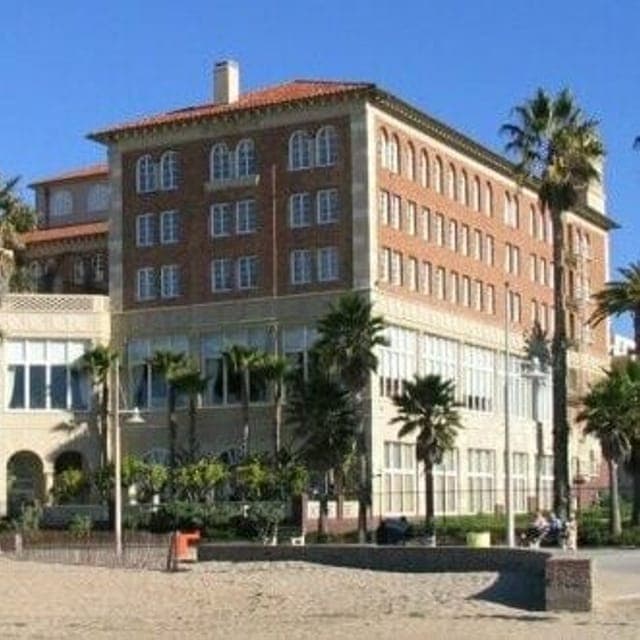
Entertainment options are abundant and varied. The Culver City Film Festival draws indie filmmakers and industry insiders, while the Fiesta La Ballona (a free, family-friendly festival in August) features carnival rides, live music, and a parade that feels genuinely small-town. For outdoor activities, Kenneth Hahn State Recreation Area is a 400-acre park with hiking trails, fishing ponds, and views of the LA basin—it’s a 10-minute drive from downtown. The Culver City Park on Jefferson Boulevard offers sports fields, a skate park, and a dog park that’s a social hub for pet owners. Restaurants worth knowing: Dear John’s is a classic steakhouse with a retro vibe, Sweetgreen and Gracias Madre cater to the health-conscious, and The Culver Hotel is a historic bar and live music venue that’s been a local landmark since the 1920s. Bars like The Backstage and The Auld Fella are where you’ll find industry folks unwinding after work.
Pros and Cons of Living Here
What longtime residents love: The walkable downtown, the sense of community in a sprawling metro area, the strong public schools (Culver City Unified is a point of pride), and the proximity to beaches, Hollywood, and the Westside without the full chaos of living in those areas. The violent crime rate of 434.5 per 100,000 is higher than the national average, but most residents feel safe in the core neighborhoods, and property crime is the bigger concern—car break-ins and package thefts are common complaints. The 64.9% college-educated population creates a culture that values education and civic engagement, and the city’s local government is responsive and active.
What frustrates them: The cost of living is the top gripe. Rent for a one-bedroom apartment often exceeds $2,500, and buying a home requires a seven-figure budget. Traffic is a constant irritant, especially on Washington and Culver Boulevards during rush hour. Parking in the downtown area is a nightmare on weekends. Some residents feel the city has become too expensive for the creative class that originally defined it, with artists and musicians being priced out by tech and entertainment executives. The schools are good, but the district is small and can feel insular. And while the weather is lovely, the lack of distinct seasons can make the year feel monotonous.

Similar towns to Culver City
* Values derived from national, state, county, city and local statistics and may differ in a specific area. Last updated: 2026-11-24T17:48:45.000Z
Narrative content on this page is AI-generated and may contain mistakes. Verify any details that matter before acting on them.
ReloMaps may earn a commission from affiliate links at no extra cost to you.

