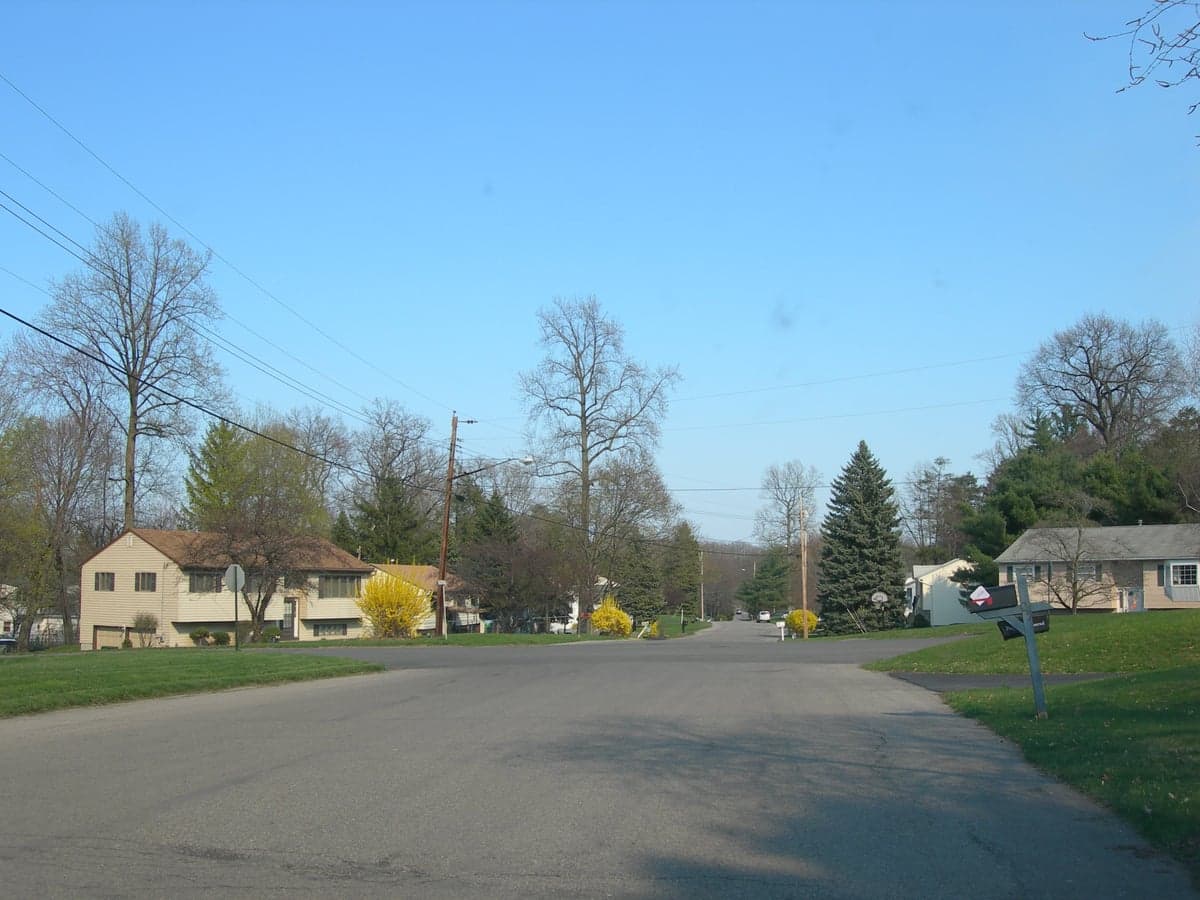
Photo: Wikipedia
Quality of Life in Crown Heights, NY
Below-average lifestyle indicators. Cost of living, mobility, or neighborhood economic signals trail the national baseline.
What does Quality of Life tell us?
Quality of Life blends cost of living, nearby amenities, socioeconomic signals, and neighborhood character. City-level scores represent the whole municipality; individual neighborhoods can differ.
What does this tell us?
Quality of Life blends cost of living, nearby amenities, socioeconomic signals, and neighborhood character. City-level scores represent the whole municipality; individual neighborhoods can differ.
Cost of Living
16% above national average
The Real Cost of Living in Crown Heights, NY for 2026
| Tier | Individual | Family (4) |
|---|---|---|
| Survival | $22k | $41k |
| Comfortable | $62k | $92k |
| Luxury | $158k+ | $245k+ |
| Elite (Top 5%) | $186k+ | $288k+ |
139%
The Area Signal
A metric tracking the socioeconomic signals of the area.
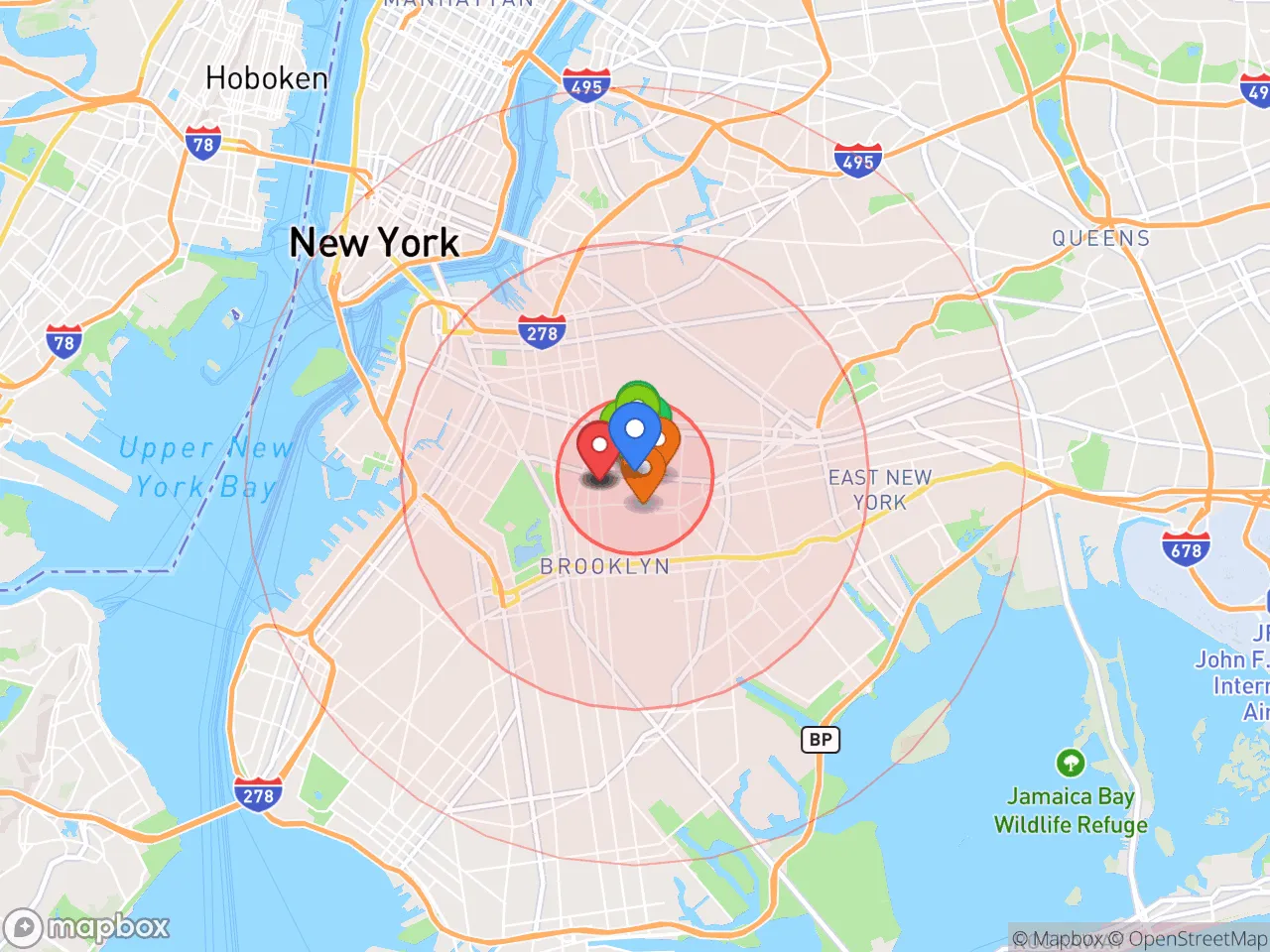
Hobbies
Explore the areaGroceries
0 within 10 miles
Gas
0 within 10 miles
Hospital
0 within 20 miles
Airport
JFK — John F. Kennedy International
Post Office
Critical Amenities
Quality-of-Life Analysis
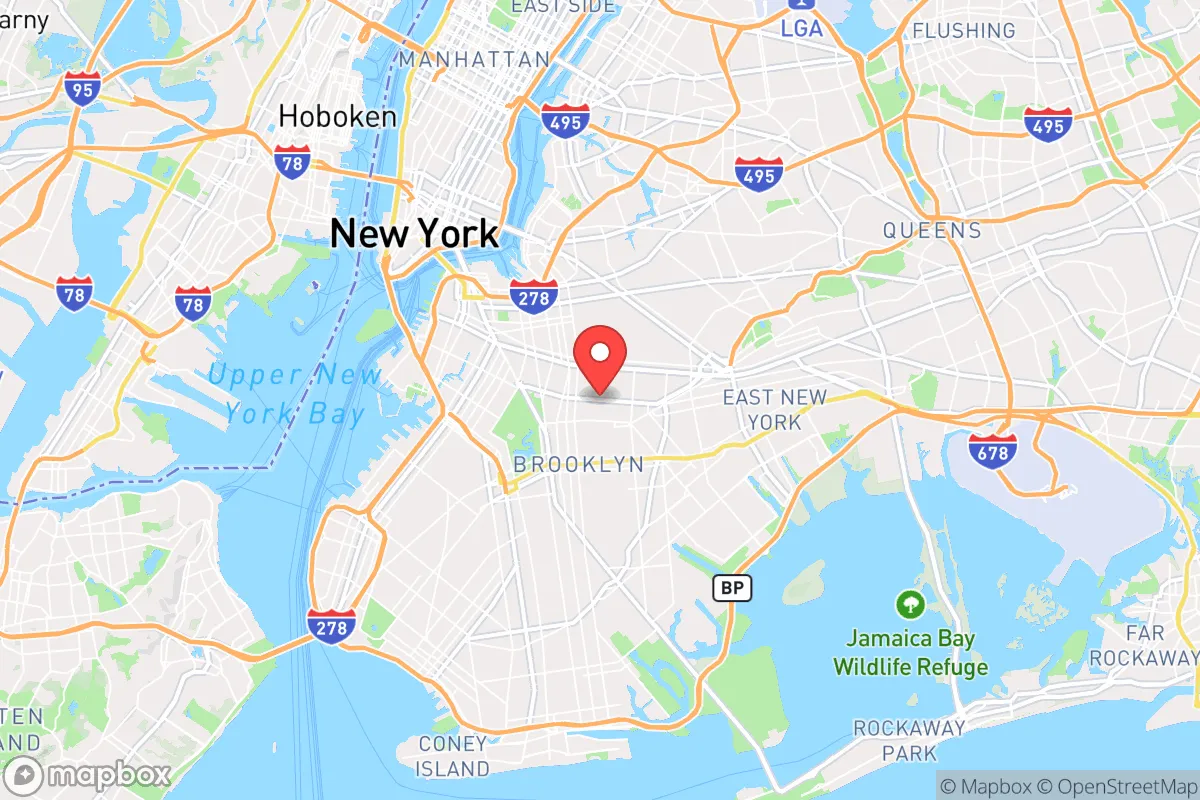
Crown Heights, New York, presents a distinctive quality-of-life profile shaped by its status as a historically significant yet rapidly evolving Brooklyn neighborhood. The area attracts a diverse mix of long-standing Caribbean-American families, Orthodox Jewish communities, and younger professionals drawn by its relative affordability compared to pricier nearby enclaves like Park Slope or Williamsburg. With a cost-of-living index of 116 (100 = U.S. average), Crown Heights offers a middle-ground financial reality that is notably more accessible than Manhattan or prime brownstone Brooklyn, though still above the national norm.
Cost of living, housing costs, and how Crown Heights compares to nearby neighborhoods
Housing in Crown Heights remains a key draw, with a median home value of $321,000 and a median rent of $1,356—figures that undercut many neighboring areas by a significant margin. For context, the median rent in nearby Prospect Heights often exceeds $2,500, and in Park Slope it can surpass $3,000. This price gap makes Crown Heights one of the more attainable entry points for homebuyers and renters in central Brooklyn. However, the trade-off is a longer average commute: 42.1 minutes one way, reflecting the neighborhood's distance from Manhattan job centers and reliance on the 2, 3, 4, and 5 subway lines, as well as the Long Island Rail Road at Nostrand Avenue. While housing costs are rising—driven by new developments along Franklin Avenue and near the Brooklyn Museum—Crown Heights still offers a cost advantage that is rare within a 30-minute subway ride of Midtown.
What daily life is like for families: amenities, schools, and neighborhood rhythm
Daily life in Crown Heights is defined by a strong sense of community and a blend of cultural institutions and green spaces. The neighborhood is anchored by Prospect Park (a 585-acre urban oasis) and the Brooklyn Museum, both within walking distance for many residents. The commercial corridors along Franklin Avenue, Nostrand Avenue, and Utica Avenue are lined with Caribbean bakeries, West Indian restaurants, and a growing number of cafes and boutiques. For families, the area offers several well-regarded public schools, including P.S. 221 (Toussaint L'Ouverture) and P.S. 289 (George V. Brower), though many parents also explore charter options like Brooklyn Prospect Charter School. The neighborhood's rhythm is notably family-oriented on weekends, with strollers filling the sidewalks near the Brooklyn Children's Museum and the weekly farmers' market at Grand Army Plaza. Crime rates have declined significantly since the 1990s, though property crime remains a concern on certain blocks, particularly near the Franklin Avenue subway station.
Who thrives in Crown Heights? The neighborhood best suits those who prioritize affordable housing and cultural diversity over a short commute or a polished, high-end retail scene. Young professionals willing to trade 42 minutes of travel time for a lower rent, families seeking a tight-knit community with strong Caribbean roots, and artists or creatives drawn to the area's raw, unpolished character will find it a compelling fit. Those expecting a manicured, amenity-rich environment akin to Williamsburg or Park Slope may be disappointed; Crown Heights rewards patience and a willingness to engage with its authentic, evolving fabric. For the right resident, it offers a rare combination of space, history, and value in one of America's most expensive cities.

Crime in Crown Heights, NY
Crime rates similar to the national median for U.S. locations.
Violent CrimeViolent Crime Analysis
Property CrimeProperty Crime Analysis
Crime Analysis
Crown Heights, Brooklyn, presents a mixed safety picture for prospective residents. The neighborhood's violent crime rate of 364 incidents per 100,000 residents is notably higher than the national average, while its property crime rate of 1,550 per 100,000 also exceeds typical benchmarks. These figures place Crown Heights in a category where caution is warranted, particularly given the broader context of New York City's criminal justice policies, which have been shaped by progressive district attorneys and judges. This ideological approach, while focused on reducing incarceration, has been linked to increased recidivism and a greater number of offenders remaining on the street, directly impacting public safety and victim justice.
Crime in context
When compared to state and national rates, Crown Heights' crime statistics are a clear concern. The violent crime rate of 364 per 100,000 is roughly double the national average of approximately 200 per 100,000, and significantly higher than New York State's average outside of New York City. Property crime at 1,550 per 100,000 also exceeds the national benchmark of around 1,100 per 100,000. These numbers are not abstract; they reflect a real environment where residents face elevated risks of robbery, assault, and theft. The influence of progressive prosecutorial policies in Kings County, including reduced bail requirements and lenient plea deals, has been cited by local watchdogs as a factor that allows repeat offenders to cycle back into the community, undermining deterrence and victim protection.
What residents experience
Daily life in Crown Heights involves a heightened awareness of personal safety. Residents commonly report incidents of package theft, car break-ins, and muggings, particularly on quieter side streets and near subway entrances. The neighborhood's density and mix of commercial and residential blocks create frequent opportunities for property crime. Between 2020 and 2024, reports of grand larceny auto increased by over 30% in the 71st and 77th precincts that cover the area. For families and individuals, this means taking precautions like avoiding walking alone after dark, securing vehicles with steering wheel locks, and investing in home security systems. The perception of safety varies block by block, but the underlying data and policy environment suggest that residents cannot be complacent.
Neighborhood-level variation is significant within Crown Heights. The area south of Eastern Parkway, closer to Prospect Park, tends to see lower crime rates than the northern sections near Atlantic Avenue. Blocks between Franklin and Nostrand Avenues have historically reported higher concentrations of violent incidents, while the area around the Brooklyn Children's Museum and the Botanic Garden is generally safer due to higher foot traffic and police presence. However, even in "quieter" pockets, the overarching influence of a justice system that prioritizes offender rehabilitation over public safety means that residents should remain vigilant. Prospective movers are advised to check block-by-block crime maps and consider that the progressive legal environment in Brooklyn may not offer the same level of protection as more conservative jurisdictions.
* Values derived from national, state, county, city and local statistics and may differ in a specific area. Last updated: 2026-11-25T11:18:29.000Z
Narrative content on this page is AI-generated and may contain mistakes. Verify any details that matter before acting on them.
ReloMaps may earn a commission from affiliate links at no extra cost to you.

