Photo: Wikipedia
Demographics of Crown Heights, NY
Affluence Level in Crown Heights, NY
An upper-middle-class area. Household wealth, education levels, and homeownership run ahead of national benchmarks.
People of Crown Heights, NY
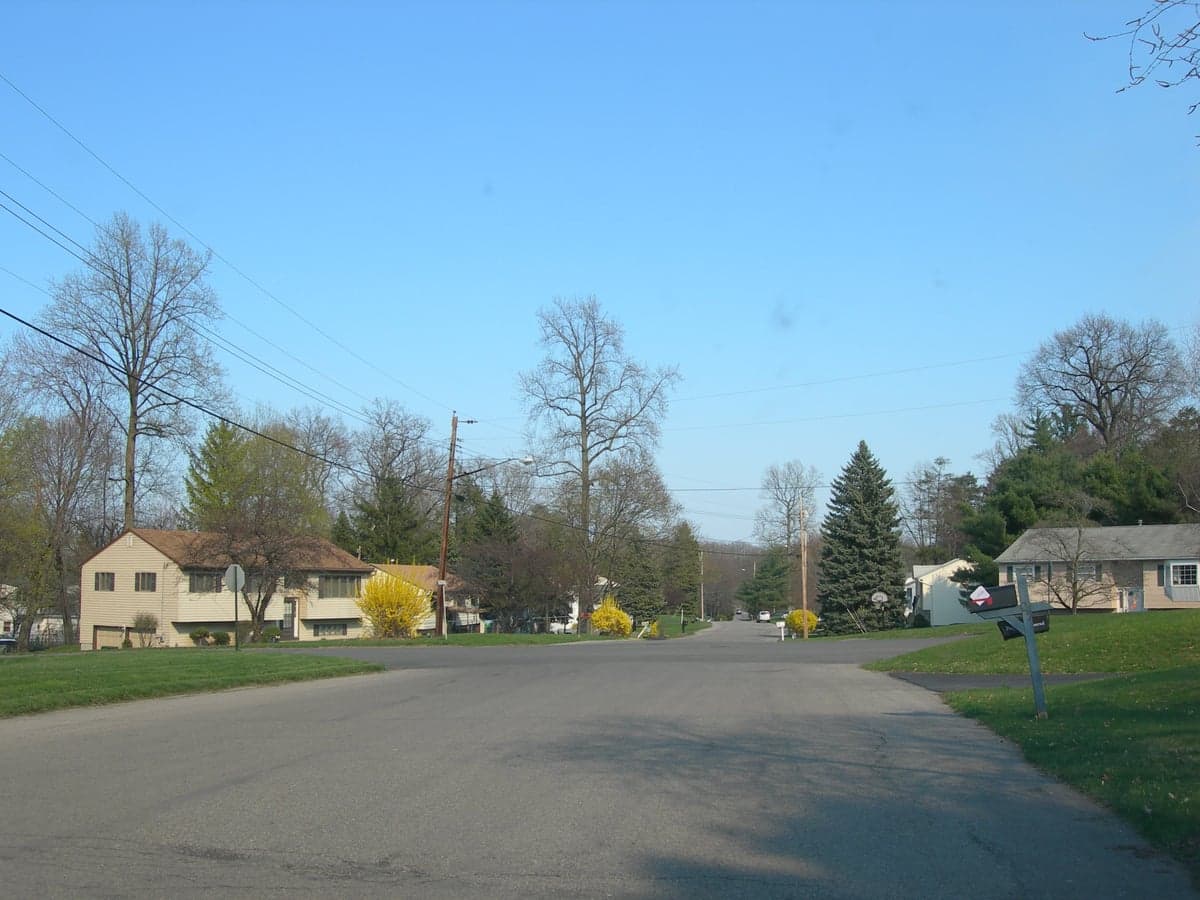
Crown Heights, New York, is a densely populated neighborhood of 3,071 residents with a distinctive character shaped by waves of immigration and migration. Today, the population is predominantly White (64.1%), with a significant Hispanic community (19.2%), and smaller but notable East/Southeast Asian (8.3%), Indian subcontinent (3.1%), and Black (2.2%) populations. The area is marked by a high proportion of college-educated residents (35.8%) and a relatively low foreign-born share of 5.3%, reflecting a stable, long-settled core.
How the city was settled and grew
Crown Heights was originally part of the Dutch colony of New Netherland, settled in the 17th century by Dutch and English farmers who established small hamlets along the old Kings Highway. The area remained largely rural until the mid-19th century, when the construction of the Brooklyn and Jamaica Railroad (later the Long Island Rail Road) spurred development. The first major wave of population growth came in the 1880s and 1890s, as German and Irish immigrants built row houses and brownstones in the Prospect Heights and Weeksville sections, drawn by jobs in nearby breweries, factories, and the expanding Brooklyn Navy Yard. By the early 20th century, Jewish immigrants from Eastern Europe, particularly from Russia and Poland, settled heavily in the Eastern Parkway corridor, establishing synagogues, Yiddish theaters, and a thriving commercial district along Nostrand Avenue. The neighborhood’s population peaked around 1950 at roughly 100,000, with a mix of Jewish, Italian, and Irish working-class families.
Modern era (post-1965)
The post-1965 period brought dramatic demographic change. The Hart-Cellar Immigration Act opened doors to new arrivals, while domestic migration reshaped the neighborhood. Beginning in the 1960s, African American families from the South and the Caribbean, particularly from Jamaica and Barbados, moved into the Prospect Lefferts Gardens and Weeksville areas, drawn by affordable housing and proximity to jobs in Manhattan. By the 1970s, Crown Heights had become a predominantly Black and Caribbean neighborhood, with a large West Indian community centered around the Nostrand Avenue commercial strip. The 1990s and 2000s saw a new wave of gentrification, as young professionals and families—many White and college-educated—began moving into the historic brownstone districts near Prospect Park and Eastern Parkway. This influx drove the White population from a low of roughly 15% in 1990 to 64.1% by the 2020s, while the Black population fell from over 70% to just 2.2%. The Hispanic share grew steadily, reaching 19.2%, with many Puerto Rican and Dominican families settling in the Franklin Avenue corridor. The East/Southeast Asian population (8.3%) is concentrated near the Brooklyn Museum area, while the Indian subcontinent community (3.1%) is dispersed but visible along Flatbush Avenue.
The future
The population of Crown Heights is likely to continue its trajectory toward greater affluence and diversity, though at a slower pace. The high share of college-educated residents (35.8%) and the low foreign-born percentage (5.3%) suggest a neighborhood that is increasingly attracting domestic migrants—especially from other parts of New York City and the Northeast—rather than new international arrivals. The White share may stabilize or grow modestly, while the Hispanic population is expected to remain the second-largest group, with potential growth from newer Central American arrivals. The East/Southeast Asian and Indian subcontinent communities are small but likely to grow as the area’s proximity to tech and finance jobs in Manhattan and Downtown Brooklyn attracts skilled professionals. The Black population, now a small minority, may continue to decline as older residents move out or pass away, though the cultural legacy of the West Indian community remains strong in local businesses and festivals. The neighborhood’s cultural identity is shifting from a historically Black and Caribbean enclave to a more mixed, professional-class area with a strong progressive bent.
Crown Heights is becoming a denser, more affluent, and more racially mixed neighborhood, but one where the cost of living is rising faster than incomes for many long-term residents. For someone moving in now, the area offers a vibrant, walkable urban environment with excellent transit access and a rich architectural heritage, but the demographic trends point toward continued gentrification and a narrowing of economic diversity. The neighborhood’s future likely resembles other brownstone Brooklyn areas like Park Slope or Fort Greene: prosperous, highly educated, and predominantly White, with significant Hispanic and Asian minorities, but with a much smaller Black presence than its recent past.

* Values derived from national, state, county, city and local statistics and may differ in a specific area. Last updated: 2026-11-25T11:18:29.000Z
Narrative content on this page is AI-generated and may contain mistakes. Verify any details that matter before acting on them.
ReloMaps may earn a commission from affiliate links at no extra cost to you.

