Personal Sovereignty in Northeastern Connecticut Planning Region County
Viable for self-reliance. Generally workable, though some barriers may limit total independence.
What does Personal Sovereignty tell us?
Personal Sovereignty measures your capacity for self-reliance and independence with minimal government friction. Higher scores mean fewer barriers between you and the way you want to live... but it assumes you have the space you need and good neighbors.
What does this tell us?
Personal Sovereignty measures your capacity for self-reliance and independence with minimal government friction. Higher scores mean fewer barriers between you and the way you want to live... but it assumes you have the space you need and good neighbors.
State Policy
Energy independence: Importer (5% of energy produced in-state)
Personal Liberty
Homesteading

Personal Liberty Analysis
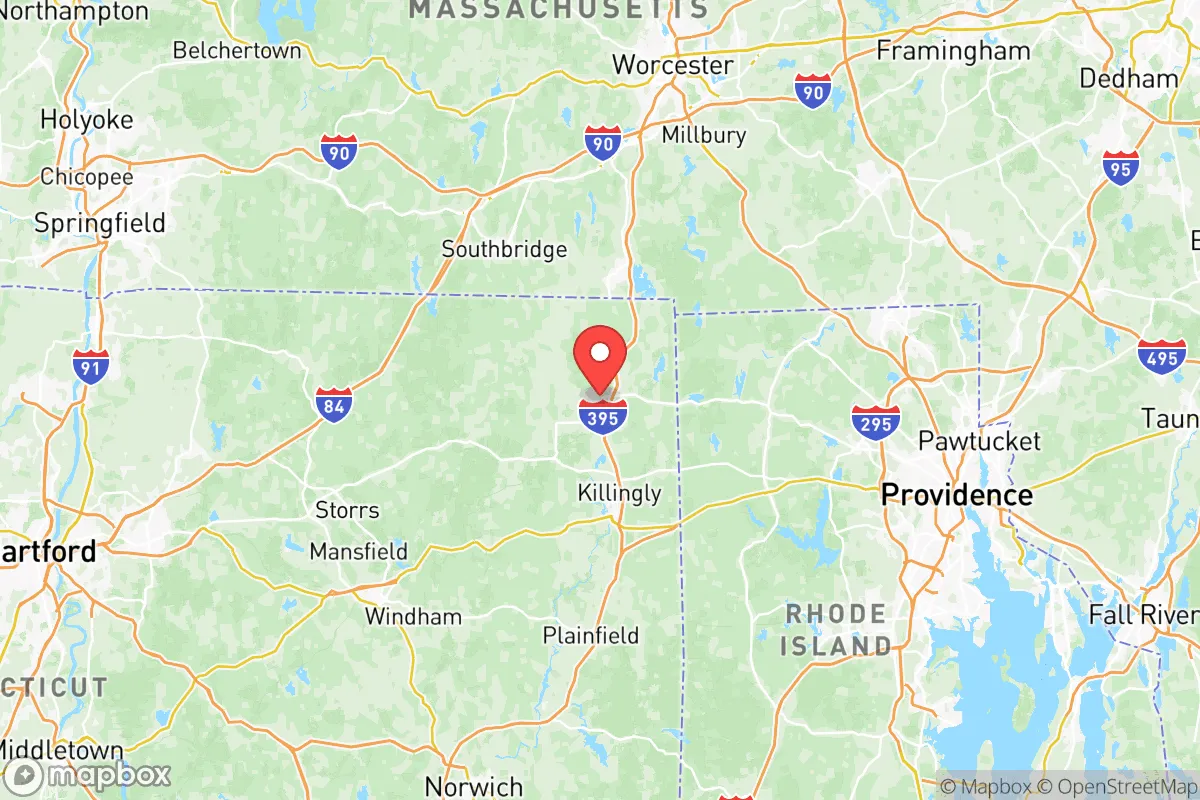
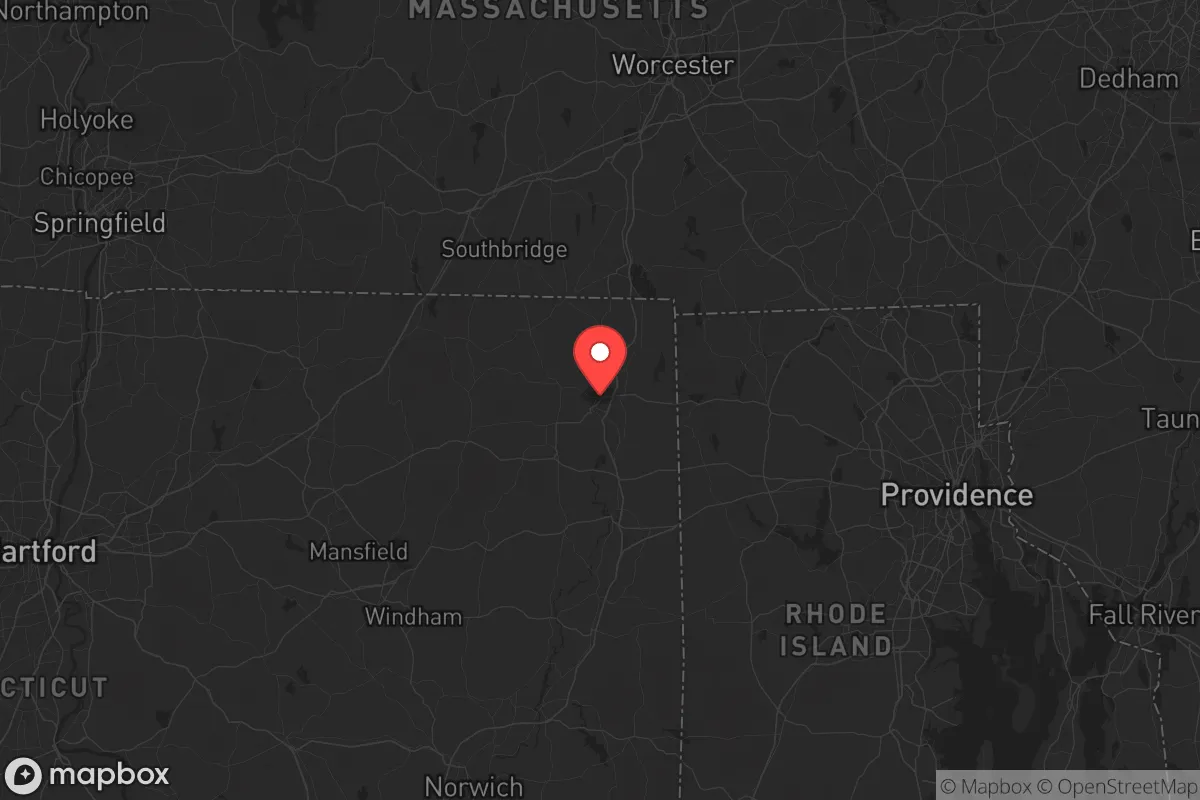
Northeastern Connecticut Planning Region County, often referred to as the Quiet Corner, offers a notably higher degree of personal sovereignty than the state’s coastal or urban centers, driven by a mix of rural tradition, lower population density, and a more hands-off local governance culture. While Connecticut as a whole imposes a relatively high state-level regulatory framework, the towns within this region—such as Brooklyn, Killingly, Plainfield, and Thompson—tend to enforce rules with a lighter touch, creating an environment where self-reliance is both practical and culturally embedded. For individuals and families prioritizing autonomy, the trade-off is clear: you accept state-level mandates on taxes and certain regulations, but gain significant breathing room in daily life, property use, and community norms compared to Fairfield County or the Hartford suburbs.
Tax burden and regulatory posture: How the Quiet Corner compares to the rest of Connecticut
Connecticut’s overall tax burden is among the highest in the nation, and Northeastern Connecticut is not exempt from state income tax (a flat 3% on the first $10,000, rising to 6.99% on higher brackets) or the state’s property tax system. However, the region’s mill rates are generally lower than in wealthier parts of the state. For example, Killingly’s mill rate hovers around 30 mills, while Thompson’s is closer to 28 mills—significantly less than the 40+ mills seen in many Hartford suburbs. The regulatory posture here is distinctly rural: town planning boards in places like Brooklyn and Eastford are known for pragmatic, less bureaucratic approaches to building permits, home businesses, and land-use changes. Zoning is minimal in unincorporated areas, and many towns lack the aggressive code enforcement found in more densely populated municipalities. The trade-off is that you still pay Connecticut’s high car tax (based on assessed value) and face state-level environmental regulations, but the day-to-day interaction with local government is far less intrusive than in the state’s urban corridors.
Self-defense and gun law specifics: Navigating Connecticut’s state framework in a gun-friendly region
Connecticut has some of the strictest gun laws in the nation, including a 2023 expansion of the assault weapons ban, universal background checks, and a permit-to-purchase requirement for handguns. However, within Northeastern Connecticut, the cultural and practical enforcement of these laws is markedly different from places like New Haven or Hartford. Plainfield and Killingly have a strong hunting and sport-shooting tradition, with multiple gun clubs and ranges operating openly. Local sheriffs and police departments in these towns are generally supportive of Second Amendment rights, and permit applications for pistol permits are processed without the delays or hostility reported in some urban jurisdictions. Open carry is legal with a permit, though rarely practiced. The region’s rural character means that firearm ownership for home defense and hunting is the norm, not the exception. For a freedom-oriented reader, the key insight is that while you cannot escape Connecticut’s state-level restrictions, the local environment in towns like Brooklyn and Thompson is as gun-friendly as you will find in New England outside of New Hampshire or Maine. Magazine capacity limits (10 rounds for rifles, 10 for handguns) and the state’s safe storage law still apply, but enforcement is typically complaint-driven rather than proactive.
Self-reliance and homesteading viability: Lot sizes, zoning, and off-grid feasibility
Northeastern Connecticut is one of the best areas in the state for homesteading and self-reliance, thanks to large lot sizes and permissive rural zoning. Minimum lot sizes in towns like Eastford and Thompson are often 1 to 2 acres, and many properties range from 5 to 50 acres, providing ample space for gardens, livestock, and small-scale agriculture. Zoning codes in these towns generally allow for chickens, goats, and even pigs without special permits, though Killingly and Plainfield have slightly more restrictive ordinances on livestock within 100 feet of property lines. Off-grid living is legally feasible but practically challenging: Connecticut requires connection to the electrical grid for new construction in most areas, though solar panels with net metering are widely permitted. Rainwater collection is legal for non-potable uses, and many homesteaders use wells and septic systems, which are standard for rural properties. The region’s agricultural roots mean that farmers’ markets, feed stores, and cooperative extension services are readily available. For a family seeking to reduce reliance on supply chains, towns like Brooklyn and Eastford offer a realistic path to semi-self-sufficiency, with the caveat that Connecticut’s building codes and health regulations still apply to any structure intended for habitation.
Personal liberties: Parental rights, medical autonomy, speech, and property
In terms of personal liberties, Northeastern Connecticut leans conservative relative to the state average, particularly on parental rights and property autonomy. School boards in towns like Killingly and Plainfield have been notably responsive to parental concerns about curriculum transparency and opt-out policies, reflecting a community norm that prioritizes family decision-making. Medical autonomy is more constrained by state law: Connecticut mandates vaccination for school attendance (with medical exemptions only) and has strict telehealth and abortion access laws. However, the region’s distance from major medical centers means that many residents rely on local practitioners who are often more flexible in their approach to alternative or holistic care. Free speech is robustly protected, and local public meetings in Brooklyn and Thompson are known for lively, unfiltered citizen participation. Property rights are strong: eminent domain is rarely used, and zoning variances are typically granted for reasonable requests. The overall atmosphere is one of live-and-let-live, where neighbors respect each other’s choices as long as they don’t create nuisances. This stands in sharp contrast to the more regulated, HOA-heavy environments found in Connecticut’s suburban developments.
Overall, personal sovereignty in Northeastern Connecticut Planning Region County represents a pragmatic compromise: you accept the state’s high tax floor and strict gun laws, but gain a rural environment where local governance is light, homesteading is viable, and community norms support self-reliance. Compared to other parts of New England, this region offers more breathing room than Massachusetts or Rhode Island, but less than northern New England states like New Hampshire or Maine. For a freedom-oriented individual or family who values land, privacy, and local control but must remain in Connecticut for work or family reasons, the Quiet Corner—particularly towns like Brooklyn, Killingly, Plainfield, Thompson, and Eastford—provides the best balance of autonomy and practicality available in the state.

* Values derived from national, state, county, city and local statistics and may differ in a specific area. Last updated: 2026-06-16T22:46:21.000Z
Narrative content on this page is AI-generated and may contain mistakes. Verify any details that matter before acting on them.
ReloMaps may earn a commission from affiliate links at no extra cost to you.

