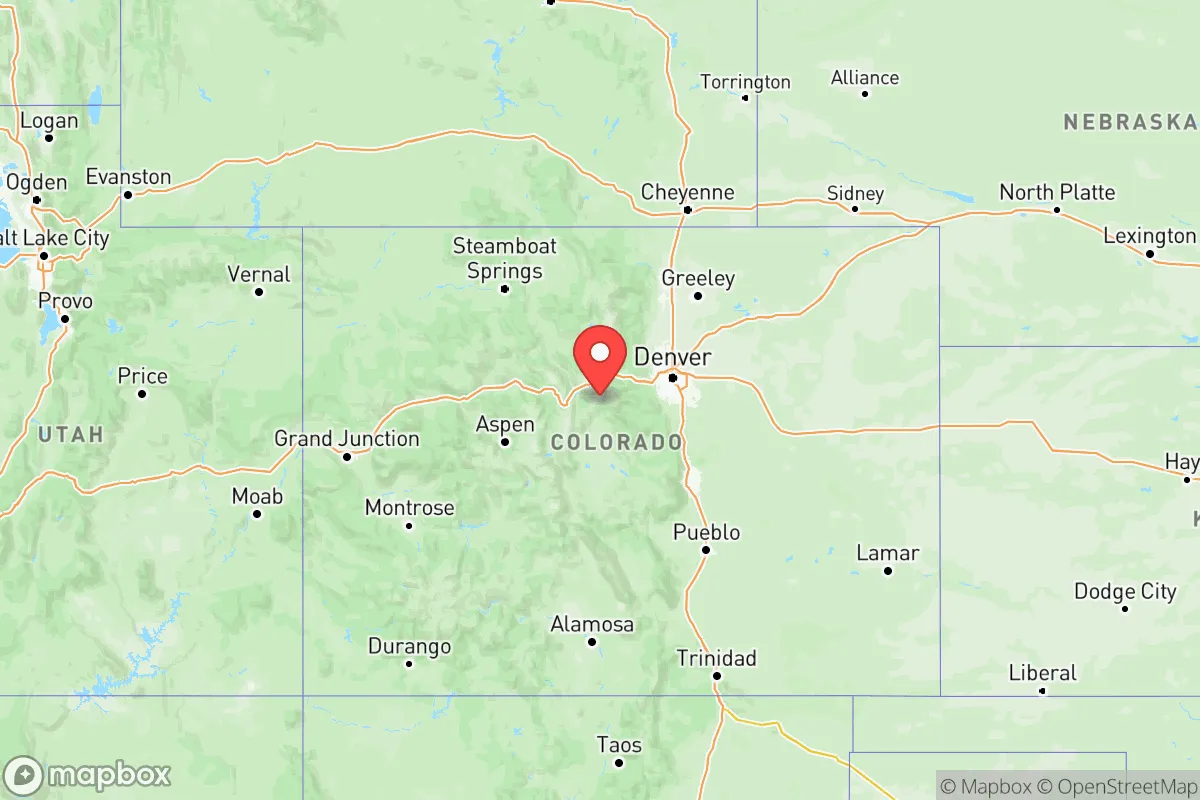
Photo: Wikipedia
Strategic Assessment of Colorado
Meaningful friction. Expect exposure to either population pressure, blast zones, or natural disaster risk. Consider buying a retreat property.
What does the Strategic Assessment tell us?
Our Strategic Assessment grades tactical survivability of an area. Major population centers, military targets, fallout zones, natural disasters, and border exposure all drive risk — lower exposure means a more defensible position in a crisis.
This is heavily inspired by Joel Skousen's Strategic Relocation book. Highly recommended you checkout the book ($)What does this tell us?
Our Strategic Assessment grades tactical survivability of an area. Major population centers, military targets, fallout zones, natural disasters, and border exposure all drive risk — lower exposure means a more defensible position in a crisis.
This is heavily inspired by Joel Skousen's Strategic Relocation book. Highly recommended you checkout the book ($)Regional Safe Places
Below is our recommended "safe zones" in Colorado and the surrounding area based on our strategic heuristics. For most people, it's unrealistic to live in a “safe zone” full-time due to work, family or other personal reasons. They tend to be more rural. However, many of these areas are perfect for second homes and retreat properties that double as a vacation home or even a short-term rental.
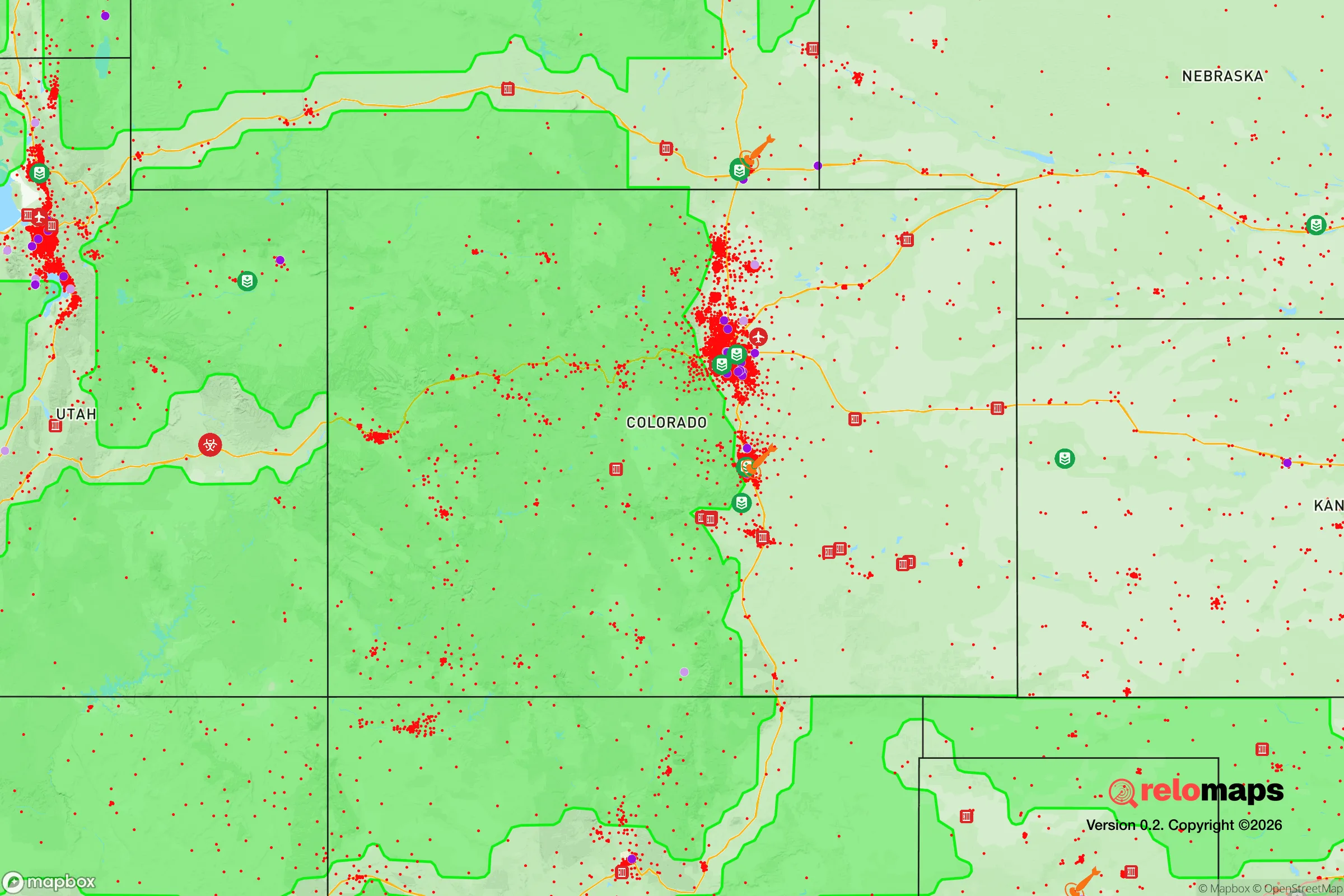
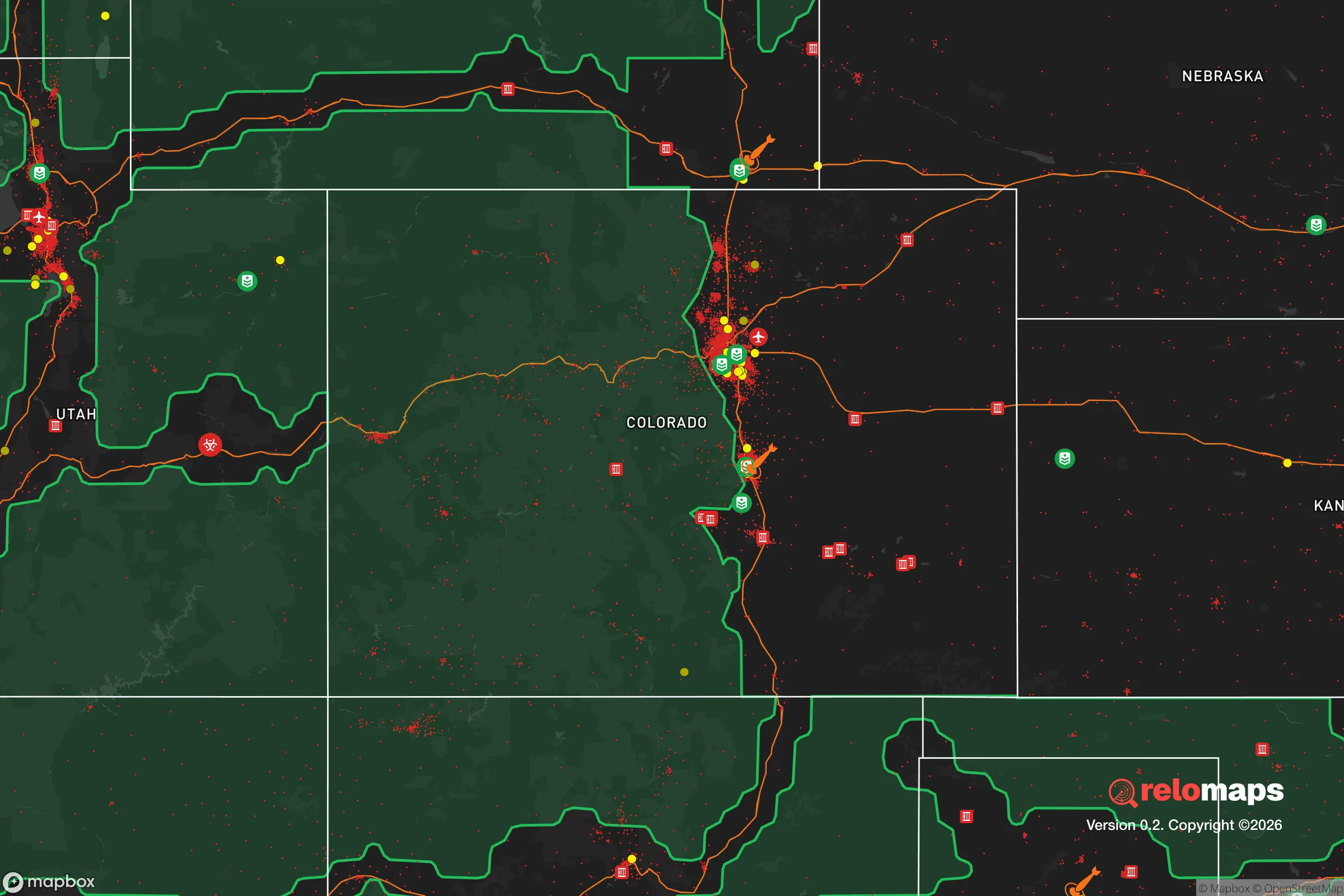


Important Note: For informational purposes only. This does not mean nothing bad ever happens in the green zones. Please use common sense. This is based on public data and modeled with AI. We tried to take a conservative approach but mistakes happen. We update this regularly as new information becomes available.
Solar Generator Recommendations
Backup power matters more here than in safer locations. We've picked three solar generators across budgets and capacity tiers — start with the budget unit if you only need a few essentials, or step up if you want to run a fridge and HVAC for days at a time.

Jackery Portable Power Station Explorer 300
Budget OptionPower on the Go: Weighing only 11 lbs, it's convenient to set up and store with book-sized foldable solar panels

BLUETTI Portable Power Station AC180
Designed for both indoor and outdoor scenarios, AC180 is highly capable as it has a robost capacity and continuous output power.

EF ECOFLOW DELTA Pro Ultra Power Station
Upgraded PickEcoFlow DELTA Pro Ultra is a whole-home energy system designed to grow with your family. Integrated with the Smart Home Panel 2, it scales to meet your evolving energy needs — keeping your home powered, intelligent, and secure through every stage of life.
We earn a commission, at no additional cost to you.
Strategic Assessment Analysis
Colorado offers a compelling mix of geographic isolation and resource abundance that appeals to relocation-minded individuals and families prioritizing long-term resilience and self-sufficiency. The state’s position in the Rocky Mountain region provides natural buffers against many of the risks that plague coastal and central U.S. population centers, while its interior location reduces exposure to hurricane storm surges, sea-level rise, and direct nuclear fallout patterns from coastal targets. For a reader weighing disaster readiness alongside quality of life, Colorado’s combination of high altitude, dry climate, and dispersed population centers like Colorado Springs, Fort Collins, and Grand Junction presents a strategic baseline worth examining closely.
Geographic position and natural advantages for long-term security
Colorado’s interior continental location places it over 1,000 miles from either coast, which significantly reduces the risk of direct fallout from a nuclear event targeting major port cities or naval installations. The state’s average elevation of 6,800 feet above sea level provides a natural defensive posture—mountain passes and limited east-west corridors like I-70 and US-50 create chokepoints that could be controlled in a crisis. The Front Range urban corridor, stretching from Fort Collins through Denver to Colorado Springs, sits at the eastern edge of the Rockies, offering both access to high-altitude retreats in the San Juan Mountains or the Sawatch Range and proximity to the High Plains for agriculture. The San Luis Valley, a high-elevation basin near Alamosa, provides a sparsely populated agricultural zone with its own water resources, making it a potential fallback area for relocators seeking distance from Denver’s metropolitan footprint. Colorado’s position also places it far from major refinery corridors like Houston’s or the chemical plants along the Mississippi River, reducing exposure to secondary industrial accidents or targeted strikes on energy infrastructure.
Risks, exposures, and proximity to fallout-relevant landmarks
While Colorado’s interior location offers advantages, it is not without strategic vulnerabilities. The state hosts several high-value military installations that could become targets in a conflict: Peterson Space Force Base and Schriever Space Force Base near Colorado Springs, Buckley Space Force Base in Aurora, and the United States Air Force Academy north of Colorado Springs. These facilities are central to U.S. space operations and missile warning systems, making the Colorado Springs metropolitan area a potential primary target. Denver itself, as a major population and transportation hub, carries secondary risk, though its lack of heavy industry or port facilities lowers its priority compared to coastal cities. The Rocky Flats National Wildlife Refuge, a former nuclear weapons production site near Boulder, remains a legacy contamination zone, though it is no longer active. Wildfire risk is the most immediate natural hazard, particularly along the Front Range and in mountain communities like Estes Park and Durango, where dry conditions and beetle-kill timber create annual fire seasons. Earthquake risk is low, and tornadoes are less frequent than in the Plains states, though the eastern counties near Limon see occasional activity. For a relocator, the primary man-made risk is proximity to the military space complex around Colorado Springs; choosing a residence west of the Continental Divide or in the San Luis Valley reduces exposure to that threat.
Practical resilience for a relocator: food, water, energy, and defensibility
Colorado’s practical resilience profile is mixed but generally favorable for prepared individuals. Water availability is the state’s most significant long-term concern: the Colorado River Basin, which supplies much of the Front Range via trans-mountain diversion projects, faces chronic drought and allocation disputes with downstream states. However, relocators who choose properties with senior water rights on the Western Slope—areas like the Grand Valley near Grand Junction or the North Fork Valley near Paonia—gain access to more reliable irrigation and groundwater. Food production is viable in the eastern plains (wheat, corn, cattle) and the Western Slope (orchards, vineyards, vegetables), but the growing season is short at higher elevations. A household planning for self-sufficiency should prioritize a location below 7,000 feet with access to a south-facing slope for extended growing days. Energy infrastructure is robust: Colorado has significant natural gas production in the Denver-Julesburg Basin, coal-fired plants near Craig and Pueblo, and growing solar and wind capacity, particularly along the eastern plains. The grid is interconnected with the Western Interconnection, but mountain communities can experience outages during winter storms; a backup generator or solar-plus-battery system is a practical investment. Defensibility varies by terrain: the San Juan Mountains offer rugged, low-population refuges with limited access roads, while the Front Range suburbs provide community networks but less natural isolation. For a family seeking a balance of access to supplies and distance from population centers, the area around Salida or Buena Vista in the Upper Arkansas River Valley offers a strong mix of water, arable land, and mountain defensibility without being remote to the point of impracticality.
Overall, Colorado presents a strong strategic option for the disaster-conscious relocator, provided they choose their specific location with care. The state’s interior position, high elevation, and multiple climate zones offer genuine buffers against coastal and industrial threats, while its military installations introduce a targeted risk that can be mitigated by settling west of the Continental Divide or in the San Luis Valley. Water scarcity and wildfire are the most pressing natural challenges, but both can be managed through site selection and preparation. For a single individual or family willing to invest in land with senior water rights, a defensible mountain property, and off-grid energy capacity, Colorado ranks among the better-balanced states for long-term resilience in the continental U.S.

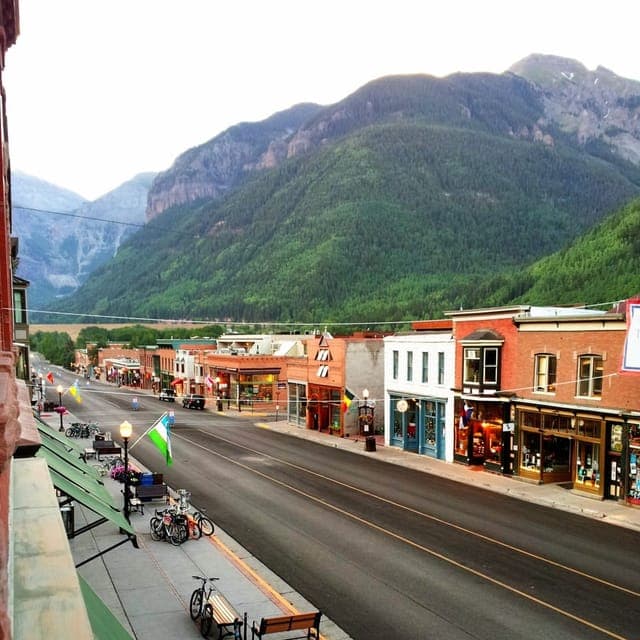
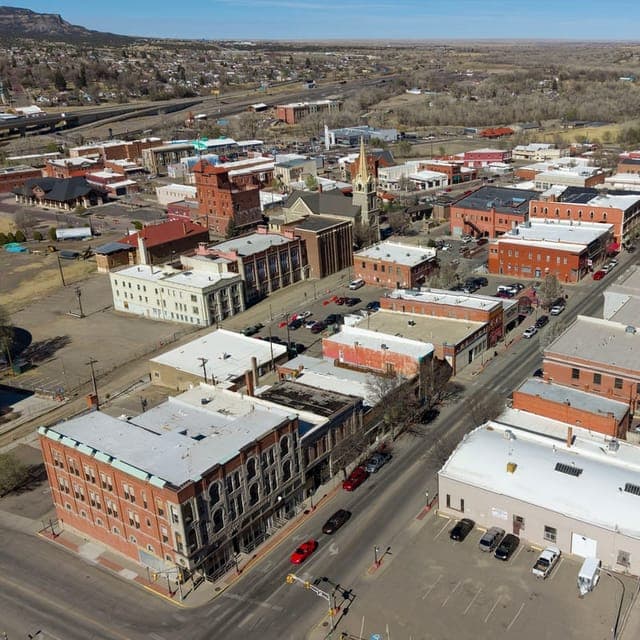
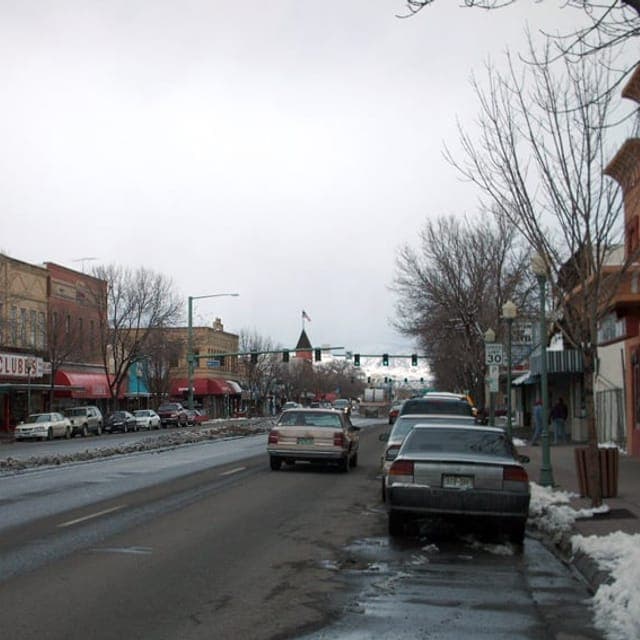
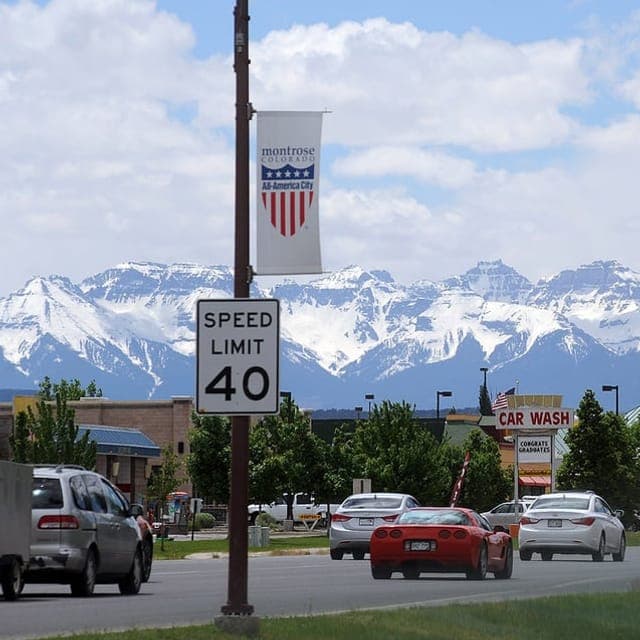
Top 10 Cities by Strategic Assessment in Colorado
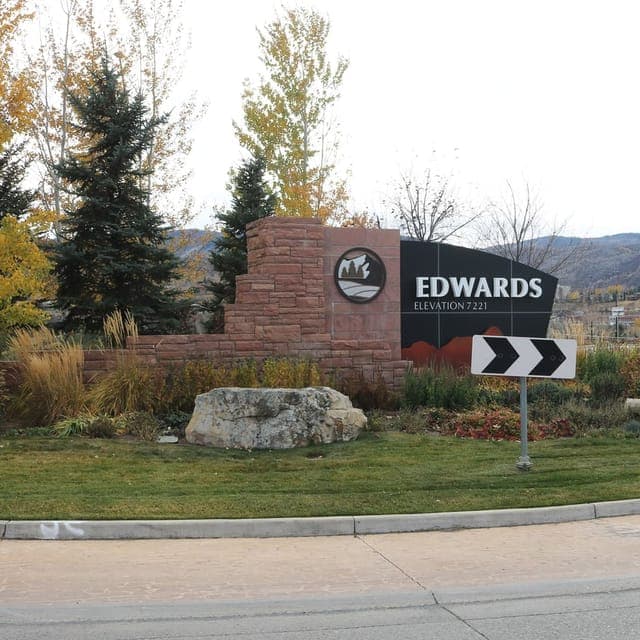
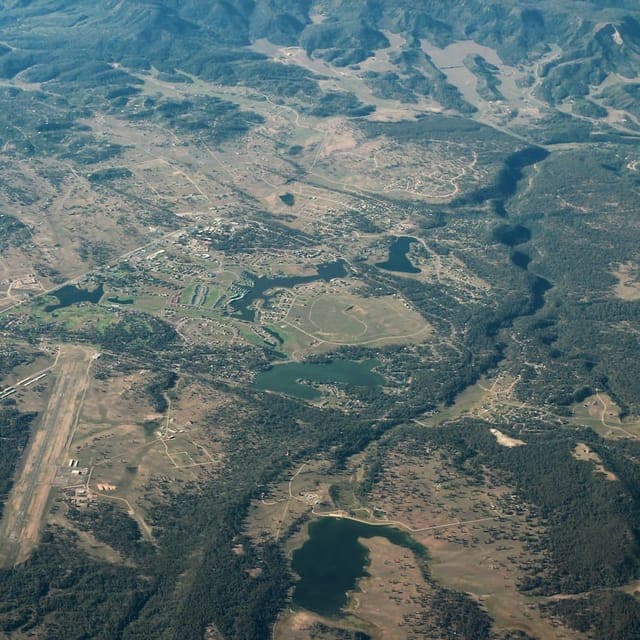
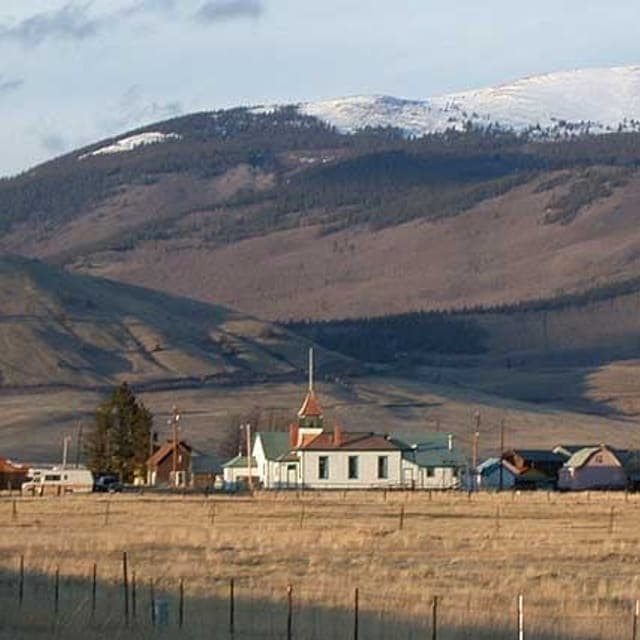
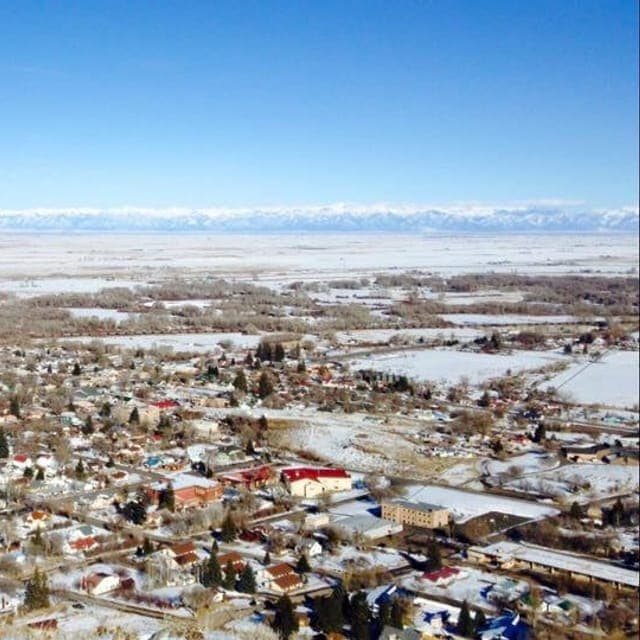
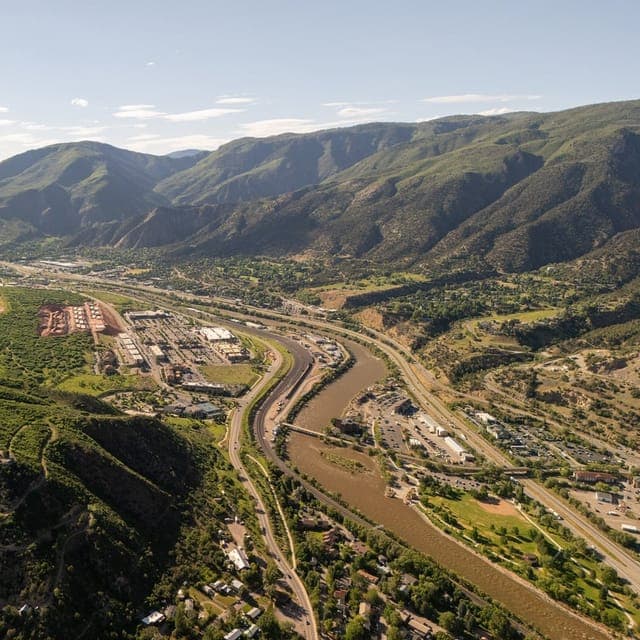
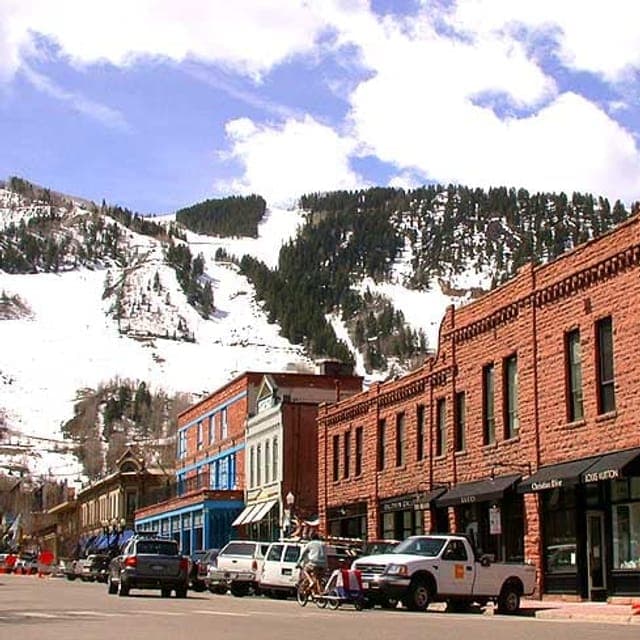
* Values derived from national, state, county, city and local statistics and may differ in a specific area. Last updated: 2026-08-03T16:05:48.000Z
Narrative content on this page is AI-generated and may contain mistakes. Verify any details that matter before acting on them.
ReloMaps may earn a commission from affiliate links at no extra cost to you.

