Photo: Wikipedia
Personal Sovereignty in Colorado
Viable for self-reliance. Generally workable, though some barriers may limit total independence.
What does Personal Sovereignty tell us?
Personal Sovereignty measures your capacity for self-reliance and independence with minimal government friction. Higher scores mean fewer barriers between you and the way you want to live... but it assumes you have the space you need and good neighbors.
What does this tell us?
Personal Sovereignty measures your capacity for self-reliance and independence with minimal government friction. Higher scores mean fewer barriers between you and the way you want to live... but it assumes you have the space you need and good neighbors.
State Policy
Energy independence: Net exporter (110% of energy produced in-state)
Personal Liberty
Homesteading

Personal Liberty Analysis
Colorado presents a complex and often contradictory environment for personal sovereignty, where state-level policies frequently clash with local governance, creating a patchwork of autonomy that varies dramatically by region. While the state constitution enshrines strong protections for individual rights, recent legislative trends in Denver have moved toward greater regulation in areas like taxation, firearms, and land use, making location choice within Colorado the single most important factor for those prioritizing personal freedom. For the freedom-minded individual or family, understanding these regional differences is essential, as the experience of sovereignty in a place like Colorado Springs or Weld County is fundamentally different from that in Boulder or Denver.
Tax burden and regulatory posture across Colorado's regions
Colorado's overall tax burden is relatively moderate compared to the national average, but the regulatory environment has become increasingly layered, particularly along the Front Range. The state levies a flat income tax rate of 4.4%, which is competitive, and property taxes are among the lowest in the nation, with an average effective rate of roughly 0.55% — a significant advantage for homeowners. However, the Taxpayer's Bill of Rights (TABOR), a landmark 1992 amendment that limits state revenue growth and requires voter approval for tax increases, has been steadily eroded by ballot measures and legislative workarounds, reducing its practical effect on restraining government growth. Sales tax rates vary widely, with Denver and Boulder adding significant local taxes on top of the 2.9% state rate, while unincorporated areas of Weld County or El Paso County keep combined rates much lower. Regulatory posture is similarly split: the state has adopted aggressive environmental and energy policies, including a mandate for 100% renewable electricity by 2040 and strict oil and gas setback rules that have curtailed mineral rights development, particularly on the Western Slope and in the Denver-Julesburg Basin. For a reader prioritizing economic freedom, counties like Weld and El Paso offer a far lighter regulatory touch than the urban cores, with fewer business licensing hurdles and more permissive land-use codes.
Self-defense rights and Colorado's evolving gun laws
Colorado's self-defense landscape has shifted significantly in recent years, moving from a historically permissive environment to one with notable restrictions that vary by jurisdiction. The state maintains a "shall-issue" concealed carry permit system, meaning counties must issue permits to qualified applicants, and permitless open carry is legal in most areas — though this right is preempted by local ordinances in Denver, Boulder, and several other cities that have banned open carry entirely. In 2023, the state passed a law raising the minimum age to purchase any firearm to 21, and a 2024 law imposed a three-day waiting period on all firearm purchases, which has been challenged in court. Magazine capacity is limited to 15 rounds for handguns and 10 for long guns under a 2013 law, and private firearm transfers now require a background check through a licensed dealer. Castle Doctrine and Stand Your Ground principles are recognized in Colorado case law, providing strong legal protection for self-defense in the home, but the legal landscape is less settled for defensive encounters in public spaces. For those who prioritize robust self-defense rights, El Paso County (home to Colorado Springs) and Weld County are widely regarded as the most gun-friendly jurisdictions, with sheriffs who have publicly stated they will not enforce certain state-level restrictions they deem unconstitutional, while Boulder and Denver have enacted additional local ordinances banning assault weapons and large-capacity magazines.
Self-reliance and homesteading viability across Colorado's diverse geography
The feasibility of self-reliant living in Colorado is heavily dependent on altitude, water rights, and county zoning codes, creating stark contrasts between the Front Range suburbs and the rural expanses of the Eastern Plains and Western Slope. In Costilla County and the San Luis Valley, land prices remain relatively affordable, with parcels of 5 to 40 acres available for under $5,000 per acre, and county zoning is generally permissive regarding accessory dwellings, livestock, and off-grid infrastructure. However, water is the critical limiting factor: Colorado operates under the prior appropriation doctrine, meaning that capturing rainwater without a well permit or water right is illegal in many areas, though a 2016 law eased restrictions on residential rain barrels for outdoor use. Off-grid solar is viable across most of the state, which averages over 300 days of sunshine annually, but connecting to the grid or obtaining permits for standalone systems can be expensive and bureaucratically cumbersome in counties like Larimer or Jefferson. Huerfano County and Las Animas County on the Eastern Plains are increasingly popular among homesteaders for their minimal building codes, low property taxes, and lack of zoning restrictions, though access to services and employment is limited. For families seeking a balance between self-reliance and community access, Fremont County offers a middle ground, with more relaxed regulations than the Front Range and reasonable proximity to Colorado Springs.
Personal liberties: parental rights, medical autonomy, and property rights
Colorado's legal framework for personal liberties presents a mixed picture, with strong protections for some individual choices and increasing state intervention in others. Parental rights in education have become a flashpoint: the state has enacted laws that require school districts to adopt policies supporting transgender students' gender identity without parental notification in certain circumstances, which has driven some families to seek alternatives in more conservative counties or to pursue homeschooling, which is relatively lightly regulated compared to many states. Medical autonomy is broadly respected, with Colorado being one of the first states to legalize medical marijuana in 2000 and recreational cannabis in 2012, and the state has robust right-to-try laws for terminally ill patients. However, vaccine mandates for school attendance remain in place, and a 2021 law removed the personal belief exemption for the measles, mumps, and rubella vaccine, tightening requirements for public school enrollment. Property rights are protected under the Colorado Constitution's strong eminent domain provisions, but local land-use controls have become more restrictive in growing areas, with Boulder County and Summit County imposing stringent growth management policies that limit development and increase housing costs. Free speech protections are generally robust, though local governments in Denver and Aurora have experimented with ordinances regulating public assembly and protest logistics that have raised First Amendment concerns.
Overall, Colorado's personal sovereignty environment is best understood as a state of internal tension, where the libertarian-leaning ethos of the Western frontier tradition coexists uneasily with progressive urban governance and an increasingly active state legislature. For the relocation-minded individual or family, the key takeaway is that Colorado offers genuine opportunities for autonomy — particularly in its rural counties and conservative-leaning cities — but requires careful geographic targeting to avoid the regulatory density of the Front Range urban corridor. Compared to states like Texas or Idaho, Colorado's tax burden is lighter but its regulatory climate is heavier, especially in areas of energy development, land use, and firearms. For those willing to navigate the patchwork, places like Colorado Springs, Weld County, and the San Luis Valley provide a viable foundation for a self-directed life, while the urban centers increasingly mirror the policy direction of coastal states.

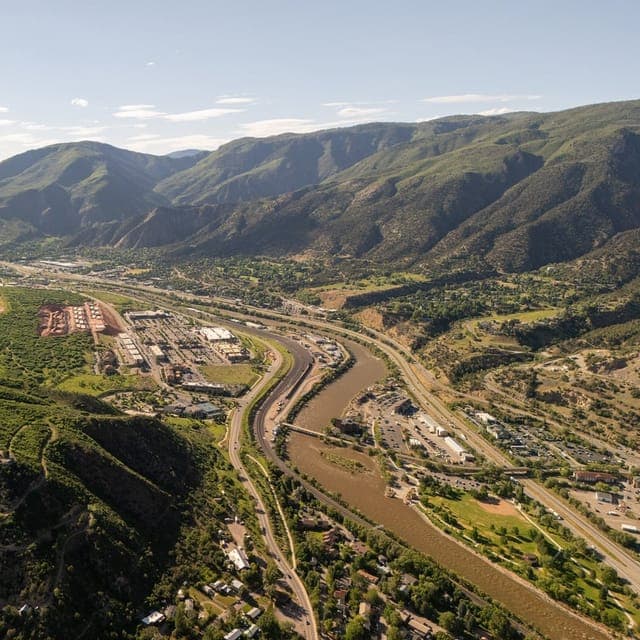
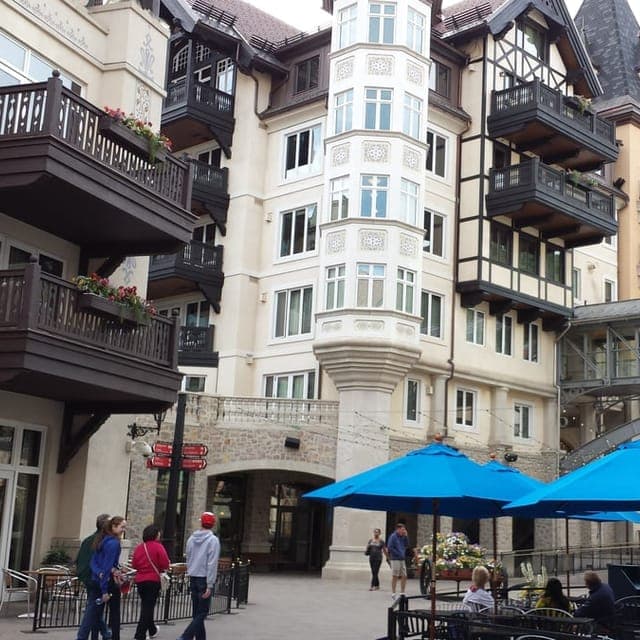
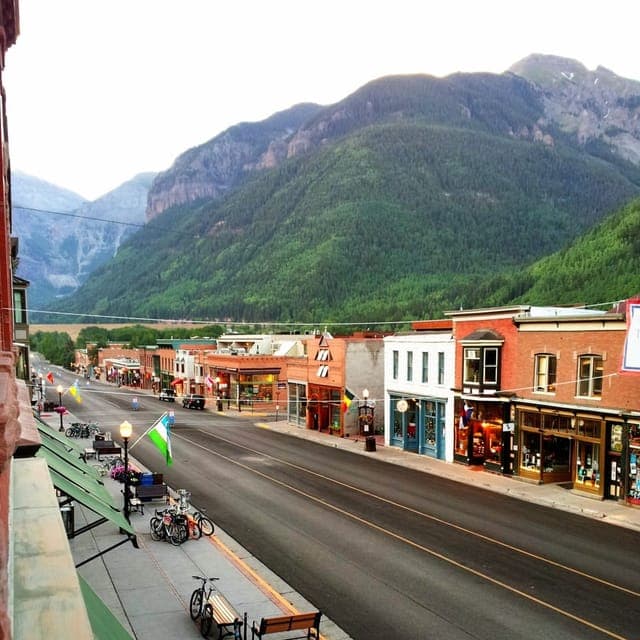
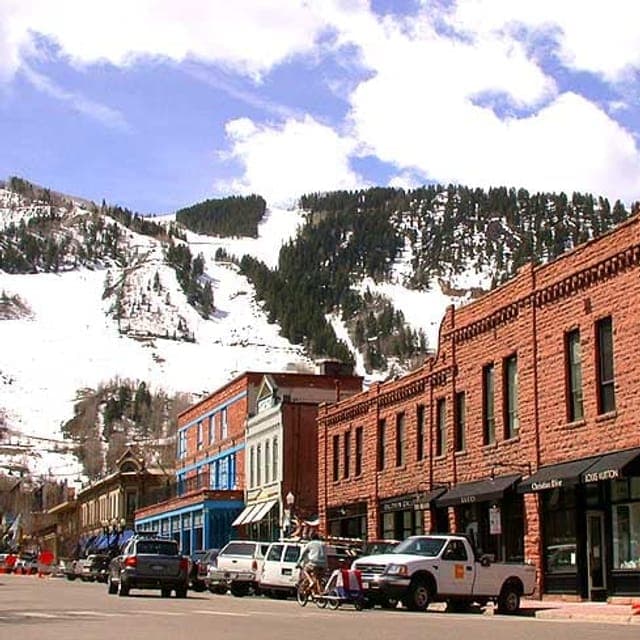
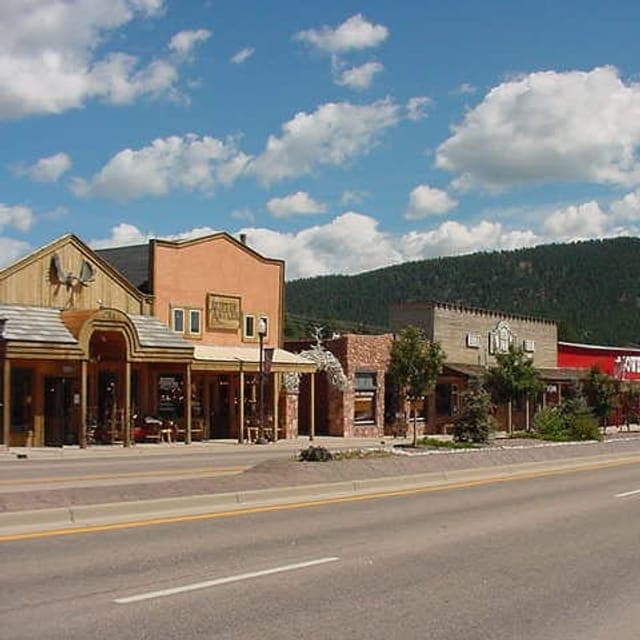
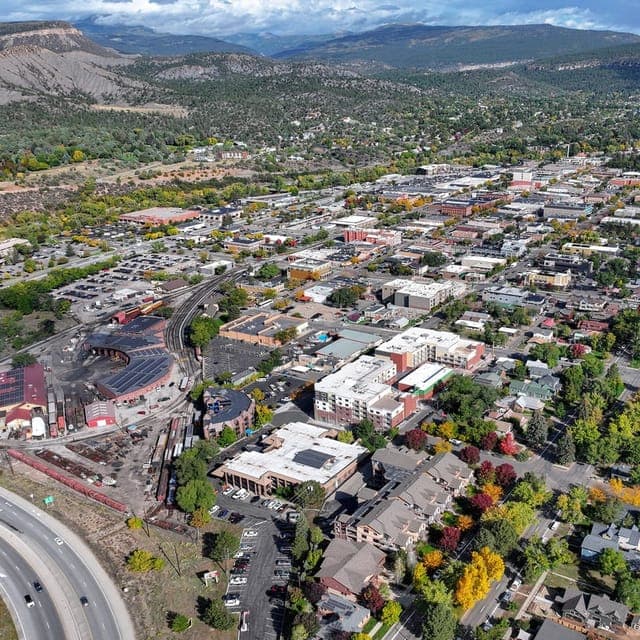
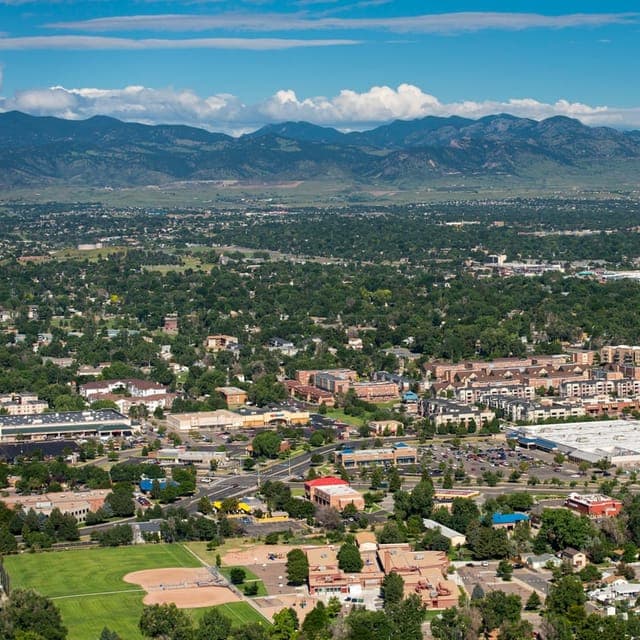
Top Cities for Personal Sovereignty in Colorado

* Values derived from national, state, county, city and local statistics and may differ in a specific area. Last updated: 2026-08-03T16:05:48.000Z
Narrative content on this page is AI-generated and may contain mistakes. Verify any details that matter before acting on them.
ReloMaps may earn a commission from affiliate links at no extra cost to you.

