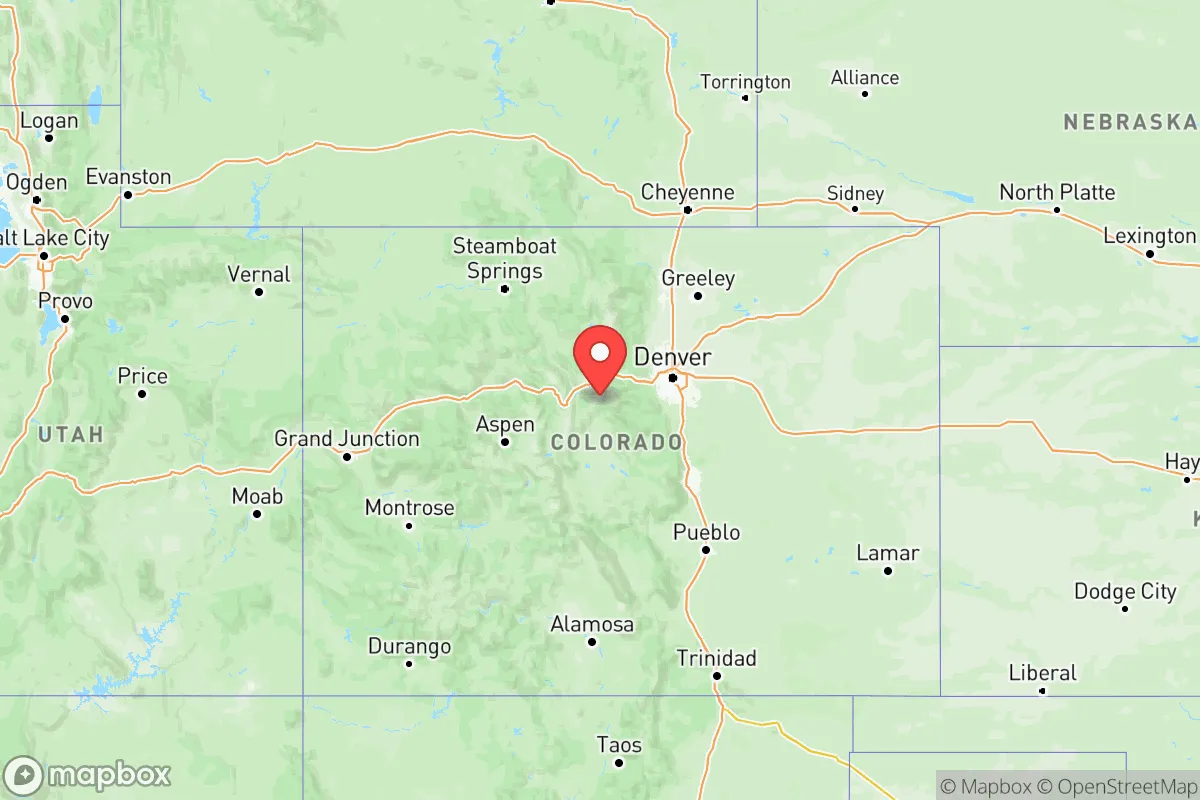
Photo: Wikipedia
Quality of Life in Colorado
A livable area that tracks near national norms for affordability, walkability, and neighborhood health.
What does Quality of Life tell us?
Quality of Life measures an area by evaluating factors like cost of living, nearby amenities, country club access, airport proximity, socioeconomic signals and neighborhood character. For large states, this is a general average — quality of life can vary dramatically between metro areas, suburbs, and rural communities within the same state.
What does this tell us?
Quality of Life measures an area by evaluating factors like cost of living, nearby amenities, country club access, airport proximity, socioeconomic signals and neighborhood character. For large states, this is a general average — quality of life can vary dramatically between metro areas, suburbs, and rural communities within the same state.
Cost of Living
59% above national average
64%
The Real Cost of Living in Colorado for 2026
| Tier | Individual | Family (4) |
|---|---|---|
| Survival | $27k | $51k |
| Comfortable | $98k | $143k |
| Luxury | $167k+ | $259k+ |
| Elite (Top 5%) | $198k+ | $307k+ |
Quality-of-Life Analysis
Colorado offers one of the most dramatic quality-of-life spectrums in the United States, ranging from dense, transit-oriented urban centers to remote mountain hamlets and sprawling agricultural plains. With a statewide cost-of-living index of 159 (100 = U.S. average), a median home value of $502,200, and a median rent of $1,693, the state demands a clear-eyed trade-off between lifestyle preferences and budget. The average commute of 25.5 minutes is surprisingly moderate given the geographic spread, but that figure masks stark differences between walkable city neighborhoods and long mountain commutes. Broadly, Colorado splits into four distinct tiers: major metros with professional economies, mid-size college towns with outdoor access, small rural communities with land and solitude, and luxury enclaves that command premium prices for scenery and exclusivity.
Major metros
If you're looking for urban living, Colorado has two dominant anchors: Denver and Colorado Springs, with Aurora and Lakewood functioning as significant suburban employment centers. Denver is the state's economic and cultural hub, driven by aerospace, tech, telecommunications, and a growing film and media sector. Its density is moderate by national standards — walkable neighborhoods like LoDo, Capitol Hill, and RiNo offer urban energy without Manhattan-level crowding. Colorado Springs, 70 miles south, is more conservative, military-oriented (Peterson SFB, Schriever SFB, Fort Carson), and family-focused, with lower home prices than Denver but fewer transit options. Boulder, while smaller, functions as a metro-adjacent tech and university hub anchored by the University of Colorado and a dense cluster of startups and federal labs (NOAA, NIST). Each metro attracts a different personality: Denver draws young professionals and creatives, Colorado Springs appeals to military families and conservatives, and Boulder pulls academics and outdoor-obsessed professionals willing to pay a premium for mountain views.
Mid-size cities & college towns
Colorado's mid-size cities and college towns offer a middle ground between urban amenities and direct outdoor access, often at a lower cost than Denver or Boulder. Fort Collins (home to Colorado State University) is a bike-friendly, brewery-rich city of roughly 170,000 with a strong clean-energy and manufacturing base. Greeley, 30 miles east, is more affordable and agriculturally rooted, anchored by the University of Northern Colorado and a growing healthcare sector. Pueblo, south of Colorado Springs, is the state's most affordable mid-size city, with a median home value well below the state average and a revitalizing downtown arts district. Grand Junction, on the Western Slope, serves as the commercial hub for Colorado's wine country and offers a high-desert climate, lower humidity, and direct access to the Colorado National Monument. Durango, in the far southwest, is a smaller college town (Fort Lewis College) and tourism gateway to the San Juan Mountains, with a historic downtown and a narrow-gauge railroad that draws visitors year-round. Each of these cities offers a distinct trade-off: Fort Collins for bike commuters and CSU families, Greeley for affordability and agribusiness jobs, Pueblo for low housing costs, Grand Junction for dry-climate retirees, and Durango for those who prioritize mountain recreation over career density.
Small towns & rural areas
Colorado's small towns and rural areas span an enormous range of landscapes and lifestyles, from high-altitude mining towns to plains farming communities. Salida, on the Arkansas River, is a whitewater rafting and mountain-biking hub with a walkable historic downtown and a growing remote-worker population. Crested Butte and Telluride are world-class ski towns that have become year-round destinations for wealthy second-home owners and seasonal workers, with housing costs that rival Denver's. On the Eastern Plains, towns like Lamar, Burlington, and Holyoke offer a completely different Colorado: flat, agricultural, with low home prices, conservative politics, and a slower pace far from ski traffic. The San Luis Valley, anchored by Alamosa and Monte Vista, is a high-elevation agricultural basin with a strong Hispanic cultural heritage, affordable land, and access to Great Sand Dunes National Park. For those seeking true solitude, the San Juan Mountains around Silverton and Lake City offer year-round off-grid living at 9,000+ feet, with limited services, harsh winters, and no chain stores. The practical reality is that small-town Colorado is not a monolith: a remote worker in Salida lives a fundamentally different life than a rancher in Baca County or a ski bum in Telluride.
Luxury vs. affordable living
The gap between Colorado's most expensive and most affordable areas is extreme. On the luxury end, Aspen and Snowmass Village lead the state with median home prices above $4 million, followed by Telluride, Vail, and Beaver Creek, where a modest condominium often exceeds $1 million. Boulder and Cherry Hills Village (a Denver suburb) are the most expensive non-resort communities, with Boulder's median home value above $900,000 and Cherry Hills exceeding $2 million. On the affordable end, Pueblo offers a median home value around $280,000 — roughly half the state average. Trinidad, near the New Mexico border, has homes in the $200,000–$300,000 range and a growing cannabis industry. La Junta and Lamar on the Eastern Plains offer homes under $200,000, though job opportunities are limited to agriculture, healthcare, and education. The San Luis Valley towns of Alamosa and Monte Vista also fall well below the state median, with homes often available for $250,000–$350,000. The trade-off is stark: luxury buyers pay for proximity to world-class skiing, dining, and scenery; budget buyers pay with longer drives to urban jobs, fewer amenities, and harsher climates.
The practical reality of living in Colorado is that lifestyle tier determines nearly every aspect of daily life — commute length, housing type, social scene, and even climate. Urban professionals in Denver and Boulder trade high housing costs for walkability, transit access, and dense job markets. Mid-size city residents in Fort Collins or Grand Junction get a balance of amenities and outdoor access at a moderate price. Rural and small-town residents on the plains or in the San Luis Valley gain land and affordability but sacrifice job diversity and cultural amenities. The statewide cost-of-living index of 159 and median home value of $502,200 mean that Colorado is not a low-cost state, but the spread from Pueblo's $280,000 median to Aspen's $4 million means there is a place for nearly every budget — as long as the buyer is realistic about what that budget buys in terms of location, commute, and lifestyle.

Crime in Colorado
Higher crime rates than 57% of comparable U.S. locations.
Violent CrimeViolent Crime Analysis
Property CrimeProperty Crime Analysis
Crime Analysis
Colorado's overall crime picture is mixed, with a violent crime rate of 428.1 per 100,000 residents and a property crime rate of 2,177.4 per 100,000. These figures place the state above the national average for both categories, driven largely by persistent issues in the Denver-Aurora-Lakewood metropolitan area and along the Front Range. However, safety varies dramatically by jurisdiction, with smaller mountain towns and conservative-leaning suburbs reporting significantly lower crime rates than the state's progressive urban centers.
Crime in context
Colorado's violent crime rate of 428.1 per 100,000 is roughly 20% higher than the national average, while its property crime rate of 2,177.4 per 100,000 exceeds the U.S. figure by approximately 30%. These numbers reflect a post-2020 surge that has not fully receded, particularly in Denver, Aurora, and Colorado Springs. Denver County alone recorded a violent crime rate above 600 per 100,000 in recent years, while Aurora has struggled with auto theft and organized retail crime. In contrast, communities like Castle Rock and Windsor report violent crime rates below 150 per 100,000, and Durango in the southwest maintains property crime figures roughly half the state average. The disparity is largely attributable to concentrated urban crime and the policies of progressive district attorneys in the state's largest counties.
What residents experience
Property crime is the most common safety concern for Colorado residents. Car theft, package theft, and burglary are frequent complaints in the Denver metro area, where the 2nd Judicial District Attorney's office has faced criticism for declining to prosecute certain low-level property offenses. In Arapahoe County, which includes the cities of Aurora and Centennial, auto theft rates have been among the highest in the nation, with over 900 vehicles stolen per 100,000 residents in some years. Violent crime, while less common, is a serious issue in specific corridors: the Colfax Avenue corridor in Denver and parts of Pueblo have experienced elevated rates of aggravated assault and robbery. Residents in suburban and exurban areas like Lone Tree and Erie report feeling safe walking at night, while those in central Denver neighborhoods near light rail stations or homeless encampments describe a heightened sense of vulnerability. The progressive policies of Denver's district attorney, including reduced sentencing for repeat offenders and diversion programs for felony theft, have been cited by law enforcement as contributing to recidivism and a perception of impunity among property criminals.
Neighborhood-level variation
Crime in Colorado is highly localized, and a zip code can matter more than a city name. Within Denver, the Capitol Hill and Five Points neighborhoods see violent crime rates two to three times higher than the city average, while the Washington Park and Hilltop areas remain relatively safe. In Colorado Springs, the southeast side near Fountain Boulevard has higher crime concentrations, while the northern neighborhoods near the Air Force Academy are among the safest in the state. Boulder, despite its progressive reputation, has seen a rise in property crime and drug-related incidents since 2020, though violent crime remains low. For those considering relocation, the safest bets are generally the smaller, conservative-leaning suburbs and mountain towns: Woodland Park, Monument, and Berthoud consistently report crime rates well below both state and national averages. Prospective residents should examine crime maps at the census tract level and consider the judicial philosophy of the local district attorney, as jurisdictions with reform-oriented prosecutors tend to have higher rates of property crime and lower clearance rates.
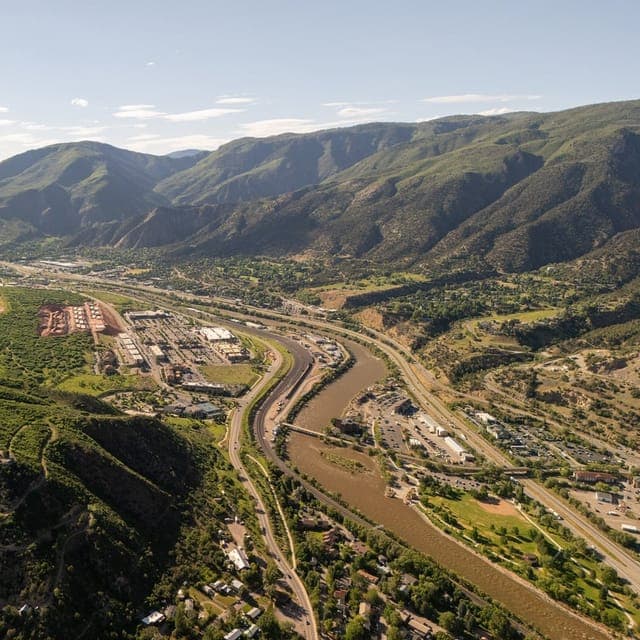
Top Cities for Quality of Life in Colorado

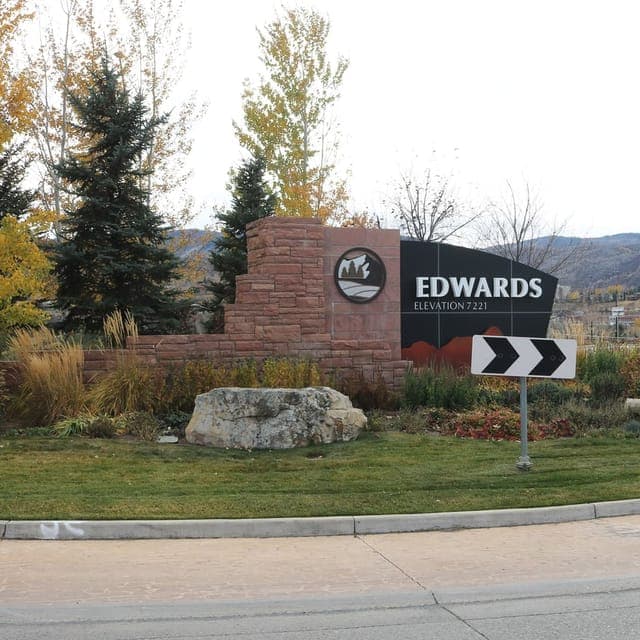
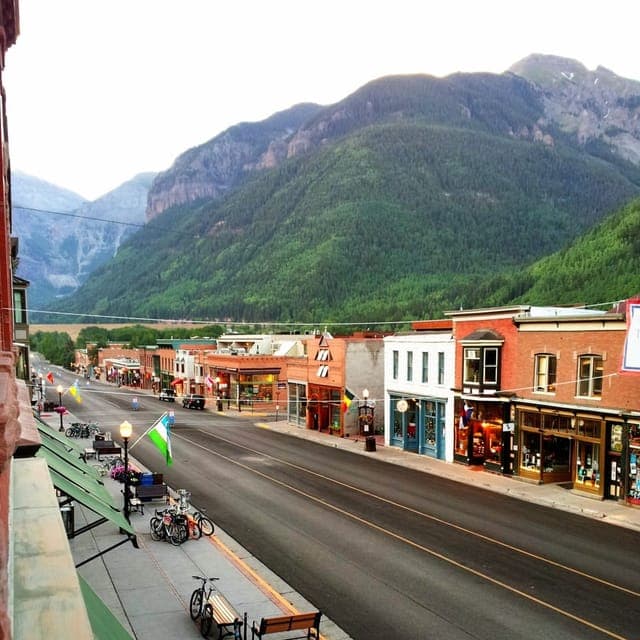
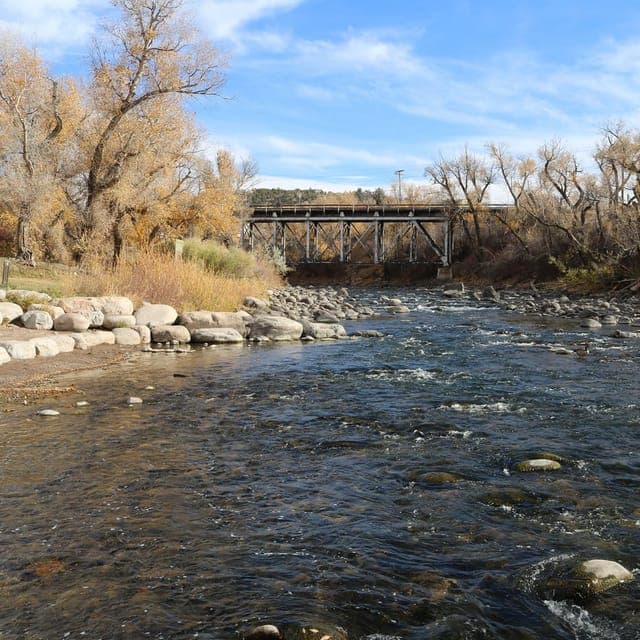
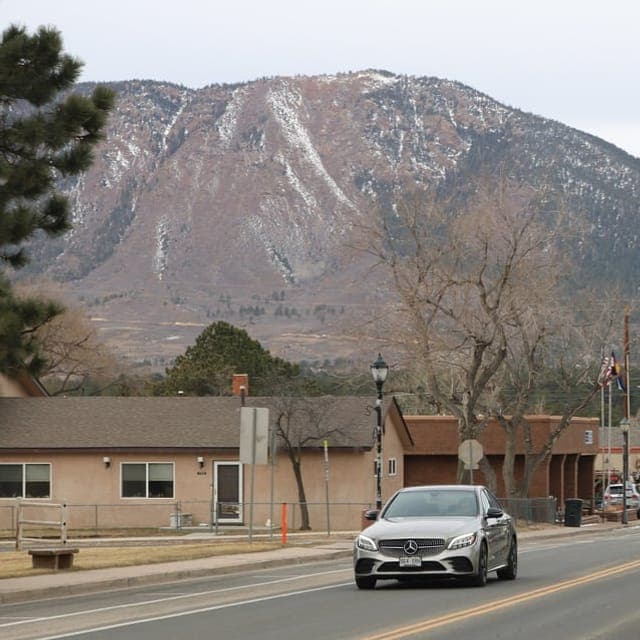

* Values derived from national, state, county, city and local statistics and may differ in a specific area. Last updated: 2026-08-03T16:05:48.000Z
Narrative content on this page is AI-generated and may contain mistakes. Verify any details that matter before acting on them.
ReloMaps may earn a commission from affiliate links at no extra cost to you.

