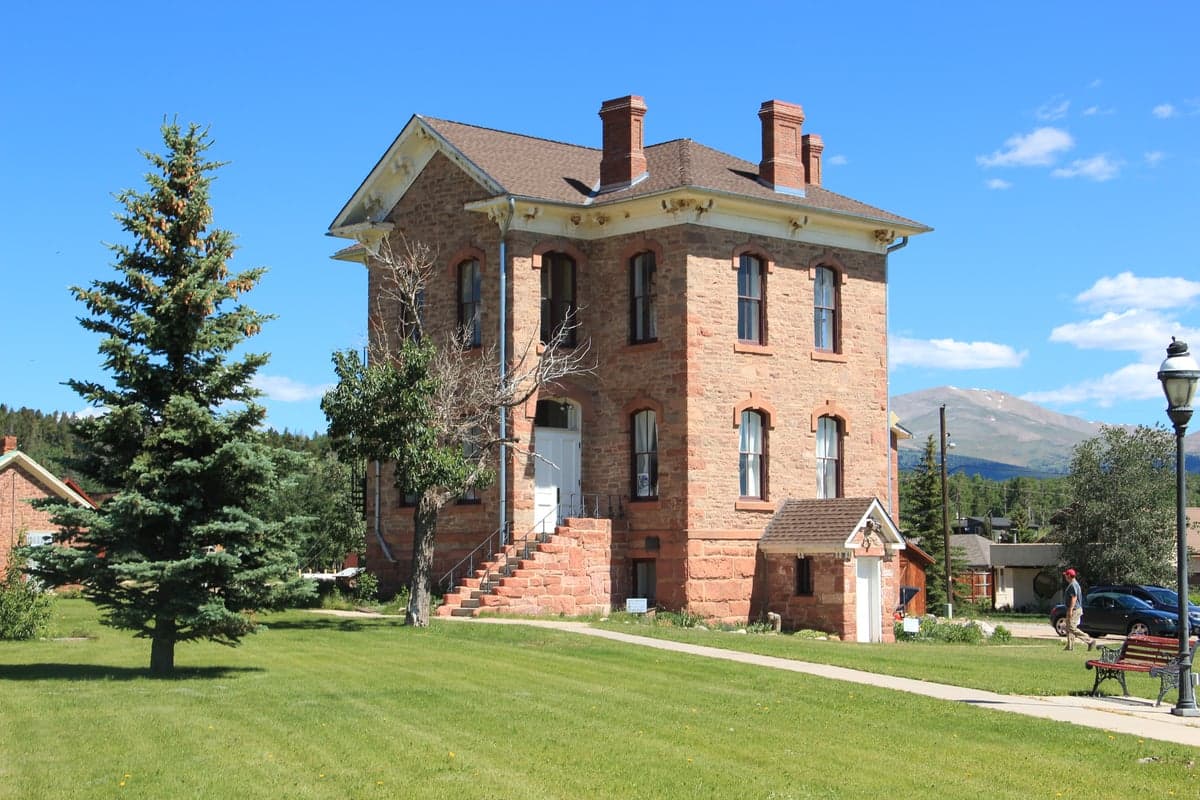
Photo: Wikipedia
Political ClimatePolitical Climate in Park County
Showing district-level results — no local-only data available.
Local Political AnalysisPolitical Analysis of Park County
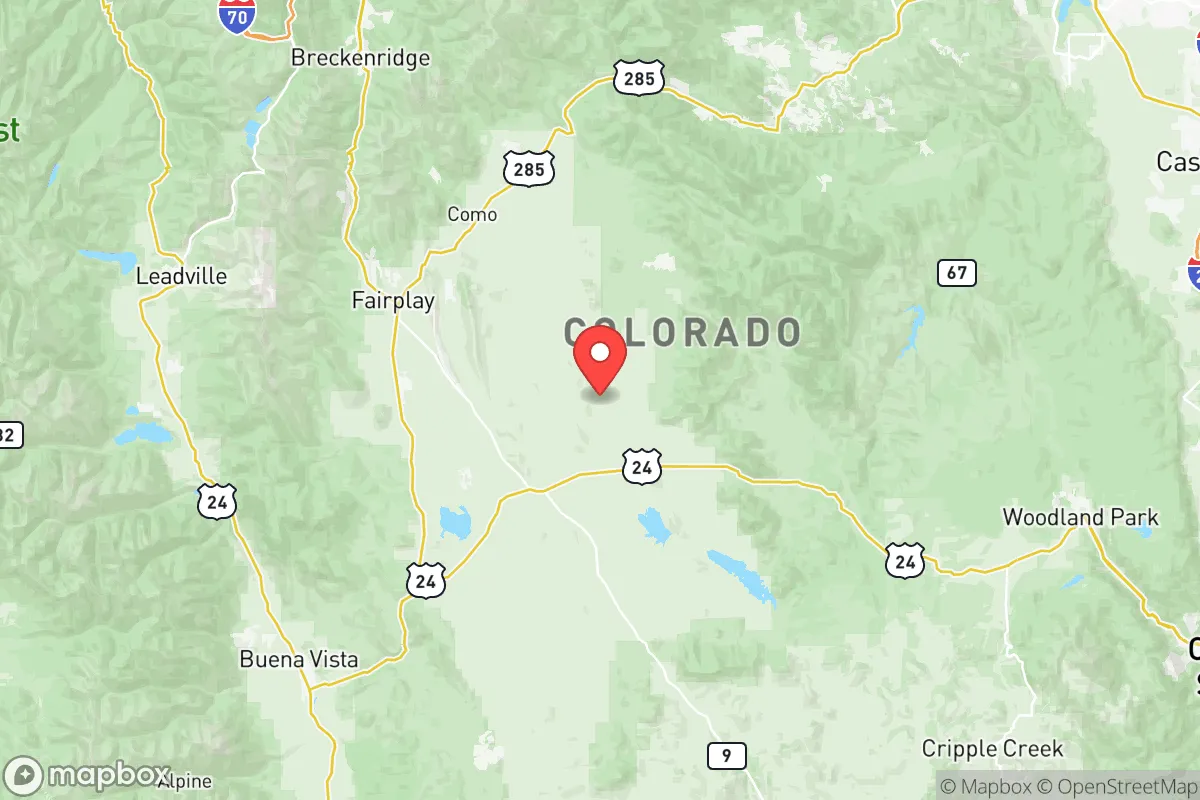
Park County’s Cook PVI of D+8 might look like a solidly Democratic district on paper, but if you’ve lived here long enough, you know those numbers don’t tell the full story. The county seat of Fairplay and hamlets like Bailey have seen an influx of Front Range migrants over the past decade, pulling the needle leftward, while towns like Jefferson and the western precincts around Hartsel and Lake George still vote like the rural Western Slope counties they border. The real picture is a county deeply split between old-timers who value limited government and newcomers bringing Denver-style politics with them.
How it compares
Compared to Colorado’s statewide D+6 rating, Park County’s D+8 makes it slightly more Democratic than the state average, which feels off-kilter to anyone who remembers county elections from the 2000s. The difference is almost entirely driven by the Breckenridge spillover into the Alma area and second-home owners in Bailey. Those precincts regularly flip blue by 10–15 points, while the rest of the county—especially the ranching communities east of the South Park valley—still votes Republican by similar margins. The swing precincts around Como and Shawnee can go either way depending on turnout. What’s concerning is how fast that shift has happened: five elections ago, Park County was R+5. Now it’s D+8. That’s a 13-point swing in less than two decades, driven almost entirely by people who treat this place as a weekend escape rather than a working community.
What this means for residents
For those of us who live here full-time, the practical effect is a slow creep of policies that would have been unthinkable twenty years ago. County commission meetings now feature heated debates over vaccine mandates for county employees, land-use restrictions that feel less like conservation and more like control, and school board battles over curricula that prioritize national identity politics over local values. Fairplay’s city council has already floated a short-term rental cap that threatens the livelihood of local businesses—a textbook example of government overreach into what used to be private property rights. Meanwhile, the sheriff’s office still emphasizes that they won’t enforce state-level gun regulations they consider unconstitutional, but that stance gets harder to maintain every election cycle as the blue precincts grow. The state’s D+6 lean means Denver passes laws that Park County residents overwhelmingly oppose, and the county’s own D+8 tilt means local representation isn’t pushing back as hard as it used to.
If trends hold, the next redistricting cycle could lock in a liberal majority on the county board for a decade. That would likely bring tighter zoning, higher building fees, and more pressure to fall in line with state-level progressive mandates—exactly the kind of one-size-fits-all governance that drove many of us to this valley in the first place. The cultural distinction between Park County and the rest of Colorado is still real: you’ll find fewer mandates, more pickup trucks, and a general expectation that neighbors mind their own business. But that identity is eroding faster than the elk migration can adapt, and the next few election cycles will decide whether this county stays a refuge from overreach or becomes just another bedroom community for Denver’s bureaucracy.

State Political ClimatePolitical Climate in Colorado
* Values derived from national, state, county, city and local statistics and may differ in a specific area. Last updated: 2026-06-04T04:18:23.000Z
Narrative content on this page is AI-generated and may contain mistakes. Verify any details that matter before acting on them.
ReloMaps may earn a commission from affiliate links at no extra cost to you.

