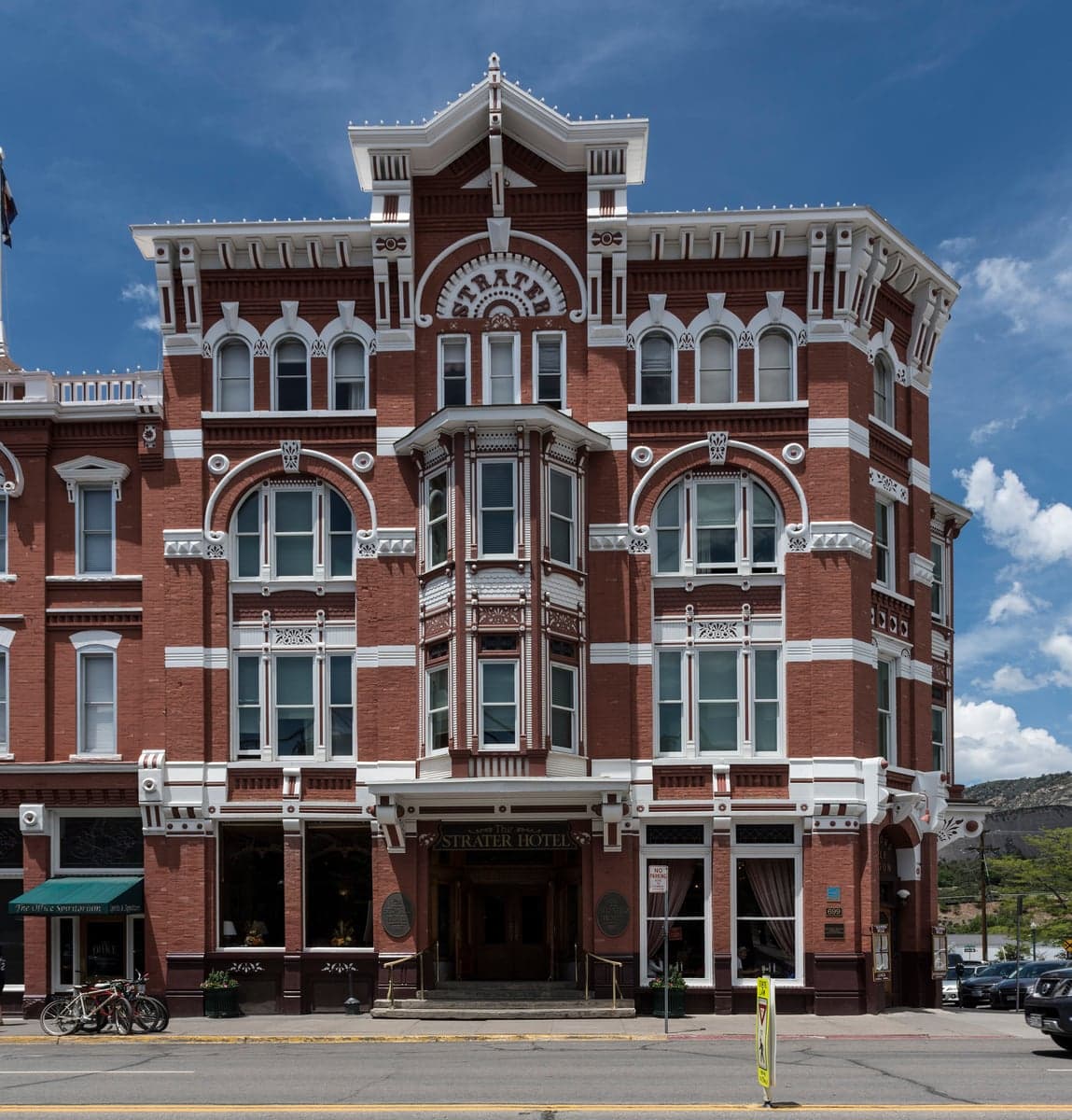
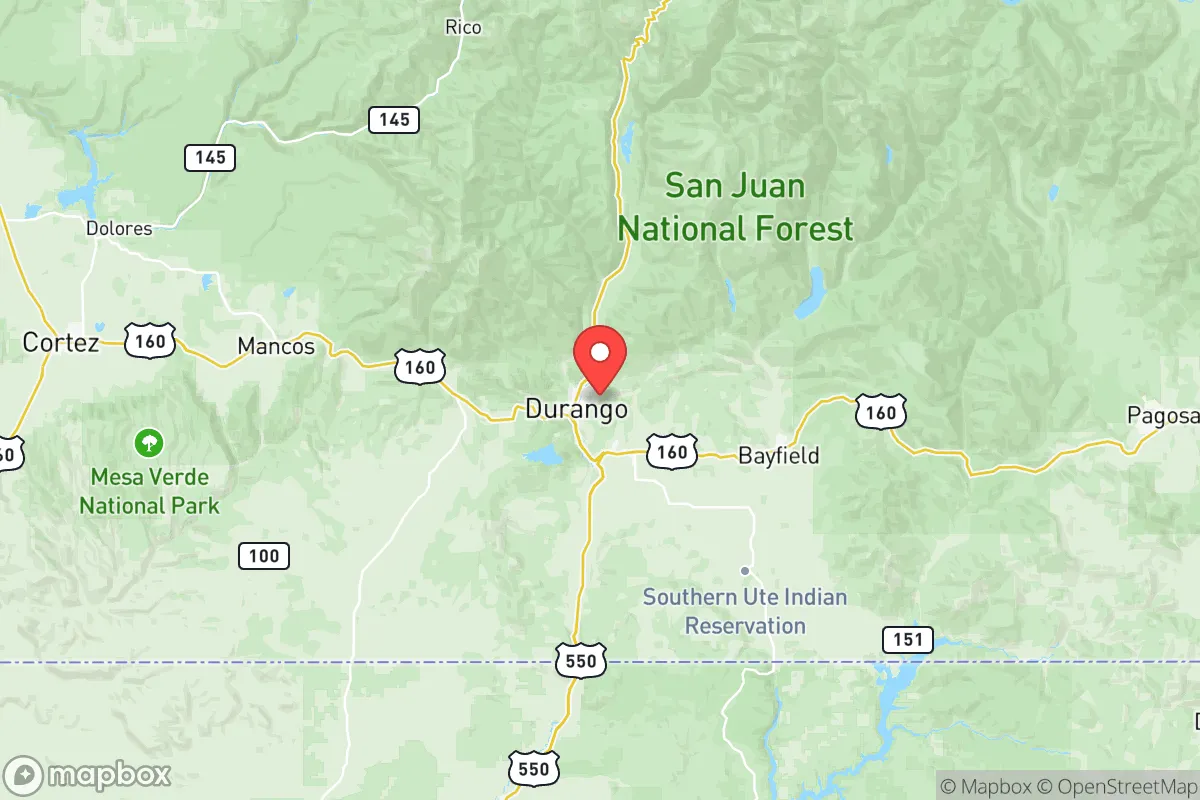
Photo: Wikipedia
Find The Best Places To Live in La Plata County
PRO TIP! You can paste a Zillow or Redfin link to get info on that property.
Best Places to Live in La Plata County
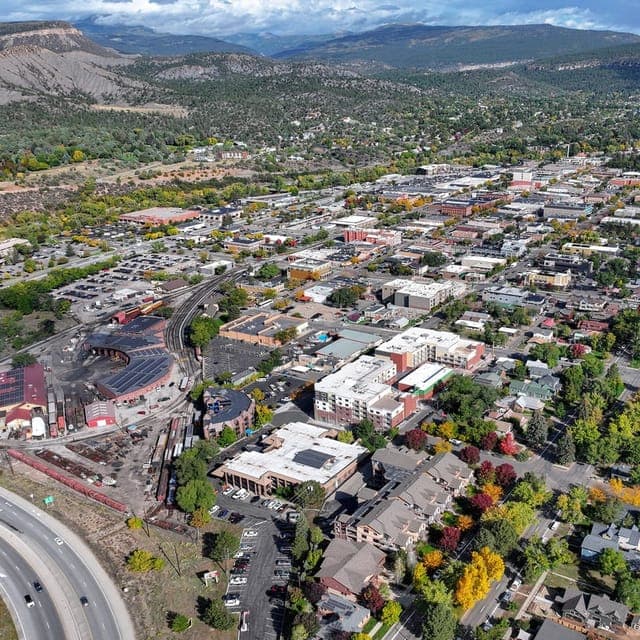
Cities & Towns in La Plata County
Cities in La Plata County
What It's Like Living in La Plata County, CO
Living in La Plata County means signing up for a place where the San Juan Mountains set the daily backdrop and the pace of life is dictated more by snowstorms and trail conditions than by traffic lights. The county’s roughly 56,000 residents are spread across the college town of Durango, the quieter bedroom community of Bayfield, the rural-agricultural hub of Ignacio, and stretches of unincorporated land where neighbors might be a mile down the road. It’s a mix of outdoorsy professionals, multigenerational ranching families, and remote workers who traded a commute for a view. The median age hovers around 42.3, and with 47.3% of adults holding a college degree, the educated workforce supports a local economy rooted in tourism, healthcare, and the energy sector rather than manufacturing or big-box retail.
The Daily Rhythm: Mountains, Microclimates, and Commute Realities
A typical weekday in Durango starts early, especially for the families who fill the halls of Durango High School or Bayfield Elementary. Coffee from Durango Coffee Company or a breakfast burrito from the Durango Diner is standard fuel before heading out. The average commute is just over 20 minutes — short enough to live in Ignacio and work in Durango, or to commute from the newer subdivisions cropping up in Three Springs. But winters are the great equalizer: a surprise foot of snow can turn that 20-minute drive into an hour on US-550, and longtime residents keep emergency kits in their trunks as a matter of course. Spring brings mud season, which locals affectionately call “the fifth season” — a quiet, often gloomy stretch between ski season and rafting season when restaurants run specials and the pace slows to a crawl. For those who work in tourism or the outdoor industry, this is the time for maintenance, not profit.
Sports, Festivals, and the Thing That Binds the County Together
Sports fandom here isn’t about a pro franchise — it’s about the Fort Lewis College Skyhawks, who draw real crowds for basketball games in Durango’s Whalen Gymnasium. High school football is also a big deal, particularly the rivalry between Bayfield High School and Ignacio High School, which fills bleachers on Friday nights in autumn. When the snow melts, the focus shifts to the Durango Bluegrass Meltdown in May and the La Plata County Fair in August, which brings 4-H livestock, tractor pulls, and a distinctly agricultural flavor to the fairgrounds. But the year’s biggest cultural draw is the Durango & Silverton Narrow Gauge Railroad, a steam train that runs through the canyon and packs the town with tourists from May through October. Locals have a love-hate relationship with it — it defines the town’s identity and economy but also congests Main Avenue.
For outdoor recreation, the options stack high. Purgatory Resort (about 30 minutes north of Durango) offers skiing and mountain biking. The Animas River runs right through town, and fly-fishing is a quiet obsession for many. Hiking trails like the Colorado Trail or the falls at Cascade Canyon are accessed by nearly everyone. One notable quirk: locals avoid the term “Durango” when talking about the ski hill — they call it “Purg” or simply “the mountain.” It’s a subtle marker of who lives here year-round versus who flies in for a week.
Honest Pros and Cons: What You Gain and What You Deal With
The upsides are tangible. The median household income sits at $85,296, which supports a comfortable lifestyle for most families, especially those who bought homes before the recent price surge. The air is clean, the water from the Animas is drinkable, and the community feel is genuine — neighbors help dig out stuck cars and the farmers market is a genuine social event. The area is also politically mixed: La Plata County leans more conservative in the rural pockets (Bayfield, Ignacio) and more progressive in Durango proper, creating a live-and-let-live atmosphere that many residents appreciate.
The downsides are equally real. The cost of living index is 151 — 51% above the national average, and the median home value of $549,100 prices out many essential workers. Teachers and firefighters often commute from Bayfield or even further-flung areas like Mancos. The violent crime rate of roughly 405 per 100,000 residents is worth noting; it’s concentrated in specific areas and is partly driven by property crime and theft, not random street violence, but it’s a statistic that gives pause. Traffic on the main drag (US-550 through Durango) can be genuinely frustrating during tourist season, and while the commute average is short, the infrastructure hasn’t kept pace with population growth in the past decade.
What Kind of Person Fits In
La Plata County works best for people who can tolerate some isolation, enjoy being outside more than inside, and have either a flexible income or a job in healthcare, education, or a trade. It’s a strong fit for families who want kids to grow up mountain-adjacent and who value the school systems in Durango and Bayfield (both well-regarded). It’s less ideal for someone who wants nightlife, ethnic restaurant diversity, or easy access to a major airport — the nearest hub is in Durango (DRO), which offers limited flights to Denver and Phoenix and little else. Retirees do well here if they’ve sold a house from a higher-cost market and can afford the valley. But the hard truth is that the area’s charm has a price tag, and the median age of 42.3 reflects the reality that younger singles and families often get priced out or leave for jobs in Front Range cities like Denver or Colorado Springs. For those who stay, the tradeoff is a life where your weekend plans involve a national forest rather than a mall, and where your neighbors know your name — often because they helped you pull your truck out of a snowbank.

* Values derived from national, state, county, city and local statistics and may differ in a specific area. Last updated: 2026-06-25T08:18:32.000Z
Narrative content on this page is AI-generated and may contain mistakes. Verify any details that matter before acting on them.
ReloMaps may earn a commission from affiliate links at no extra cost to you.

